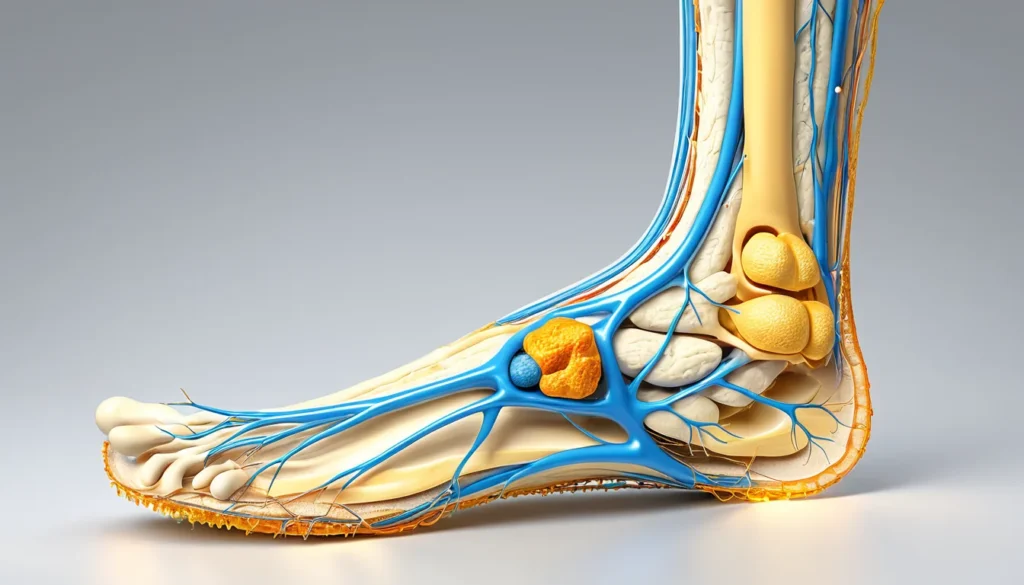
Diabetic neuropathy is a type of nerve damage caused by high blood sugar levels over time. It is one of the most common complications of diabetes, affecting people with both Type 1 and Type 2 diabetes. In Canada, millions of people live with diabetes, and many will develop some form of nerve damage if blood sugar stays poorly controlled. Understanding the types, symptoms, and risk factors can help you protect yourself and catch problems early.
What Is Diabetic Neuropathy?
Diabetic neuropathy happens when high blood sugar damages nerves throughout the body. Over months and years, glucose acts like a slow poison on nerve fibres. The longer blood sugar stays elevated, the greater the risk of damage.
There are several types of diabetic neuropathy, and each one affects a different part of the nervous system. Some people experience only mild discomfort. Others face serious complications such as foot ulcers or problems with digestion and heart rate. According to Mayo Clinic’s overview of diabetic neuropathy, up to half of all people with diabetes will develop some form of nerve damage.
The good news is that managing your blood sugar well can slow or even prevent diabetic neuropathy from getting worse.
Types of Diabetic Neuropathy
There are four main types of diabetic neuropathy. Each one affects the body differently. Knowing which type you may be dealing with helps your doctor choose the right treatment plan.
Peripheral Neuropathy
Peripheral neuropathy is the most common form of diabetic neuropathy. It affects the peripheral nervous system, which carries signals between your brain and the rest of your body. This type most often targets the feet, lower legs, hands, and arms.
Peripheral neuropathy tends to develop slowly over months or years. It can cause reduced sensitivity to pain, touch, heat, and vibration. As a result, small injuries such as blisters or cuts can go unnoticed and become serious infections. In severe cases, poor wound healing can lead to amputation. This risk increases significantly after 10 or more years of living with diabetes.
Autonomic Neuropathy
The autonomic nervous system controls the body’s automatic functions. These include heart rate, blood pressure, sweating, digestion, bladder control, and sexual function. When diabetes damages these nerves, it is called autonomic neuropathy.
This is also a common form of diabetic neuropathy. It can cause problems that affect daily life in many ways, from digestive discomfort to dizziness when standing up. Furthermore, some people lose the ability to sense when their blood sugar drops too low, which is a dangerous condition called hypoglycaemia unawareness.
Focal Neuropathy
Focal neuropathy affects a single nerve or a specific group of nerves. It most often strikes the wrist, thigh, or foot. It can also affect the nerves that control eye muscles, sometimes causing double vision.
This is the rarest form of diabetic neuropathy. However, it tends to come on suddenly and can cause sharp, intense pain. One well-known example is carpal tunnel syndrome, which involves compression of the median nerve in the wrist. The encouraging news is that focal neuropathy often improves on its own within six to eight weeks, provided the nerve is not being compressed.
Symptoms of Diabetic Neuropathy
Symptoms vary depending on the type of diabetic neuropathy. In the early stages, many people have no symptoms at all. This makes regular check-ups with your family doctor especially important if you have diabetes.
Peripheral Neuropathy Symptoms
Tingling, numbness, or a burning sensation in the feet, legs, or hands
Sharp, stabbing, or shooting pain, often worse at night
Reduced sensitivity to touch, heat, or cold
Muscle weakness or loss of balance and coordination
Bone or joint changes in the foot, such as Charcot foot, which causes deformity
Skin changes including cracks, sores, or excessive dryness
It is important to check your feet every day if you have diabetes. Look for any cuts, blisters, calluses, or ingrown toenails. Because sensation is often reduced, you may not feel a small wound until it has become infected.
Autonomic Neuropathy Symptoms
Bloating, burping, heartburn, nausea, vomiting, or diarrhoea
Feeling full very quickly after eating — this may indicate gastroparesis, a condition where the stomach empties too slowly
Heavy sweating on the face, neck, or torso, especially at night or after eating spicy foods or cheese
Reduced sweating in the feet and legs
Difficulty fully emptying the bladder
Sexual dysfunction, including erectile difficulties in men and vaginal dryness in women
Dizziness, weakness, or fainting when standing up quickly — known as orthostatic hypotension
Inability to recognise low blood sugar warning signs
Focal Neuropathy Symptoms
Sudden pain, weakness, or movement problems in one area such as the wrist, thigh, or foot
Pain around or behind one eye, difficulty moving the eye, or double vision
Gradual wrist and hand pain if the cause is carpal tunnel syndrome
Symptoms of focal neuropathy often appear quickly and without warning. However, they tend to improve over several weeks if the nerve is not under ongoing compression.
What Increases Your Risk?
Not everyone with diabetes will develop diabetic neuropathy. However, certain factors raise the risk significantly. Understanding these can help you and your healthcare team take action early.
Poor blood sugar control: High glucose over time is the leading cause of nerve damage.
Length of time with diabetes: The longer you have had diabetes, the greater your risk.
Kidney disease: Diabetes-related kidney damage increases toxins in the blood, which can worsen nerve damage.
Being overweight: Excess body weight adds stress on the body’s systems, including nerves.
Smoking: Smoking narrows blood vessels and reduces blood flow to nerves.
High blood pressure or high cholesterol: Both damage blood vessels that supply nerves with nutrients.
According to Health Canada’s information on diabetes management, working closely with your healthcare team to control blood sugar, blood pressure, and cholesterol is the best way to lower your risk of complications, including nerve damage.
How Is Diabetic Neuropathy Diagnosed?
Diagnosing diabetic neuropathy starts with a thorough physical examination. Your doctor will test your reflexes, muscle strength, and ability to feel touch, vibration, and temperature. These simple bedside tests can reveal nerve damage before symptoms become severe.
In some cases, your doctor may order nerve conduction studies. These tests measure how quickly electrical signals travel through your nerves. Blood tests may also be done to check your HbA1c levels, which reflect your average blood sugar over the past two to three months. A target of below 7% is generally recommended for most people with diabetes.
For autonomic neuropathy, additional tests may include bladder assessments, heart rate monitoring, and blood pressure checks while lying down and standing up. Early diagnosis allows for earlier treatment, which leads to better outcomes.
Treatment and Management of Diabetic Neuropathy
There is no cure for diabetic neuropathy, but treatment can slow its progression and manage symptoms effectively. The most important step is controlling your blood sugar. When glucose levels stabilise at a lower, healthier range, nerve damage often stops worsening. Some symptoms may temporarily increase when blood sugar first comes down, but they usually improve once levels remain stable.
Pain Management
Your doctor may prescribe medications to help with nerve pain. Common options include certain antidepressants, anti-seizure drugs, or topical creams containing capsaicin. Over-the-counter pain relievers are sometimes used for mild discomfort. Always check with your doctor or pharmacist before starting any new pain medication.
Foot Care
Foot care is critical for anyone with peripheral neuropathy. Inspect your feet daily and wear comfortable, well-fitting shoes. Avoid walking barefoot, even indoors. See a foot care specialist (podiatrist) regularly. Provincial health plans in Canada may cover some podiatry services, so check with your local health authority or family doctor about what is available to you.
Managing Autonomic Symptoms
Treatment depends on which body system is affected. For digestive issues like gastroparesis, eating smaller and more frequent meals can help. For dizziness when standing, rising slowly and staying well-hydrated makes a difference. For bladder problems, timed voiding strategies can improve control. Your family doctor can refer you to the right specialist for each concern.
For more detailed information on managing diabetes complications, Healthline’s guide to diabetes complications offers a helpful overview of treatment approaches.
When to See a Doctor
You should speak with your family doctor if you notice any numbness, tingling, burning, or pain in your feet or hands. Do not wait for symptoms to become severe. Early treatment leads to much better outcomes.
If you do not have a family doctor, a walk-in clinic can be a good starting point. Tell the clinic staff that you have diabetes and describe your symptoms clearly. They can arrange for initial testing and referrals if needed.
Seek emergency care right away if you experience sudden vision changes, severe dizziness, fainting, or a wound on your foot that is not healing. These may be signs of a serious complication that needs immediate attention.
Most provincial health plans cover diabetes-related care, including specialist referrals for neuropathy. Ask your doctor about your coverage and whether diabetes education programmes are available in your community. These programmes teach practical skills for managing blood sugar, foot care, and medication — all of which can slow the progress of diabetic neuropathy.
This article is for informational purposes only. Always consult your doctor or a qualified healthcare professional for personalised medical advice, diagnosis, or treatment.
Frequently Asked Questions About Diabetic Neuropathy
Can diabetic neuropathy be reversed?
Diabetic neuropathy cannot always be fully reversed, but it can often be slowed or stopped with good blood sugar control. In some cases, particularly in the early stages, improving glucose levels may allow some nerve function to return. Speak with your doctor about the best management plan for your situation.
What does diabetic neuropathy feel like?
Diabetic neuropathy often feels like tingling, burning, or numbness, most commonly in the feet and hands. Some people describe sharp, stabbing pain that worsens at night. Others may lose sensation entirely and not feel pain even when injured.
How is diabetic neuropathy diagnosed in Canada?
In Canada, diabetic neuropathy is usually diagnosed by a family doctor through a physical exam that tests reflexes, sensation, and muscle strength. Your doctor may also order an HbA1c blood test and nerve conduction studies if needed. Most of this testing is covered under provincial health plans.
What is the best treatment for diabetic nerve pain?
The most effective treatment for diabetic nerve pain starts with controlling blood sugar levels. Your doctor may also recommend prescription medications such as certain antidepressants or anti-seizure drugs that are proven to reduce nerve pain. Lifestyle changes including regular physical activity and a healthy diet also play an important role.
Does everyone with diabetes get diabetic neuropathy?
No, not everyone with diabetes will develop diabetic neuropathy. Your risk depends on how well your blood sugar is managed over time and how long you have had diabetes. Keeping blood sugar, blood pressure, and cholesterol within healthy ranges significantly lowers the risk of nerve damage.
Can diabetic neuropathy affect the heart?
Yes, autonomic neuropathy — a form of diabetic neuropathy — can affect the nerves that regulate heart rate and blood pressure. This may lead to an abnormally fast resting heart rate or a drop in blood pressure when standing up. If you notice heart palpitations or frequent dizziness, talk to your doctor right away.
Key Takeaways
Diabetic neuropathy is nerve damage caused by high blood sugar levels over time.
There are four main types: peripheral, autonomic, focal, and proximal neuropathy.
Peripheral neuropathy is the most common type and most often affects the feet and legs.
Early symptoms can be subtle — regular check-ups with your family doctor are essential.
Good blood sugar control is the most powerful tool to prevent and slow nerve damage.
Daily foot care, healthy eating, and staying active all make a real difference.
Canadian provincial health plans cover many diabetes-related services — ask your doctor what is available to you.
Always speak with a healthcare professional before making any changes to your treatment plan.