Diabetic neuropathy is one of the most serious complications of diabetes — and many Canadians living with it don’t even know they have it. High blood sugar damages the nerves over time, especially in the feet. In fact, more than 50% of people with diabetic neuropathy experience no obvious symptoms at first. This makes early detection and proper foot care absolutely essential for anyone managing diabetes in Canada.
What Is Diabetic Neuropathy?
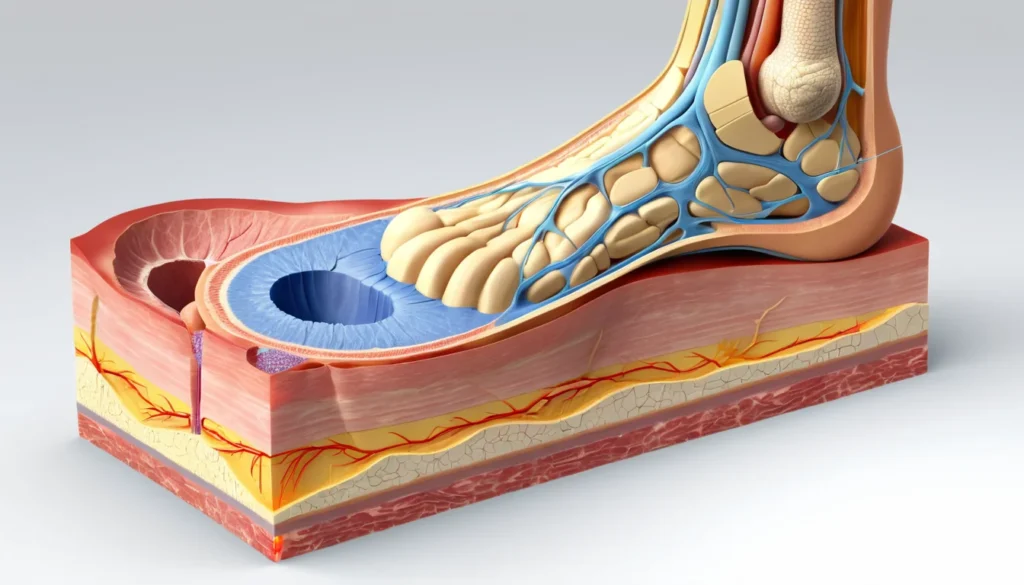
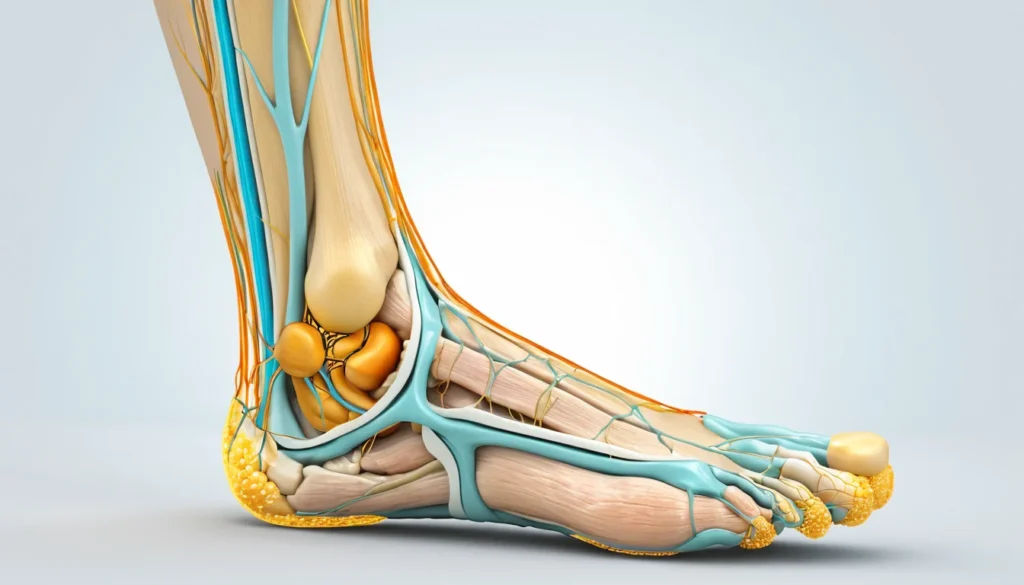
Diabetic neuropathy is nerve damage caused by prolonged high blood sugar levels. It most commonly affects the nerves in the feet and legs. However, it can also impact the hands, digestive system, heart, and other organs.
The nerve fibres gradually break down when blood sugar stays too high for too long. As a result, signals between the brain and the body become disrupted or lost entirely. This is why so many people feel unusual sensations — or sometimes nothing at all — in their feet.
According to the World Health Organization’s diabetes fact sheet, diabetes affects hundreds of millions of people worldwide, and nerve complications are among the leading causes of disability and limb loss.
Diabetic Neuropathy Symptoms to Watch For
Because symptoms can be subtle or absent in the early stages, many people with diabetic neuropathy miss the warning signs. Knowing what to look for gives you a better chance of catching it early.
The most common symptoms in the feet and legs include:
Tingling or a “pins and needles” feeling
Burning sensation in the feet
Sharp, stabbing pain
A feeling like mild electric shocks
Numbness or reduced sensitivity
These symptoms often feel worse during rest or just before bedtime. Many people first notice the sensations when they sit down to relax in the evening. Furthermore, the discomfort can disrupt sleep and affect daily quality of life.
Less Obvious Symptoms You Shouldn’t Ignore
Beyond pain and tingling, nerve damage can show up in other ways that are easy to overlook. For example, some people lose the ability to tell the difference between hot and cold water on their feet. This is a real safety concern — burns and injuries can happen without any warning pain.
Other less obvious signs include:
Reduced sensitivity to pressure — you may not notice if your shoes are too tight
Balance problems or an unsteady, swaying walk
Slow-healing cuts or sores on the feet
Skin that appears dry, cracked, or unusually smooth
These signs develop gradually, which makes them easy to dismiss. However, ignoring them can lead to serious complications down the road.
Why Early Detection of Diabetic Neuropathy Matters
When diabetic neuropathy goes undetected and untreated, the consequences can be severe. Without proper nerve function, small cuts or blisters on the feet may go unnoticed. These wounds can become infected quickly.
In the most serious cases, untreated infections can lead to tissue death and amputation. This is one of the leading reasons why people with diabetes undergo lower-limb amputations in Canada. The good news is that early diagnosis and proper management can dramatically reduce this risk.
In most cases, diabetic neuropathy is first identified around the time a person receives their diabetes diagnosis. Therefore, regular foot checks and medical monitoring should begin right away — not years later when damage has already set in.
The Mayo Clinic’s overview of diabetic neuropathy confirms that keeping blood sugar levels within a healthy range is the single most effective way to slow the progression of nerve damage.
Risk Factors That Make Diabetic Neuropathy More Likely
Diabetes itself is the primary cause of diabetic neuropathy. However, several additional risk factors can speed up nerve damage or make it more severe. Being aware of these factors helps you and your healthcare provider act faster.
Key risk factors include:
Poor blood sugar control — the longer blood sugar stays elevated, the greater the damage
Obesity — excess body weight increases inflammation and pressure on nerves
High blood pressure — damages blood vessels that supply the nerves
Smoking — reduces circulation and speeds up nerve deterioration
Alcohol use — alcohol is directly toxic to nerve fibres
Long duration of diabetes — the longer you have had diabetes, the higher the risk
If you have one or more of these risk factors alongside diabetes, talk to your family doctor about more frequent foot assessments. Many provincial health plans in Canada cover regular diabetes-related foot exams — ask your doctor or check with your provincial health authority.
How Diabetic Neuropathy Is Diagnosed
A proper diagnosis of diabetic neuropathy requires a thorough examination by a healthcare provider. Your doctor will ask about your symptoms and medical history. They will also perform physical tests to check sensation, reflexes, and blood flow in your feet and legs.
Common diagnostic methods include:
Monofilament test — a small fibre tool touches the skin to check sensitivity
Tuning fork test — checks your ability to feel vibration
Pin-prick test — assesses pain sensation
Nerve conduction studies — measures how well electrical signals move through the nerves
The Michigan Neuropathy Screening Tool
One widely used self-assessment tool is the Michigan Neuropathy Screening Instrument. It takes about two minutes to complete and includes 15 simple questions about symptoms experienced over the past two to three months.
This type of screening is a useful starting point for people who want to check their own symptoms at home. However, it is not a substitute for a professional medical diagnosis. Think of it as a helpful first step before speaking with your doctor.
Self-screening tools are especially useful for Canadians in rural or remote areas where access to specialists may be limited. If a screening suggests possible neuropathy, book an appointment with your family doctor or visit a walk-in clinic as soon as possible.
10 Golden Rules for Diabetic Foot Care
Proper foot care is one of the most important daily habits for anyone living with diabetes. Because diabetic neuropathy can reduce your ability to feel pain or injury, you need to be proactive. These ten rules can help you protect your feet and prevent serious complications.
Inspect your feet daily. Look for cuts, blisters, redness, swelling, or any skin changes. Use a mirror if needed to check the soles.
Wash your feet every day. Use lukewarm water — not hot — and dry them thoroughly, especially between the toes.
Moisturise your feet. Apply lotion to the tops and bottoms of your feet, but avoid putting it between the toes.
Trim your toenails carefully. Cut straight across and file edges gently. See a podiatrist if you have difficulty.
Wear properly fitting shoes. Avoid tight shoes or high heels. Look for footwear designed for people with diabetes.
Never walk barefoot. This applies indoors too. Even a small stone or uneven surface can cause an injury you may not feel.
Check inside your shoes before putting them on. Debris or rough seams can cause blisters without you noticing.
Manage your blood sugar. Keeping glucose levels stable slows nerve damage progression significantly.
Stay active. Gentle exercise like walking improves circulation to the feet. Ask your doctor what level of activity is right for you.
Quit smoking. Smoking reduces blood flow to the feet and speeds up nerve damage. Support programmes are available through provincial health services across Canada.
In addition to these daily habits, aim to have a professional foot examination at least once a year — or more often if your doctor recommends it. Many family doctors and diabetes education centres across Canada offer this service.
When to See a Doctor About Diabetic Neuropathy
If your feet are sending unusual signals — tingling, burning, numbness, or pain — do not wait to get them checked. These symptoms deserve prompt medical attention, especially if you have diabetes or are at risk for it.
You should contact your family doctor or visit a walk-in clinic if you notice:
Any new or worsening tingling, burning, or numbness in your feet or legs
A cut, sore, or blister that is not healing within a few days
Redness, warmth, or swelling in your foot without a clear cause
Increasing pain at night or during rest
Difficulty walking or loss of balance
In Canada, your family doctor is your best first point of contact. They can refer you to a specialist such as an endocrinologist, neurologist, or podiatrist if needed. If you do not have a family doctor, a walk-in clinic can assess your symptoms and provide a referral. Most provincial health plans cover diabetes-related consultations, so cost should not be a barrier.
Early treatment can slow or even stop the progression of diabetic neuropathy. Therefore, acting quickly on symptoms is one of the most powerful things you can do for your long-term health.
For a broader look at diabetes management, Health Canada’s diabetes resources offer reliable, Canadian-specific guidance on living well with diabetes.
Frequently Asked Questions About Diabetic Neuropathy
What are the first signs of diabetic neuropathy?
The first signs of diabetic neuropathy are often tingling, burning, or a “pins and needles” feeling in the feet. Some people also notice mild numbness or unusual sensitivity to touch. These symptoms tend to be worse at night or during periods of rest.
Can diabetic neuropathy be reversed?
Diabetic neuropathy cannot always be fully reversed, but its progression can be slowed significantly with good blood sugar management. In some early cases, improving glucose control has helped reduce symptoms noticeably. The key is catching and treating diabetic neuropathy as early as possible.
How is diabetic neuropathy treated in Canada?
Treatment for diabetic neuropathy in Canada typically starts with optimising blood sugar levels through medication, diet, and lifestyle changes. Doctors may also prescribe pain-relieving medications such as certain antidepressants or anticonvulsants to manage nerve pain. A referral to a neurologist or diabetes specialist is available through your family doctor or a walk-in clinic.
How common is diabetic neuropathy in people with diabetes?
Diabetic neuropathy is very common — it is estimated to affect up to 50% or more of people living with diabetes over their lifetime. Many of those affected have no noticeable symptoms in the early stages, which makes regular screening especially important. Canadians with diabetes should ask their doctor about annual foot and nerve assessments.
Does diabetic neuropathy always cause pain?
No — diabetic neuropathy does not always cause pain. In fact, many people experience numbness or loss of sensation rather than pain, which can be even more dangerous. Without pain signals, injuries and infections can go unnoticed and worsen rapidly.
What can I do at home to check for diabetic neuropathy symptoms?
At home, you can use validated self-screening tools such as the Michigan Neuropathy Screening Instrument to track your symptoms over time. Regularly inspecting your feet for cuts, colour changes, swelling, or unusual sensations is also important. However, any concerns should always be followed up with a visit to your family doctor or walk-in clinic for a proper assessment of diabetic neuropathy.
Key Takeaways
Diabetic neuropathy is nerve damage caused by high blood sugar and affects more than half of people with diabetes, often silently.
Common symptoms include tingling, burning, stabbing pain, numbness, and reduced sensitivity in the feet — especially at night.
Early detection is critical. Untreated neuropathy can lead to non-healing wounds, infection, and in serious cases, amputation.
Risk factors include obesity, high blood pressure, smoking, alcohol use, and poor blood sugar control.
Daily foot care — including inspection, proper footwear, and moisturising — is one of the most effective ways to prevent complications.
Canadians can access assessments through their family doctor, a walk-in clinic, or a diabetes education centre. Most provincial health plans cover diabetes-related foot care visits.
Always consult your doctor if you notice any new or worsening foot symptoms. Do not rely solely on self-screening tools for diagnosis.
This article is for general informational purposes only and does not replace professional medical advice. If you have concerns about diabetic neuropathy or any symptoms described here, please speak with your family doctor or a qualified healthcare provider.