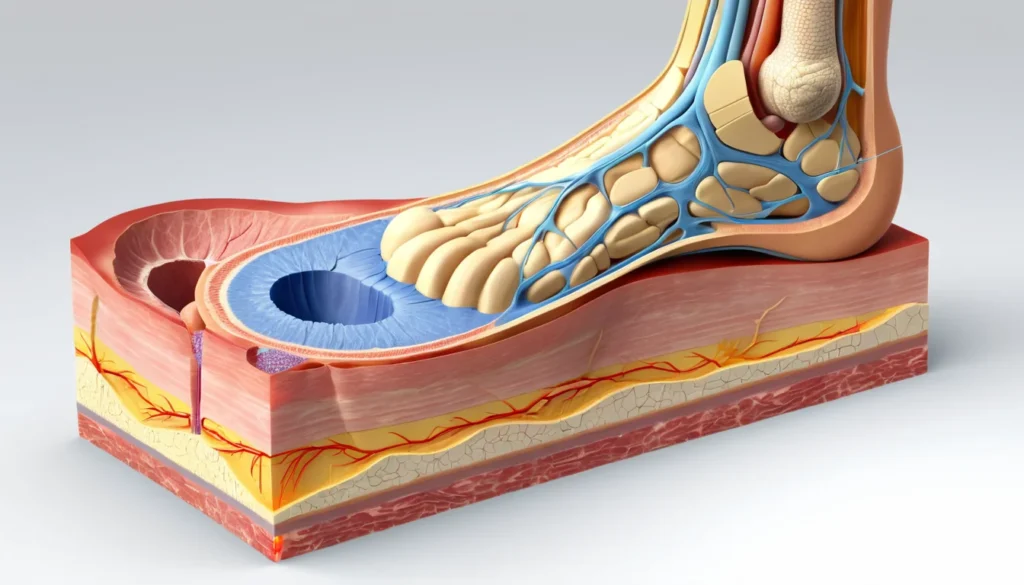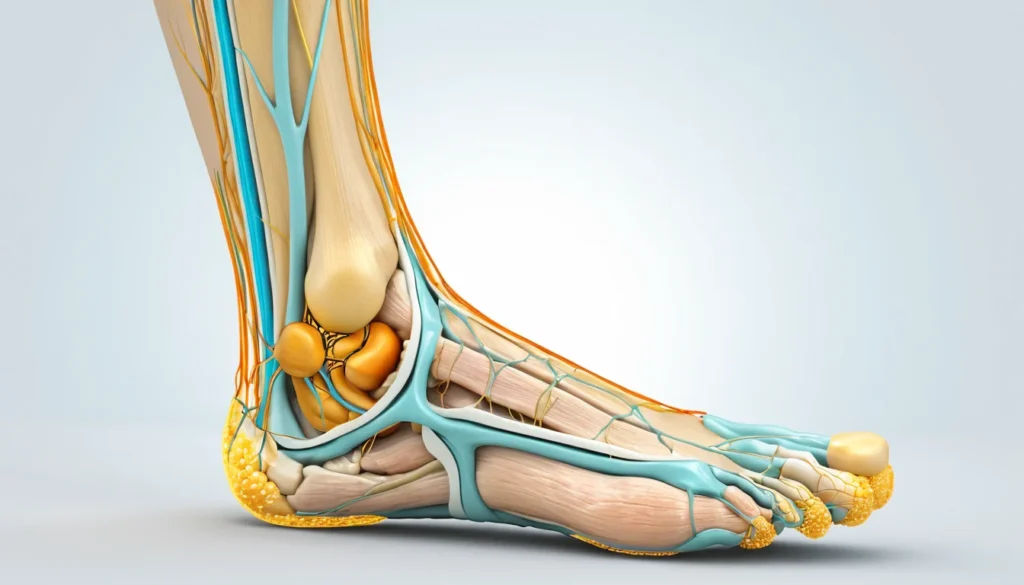
Diabetic neuropathy is the most common complication of diabetes, affecting roughly one in three people living with the condition. It causes nerve damage throughout the body, often without any obvious symptoms at first. An international panel of experts has now released a landmark consensus report outlining clear, practical steps for screening, diagnosing, and treating this condition. Understanding these recommendations can help Canadians with diabetes take better control of their health.
What Is Diabetic Neuropathy?
Diabetic neuropathy is nerve damage caused by prolonged high blood sugar levels. Over time, elevated glucose damages the small blood vessels that feed your nerves, causing them to break down. This can affect nerves in your feet, legs, hands, arms, and internal organs.
The condition is sometimes called a “silent” complication. According to the international consensus report, about 50% of people with diabetic neuropathy have no noticeable symptoms. However, the nerve damage is still happening beneath the surface, which is why regular screening is so important.
For more background on how diabetes affects the nervous system, visit Mayo Clinic’s overview of diabetic neuropathy.
Why Diabetic Neuropathy Is Often Missed
One of the biggest challenges with diabetic neuropathy is that it remains widely underdiagnosed and undertreated. Many Canadians living with diabetes may not know they have nerve damage until it becomes severe. By that point, complications like diabetic foot ulcers can already be developing.
Current guidelines have sometimes been inconsistent, leaving healthcare providers without a clear path forward. That is why 15 international experts from 11 countries came together in 2020 to create a unified consensus report. Their goal was to give doctors practical algorithms — step-by-step tools — for identifying and managing diabetic neuropathy in everyday clinical practice.
The result is the most thorough consensus document published to date on this subject. It was published in Diabetes Research and Clinical Practice, the official journal of the International Diabetes Federation (IDF).
How Diabetic Neuropathy Is Screened and Diagnosed
Early detection is essential. The consensus experts stress that both small nerve fibres and large nerve fibres must be tested to get a full picture of a patient’s nerve health. These two types of fibres serve different functions in the body.
Testing Large Nerve Fibres
Large nerve fibres control vibration and position sense. Experts recommend testing large nerve fibre function by evaluating a patient’s sensitivity to vibration. This is a straightforward, non-invasive test that a family doctor or diabetes care team can perform in a clinic setting.
Testing Small Nerve Fibres
Small nerve fibres are responsible for sensing pain and temperature. The consensus recommends testing small nerve fibre function by evaluating a patient’s response to pain sensations. This helps detect early nerve damage that might otherwise go unnoticed.
Importantly, any abnormal result on both sides of the body — known as a bilateral abnormality — is a strong indicator of diabetic neuropathy. In these cases, further diagnostic testing may be needed to confirm the diagnosis and assess its severity.
The Health Canada website offers additional resources on diabetes management and where to find care across Canadian provinces.
The Three Pillars of Diabetic Neuropathy Treatment
The international consensus identifies three core elements in managing diabetic neuropathy effectively. Together, these pillars address the root causes of nerve damage as well as the symptoms it produces. Treating only the pain, for example, is not enough — a holistic approach is essential.
1. Optimising Blood Sugar Control
The foundation of diabetic neuropathy management is good blood sugar control. For people with Type 1 diabetes, strong evidence shows that intensive insulin therapy can prevent neuropathy from developing or slow its progression. The landmark DCCT/EDIC study confirmed this finding.
For people with Type 2 diabetes, the picture is more complex. At this time, there is no definitive proof that tight blood sugar control alone can reverse neuropathy progression in Type 2 diabetes. However, maintaining optimal glucose levels remains the primary treatment goal for all people with diabetes, alongside lifestyle changes and managing cardiovascular risk factors such as blood pressure and cholesterol.
2. Pathogenesis-Targeted Drug Therapy
The second pillar focuses on treating the underlying disease process — not just the symptoms. This approach is called pathogenesis-targeted pharmacotherapy. It aims to slow or modify the harmful changes happening in the nerves themselves.
Two medications are currently available in several countries and have shown promising results in clinical trials:
Alpha-lipoic acid — a powerful antioxidant that has demonstrated improvement in diabetic neuropathy symptoms, with a favourable long-term safety profile.
Benfotiamine — a fat-soluble form of vitamin B1 (thiamine) that has also shown symptom improvement in clinical studies and a strong safety record.
Both treatments have been shown to improve symptoms while also influencing the progression of nerve damage. Speak with your family doctor or diabetes specialist to find out whether these options are appropriate and available for you in your province.
3. Symptomatic Pain Management
The third pillar addresses neuropathic pain directly. Diabetic nerve pain can significantly affect quality of life, making it difficult to sleep, walk, or carry out daily activities. Several medication options are available to manage this pain.
These include:
Antidepressants — certain types have been shown to reduce nerve pain, even in people who are not depressed.
Anticonvulsants — medications originally developed for epilepsy that also help calm overactive pain signals in damaged nerves.
Opioids — used carefully and as a last resort due to risks of dependence.
Capsaicin patches — applied directly to the skin to reduce localised nerve pain.
Combination therapy — in some cases, a combination of the above medications works better than any single drug.
In addition to medications, the consensus also acknowledges non-drug options. Although the evidence for these is limited, they may still be considered as part of a broader care plan. These include psychological support, physiotherapy, transcutaneous electrical nerve stimulation (TENS), and acupuncture.
For a deeper look at pain management options, Healthline’s guide to diabetic neuropathy offers a helpful overview written for general readers.
The Importance of a Holistic Approach
One of the most significant takeaways from the international consensus is its emphasis on a holistic treatment strategy. Simply managing pain is not enough. True management of diabetic neuropathy requires addressing blood sugar control, targeting the underlying nerve damage, and managing pain — all at the same time.
Furthermore, the psychosocial impact of living with chronic nerve pain should not be underestimated. Mental health support can play an important role in helping patients cope with the ongoing nature of diabetic neuropathy. Canadian provincial health plans may cover some of these services, so it is worth asking your healthcare provider what is available in your area.
This whole-person approach reflects a broader shift in diabetes care — one that recognises the condition as affecting not just blood sugar, but every aspect of a person’s wellbeing and daily life.
When to See a Doctor About Diabetic Neuropathy
If you have been diagnosed with diabetes — either Type 1 or Type 2 — you should be screened regularly for diabetic neuropathy, even if you feel completely fine. Because so many people have no symptoms in the early stages, waiting for pain or tingling to appear can mean the condition has already progressed significantly.
You should speak with your family doctor or visit a walk-in clinic if you notice any of the following:
Tingling, numbness, or burning sensations in your feet or hands
Sharp, shooting pain in your legs or feet
Sensitivity to touch — even light contact with bedsheets can feel painful
Weakness or loss of balance
Changes to your foot shape or skin, such as sores or calluses that do not heal
Digestive problems, dizziness when standing, or other unusual symptoms that seem unrelated to your blood sugar
Your family doctor can refer you to a diabetes specialist, neurologist, or foot care clinic depending on your needs. Many provincial health plans cover diabetes-related assessments, including nerve function testing. Ask your care team what screening is recommended for you based on how long you have had diabetes and your current health status.
Always consult your doctor before starting, stopping, or changing any treatment for diabetic neuropathy. Every person’s situation is different, and your care plan should be tailored to your specific needs and health history.
Frequently Asked Questions About Diabetic Neuropathy
What are the first signs of diabetic neuropathy?
The first signs of diabetic neuropathy often include tingling, numbness, or a burning feeling in the feet or hands. Some people notice increased sensitivity to touch or mild pain that worsens at night. However, about half of all people with diabetic neuropathy have no symptoms at all in the early stages, which is why regular screening is so important.
Can diabetic neuropathy be reversed?
In most cases, diabetic neuropathy cannot be fully reversed, but its progression can often be slowed with proper treatment. For people with Type 1 diabetes, intensive blood sugar control has been shown to prevent or slow nerve damage. Catching the condition early and managing it with a combination of blood sugar control, targeted medications, and pain management gives the best outcomes.
How is diabetic neuropathy diagnosed in Canada?
In Canada, diabetic neuropathy is typically diagnosed through a clinical examination performed by a family doctor or diabetes specialist. Tests may include vibration sensitivity testing, pain sensation testing, and reflexes. If more detail is needed, your doctor may refer you to a neurologist for advanced nerve function testing, which may be covered under your provincial health plan.
What medications are used to treat diabetic neuropathy pain?
Several medications can help manage the pain caused by diabetic neuropathy, including certain antidepressants, anticonvulsants, and topical capsaicin patches. In some cases, doctors may also consider opioids or combination therapy for more severe pain. Your doctor will recommend the most appropriate option based on your overall health, other medications you take, and how severe your symptoms are.
Does everyone with diabetes get neuropathy?
Not everyone with diabetes will develop diabetic neuropathy, but roughly one in three people with diabetes are affected. Your risk increases the longer you have had diabetes and the less controlled your blood sugar levels have been over time. Maintaining good glucose control, a healthy lifestyle, and regular check-ups with your healthcare team can significantly reduce your risk.
Is diabetic neuropathy covered under provincial health plans in Canada?
Many of the tests and treatments associated with diabetic neuropathy are covered under provincial health plans in Canada, including doctor visits, specialist referrals, and some medications. Coverage for specific drugs, foot care, and physiotherapy can vary by province. It is best to speak with your family doctor or contact your provincial health authority to find out exactly what is available to you.
Key Takeaways
Diabetic neuropathy affects approximately one in three people with diabetes and is the most common microvascular complication of the disease.
About half of all people with diabetic neuropathy have no symptoms, making regular screening essential — even when you feel well.
An international panel of experts has developed a clear, practical consensus for screening, diagnosing, and treating diabetic neuropathy.
Effective management involves three pillars: optimising blood sugar control, pathogenesis-targeted drug therapy, and symptomatic pain management.
Alpha-lipoic acid and benfotiamine are two medications that have shown positive results in clinical trials for treating the underlying nerve damage.
A holistic approach — addressing physical, emotional, and lifestyle factors — gives the best outcomes for people living with diabetic neuropathy.
If you have diabetes, speak with your family doctor or visit a walk-in clinic to discuss whether you are being screened regularly for nerve damage.
Always consult your doctor before making any changes to your diabetes treatment plan.