Diabetic neuropathy is one of the most common and serious complications of diabetes. It affects up to 50% of people living with diabetes in Canada. This condition damages nerves throughout your body and can lead to pain, numbness, digestive problems, vision loss, and even stroke. Understanding these neurological complications early can help you protect your health and quality of life.
What Is Diabetic Neuropathy?
Diabetic neuropathy is nerve damage caused by long-term high blood sugar. Over time, excess glucose in the blood injures nerve fibres, especially in the legs and feet. The damage builds up slowly, which means many people don’t notice symptoms until the condition is already advanced.
Symptoms of diabetic neuropathy often include tingling, numbness, burning pain, or weakness in the hands and feet. However, the symptoms can vary widely depending on which nerves are affected. Your family doctor can help determine whether nerve damage is present through simple physical tests.
Risk Factors for Diabetic Neuropathy
Several factors increase your risk of developing diabetic neuropathy. Poor blood sugar control is the biggest risk factor. The longer you have diabetes, the higher your risk becomes.
Other important risk factors include:
Smoking: Smoking reduces blood flow to the legs and worsens nerve damage.
Excessive alcohol use: Alcohol is toxic to nerve fibres and speeds up deterioration.
Genetics: Some people have a higher genetic tendency to develop nerve damage.
High blood pressure and high cholesterol: Both damage blood vessels that feed the nerves.
According to Health Canada, managing blood sugar, blood pressure, and cholesterol is essential for preventing diabetes-related complications, including nerve damage.
Types of Diabetic Neuropathy
Diabetic neuropathy is not just one condition. It comes in several forms, each affecting different parts of the nervous system. Knowing which type you have helps guide treatment.
Peripheral Neuropathy
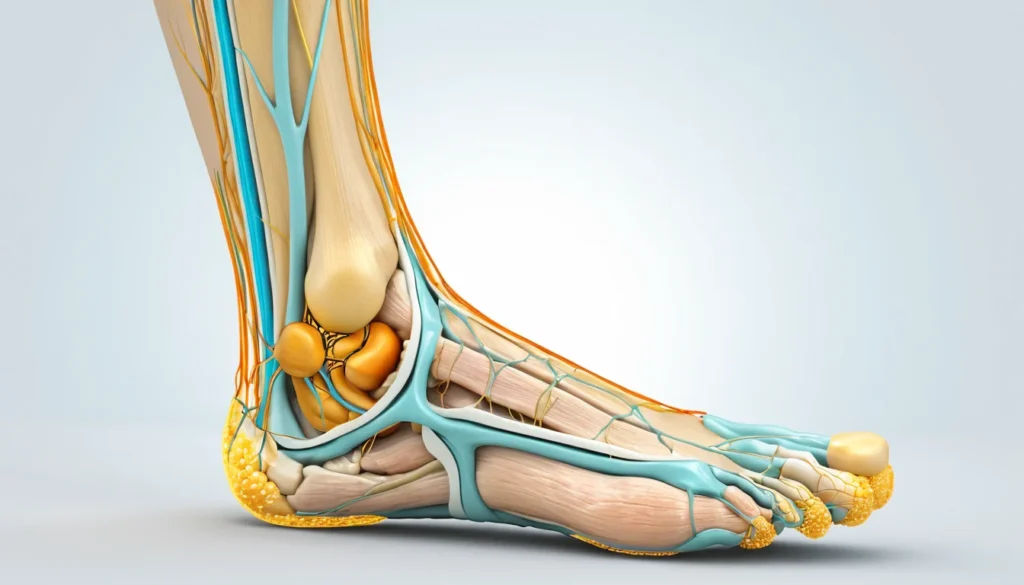
Peripheral neuropathy is the most common form of diabetic neuropathy. It affects the nerves in the feet, legs, hands, and arms. People often describe the sensation as pins and needles, electric shocks, or burning pain, especially at night.
In some cases, the nerves become so damaged that you lose feeling entirely. This is particularly dangerous because you may not notice cuts or sores on your feet. Left untreated, these injuries can become serious infections.
Autonomic Neuropathy
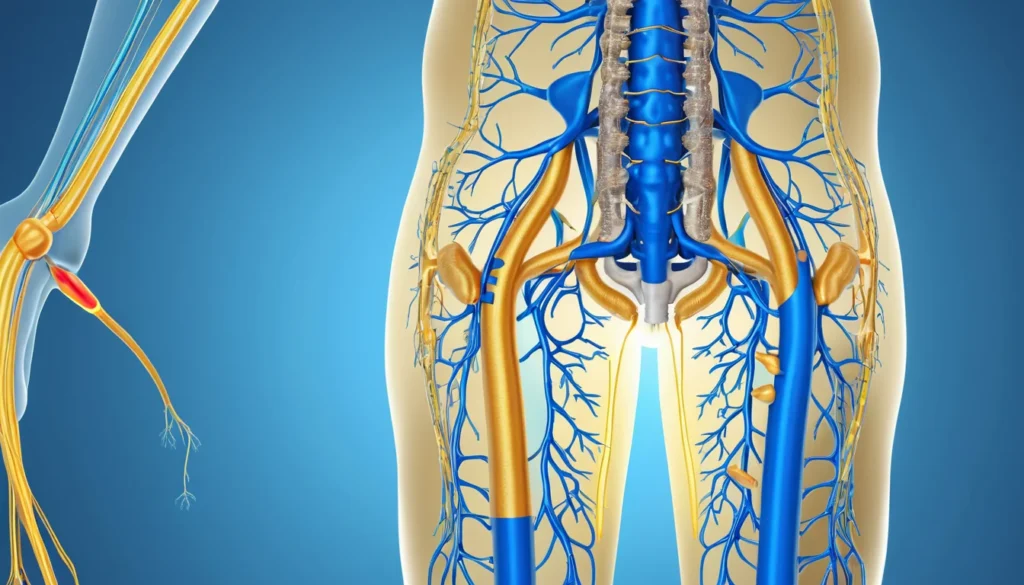
Autonomic neuropathy affects the nerves that control involuntary body functions. These include your heartbeat, digestion, blood pressure, bladder, and sweat glands. As a result, this type of neuropathy can cause a wide range of symptoms that may seem unrelated to diabetes.
Common symptoms of autonomic neuropathy include:
Nausea, bloating, or difficulty swallowing
Urinary incontinence or trouble emptying the bladder
Sexual dysfunction in both men and women
Dizziness when standing up (caused by a sudden drop in blood pressure)
Chronic fatigue
Treatment may include dietary changes, regular physical activity, and medications to help regulate blood pressure and digestion. Your family doctor or a specialist can develop a plan tailored to your symptoms.
Ischemic Optic Neuropathy
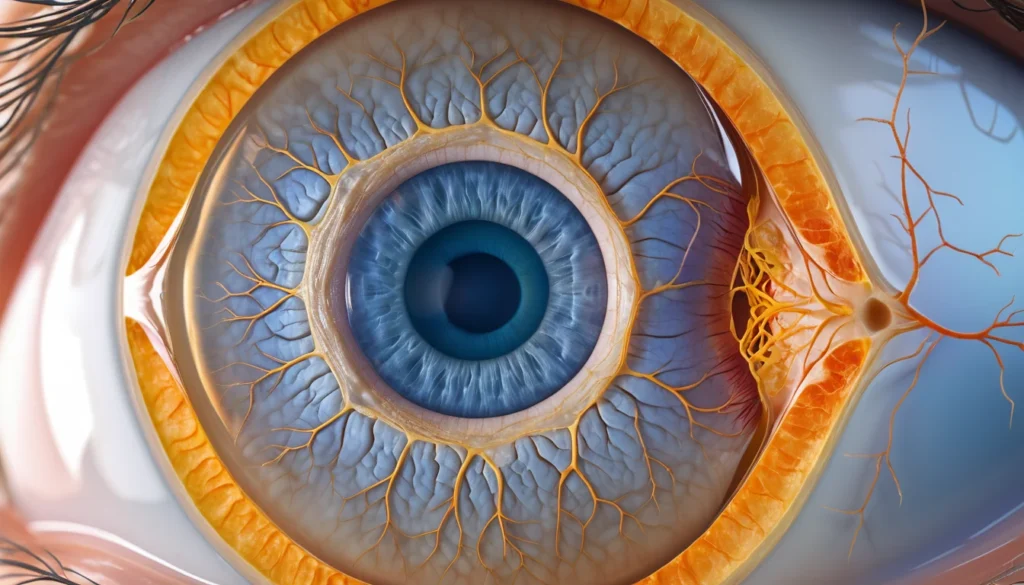
Diabetes can also damage the blood vessels that supply the optic nerve, which connects your eye to your brain. This condition is called ischemic optic neuropathy. It can cause sudden vision loss, eye pain, and difficulty distinguishing colours.
Treatment typically involves anti-inflammatory medications and blood thinners to improve blood flow. Early detection is critical. Regular eye exams are an important part of diabetes management in Canada and are often covered through provincial health plans.
Diabetic Foot: A Serious Complication
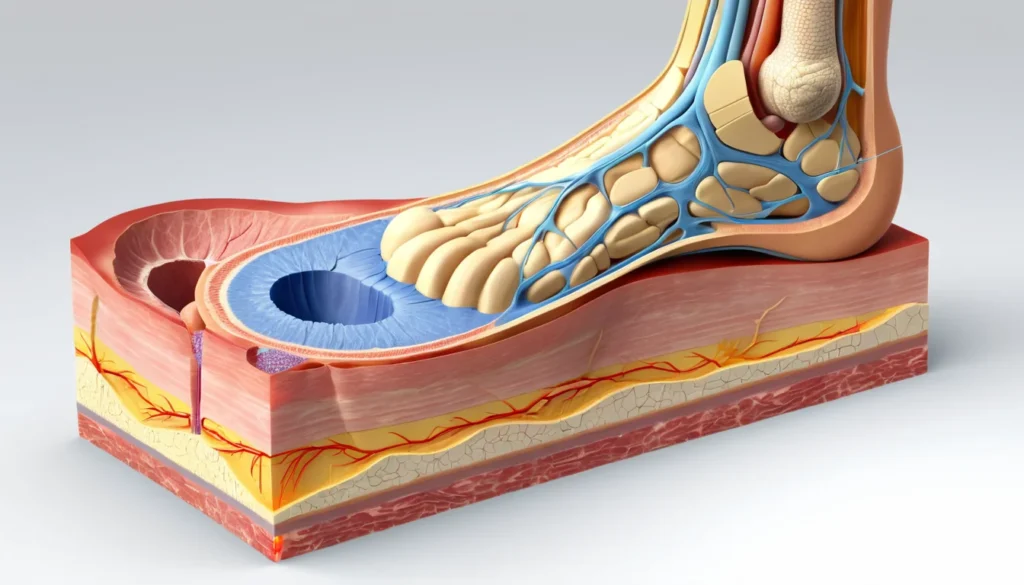
Diabetic foot syndrome is a direct result of diabetic neuropathy combined with poor circulation. When you lose feeling in your feet and blood flow is reduced, even a small cut or blister can turn into a major wound. These wounds heal slowly and are prone to infection.
In severe cases, infection can spread to the bone. This may lead to amputation of toes, the foot, or part of the leg. In Canada, diabetes is one of the leading causes of non-traumatic lower limb amputations.
How to Protect Your Feet
Fortunately, many diabetic foot complications are preventable with proper daily care. Here are key steps to protect your feet:
Check your feet every day for cuts, blisters, redness, or swelling.
Wash your feet with warm (not hot) water and dry them thoroughly.
Wear properly fitted shoes and clean, dry socks at all times.
Never walk barefoot, even indoors.
See a foot care specialist (podiatrist) regularly.
The Mayo Clinic’s guide to diabetic neuropathy offers additional advice on foot care and nerve damage prevention.
Diabetes and Stroke Risk
People with diabetes face a significantly higher risk of stroke compared to those without diabetes. High blood sugar damages blood vessel walls over time. This leads to inflammation and a condition called endothelial dysfunction, where the inner lining of blood vessels stops working properly.
Furthermore, diabetes is often accompanied by high blood pressure, high cholesterol, and obesity. All of these are major stroke risk factors on their own. Together, they create a dangerous combination.
How Diabetes Raises Stroke Risk
Diabetes promotes a condition called atherosclerosis, where fatty plaques build up inside artery walls. These plaques narrow or block blood vessels, cutting off blood flow to the brain. Diabetes also affects blood clotting, making dangerous clots more likely to form.
Other diabetes-related complications — including diabetic neuropathy, diabetic eye disease (retinopathy), and diabetic kidney disease — can further weaken the vascular system and raise stroke risk even more.
Stroke Symptoms to Know
Recognising stroke symptoms quickly can save your life. Use the acronym FAST to remember the warning signs:
F – Face drooping: Is one side of the face drooping or numb?
A – Arm weakness: Is one arm weak or numb?
S – Speech difficulty: Is speech slurred or hard to understand?
T – Time to call 9-1-1: Call immediately if you notice any of these signs.
People with diabetes who experience a stroke often face a harder recovery. They are at higher risk of bleeding in the brain if given clot-dissolving medication. Therefore, doctors must carefully weigh treatment options. Close monitoring in hospital is essential.
Preventing Stroke When You Have Diabetes
The good news is that stroke prevention is very achievable. Keeping your blood sugar within your target range is the single most important step. In addition, managing blood pressure and cholesterol, eating a healthy diet, staying physically active, and not smoking all significantly reduce your risk.
Work with your family doctor or diabetes care team to set clear targets for your blood sugar, blood pressure, and cholesterol levels. Many provincial health plans in Canada cover diabetes education programmes and dietitian consultations to help you reach these goals.
Other Neurological Complications of Diabetes
Beyond diabetic neuropathy and stroke, diabetes can affect the nervous system in other ways. Diabetic retinopathy damages the blood vessels in the eyes and is a leading cause of vision loss in Canadian adults. Diabetic kidney disease (nephropathy) affects kidney function and, in turn, can impact overall circulation and brain health.
All of these conditions are connected. Poor blood sugar control worsens each one. However, research consistently shows that tight glucose management can slow or even prevent many of these complications. As noted by the World Health Organization’s diabetes fact sheet, improving access to diabetes education and care is a global health priority.
When to See a Doctor
If you have diabetes and notice any of the following symptoms, contact your family doctor or visit a walk-in clinic as soon as possible. Do not wait for your next scheduled appointment.
Tingling, numbness, or burning in your feet or hands
A sore or wound on your foot that is not healing
Sudden vision changes or eye pain
Dizziness when standing, or fainting spells
Difficulty controlling your bladder or bowels
Any sudden weakness, facial drooping, or trouble speaking — call 9-1-1 immediately
Regular check-ups are essential for anyone living with diabetes. Your family doctor should check your feet, eyes, kidneys, and blood pressure at least once a year. Many of these screenings are covered under provincial health plans across Canada. Always speak with a qualified healthcare provider before making changes to your diabetes management plan.
Frequently Asked Questions
What are the first signs of diabetic neuropathy?
The first signs of diabetic neuropathy are often tingling, numbness, or a burning sensation in the toes and feet. Some people also notice that their feet feel unusually cold or that minor cuts take longer to heal. If you experience these symptoms and have diabetes, speak with your family doctor as soon as possible.
Can diabetic neuropathy be reversed?
In most cases, diabetic neuropathy cannot be fully reversed, but its progression can be slowed significantly with good blood sugar control. Some people experience an improvement in symptoms once their glucose levels are consistently managed. Early intervention gives you the best chance of preventing further nerve damage.
How does diabetes increase the risk of stroke?
Diabetes raises stroke risk by damaging blood vessel walls, promoting the build-up of fatty plaques (atherosclerosis), and increasing the likelihood of blood clots forming. High blood sugar also causes inflammation throughout the circulatory system. Managing blood sugar, blood pressure, and cholesterol together helps reduce this risk significantly.
Is diabetic foot preventable?
Yes, diabetic foot complications are largely preventable with proper daily foot care and regular check-ups. Inspecting your feet every day, wearing well-fitted footwear, and seeing a podiatrist regularly are all effective prevention strategies. Keeping your blood sugar under control also greatly reduces your risk of developing diabetic foot problems.
What is autonomic neuropathy in diabetes?
Autonomic neuropathy is a type of diabetic neuropathy that affects the nerves controlling involuntary body functions, such as digestion, heartbeat, blood pressure, and bladder control. It can cause symptoms like nausea, dizziness, urinary problems, and sexual dysfunction. Treatment is tailored to the specific symptoms and often involves dietary changes, exercise, and medication.
How is diabetic neuropathy diagnosed in Canada?
Diabetic neuropathy is typically diagnosed by a family doctor or neurologist through a combination of physical examinations, nerve conduction studies, and blood tests. Your doctor may test reflexes, sensitivity to touch, and your ability to feel vibration in your feet. These tests are generally available through referrals within the Canadian public healthcare system.
Key Takeaways
Diabetic neuropathy affects up to 50% of people with diabetes and can damage nerves throughout the body.
The main types include peripheral neuropathy (feet and hands), autonomic neuropathy (heart, digestion, bladder), and ischemic optic neuropathy (vision).
Diabetic foot is a serious complication that can lead to amputation if not caught and treated early.
People with diabetes have a significantly higher risk of stroke due to blood vessel damage and increased clotting.
Good blood sugar control, regular physical activity, a healthy diet, and not smoking are the most powerful tools for preventing neurological complications.
Regular check-ups with your family doctor, including annual eye and foot exams, are essential — and are often covered by your provincial health plan.
Always consult a healthcare professional before making any changes to your diabetes management plan.