Diabetic nephropathy is a serious kidney condition caused by long-term diabetes. It develops slowly over many years and can eventually lead to kidney failure if left unmanaged. The good news is that early detection, blood sugar control, and the right treatment can slow — and sometimes even reverse — kidney damage. This article explains what diabetic nephropathy is, how it is diagnosed, and what Canadians with diabetes can do to protect their kidneys.
What Is Diabetic Nephropathy?
Diabetic nephropathy is one of the most common long-term complications of both Type 1 and Type 2 diabetes. Chronically high blood sugar damages the small blood vessels in the kidneys. Over time, this stops the kidneys from filtering waste properly.
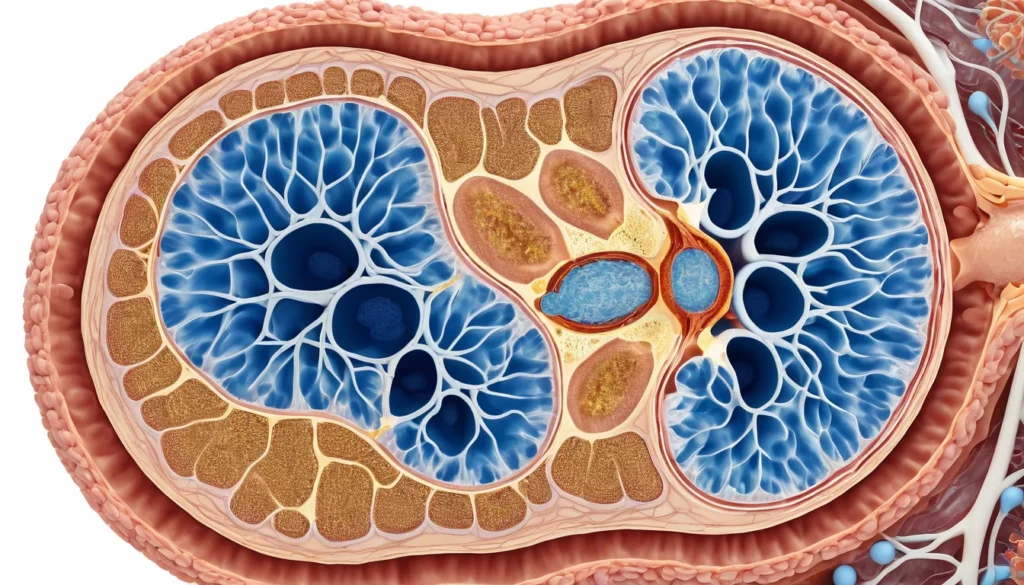
Each kidney contains tiny filtering units called nephrons. When blood sugar stays high for too long, these units become damaged. As a result, proteins — which should stay in the blood — begin to leak into the urine. This leakage is one of the earliest warning signs of kidney damage.
According to Health Canada, diabetes is one of the leading causes of kidney failure in the country. Protecting your kidneys starts with managing your diabetes well.
Causes and Risk Factors
The main cause of diabetic nephropathy is long-term high blood sugar, also called chronic hyperglycaemia. This damages the blood vessels inside the kidneys over many years.
High blood pressure is another major risk factor. It puts extra strain on the kidneys and speeds up damage. In fact, nearly one-third of people with Type 2 diabetes already have high blood pressure when they are first diagnosed.
Other risk factors include:
Poor blood sugar control over many years
High cholesterol and triglyceride levels
Smoking
A family history of kidney disease
Being overweight or obese
Therefore, managing all of these factors together — not just blood sugar — is key to preventing kidney complications.
Symptoms of Diabetic Nephropathy
In the early stages, diabetic nephropathy often causes no symptoms at all. This is why regular testing is so important. By the time symptoms appear, kidney damage may already be significant.
Early Signs
The earliest sign is a small amount of protein in the urine, called microalbuminuria. This is usually only picked up through a urine test. Most people feel completely normal at this stage.
Later Symptoms
As diabetic nephropathy progresses, symptoms become more noticeable. These can include:
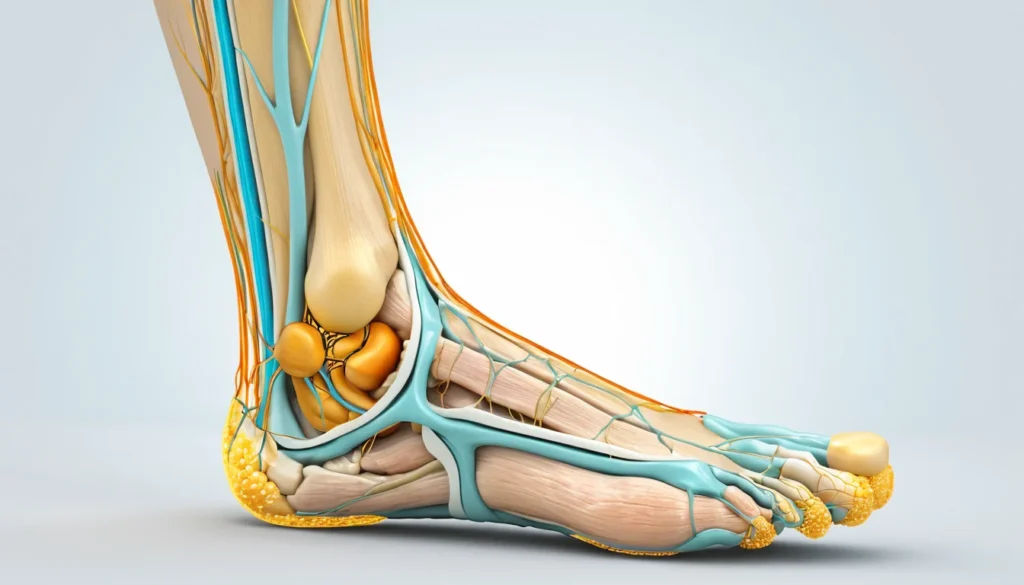
Swelling (oedema) — starting in the feet and ankles, then spreading to the rest of the body
High blood pressure — which often worsens as kidney function declines
Large amounts of protein in the urine — this is called macroalbuminuria and is a clear sign of kidney disease
High cholesterol and triglycerides — the kidneys play a role in managing these levels
Unexplained drops in blood sugar — because damaged kidneys process insulin and diabetes medications differently
Other symptoms may develop as the condition worsens, including fatigue, nausea, and difficulty concentrating. For a broader overview of how diabetes affects the body, visit the Mayo Clinic’s guide to diabetic nephropathy.
How Is Diabetic Nephropathy Diagnosed?
Your family doctor will use urine and blood tests to check for kidney damage. Testing is recommended on a set schedule, depending on your type of diabetes.
Urine Tests for Protein
The most important test checks for protein (albumin) in the urine. Healthy kidneys keep protein in the blood. Damaged kidneys let it spill into the urine.
A microalbuminuria test can find very small amounts of protein that a standard dipstick urine test might miss. The dipstick strip changes colour based on how much protein is present. A more precise laboratory test can measure the exact amount of protein.
To confirm a diagnosis, two positive tests are needed within a 3 to 6 month period. This helps rule out temporary causes, such as a urinary tract infection.
When Should Testing Begin?
Testing schedules in Canada generally follow these guidelines:
Type 1 diabetes: Start urine protein testing 5 years after diagnosis, then annually
Type 2 diabetes: Test at the time of diagnosis, then annually
Diabetes diagnosed in childhood: Begin testing at puberty
Blood Pressure and Cholesterol Monitoring
Your doctor will also monitor your blood pressure regularly. Blood pressure tends to rise as kidney damage progresses. Keeping blood pressure below 130/80 mmHg is generally the recommended target.
Cholesterol and triglyceride levels should also be checked regularly. High cholesterol increases the risk of atherosclerosis — a hardening and narrowing of the arteries. This raises your risk of heart attack, stroke, and peripheral artery disease.
Kidney Biopsy
In some cases, your doctor may recommend a kidney biopsy. This involves removing a tiny piece of kidney tissue for examination under a microscope. However, this is usually only done when another cause of kidney disease is suspected.
Treatment Options for Diabetic Nephropathy
There is no cure for diabetic nephropathy, but treatment can slow its progression significantly. The main goals are to control blood sugar, lower blood pressure, and protect the kidneys from further damage.
Blood Pressure Medications
Two types of blood pressure medication are especially useful for kidney protection in diabetes.
ACE inhibitors — such as ramipril, lisinopril, captopril, and enalapril — are often the first choice. Research has shown that ACE inhibitors protect kidney function in people with Type 1 diabetes, even those with normal blood pressure. Studies also show that ramipril can reduce the risk of cardiovascular disease in people with diabetes by 25 to 30 per cent.
Angiotensin II receptor blockers (ARBs) — such as candesartan, irbesartan, losartan, and telmisartan — are another option. They work in a similar way and are often used when ACE inhibitors cause side effects.
If blood pressure remains high, your doctor may add a second or third medication. Medications are added one at a time until blood pressure reaches a safe level.
Blood Sugar Control
Keeping blood sugar within your target range is essential. High blood sugar is what drives kidney damage in the first place. Work with your family doctor or diabetes care team to find the right medications and lifestyle changes for your situation.
Diet and Lifestyle Changes
A healthy diet plays a big role in managing diabetic nephropathy. Key recommendations include:
Reduce salt intake — this helps lower blood pressure
Limit protein — most specialists recommend protein makes up no more than 10 per cent of your daily calories
Eat a low-fat diet — this helps protect your heart and blood vessels
Stay physically active — regular movement helps control blood sugar and blood pressure
Quit smoking — smoking speeds up kidney damage and increases cardiovascular risk
People with diabetes are 2 to 4 times more likely to die from heart disease than people without diabetes. Therefore, a heart-healthy diet also protects your kidneys. Healthline’s overview of diabetic kidney disease offers additional practical tips on diet and lifestyle.
Can Kidney Damage Be Reversed?
In the early stages, yes — small amounts of protein in the urine can sometimes be reduced or eliminated with treatment. However, once significant kidney damage has occurred, the focus shifts to slowing further decline rather than reversal. This is why early detection matters so much.
When to See a Doctor
If you have diabetes, you should be seeing your family doctor regularly for routine kidney checks. Do not wait for symptoms to appear — by then, damage may already be advanced.
Visit your family doctor or a walk-in clinic if you notice swelling in your feet or ankles, unexpected changes in how often you urinate, or persistent fatigue. These could be signs that your kidneys need attention.
If you do not yet have a family doctor, a walk-in clinic can arrange initial urine and blood tests and refer you to a specialist if needed. Provincial health plans across Canada cover these routine diabetes screening tests, so cost should not be a barrier to getting checked.
Always speak with your doctor before making changes to your medications or diet. This article is for general information only and is not a substitute for personalised medical advice.
Frequently Asked Questions About Diabetic Nephropathy
What is diabetic nephropathy and how does it develop?
Diabetic nephropathy is kidney disease caused by long-term diabetes. Chronically high blood sugar damages the tiny blood vessels inside the kidneys, slowly reducing their ability to filter waste. It typically develops over many years and may show no symptoms in the early stages.
Can diabetic nephropathy be reversed?
In the very early stages, diabetic nephropathy may be partially reversed with good blood sugar and blood pressure control. However, more advanced kidney damage cannot be undone — only slowed. Early diagnosis gives you the best chance of preserving your kidney function.
What are the first signs of diabetic kidney disease?
The first sign of diabetic nephropathy is usually a small amount of protein in the urine, called microalbuminuria. This is detected through a urine test and has no noticeable symptoms. Later signs include swelling in the feet, rising blood pressure, and larger amounts of protein in the urine.
How often should I be tested for kidney disease if I have diabetes?
If you have Type 2 diabetes, your urine should be tested for protein at diagnosis and then every year after that. If you have Type 1 diabetes, annual testing typically starts five years after your diagnosis. Your family doctor will guide you on the right schedule for your situation.
What medications are used to treat diabetic nephropathy?
ACE inhibitors — such as ramipril and lisinopril — and angiotensin II receptor blockers (ARBs) are the main medications used to treat diabetic nephropathy. They lower blood pressure and help protect the kidneys from further damage. Your doctor may also adjust your diabetes medications to help keep your blood sugar in a safe range.
Does diabetic nephropathy always lead to kidney failure?
Not necessarily. With early detection and proper management, many people with diabetic nephropathy are able to slow or halt the progression of kidney damage. Controlling blood sugar, blood pressure, and cholesterol — along with healthy lifestyle changes — can make a significant difference in long-term outcomes.
Key Takeaways
Diabetic nephropathy is a long-term kidney complication caused by poorly controlled diabetes.
It often has no symptoms in its early stages, making regular urine and blood tests essential.
The earliest sign is protein in the urine — detected through a simple urine test at your family doctor’s office.
Controlling blood sugar and blood pressure are the two most important steps to slow kidney damage.
ACE inhibitors and ARBs are the most commonly prescribed medications for protecting the kidneys.
A low-salt, low-fat, moderate-protein diet supports both kidney and heart health.
Canadians with diabetes are entitled to routine kidney screening through their provincial health plan — talk to your family doctor or visit a walk-in clinic to make sure you are up to date.
Always consult your doctor before changing your diet, lifestyle, or medications.