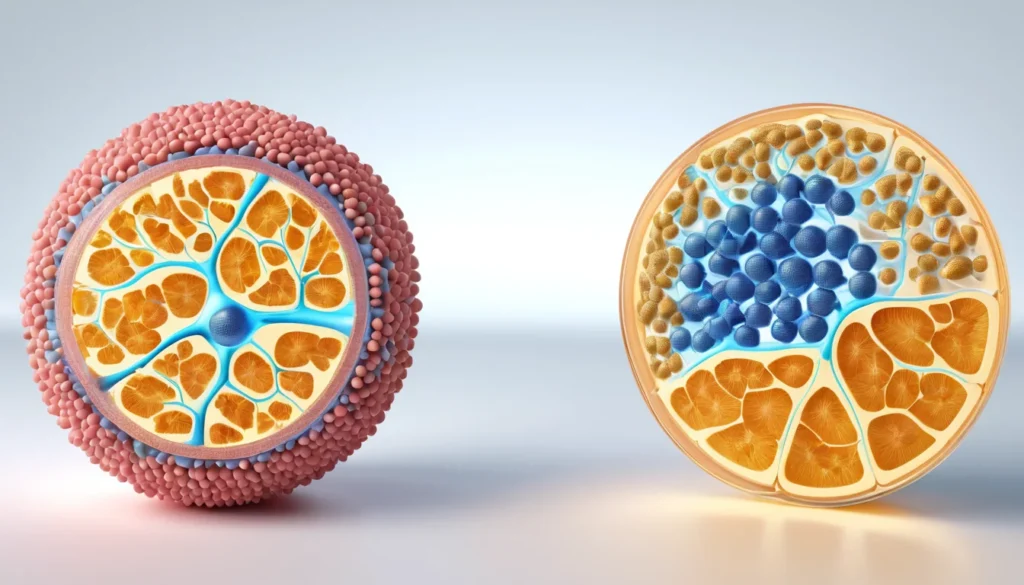
Diabetes is one of the most common chronic health conditions in Canada, affecting millions of people across every province. It is a metabolic disorder — meaning it affects how your body turns food into energy. Understanding diabetes, its types, and its symptoms can help you take action early and work with your family doctor to protect your health.
What Is Diabetes?
Most of the food we eat is broken down into glucose — the form of sugar that travels in your bloodstream. Glucose is your body’s main source of fuel. However, glucose cannot enter your cells on its own.
Your body needs insulin to move glucose from your blood into your cells. Insulin is a hormone made by the pancreas, a large gland sitting behind your stomach. When you eat, your pancreas automatically releases the right amount of insulin to do this job.
In people with diabetes, something goes wrong with this process. Either the pancreas produces too little insulin — or none at all — or the body’s cells stop responding to insulin properly. As a result, glucose builds up in the bloodstream instead of fuelling your cells. Even though your blood contains plenty of sugar, your body is essentially running on empty.
You can learn more about how the body regulates blood sugar from the World Health Organization’s diabetes fact sheet.
The Three Main Types of Diabetes
There are three main types of diabetes: Type 1, Type 2, and gestational diabetes. Each type works differently and affects different groups of people. However, all three share the same core problem — the body cannot manage blood sugar properly.
Type 1 Diabetes
Type 1 diabetes is an autoimmune disease. This means the body’s immune system — which normally fights infections — mistakenly attacks and destroys the insulin-producing beta cells in the pancreas. As a result, the pancreas produces little or no insulin.
People with Type 1 diabetes must take insulin every day to survive. Without it, they cannot process glucose at all. Scientists believe a combination of genetic, autoimmune, and environmental factors — possibly including certain viruses — may trigger this condition.
Type 1 diabetes accounts for about 5 to 10% of all diabetes cases. It most often develops in children and young adults, but it can appear at any age. Importantly, the destruction of beta cells may begin years before any symptoms show up.
Symptoms of Type 1 diabetes often appear suddenly and may include:
Extreme thirst and frequent urination
Constant hunger
Unexplained weight loss
Blurred vision
Extreme fatigue
If Type 1 diabetes is not diagnosed and treated quickly, it can lead to a life-threatening condition called diabetic ketoacidosis (DKA). This is a medical emergency. If you or someone you know shows these symptoms, contact a healthcare provider or go to your nearest emergency department right away.
Type 2 Diabetes
Type 2 diabetes is by far the most common form, making up 90 to 95% of all diabetes cases in Canada. Unlike Type 1, it develops more gradually. The pancreas still produces insulin at first, but the body’s cells stop using it effectively. This is called insulin resistance.
Over time, the pancreas struggles to keep up and produces less insulin. The result is the same — blood sugar levels rise and the body cannot use glucose properly.
Several factors increase the risk of developing Type 2 diabetes, including:
Older age
Obesity or being overweight (about 80% of people with Type 2 diabetes carry excess weight)
A family history of diabetes
Physical inactivity
A personal history of gestational diabetes
Certain ethnic backgrounds
Worryingly, Type 2 diabetes is now being diagnosed more frequently in children and teenagers. This trend is closely linked to rising rates of obesity and sedentary lifestyles among young Canadians.
Symptoms of Type 2 diabetes develop slowly and may be easy to miss. They can include:
Fatigue or nausea
Frequent urination
Unusual thirst
Unexplained weight loss
Blurred vision
Frequent infections
Slow-healing cuts or wounds
Some people with Type 2 diabetes have no symptoms at all. This is why routine blood sugar screening through your provincial health plan is so important — especially if you have risk factors.
For a comprehensive overview, visit the Mayo Clinic’s guide to diabetes symptoms and causes.
Gestational Diabetes
Gestational diabetes develops during pregnancy. Like Type 2 diabetes, it involves insulin resistance — the body cannot use insulin efficiently enough to meet the increased demands of pregnancy.
It is more common in women with a family history of diabetes and in certain ethnic groups. Gestational diabetes usually resolves after the baby is born. However, it is a serious warning sign for the future.
Women who have had gestational diabetes carry a 20 to 50% higher risk of developing Type 2 diabetes within 5 to 10 years. Regular follow-up testing after pregnancy is strongly recommended. Speak with your family doctor or midwife about monitoring your blood sugar after delivery.
How Is Diabetes Diagnosed?
Diabetes is diagnosed through blood tests that measure the level of glucose in your blood. These tests are widely available through your family doctor, a walk-in clinic, or a lab covered by your provincial health plan.
The standard diagnostic test is the fasting plasma glucose test. You fast for at least 8 hours (usually overnight), and a blood sample is taken in the morning. The result is called your blood glucose level or glycemia.
A diagnosis of diabetes can be confirmed if you test positive on any one of the following tests, with a second positive result on a separate day:
A blood glucose level of 11.1 mmol/L (200 mg/dL) or higher at any time of day, along with symptoms of diabetes
A fasting blood glucose level of 7.0 mmol/L (126 mg/dL) or higher after 8 hours without eating
A blood glucose level of 11.1 mmol/L (200 mg/dL) or higher two hours after drinking a glucose solution during an oral glucose tolerance test (OGTT)
The oral glucose tolerance test is done in a lab or medical office. You drink a measured glucose solution, and blood is drawn at set intervals over two to three hours. This test gives a detailed picture of how your body handles sugar.
Diagnosing Gestational Diabetes
Gestational diabetes is also diagnosed using the oral glucose tolerance test. However, the threshold values are lower during pregnancy. This is because blood sugar levels are naturally somewhat lower when you are pregnant.
In Canada, screening for gestational diabetes is typically offered between 24 and 28 weeks of pregnancy. Your midwife or obstetrician will advise you on the right timing and process for your situation.
Managing Diabetes in Canada
There is no cure for Type 1 or Type 2 diabetes, but both can be effectively managed. Good management helps you live a full, healthy life and reduces the risk of serious complications like heart disease, kidney damage, and vision loss.
For Type 1 diabetes, daily insulin therapy is essential. This may involve multiple daily injections or an insulin pump. Your care team at a diabetes centre will help you find the right approach.
For Type 2 diabetes, management often starts with lifestyle changes. A healthy diet rich in fibre, regular physical activity, and weight management can make a significant difference. Many people also take oral medications or insulin to help control their blood sugar.
Gestational diabetes is usually managed through diet and exercise. Some women may also need insulin during pregnancy. After delivery, blood sugar levels are monitored closely.
Across Canada, provincial health plans cover many diabetes-related services and medications. Ask your family doctor or pharmacist what supports are available in your province.
For additional guidance on living with diabetes, Health Canada’s diabetes resources offer practical, Canadian-focused information.
When to See a Doctor
If you notice any symptoms of diabetes — such as unusual thirst, frequent urination, unexplained weight loss, or extreme fatigue — do not wait. See your family doctor as soon as possible. If you do not have a family doctor, a walk-in clinic can order initial blood tests.
Early diagnosis makes a real difference. Catching diabetes early means you can start managing it before complications develop. Your doctor can also check whether you are at risk for diabetes through routine screening — this is especially important if you are over 40, overweight, or have a family history of the condition.
Always consult a qualified healthcare provider for a proper diagnosis and a treatment plan that is right for you. This article is for general information only and is not a substitute for professional medical advice.
Frequently Asked Questions About Diabetes
What is the main difference between Type 1 and Type 2 diabetes?
Type 1 diabetes is an autoimmune condition where the body produces little or no insulin. Type 2 diabetes occurs when the body produces insulin but cannot use it effectively. Both types result in high blood sugar, but they have different causes and require different treatments.
Can diabetes be cured?
Currently, there is no cure for Type 1 or Type 2 diabetes. However, diabetes can be effectively managed with medication, lifestyle changes, and regular monitoring. Some people with Type 2 diabetes are able to achieve normal blood sugar levels through significant weight loss and dietary changes, though this is not the same as a cure.
What are the early warning signs of diabetes?
Early signs of diabetes include increased thirst, frequent urination, unexplained weight loss, blurred vision, and extreme fatigue. Some people — especially those with Type 2 diabetes — may have no symptoms at all. Regular check-ups with your family doctor are the best way to catch diabetes early.
Is gestational diabetes dangerous for my baby?
Gestational diabetes can pose risks to both mother and baby if it is not managed properly. These risks include a larger-than-normal baby, premature birth, and a higher chance of the baby developing low blood sugar after birth. With proper monitoring and treatment, most women with gestational diabetes have healthy pregnancies and babies.
How is diabetes tested in Canada?
Diabetes is diagnosed through blood tests, most commonly the fasting plasma glucose test or the oral glucose tolerance test. These tests are available through your family doctor, a walk-in clinic, or a medical lab, and are typically covered by your provincial health plan. Your doctor will advise which test is right for your situation.
Who is most at risk for developing Type 2 diabetes?
People at higher risk for Type 2 diabetes include those who are overweight, physically inactive, over the age of 40, or have a family history of diabetes. Certain ethnic groups — including Indigenous, South Asian, and Black Canadians — also face a higher risk. Talking to your doctor about your personal risk factors is an important first step.
Key Takeaways
Diabetes is a condition where the body cannot properly regulate blood sugar due to problems with insulin production or use.
There are three main types: Type 1 (autoimmune, requires daily insulin), Type 2 (most common, linked to lifestyle and genetics), and gestational diabetes (occurs during pregnancy).
Common symptoms include excessive thirst, frequent urination, fatigue, and blurred vision — but some people have no symptoms at all.
Diabetes is diagnosed with a simple blood test available through your family doctor or walk-in clinic, covered by most provincial health plans.
Both Type 1 and Type 2 diabetes can be effectively managed with the right combination of medication, diet, physical activity, and regular monitoring.
Women who have had gestational diabetes should be screened regularly for Type 2 diabetes in the years following pregnancy.
If you have any concerns about your blood sugar or diabetes risk, speak with your family doctor as soon as possible.