Recognizing diabetes symptoms in children early can make a real difference in your child’s health. Both Type 1 and Type 2 diabetes are rising among Canadian kids, and the early signs are easy to miss. This article walks you through 10 warning signs every parent should know, along with what causes each type of diabetes and when to talk to your family doctor or visit a walk-in clinic.
What Is Diabetes in Children?
Diabetes is a condition where the body cannot properly manage blood sugar, also called glucose. Glucose gives our cells energy, but it needs insulin — a hormone made by the pancreas — to get into those cells.
When insulin is missing or not working properly, glucose builds up in the bloodstream. Over time, high blood sugar can damage nerves, blood vessels, and organs. In children, this can happen quickly or slowly depending on the type of diabetes involved.
According to Health Canada, diabetes is one of the most common chronic conditions affecting Canadians, and rates among children and teens continue to rise. Understanding both types is the first step to protecting your child.
Type 1 vs. Type 2 Diabetes in Kids
Type 1 Diabetes
Type 1 diabetes is an autoimmune disorder. The immune system mistakenly attacks the cells in the pancreas that make insulin. As a result, the body stops producing insulin almost entirely.
Without insulin, glucose cannot enter the body’s cells. It stays in the blood instead, which can quickly become dangerous. Type 1 diabetes is more common in children, teenagers, and young adults. Genetics and environmental factors both seem to play a role, though the exact causes are not fully understood.
Symptoms of Type 1 diabetes can appear suddenly — sometimes within just a few weeks or months. Parents often notice that something seems wrong with their child but may not connect the signs to diabetes right away.
Type 2 Diabetes
Type 2 diabetes works differently. The pancreas still produces insulin, but the body does not respond to it properly. This is called insulin resistance.
According to the Mayo Clinic’s guide on Type 2 diabetes in children, this type is closely linked to excess weight and physical inactivity. As childhood obesity rates have climbed across Canada, so have Type 2 diabetes diagnoses in young people.
Unlike Type 1, Type 2 diabetes tends to develop slowly. Many children have no obvious symptoms at first. It is often discovered during a routine check-up with their family doctor or paediatrician — not because the child felt unwell.
Other risk factors for Type 2 diabetes in children include a family history of diabetes, a sedentary lifestyle, and a previous diagnosis of prediabetes.
10 Diabetes Symptoms in Children to Watch For
Many diabetes symptoms in children overlap between Type 1 and Type 2. However, the timing and severity can differ. Keep in mind that this list is not exhaustive. Always speak with your child’s doctor if something feels off.
1. Increased Thirst and Hunger
Children with diabetes often feel extremely thirsty, even after drinking plenty of water. They may also feel hungry all the time, regardless of how much they have eaten.
This happens because the body’s cells are not getting the glucose they need for energy. The brain sends signals to eat and drink more in an attempt to fix the problem. If your child seems unusually hungry or thirsty, it is worth mentioning to your family doctor.
2. Unexplained Weight Changes
Weight changes are one of the more noticeable diabetes symptoms in children before a formal diagnosis. In Type 1 diabetes, children often lose weight quickly and without explanation. Their body begins breaking down fat and muscle for energy because it cannot use glucose properly.
In Type 2 diabetes, the pattern is often the opposite. Gradual and excessive weight gain — especially around the belly — can be both a risk factor and an early sign.
3. Frequent Urination
When blood sugar is too high, the kidneys work overtime to filter out the excess glucose. This leads to more frequent urination. You may notice your child is running to the bathroom more often than usual, or even wetting the bed at night after being dry for years.
Frequent urination and increased thirst usually go hand in hand. Together, these two signs are among the most common early indicators of diabetes in children.
4. Extreme Fatigue and Low Energy
Children are naturally energetic. So when a child becomes unusually tired or sluggish, it stands out. Extreme fatigue is a serious warning sign, especially if your child seems slower and more lethargic than normal over several days.
Because the body’s cells are not getting enough glucose for fuel, energy levels drop significantly. In children, this fatigue can be more pronounced than in adults, and energy levels may swing unpredictably throughout the day.
5. Stomach Problems
Children with diabetes — especially Type 1 — may experience nausea, vomiting, or stomach pain. These symptoms can easily be mistaken for a stomach bug or food poisoning.
However, if these gastrointestinal symptoms appear alongside other signs on this list, they deserve closer attention. Recurring stomach problems without a clear cause should prompt a visit to a walk-in clinic or your child’s family doctor.
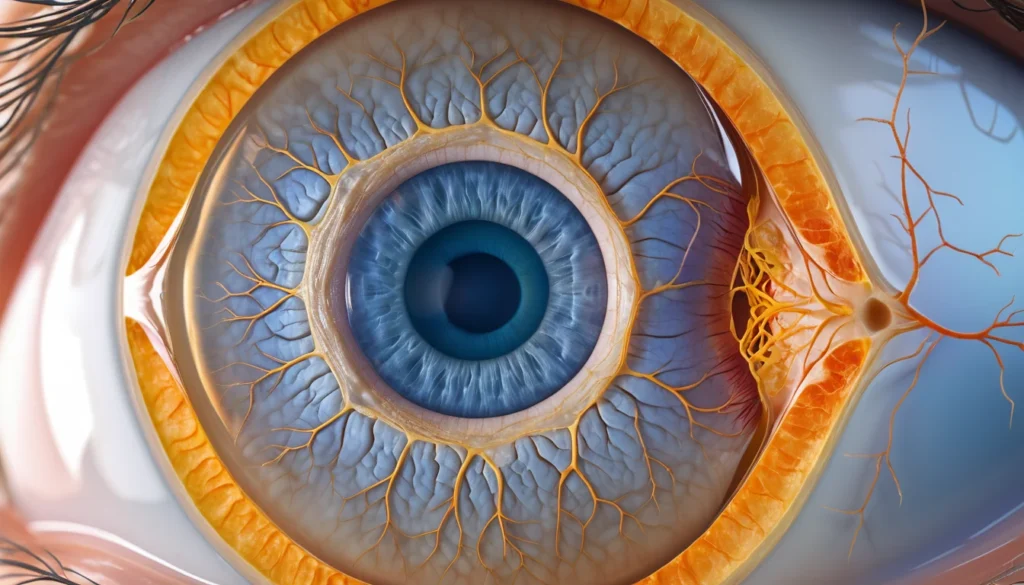
6. Blurry Vision and Poor Balance
High blood sugar can cause the lens of the eye to swell. This leads to blurry or distorted vision. Your child may complain that things look fuzzy, or you might notice them squinting more than usual.
In addition, affected balance and difficulty concentrating can follow. Young children may struggle to explain what they are experiencing, so watching for changes in coordination and focus is important.
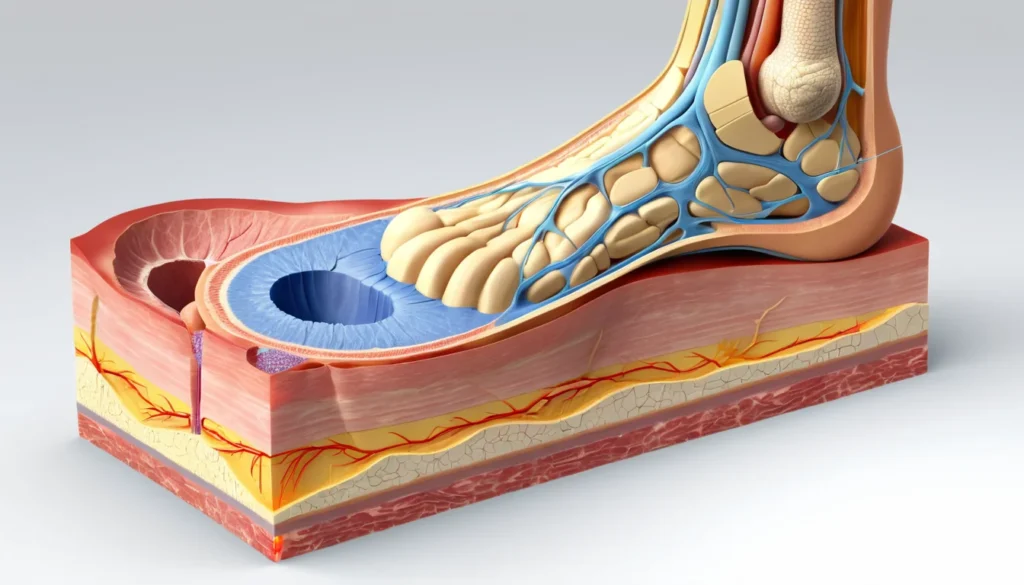
7. Tingling or Numbness in Hands and Feet
High glucose levels over time can damage nerves — a condition called diabetic neuropathy. Children may describe a “pins and needles” feeling in their hands or feet. They might say their feet feel weird, tingly, or numb.
This symptom is more common in longer-standing or poorly managed diabetes. However, it can appear in children too, and should never be ignored. Furthermore, nerve damage caught early is far easier to manage than damage that has progressed.
8. Slow-Healing Wounds or Infections
If your child has a cut, scrape, or infection that takes much longer than usual to heal, this could be a sign of Type 2 diabetes. High blood sugar impairs the body’s natural healing process.
Factors like poor circulation, nerve damage, and a weakened immune response all contribute to slower healing. Recurring skin infections or wounds that just will not close properly deserve medical attention right away.
9. Dark Patches on the Skin
A condition called acanthosis nigricans causes dark, velvety patches of skin to appear in the folds and creases of the body — most often the neck, armpits, and groin. These patches are not bruises and will not wash off.
This skin change is directly linked to insulin resistance and is most associated with Type 2 diabetes. It is one of the more visible signs that the body is struggling to use insulin properly. If you notice this on your child’s skin, bring it to your doctor’s attention.
10. Fruity-Smelling Breath
A sweet or fruity smell on your child’s breath is not normal and should be taken seriously. This odour can be a sign of diabetic ketoacidosis (DKA) — a dangerous and potentially life-threatening complication of Type 1 diabetes.
DKA happens when the body breaks down fat for fuel at a dangerous rate, releasing chemicals called ketones into the blood. This is a medical emergency. If your child has fruity breath along with vomiting, stomach pain, or difficulty breathing, call 911 or go to your nearest emergency department immediately.
When to See a Doctor
If your child is showing one or more of these signs, do not wait. Book an appointment with your family doctor or paediatrician as soon as possible. Most provincial health plans across Canada cover diabetes screening and follow-up care, so cost should not be a barrier.
If you do not have a family doctor, a walk-in clinic is a good first step. A simple blood test can check your child’s blood sugar levels. Early diagnosis leads to better outcomes for both Type 1 and Type 2 diabetes.
In a situation where your child has fruity breath, severe vomiting, confusion, or difficulty breathing, treat it as an emergency. Go to the nearest emergency room or call 911 right away. These can be signs of DKA, which requires immediate medical treatment.
For trusted guidance on managing diabetes in Canada, visit the World Health Organization’s fact sheet on diabetes for additional context on this growing global health concern.
Always consult a qualified healthcare provider for any concerns about your child’s health. The information in this article is for educational purposes only and is not a substitute for professional medical advice.
Frequently Asked Questions About Diabetes Symptoms in Children
What are the earliest diabetes symptoms in children?
The earliest diabetes symptoms in children often include increased thirst, frequent urination, and unusual fatigue. In Type 1 diabetes, these signs can appear suddenly over a few weeks. Type 2 symptoms tend to develop more slowly and may be harder to spot at first.
How is diabetes diagnosed in children in Canada?
Diabetes in children is typically diagnosed through a blood test that measures blood sugar levels. Your child’s family doctor or paediatrician can order this test, and it is covered under most provincial health plans. If you do not have a family doctor, a walk-in clinic can perform an initial assessment.
Can a child have Type 2 diabetes if they are not overweight?
Yes, a child can develop Type 2 diabetes even without being overweight, although excess weight is the most common risk factor. Family history, physical inactivity, and a previous prediabetes diagnosis also raise the risk. Therefore, it is important not to rule out diabetes based on weight alone.
Is fruity-smelling breath in a child always a sign of diabetes?
Fruity-smelling breath can have several causes, but in the context of other diabetes symptoms in children, it is a serious warning sign. It may indicate diabetic ketoacidosis (DKA), which is a medical emergency. If your child has this symptom alongside vomiting or confusion, seek emergency care immediately.
What is the difference between Type 1 and Type 2 diabetes in kids?
Type 1 diabetes is an autoimmune condition where the body stops producing insulin, and it often develops quickly in children. Type 2 diabetes occurs when the body produces insulin but cannot use it effectively, and it tends to develop slowly over time. Both types require medical management, but the treatments and risk factors are different.
Can childhood diabetes be prevented?
Type 1 diabetes cannot currently be prevented, as it is caused by an autoimmune response. However, Type 2 diabetes in children can often be delayed or prevented through a healthy diet, regular physical activity, and maintaining a healthy weight. Speak with your child’s doctor about healthy lifestyle habits if you are concerned about their risk.
Key Takeaways
Diabetes symptoms in children can be subtle, especially in Type 2 diabetes.
Type 1 diabetes tends to come on suddenly and can become serious very quickly.
The 10 key warning signs include increased thirst, frequent urination, fatigue, weight changes, stomach problems, blurry vision, tingling, slow-healing wounds, dark skin patches, and fruity breath.
Fruity-smelling breath combined with vomiting or confusion is a medical emergency — go to the ER immediately.
Most provincial health plans in Canada cover blood sugar testing and diabetes management.
Early diagnosis leads to better outcomes — do not hesitate to speak with your family doctor or visit a walk-in clinic if you are concerned.
This article is for informational purposes only. Always consult a healthcare professional for medical advice specific to your child.