Diabetes is one of the most common chronic conditions in Canada, affecting millions of people from coast to coast. It happens when your body cannot properly produce or use insulin, a hormone that controls blood sugar. Without the right amount of insulin, blood sugar levels rise too high — and over time, this can cause serious health problems. This article explains what diabetes is, what symptoms to watch for, and how to manage it well.
What Is Diabetes?
Diabetes is a long-term condition that affects how your body turns food into energy. Normally, your pancreas releases insulin to help sugar from food enter your cells. When this process breaks down, sugar builds up in your bloodstream instead.
There is currently no cure for diabetes. However, with the right treatment and lifestyle changes, most people with diabetes can live full, healthy lives. According to Health Canada, diabetes is a leading cause of serious complications including heart disease, kidney failure, and vision loss.
Type 1 Diabetes
In Type 1 diabetes, the pancreas produces little or no insulin at all. The body’s immune system attacks and destroys the cells that make insulin. As a result, people with Type 1 diabetes need daily insulin injections to survive.
This type of diabetes most often starts in children, teenagers, or young adults. However, it can develop at any age. Type 1 diabetes is not caused by diet or lifestyle — it is an autoimmune condition.
Type 2 Diabetes
Type 2 diabetes is far more common. In this type, the pancreas still produces insulin, but either not enough of it, or the body’s cells do not respond to it properly. This is called insulin resistance.
Type 2 diabetes usually develops in adults over 40 to 50 years of age. In many cases, it can be managed through a healthy diet, regular exercise, and oral medications. However, over time, some people with Type 2 diabetes will also need insulin injections if other treatments stop working well enough.
Common Diabetes Symptoms to Watch For
The symptoms of diabetes can vary depending on the type and how long blood sugar has been elevated. Some people have symptoms for months before they get a diagnosis. Others — especially those with Type 2 diabetes — may have no obvious symptoms at all in the early stages.
Knowing the warning signs can help you catch diabetes early. Early detection leads to better outcomes. If you notice any of the following symptoms, speak with your family doctor or visit a walk-in clinic as soon as possible.
Symptoms of Type 1 Diabetes
Excessive thirst and hunger — feeling thirsty or hungry even after eating or drinking
Frequent urination — needing to urinate much more often than usual
Dry mouth — a persistent dry feeling in the mouth
Unexplained weight loss — losing weight without trying
Blurry vision — difficulty focusing or seeing clearly
Fatigue and weakness — feeling tired even after rest
Loss of consciousness — in severe cases, very low or very high blood sugar can cause fainting
Additional Symptoms of Type 2 Diabetes
Type 2 diabetes often develops more slowly. In addition to the symptoms listed above, people with Type 2 may also notice:
Skin itching — persistent itchiness, especially around the groin or armpits
Slow-healing wounds — cuts, sores, or bruises that take a long time to heal
Frequent infections — recurring skin, gum, or urinary tract infections
Tingling or numbness — particularly in the hands or feet
For a more complete overview of diabetes symptoms, the Mayo Clinic’s diabetes resource is an excellent reference.
Risk Factors for Diabetes
Anyone can develop diabetes, but certain factors increase your risk. Understanding these risk factors can help you make changes before problems start. Some risk factors are within your control, while others are not.
Risk Factors You Cannot Change
Family history — having a parent or sibling with diabetes raises your risk significantly
Age — the risk of Type 2 diabetes increases after age 40
Ethnicity — South Asian, East Asian, African, Hispanic, and Indigenous Canadian communities face a higher risk of Type 2 diabetes
Risk Factors You Can Change
Excess body weight — carrying extra weight, especially around the abdomen, increases insulin resistance
Physical inactivity — a sedentary lifestyle raises the risk of Type 2 diabetes
Smoking — smoking damages blood vessels and worsens insulin resistance
Heavy alcohol use — excessive drinking can disrupt blood sugar levels
High blood pressure — hypertension is closely linked to diabetes risk
High cholesterol — elevated LDL cholesterol is a known risk factor
Chronic stress — prolonged stress raises cortisol levels, which can affect blood sugar
The World Health Organization’s diabetes fact sheet provides additional global data on risk factors and prevention strategies.
How to Manage Diabetes and Improve Your Quality of Life
A diabetes diagnosis can feel overwhelming at first. However, with the right support and habits, most people with diabetes manage their condition very well. Management focuses on keeping blood sugar levels within a healthy range to prevent complications.
Follow Your Treatment Plan
Always take your medications exactly as your doctor prescribes. For those using insulin, stick to your injection schedule every day. If you take oral medications for Type 2 diabetes, do not skip doses — even when you feel well.
Regular blood sugar monitoring is also essential. Your doctor or diabetes educator will show you how to check your blood glucose at home using a glucometer. In addition, your doctor will periodically check your HbA1c — a blood test that reflects your average blood sugar over the past three months.
Eat a Diabetes-Friendly Diet
Diet plays a central role in managing diabetes. The goal is to keep blood sugar levels steady throughout the day. A diabetes-friendly diet is not about strict deprivation — it is about balance and consistency.
Here are some key eating guidelines for people with diabetes:
Eat meals at regular times each day — skipping meals can cause blood sugar to drop or spike
Choose foods high in fibre, such as vegetables, legumes, and whole grains
Avoid sugary drinks, fruit juices, and foods with added sugar
Limit refined carbohydrates like white bread, white rice, and pastries
Reduce your salt intake to support healthy blood pressure
Avoid honey and alcohol, as both raise blood sugar quickly
Choose unrefined carbohydrates over processed options whenever possible
Do not overeat — portion control matters just as much as food choices
A registered dietitian who specialises in diabetes can build a meal plan that suits your lifestyle and health goals. Ask your family doctor for a referral — this service is covered under most provincial health plans in Canada.
Stay Physically Active
Exercise helps your body use insulin more effectively. Even moderate physical activity, such as a 30-minute walk most days of the week, can make a meaningful difference. Always talk to your doctor before starting a new exercise programme, especially if you use insulin or have other health conditions.
Regular activity also helps with weight management, reduces stress, and lowers blood pressure — all of which support better diabetes control.
Attend Preventive Health Appointments
People with diabetes need regular check-ups to catch complications early. Your healthcare team may recommend the following:
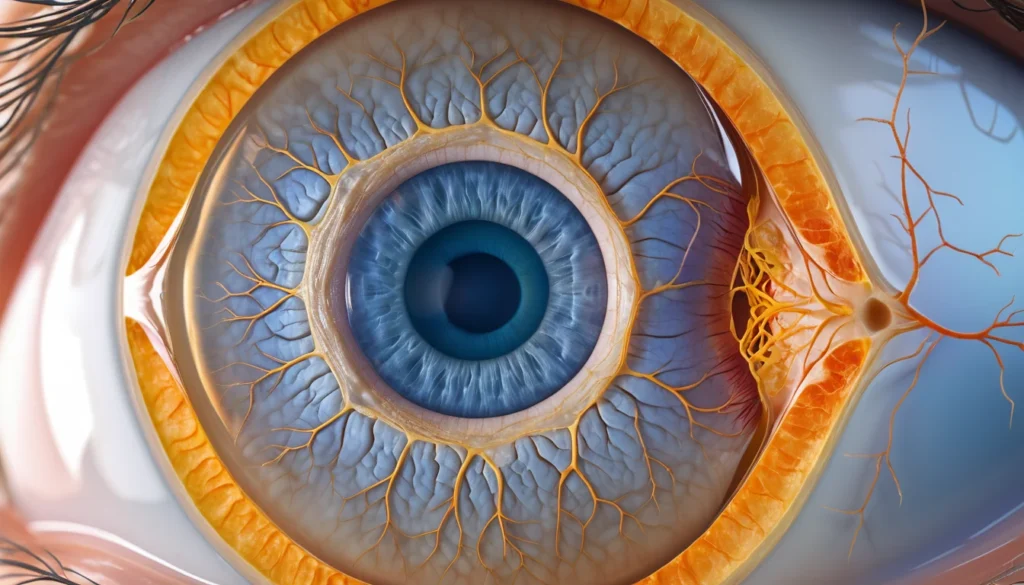
Annual eye exams — diabetes can damage the blood vessels in the eyes (diabetic retinopathy)
Kidney function tests — including urine tests to check for microalbumin, an early sign of kidney damage
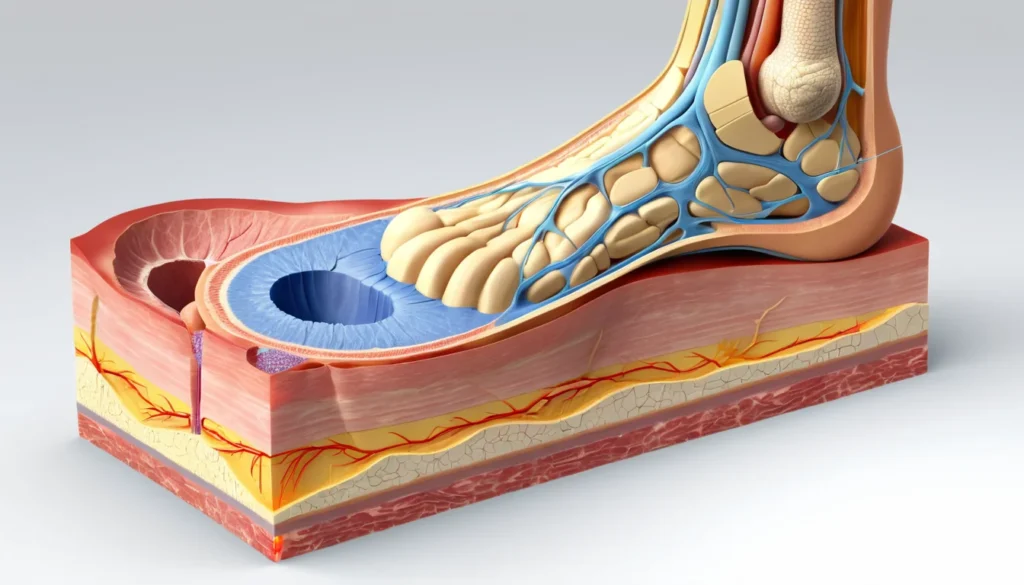
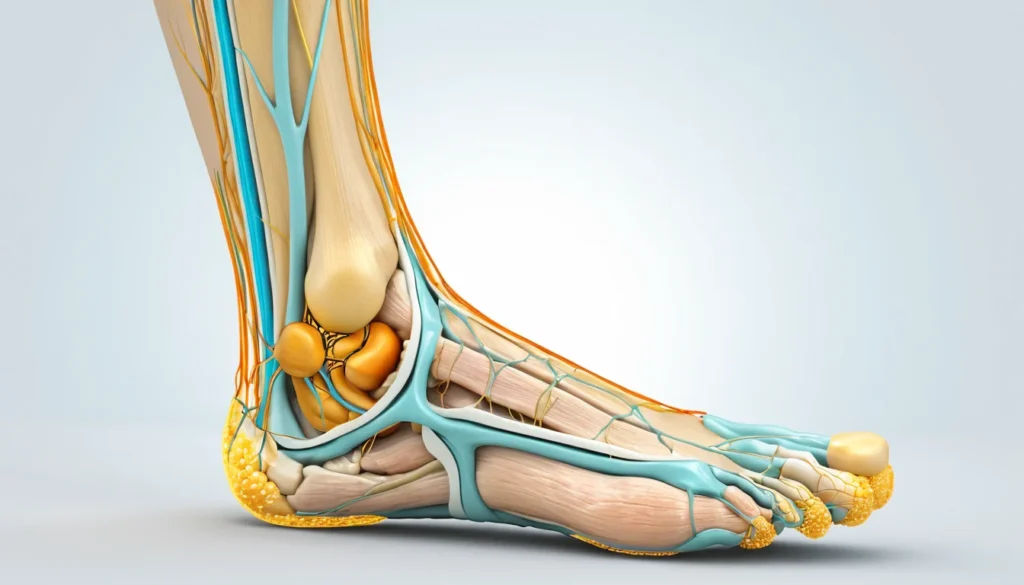
Foot exams — nerve damage from diabetes can affect sensation in the feet
Dental check-ups — high blood sugar increases the risk of gum disease
Cholesterol and lipid testing — to monitor heart health
When to See a Doctor About Diabetes
You should speak with a healthcare provider right away if you notice symptoms of diabetes, such as excessive thirst, frequent urination, or unexplained weight loss. Do not wait — catching diabetes early makes management much easier.
If you already have a family doctor, book an appointment as soon as possible. If you do not have a family doctor — which is a reality for many Canadians — a walk-in clinic can assess your symptoms and order blood tests. Your provincial health plan covers diabetes testing and most follow-up care.
Seek emergency care immediately if you or someone you know with diabetes loses consciousness, has severe confusion, or shows signs of diabetic ketoacidosis (DKA), such as fruity-smelling breath, nausea, and rapid breathing. These are medical emergencies.
Always consult your doctor or a qualified healthcare provider before making any changes to your diabetes treatment, diet, or medication. The information in this article is for general educational purposes only.
Frequently Asked Questions About Diabetes
What is the difference between Type 1 and Type 2 diabetes?
In Type 1 diabetes, the body produces little or no insulin and daily insulin injections are required. In Type 2 diabetes, the body either does not produce enough insulin or does not use it effectively. Type 2 diabetes is much more common and is often managed with diet, exercise, and oral medications.
Can diabetes be cured?
Currently, there is no cure for diabetes. However, many people with Type 2 diabetes can achieve remission — where blood sugar returns to a normal range — through significant weight loss and lifestyle changes. It is important to continue working with your doctor even if your diabetes appears well-controlled.
What are the early warning signs of diabetes?
Early signs of diabetes include increased thirst, frequent urination, unexplained fatigue, blurry vision, and slow-healing wounds. Some people with Type 2 diabetes have no symptoms at all in the early stages, which is why regular blood sugar screening is important, especially if you have risk factors.
Is diabetes covered under provincial health plans in Canada?
Yes, most diabetes-related testing, doctor visits, and specialist referrals are covered under provincial and territorial health plans across Canada. Coverage for insulin and diabetes supplies like test strips varies by province. Ask your family doctor or pharmacist about programmes available in your region.
What foods should people with diabetes avoid?
People with diabetes should avoid sugary drinks, foods with added sugar, honey, alcohol, and highly processed refined carbohydrates like white bread and pastries. Instead, focus on high-fibre foods, lean proteins, and vegetables. A registered dietitian can help create a personalised meal plan that fits your lifestyle.
How often should someone with diabetes see their doctor?
Most people with diabetes should see their doctor at least every three to six months to review blood sugar levels, medications, and overall health. Your doctor will also arrange annual tests for eye health, kidney function, and cholesterol. Regular follow-up is one of the most important parts of managing diabetes well.
Key Takeaways
Diabetes is a chronic condition where the body cannot properly produce or use insulin to control blood sugar.
Type 1 diabetes requires daily insulin injections and most often begins in younger people.
Type 2 diabetes is more common and can often be managed with diet, exercise, and oral medications — though insulin may be needed over time.
Key symptoms include excessive thirst, frequent urination, fatigue, blurry vision, and slow-healing wounds.
Risk factors include family history, excess weight, physical inactivity, smoking, high blood pressure, and certain ethnic backgrounds.
A balanced, high-fibre diet, regular physical activity, and consistent medication use are the cornerstones of diabetes management.
Regular check-ups — including eye exams, kidney tests, and foot exams — help prevent serious complications.
If you notice symptoms of diabetes, see your family doctor or visit a walk-in clinic. Most testing and follow-up care is covered by your provincial health plan.