Diabetes in children is a serious health condition that every Canadian parent, teacher, and caregiver should understand. It affects thousands of kids across the country, and early recognition can be life-saving. This guide explains the two main types of diabetes, their warning signs, possible complications, and how Canada’s healthcare system supports young patients and their families.
What Is Diabetes in Children?
Diabetes is a condition where the body cannot properly manage blood sugar levels. It comes in two main forms, and both can affect children. Understanding the difference is the first step toward getting the right care.
Type 1 Diabetes
Type 1 diabetes occurs when the body produces little or no insulin at all. Insulin is the hormone that moves sugar from the blood into the body’s cells for energy. Without it, blood sugar rises to dangerous levels.
This form of diabetes cannot be prevented. Children with type 1 diabetes need daily insulin injections to survive. According to the World Health Organization’s diabetes fact sheet, more than 500,000 children under the age of 15 live with type 1 diabetes worldwide.
Type 2 Diabetes
Type 2 diabetes happens when the body produces insulin but cannot use it effectively. This is sometimes called insulin resistance. As a result, blood sugar levels still rise too high.
In many cases, type 2 diabetes can be prevented or delayed. A healthy diet, regular physical activity, and a healthy body weight all reduce the risk. However, children who lead sedentary lifestyles are increasingly being diagnosed with this form of the condition.
Warning Signs of Diabetes in Children
Recognising the early signs of diabetes in children is critical. Many families miss the symptoms at first because they can resemble other common childhood illnesses. However, acting quickly can prevent a life-threatening situation.
The main warning signs to watch for include:
Frequent urination — your child needs to go to the bathroom far more often than usual
Excessive thirst — drinking large amounts of water but never feeling satisfied
Increased hunger — eating more than usual without a clear reason
Unexplained weight loss — losing weight despite eating well
Fatigue — feeling constantly tired or lacking energy
Difficulty concentrating — trouble focusing at school or during daily activities
Blurred vision — difficulty seeing clearly
Nausea, vomiting, or stomach pain — especially when combined with other symptoms
If your child shows several of these symptoms at the same time, seek medical attention right away. A child with undiagnosed diabetes can fall into a diabetic coma, which is a medical emergency.
Possible Complications of Childhood Diabetes
When diabetes in children is not well managed, serious health problems can develop over time. These complications may not appear until years later, but they are largely preventable with proper care and monitoring.
Kidney Disease
Diabetic kidney disease, also called diabetic nephropathy, can gradually reduce kidney function. In severe cases, it may lead to complete kidney failure. At that stage, a child may need dialysis or a kidney transplant.
Eye Problems
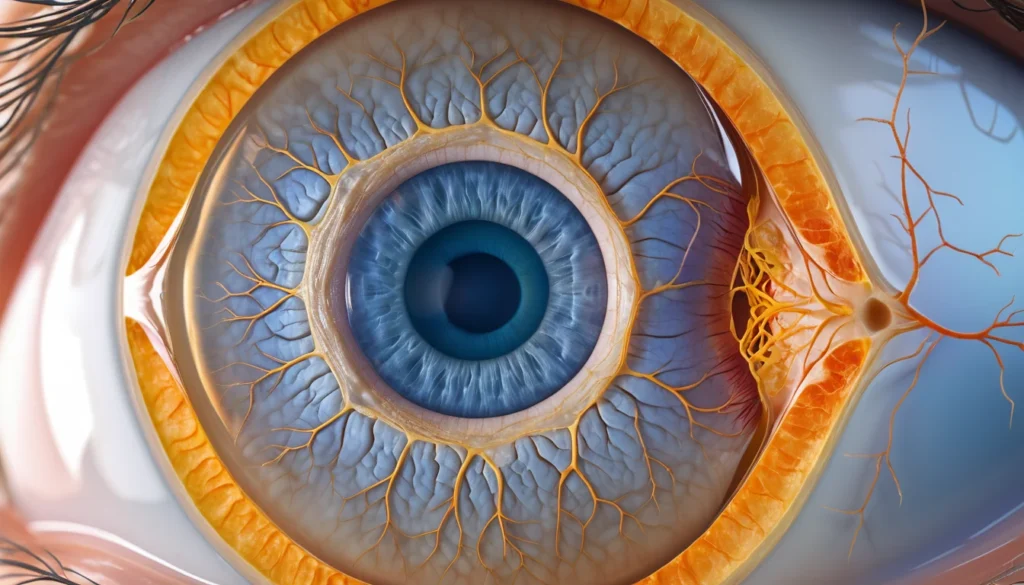
High blood sugar can damage the tiny blood vessels in the eyes. This condition is called diabetic retinopathy. Without treatment, it can lead to vision loss or blindness.
Nerve Damage
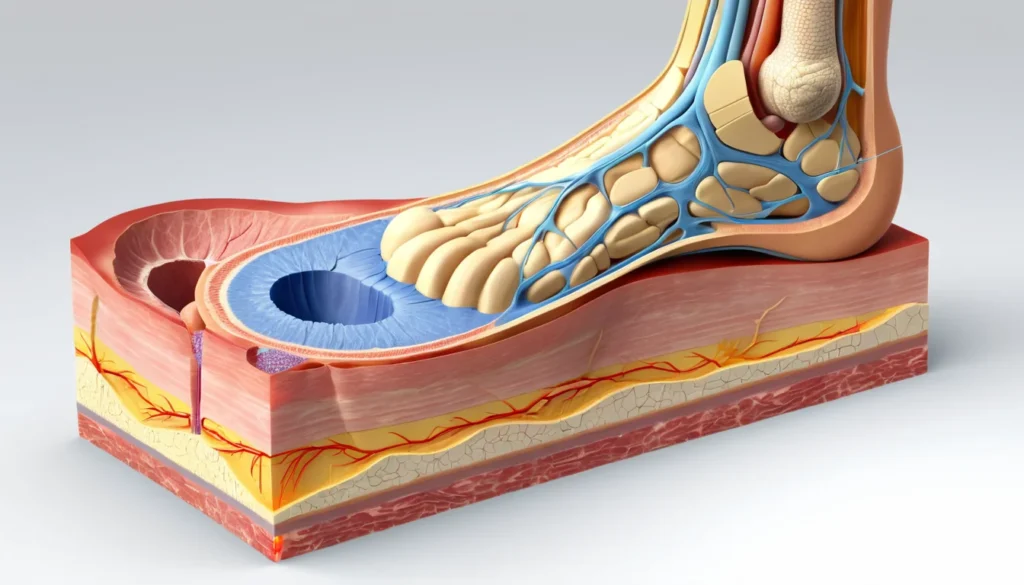
Diabetic neuropathy causes damage to the nerves, often in the feet and legs. This can lead to sores or ulcers that do not heal properly. In serious cases, amputation may become necessary.
Heart and Blood Vessel Disease
Poorly controlled diabetes increases the risk of cardiovascular disease. This includes heart attacks and strokes. These risks are often thought of as adult problems, but the damage can begin during childhood.
For more detail on long-term risks, the Mayo Clinic’s overview of type 1 diabetes in children offers a thorough and trusted reference.
How Diabetes in Children Is Managed in Canada
Canada has strong supports in place for children living with diabetes. Most provinces and territories cover insulin and related supplies through their provincial health plans, although coverage varies depending on where you live. It is worth checking with your provincial health authority to understand what is available to your family.
Insulin and Medication
Children with type 1 diabetes require daily insulin therapy. This may be delivered through injections or an insulin pump. New types of insulin have improved outcomes greatly over the past few decades.
For type 2 diabetes, treatment often starts with lifestyle changes. In some cases, oral medication or insulin may also be prescribed. A paediatrician or diabetes specialist will guide the treatment plan.
Blood Sugar Monitoring
Regular blood sugar monitoring is essential. Many children now use continuous glucose monitors (CGMs), which track blood sugar levels throughout the day and night. These devices have made managing diabetes much easier for families.
Diabetes Education Programmes
Most major hospitals and health centres in Canada offer diabetes education programmes for children and their families. These programmes teach carbohydrate counting, insulin adjustments, recognising low blood sugar, and healthy lifestyle habits. Ask your family doctor for a referral to a certified diabetes educator in your area.
The Importance of Awareness and Early Diagnosis
One of the biggest challenges with diabetes in children is that it often goes undetected for too long. Parents, teachers, and coaches all play a role in spotting early warning signs. Increased awareness in schools and communities can save young lives.
Globally, organisations like the International Diabetes Federation run programmes to support children in developing countries who lack access to insulin and basic supplies. This is a reminder that access to affordable diabetes care is not a given everywhere — and that every child deserves proper treatment regardless of where they live.
In Canada, we are fortunate to have universal healthcare coverage that includes access to diagnosis and treatment. However, gaps still exist, particularly for children in remote or Indigenous communities. Advocacy and community support remain important parts of improving outcomes for all Canadian children with diabetes.
For additional guidance, Health Canada’s diabetes information page provides reliable, up-to-date resources for Canadian families.
When to See a Doctor
If you notice any of the warning signs described above, do not wait. Contact your family doctor as soon as possible. If your regular doctor is not available, visit a walk-in clinic right away.
A simple blood test can diagnose diabetes quickly. Early diagnosis means earlier treatment, and earlier treatment means far better long-term health outcomes for your child.
If your child is already diagnosed with diabetes and shows signs of very high or very low blood sugar — such as extreme confusion, difficulty breathing, or loss of consciousness — call 911 or go to your nearest emergency room immediately. These are medical emergencies that require urgent care.
Your family doctor can also refer your child to a paediatric endocrinologist, a specialist in children’s hormone-related conditions including diabetes. In addition, a registered dietitian can help develop a healthy eating plan tailored to your child’s needs.
Always consult your family doctor or a qualified healthcare professional before making any changes to your child’s diabetes management plan.
Frequently Asked Questions About Diabetes in Children
What are the first signs of diabetes in children?
The first signs of diabetes in children often include frequent urination, excessive thirst, unexplained weight loss, and extreme tiredness. Children may also seem hungrier than usual or have trouble concentrating at school. If you notice several of these signs together, see your family doctor or visit a walk-in clinic promptly.
Can children recover from diabetes?
Type 1 diabetes in children is a lifelong condition that cannot be cured, but it can be managed very effectively with insulin therapy and lifestyle support. Type 2 diabetes in children may sometimes be put into remission through significant weight loss and healthy lifestyle changes. However, ongoing medical supervision is always necessary.
Is type 2 diabetes in children preventable?
In many cases, type 2 diabetes in children can be prevented or delayed through healthy habits. Encouraging regular physical activity, reducing sugary foods and drinks, and maintaining a healthy weight all lower the risk significantly. Speaking with your family doctor about your child’s risk factors is a great first step.
Is insulin covered by provincial health plans in Canada?
Coverage for insulin and diabetes supplies varies by province and territory across Canada. Many provincial drug benefit programmes cover insulin for children, particularly those in low-income households or with specific health conditions. Contact your provincial health authority or ask your family doctor to help you navigate the coverage available in your area.
How is diabetes in children diagnosed?
Diabetes in children is diagnosed through blood tests that measure blood sugar levels. A doctor may order a fasting blood glucose test, a random blood glucose test, or an A1C test, which shows average blood sugar over the past three months. Your family doctor or a walk-in clinic can arrange these tests quickly if diabetes is suspected.
What should I do if my child is diagnosed with diabetes?
If your child is diagnosed with diabetes, your family doctor will refer you to a paediatric diabetes care team, which typically includes a specialist, a diabetes educator, and a dietitian. Learning about blood sugar monitoring, healthy eating, and insulin management will be key parts of your journey. Many Canadian hospitals offer structured diabetes education programmes to support both children and their families.
Key Takeaways
Diabetes in children comes in two main forms: type 1, which requires daily insulin, and type 2, which is often linked to lifestyle factors.
Common warning signs include frequent urination, excessive thirst, unexplained weight loss, and fatigue.
Undiagnosed diabetes in children can lead to a diabetic coma — early detection saves lives.
Long-term complications include kidney disease, vision loss, nerve damage, and heart disease — all of which are largely preventable with proper management.
Canadian provincial health plans cover many diabetes-related costs, though coverage varies by province.
A family doctor, walk-in clinic, or paediatric specialist can diagnose and manage childhood diabetes effectively.
Parents, teachers, and caregivers all play a vital role in recognising symptoms and supporting affected children.