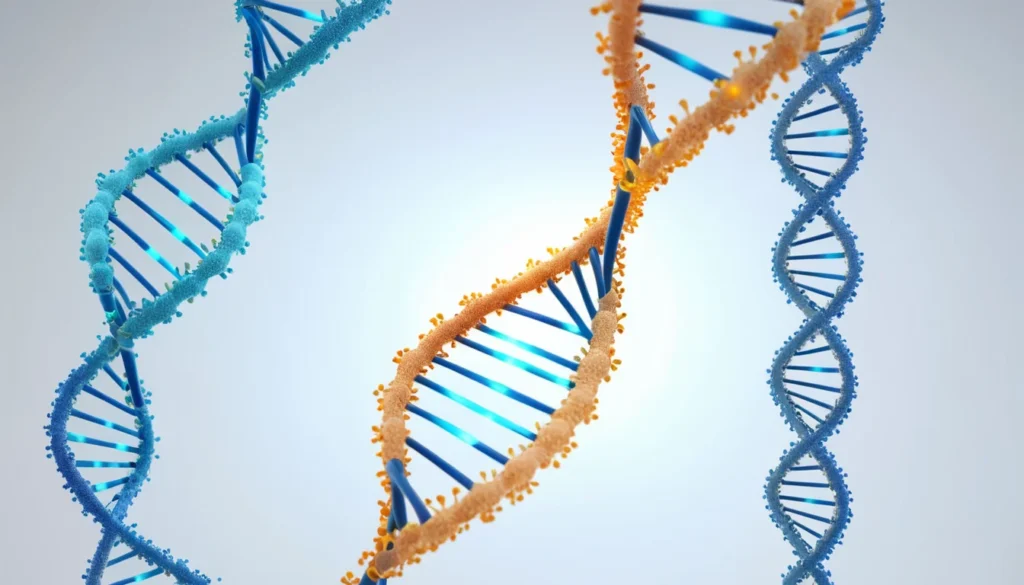
If you or someone you love has diabetes, you may wonder: will my children get it too? Diabetes genetics is a complex topic, but understanding it can help you make smarter health choices. Diabetes does not follow a simple inheritance pattern like eye colour or blood type. However, your genes and your environment both play important roles — and knowing your family history is one of the most powerful tools you have.
How Diabetes Genetics Actually Works
Many Canadians assume that if a parent has diabetes, their child will automatically develop it too. That is not quite right. Scientists believe two things must happen together: you inherit a genetic tendency toward diabetes, and something in your environment triggers the disease.
Identical twins are a perfect example of this. They share 100% of the same genes. However, if one twin develops Type 1 diabetes, the other only develops it about half the time. For Type 2 diabetes, that risk rises to about 3 in 4. This tells us that genes alone are not the whole story.
In addition, Health Canada recognises diabetes as one of the most common chronic diseases in the country. Understanding your genetic risk is an important first step toward prevention.
Type 1 Diabetes Genetics: What the Research Shows
Type 1 diabetes is an autoimmune disease. This means the body’s immune system attacks its own insulin-producing cells in the pancreas. For most people who develop Type 1 diabetes, they must inherit risk factors from both parents — not just one.
Researchers have found that certain genes, called HLA-DR3 and HLA-DR4, appear in most people with Type 1 diabetes. If a parent and child share these gene types, the child’s risk increases significantly. However, having these genes does not guarantee the disease will develop.
Environmental Triggers for Type 1 Diabetes
Genes set the stage, but something environmental often pulls the trigger. Researchers have identified several possible triggers for Type 1 diabetes.
Cold weather: Type 1 diabetes is diagnosed more often in winter months and is more common in colder climates — something Canadians should be aware of.
Viral infections: Certain viruses may cause minor illness in most people but trigger Type 1 diabetes in those who are genetically vulnerable.
Early diet: Studies show Type 1 diabetes is less common in people who were breastfed and who started solid foods later in infancy.
Furthermore, research shows that the process of developing Type 1 diabetes can take several years. Blood tests can detect certain proteins called autoantibodies long before symptoms appear. Autoantibodies are immune proteins that mistakenly attack the body’s own cells instead of bacteria or viruses.
Type 1 Diabetes: Your Child’s Risk
If you have Type 1 diabetes and are planning a family, you may want to understand the specific risks. These numbers can feel overwhelming, but they also show that most children of parents with Type 1 diabetes do not develop the condition.
Risk by Parent
A father with Type 1 diabetes has about a 1 in 17 chance of passing it to a child.
A mother with Type 1 diabetes who gives birth before age 25 has about a 1 in 25 chance.
A mother who gives birth after age 25 has about a 1 in 100 chance.
If a parent developed diabetes before age 11, the child’s risk roughly doubles.
If both parents have Type 1 diabetes, the child’s risk ranges from 1 in 10 to 1 in 4.
There are also exceptions worth knowing. About 1 in 7 people with Type 1 diabetes have a condition called polyglandular autoimmune syndrome type 2. This condition also affects the thyroid and adrenal glands. In families with this syndrome, a child’s risk of developing the same condition — including Type 1 diabetes — rises to 1 in 2.
Testing for Type 1 Diabetes Risk in Children
Some specialised tests can help identify children at higher risk. For children who have a sibling with Type 1 diabetes, doctors can measure levels of specific antibodies in the blood. These include antibodies against insulin, against pancreatic islet cells, and against an enzyme called glutamic acid decarboxylase (GAD). High levels of these antibodies may signal a greater risk of developing Type 1 diabetes in the future.
A glucose tolerance test — which shows how the body processes sugar — can also flag higher-risk children at school age. Talk to your family doctor about whether these tests make sense for your child. According to the Mayo Clinic’s overview of diabetes causes and risk factors, early identification can open the door to monitoring and preventive strategies.
Type 2 Diabetes Genetics: A Stronger Family Pattern
Type 2 diabetes has an even stronger genetic link than Type 1. However, it also depends heavily on lifestyle factors. This is actually good news — because lifestyle is something you can change.
Having a family history of Type 2 diabetes is the single strongest risk factor for developing it yourself. However, research shows this risk mostly appears in people who live a sedentary lifestyle and eat a diet high in fat and low in fibre. People from the same genetic background who live more active lives with healthier diets show much lower rates of Type 2 diabetes.
The Role of Obesity in Type 2 Diabetes Risk
Obesity is one of the most significant risk factors for Type 2 diabetes — particularly for younger people and those who have been overweight for many years. In Canada, rates of obesity have risen steadily over the past two decades, which helps explain rising diabetes rates as well.
The encouraging truth is that even modest weight loss and increased physical activity can dramatically reduce the risk of Type 2 diabetes, even in people with a strong family history.
Type 2 Diabetes: Your Child’s Risk
Type 2 diabetes does run in families. Part of this is genetic, but part of it also comes from shared family habits — eating patterns, activity levels, and daily routines passed from parent to child.
If a parent was diagnosed with Type 2 diabetes before age 50, a child’s risk is about 1 in 7.
If a parent was diagnosed after age 50, the child’s risk drops to about 1 in 13.
Therefore, the earlier a parent develops Type 2 diabetes, the more important it is to help children build healthy habits early. Regular physical activity, a diet rich in vegetables and fibre, and limiting processed foods can make a real difference — even for genetically at-risk children.
Gestational Diabetes and Family History
Gestational diabetes — diabetes that develops during pregnancy — also has a genetic component. Women who develop gestational diabetes are more likely to have a family history of diabetes, particularly on their mother’s side.
However, non-genetic factors matter just as much. Women who are older at the time of pregnancy and women who are overweight carry a higher risk for gestational diabetes. Furthermore, women who develop gestational diabetes face a greater lifetime risk of developing Type 2 diabetes after their pregnancy.
If you are pregnant or planning a pregnancy, speak with your family doctor or midwife about your family history. Most provincial health plans in Canada cover routine diabetes screening during pregnancy. Early detection protects both mother and baby. The World Health Organization’s diabetes fact sheet highlights gestational diabetes as a growing global concern that deserves close attention.
When to See a Doctor
If diabetes runs in your family, it is worth having an open conversation with your family doctor. They can review your personal and family history and recommend appropriate screening tests. Most provincial health plans cover routine blood glucose testing for adults with risk factors.
If you do not have a regular family doctor, a walk-in clinic is a good starting point. Ask about a fasting blood glucose test or an HbA1c test, which measures your average blood sugar over the past three months. Early detection can make treatment far more effective and may even prevent the disease from developing fully.
Do not wait for symptoms to appear. Type 2 diabetes in particular can develop quietly over many years with no obvious signs. Regular check-ups are your best defence.
Always speak with a qualified healthcare provider before making any changes to your health routine. The information in this article is for educational purposes only and does not replace personalised medical advice.
Frequently Asked Questions About Diabetes Genetics
Is diabetes genetic or caused by lifestyle?
Diabetes genetics plays a real role in your risk, but lifestyle is equally important — especially for Type 2 diabetes. You may inherit a tendency toward the disease, but factors like diet, physical activity, and weight often determine whether it actually develops. Most people with a genetic risk never develop diabetes if they maintain a healthy lifestyle.
If both my parents have diabetes, will I get it too?
Having two parents with Type 2 diabetes does raise your risk significantly, but it does not make diabetes inevitable. For Type 1 diabetes, if both parents are affected, the child’s risk ranges from 1 in 10 to 1 in 4. Healthy habits and regular screening with your family doctor can help manage and reduce that risk.
Can diabetes skip a generation?
Yes, it is possible for diabetes genetics to appear to skip a generation. The genes involved do not always express themselves in every family member. Environmental and lifestyle factors also influence whether a genetic predisposition leads to an actual diagnosis.
What is the genetic risk of Type 1 diabetes for a child?
The risk depends on which parent has Type 1 diabetes and their age. A father with Type 1 diabetes carries about a 1 in 17 chance of passing it on, while a mother’s risk ranges from 1 in 25 to 1 in 100 depending on her age at the time of birth. Specialised blood tests can help assess a child’s personal risk more accurately.
Does gestational diabetes mean my child will develop diabetes?
Gestational diabetes does increase the risk for both mother and child, but it does not guarantee future diabetes for either. Maintaining a healthy weight, eating well, and staying active after pregnancy can significantly lower long-term risk. Your provincial health plan likely covers follow-up blood sugar testing after delivery — ask your doctor about it.
Can genetic testing predict diabetes risk?
Some genetic markers, such as HLA-DR3 and HLA-DR4, are associated with higher Type 1 diabetes risk and can be identified through testing. Antibody tests can also signal early risk years before symptoms appear. However, diabetes genetics testing is not routine for everyone — speak with your family doctor to find out if it makes sense for your situation.
Key Takeaways
Diabetes genetics matters, but genes alone do not cause diabetes — an environmental trigger is also needed.
Identical twins show us that even with the same genes, diabetes is not guaranteed.
Type 1 diabetes risk for a child ranges from 1 in 100 to 1 in 4, depending on family history and specific genetic markers.
Type 2 diabetes has a strong genetic basis but depends heavily on lifestyle — making it largely preventable.
Gestational diabetes has both genetic and lifestyle risk factors and requires monitoring during and after pregnancy.
A healthy diet rich in fibre, regular physical activity, and maintaining a healthy weight can reduce risk — even with a strong family history.
Speak with your family doctor or visit a walk-in clinic to discuss screening, especially if diabetes runs in your family.