Diabetes complications affect millions of Canadians every year. Diabetes is a serious, lifelong condition — but the good news is that many of its complications can be prevented or delayed with the right care. Understanding the risks and taking action early can make a real difference to your health and quality of life.
What Is Diabetes? Understanding the Two Main Types
Diabetes is a condition where the body cannot properly manage blood sugar (glucose). There are two main types, and they are quite different from each other.
Type 1 diabetes affects about 10 to 15 percent of people living with diabetes. It usually develops in people under 30 years old who are at a healthy weight. People with Type 1 diabetes must take insulin every day to survive.
Type 2 diabetes is far more common. It typically appears after age 40 and has a strong hereditary (family history) component. Around 80 percent of people with Type 2 diabetes are living with obesity. In many cases, Type 2 diabetes can be managed with lifestyle changes and oral medications. However, some people will eventually need insulin as well.
Knowing which type of diabetes you have is essential. Your family doctor or endocrinologist will guide your treatment based on your specific diagnosis. For more information on diabetes in Canada, visit Health Canada’s official health resource.
Why Early Diagnosis Matters for Diabetes Complications
Early diagnosis is one of the most important steps in preventing serious diabetes complications. When diabetes goes undetected or untreated for too long, it can cause damage that is very difficult — or even impossible — to reverse.
Many Canadians live with Type 2 diabetes for years without knowing it. By the time symptoms appear, some damage may have already begun. This is why routine blood sugar testing is so important, especially if you have risk factors such as a family history of diabetes, high blood pressure, or excess body weight.
Your provincial health plan covers many routine blood tests. Ask your family doctor about getting screened, particularly if you are over 40 or have other risk factors.
The Most Common Diabetes Complications
Over time, high blood sugar damages blood vessels and nerves throughout the body. As a result, diabetes can affect many different organs and systems. Below are the most common and serious complications to be aware of.
Heart Disease and Cardiovascular Risk
Heart disease is one of the most well-known diabetes complications. High blood sugar damages the walls of blood vessels, making them more likely to harden and narrow. This raises the risk of heart attack and stroke.
People with diabetes are two to four times more likely to develop heart disease than people without diabetes. Therefore, managing cholesterol levels is a critical part of diabetes care. A diet rich in vegetables, fruits, and fibre — and low in saturated fat — helps protect the heart.
Quitting smoking is also vital. Smoking speeds up the damage to blood vessels, dramatically increasing cardiovascular risk in people with diabetes. If you need help quitting, your provincial health plan offers free support programmes in most provinces.
Kidney Disease (Diabetic Nephropathy)
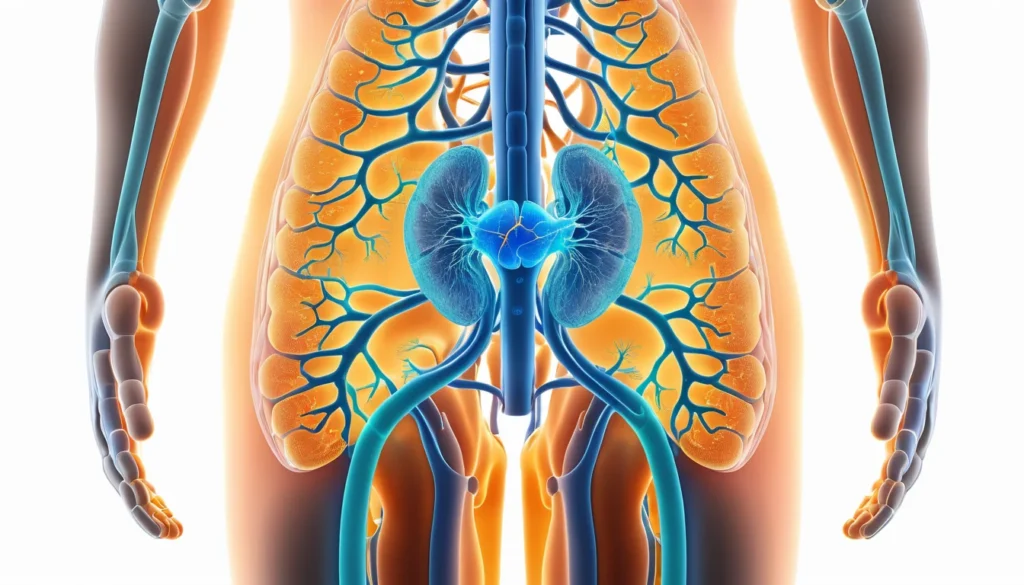
The kidneys are responsible for filtering waste from the blood. High blood sugar forces the kidneys to work harder over time. This can cause them to lose their filtering ability, a condition called chronic kidney disease or diabetic nephropathy.
In advanced cases, kidney failure may require dialysis or a transplant. However, this outcome is not inevitable. Protecting your kidneys means keeping blood sugar in your target range, controlling blood pressure, and limiting animal proteins in your diet.
Reducing cholesterol and following a kidney-friendly diet — one rich in vegetables and low in saturated fats — also supports long-term kidney health. Ask your doctor about regular urine and kidney function tests to catch any problems early.
Nerve Damage (Diabetic Neuropathy)
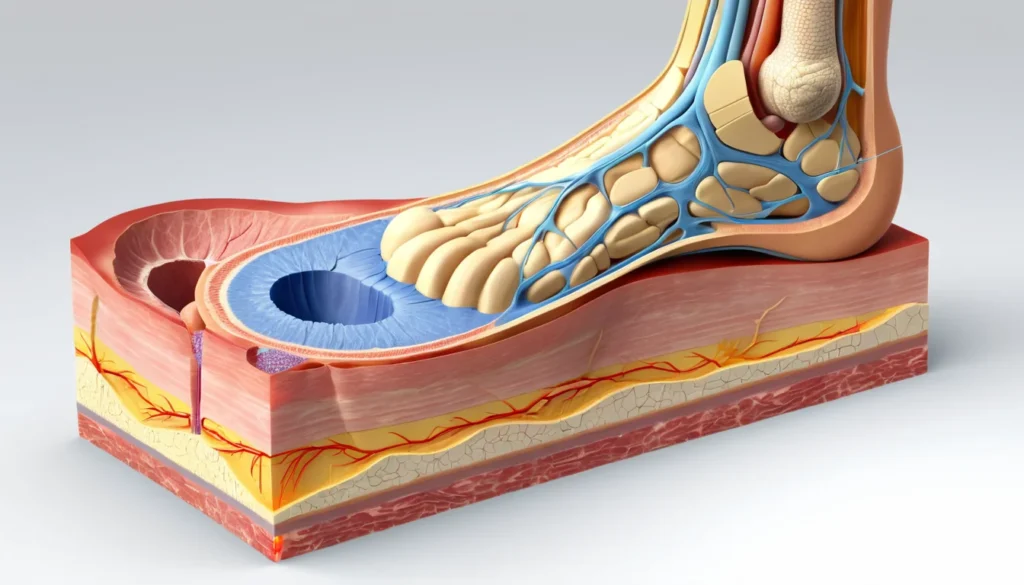
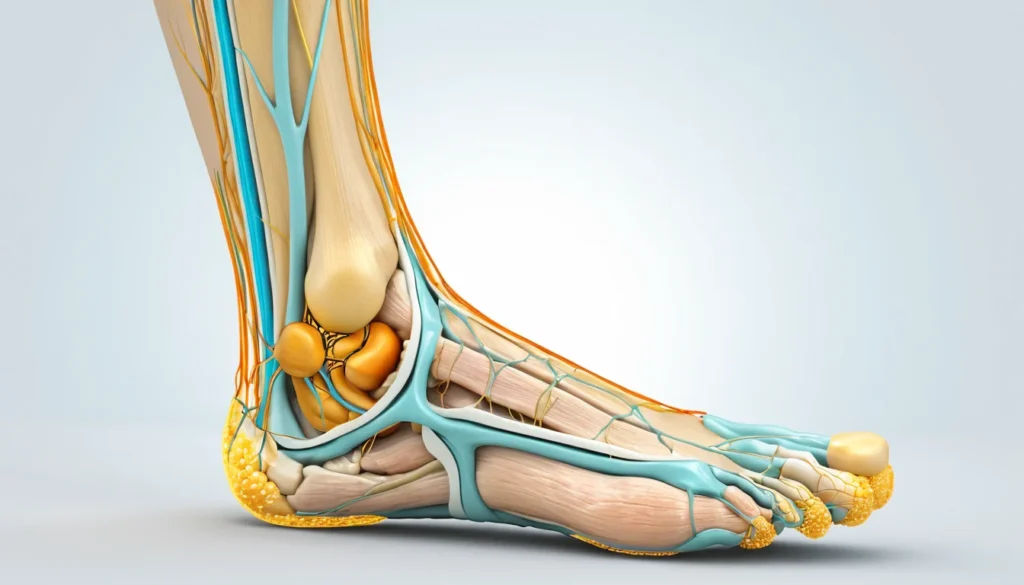
High blood sugar can damage nerves, particularly in the feet and legs. This condition is called diabetic neuropathy. It can cause tingling, numbness, or pain — and in severe cases, loss of feeling entirely.
When you cannot feel pain or pressure in your feet, small injuries can go unnoticed and become serious infections. In the worst cases, this can lead to amputation. Furthermore, checking your feet daily and wearing proper footwear are simple but powerful ways to prevent complications.
Eye Damage (Diabetic Retinopathy)
Diabetes can damage the tiny blood vessels in the eyes, leading to a condition called diabetic retinopathy. Over time, this can cause vision loss or even blindness. In addition, people with diabetes are also at higher risk for glaucoma and cataracts.
Annual eye exams are an important part of diabetes management. Many provincial health plans cover eye exams for people with diabetes. Speak with your family doctor or optometrist about how often you should be screened.
How to Prevent Diabetes Complications
Prevention is always better than treatment. Whether you are managing Type 1 or Type 2 diabetes, there are proven steps you can take to reduce your risk of serious diabetes complications.
Control Your Blood Sugar
Keeping your blood sugar (glucose) within the target range recommended by your doctor is the single most effective way to prevent complications. This means monitoring your levels regularly, taking your medications as prescribed, and adjusting your habits when needed.
Your doctor will work with you to set a blood sugar target that is right for you. For many adults with Type 2 diabetes, the target is an A1C level below 7 percent. The A1C test measures your average blood sugar over the past two to three months.
Follow a Fibre-Rich, Low-Fat Diet
What you eat has a direct impact on your blood sugar and overall health. A diet high in fibre — from whole grains, legumes, vegetables, and fruits — helps stabilise blood sugar levels. At the same time, limiting saturated fats, cholesterol, and animal proteins protects both the heart and kidneys.
A registered dietitian can help you build a meal plan that fits your lifestyle and supports your diabetes management goals. Many provincial health programmes offer free or subsidised access to dietitians for people with diabetes.
Stay Physically Active
Regular physical activity helps the body use insulin more effectively. For people with Type 2 diabetes, exercise can significantly improve blood sugar control. Even a 30-minute walk most days of the week makes a difference.
In addition, staying active helps manage weight, lowers blood pressure, and reduces cardiovascular risk — all of which are important for preventing diabetes complications. Talk to your doctor before starting a new exercise programme, especially if you have existing health conditions.
Quit Smoking and Limit Alcohol
Smoking is one of the most dangerous habits for people with diabetes. It worsens blood vessel damage, raises blood pressure, and significantly increases the risk of heart disease, stroke, and kidney disease. Quitting smoking is one of the best things you can do for your health.
Alcohol can also affect blood sugar levels — sometimes causing them to drop dangerously low, especially if you take insulin. If you do drink, do so in moderation and always with food. Speak with your doctor about what is safe for you.
Attend Regular Check-Ups
Routine medical appointments allow your health care team to monitor for early signs of diabetes complications. These check-ups typically include blood sugar testing, kidney function tests, cholesterol panels, blood pressure checks, and foot examinations.
Do not wait until you feel unwell to see your doctor. Many complications develop silently, with no obvious symptoms in the early stages. Regular check-ups are covered under most provincial health plans — take advantage of them.
Preventing Type 2 Diabetes Before It Starts
For people who do not yet have diabetes but are at risk, primary prevention is key. Research shows that lifestyle changes can delay or even prevent the onset of Type 2 diabetes in high-risk individuals.
The most effective strategies include maintaining a healthy weight, eating a diet rich in fibre and low in saturated fats, and getting regular physical activity. These habits not only reduce diabetes risk but also protect heart health and overall well-being.
For Type 1 diabetes, primary prevention is more complex. However, breastfeeding infants, avoiding unnecessary toxic exposures, and protecting children from certain infections are steps that may reduce risk. Talk to your child’s paediatrician for guidance specific to your family.
The World Health Organization’s diabetes fact sheet provides a comprehensive global overview of diabetes prevention strategies.
When to See a Doctor
You should speak with your family doctor or visit a walk-in clinic if you notice any of the following warning signs:
Unusual thirst or frequent urination
Unexplained weight loss or fatigue
Blurred vision or changes in eyesight
Numbness, tingling, or pain in your feet or hands
Slow-healing cuts or sores, especially on the feet
Swelling in the legs or ankles
If you already have diabetes and your blood sugar is consistently outside your target range, do not wait for your next scheduled appointment. Contact your doctor’s office or visit a walk-in clinic sooner. Early action can prevent minor issues from becoming serious diabetes complications.
For more in-depth information on managing diabetes, the Mayo Clinic’s diabetes resource is a trusted and comprehensive guide.
Always consult your doctor or a qualified health care provider before making any changes to your diabetes management plan. Everyone’s situation is different, and personalised medical advice is essential.
Frequently Asked Questions About Diabetes Complications
What are the most serious diabetes complications?
The most serious diabetes complications include heart disease, stroke, chronic kidney disease, nerve damage (neuropathy), and vision loss (retinopathy). In severe cases, nerve damage in the feet can lead to amputation. However, many of these complications can be prevented or delayed with good blood sugar control and regular medical care.
Can diabetes complications be reversed?
Some early-stage diabetes complications, such as mild nerve damage or early kidney changes, may be slowed or partially improved with better blood sugar control and lifestyle changes. However, many advanced complications are difficult or impossible to fully reverse. This is why early detection and consistent management are so important.
How long does it take for diabetes to cause complications?
The timeline for developing diabetes complications varies from person to person. Some people may notice signs of nerve or eye damage within five to ten years of a diabetes diagnosis, especially if blood sugar is poorly controlled. Others with well-managed diabetes may avoid serious complications for many decades.
Does Type 2 diabetes always lead to complications?
Not necessarily. Many people with Type 2 diabetes live long, healthy lives with few or no serious diabetes complications. The key is consistent management — keeping blood sugar, blood pressure, and cholesterol in healthy ranges. Regular check-ups with your family doctor also help catch any early warning signs before they become serious problems.
Is kidney failure a common diabetes complication?
Kidney disease is one of the more common long-term diabetes complications, particularly in people with uncontrolled blood sugar over many years. In Canada, diabetes is one of the leading causes of chronic kidney disease. However, with regular monitoring, blood pressure control, and a kidney-friendly diet, the risk of kidney failure can be significantly reduced.
How can I prevent diabetes complications as a Canadian?
Preventing diabetes complications starts with regular check-ups through your provincial health plan, which covers many routine diabetes-related tests. Eating a diet rich in fibre, staying physically active, quitting smoking, and taking your medications as prescribed are all proven strategies. Your family doctor or a diabetes educator can help you build a personalised prevention plan.
Key Takeaways
Diabetes complications are serious but largely preventable with early action and consistent management.
Type 1 and Type 2 diabetes are very different conditions with different causes, risk factors, and treatment approaches.
The most common complications affect the heart, kidneys, nerves, and eyes.
Controlling blood sugar, eating a fibre-rich diet, staying active, and quitting smoking are the most effective prevention strategies.
Regular check-ups through your provincial health plan are essential — many complications develop without obvious symptoms.
If you notice warning signs such as numbness in your feet, vision changes, or unusual fatigue, see your family doctor or visit a walk-in clinic promptly.
Always consult your doctor before making changes to your diabetes care plan.