Diabetes and skin conditions are more closely linked than many people realize. In fact, about one-third of people living with diabetes will experience some kind of skin problem during their lifetime. These conditions range from mild rashes to serious infections that need medical attention. Understanding what to look for can help you protect your health and catch problems early.
How Diabetes Affects Your Skin
Diabetes changes the way your body works at a cellular level. High blood sugar can damage small blood vessels and nerves, reduce blood flow to the skin, and weaken your immune system. As a result, your skin becomes more vulnerable to infections, slow healing, and unusual changes in colour or texture.
Some skin conditions appear because of these well-understood mechanisms. However, others develop for reasons that doctors and researchers are still working to fully explain. Either way, skin changes can sometimes be the first sign that something is wrong with your blood sugar levels.
According to Health Canada, diabetes is one of the leading causes of illness and death in Canada. Managing it well — including watching for skin changes — is a key part of staying healthy.
Common Diabetes and Skin Conditions to Watch For
Necrobiosis Lipoidica
Necrobiosis lipoidica is a skin condition that affects roughly 0.3 to 0.7 percent of people with diabetes. It is more common in women than in men. Experts believe it may be linked to damage in the small blood vessels of the skin, combined with nerve damage.
This condition causes raised, red, well-defined patches on the skin. The centre of each patch often looks waxy, shiny, and slightly sunken. You can also see small, visible blood vessels beneath the surface. These patches most often appear on the lower legs, but they can also show up on the hands, forearms, face, or scalp.
In about one-third of cases, minor injuries to these patches can cause them to break open and form ulcers. The lesions tend to be long-lasting and do not always improve when blood sugar is better controlled. Treatment often includes strong topical or injected corticosteroids applied to the active edges of the patch. Doctors may also use medications such as aspirin or anti-inflammatory drugs in some cases.
Diabetic Dermopathy
Diabetic dermopathy is one of the most common diabetes-related skin conditions. It appears as light brown, scaly patches — sometimes called “shin spots” — usually found on the lower legs. These spots are caused by changes in the small blood vessels that supply the skin.
The patches are harmless and do not cause pain or itching. They do not require specific treatment but serve as a visible reminder that blood sugar management matters. If you notice these spots, it is a good idea to mention them to your family doctor at your next visit.
Diabetic Blisters (Bullosis Diabeticorum)
Diabetic blisters are a rare but notable skin condition linked to diabetes. They appear as reddish, fluid-filled blisters on the fingers, toes, feet, and forearms. These blisters typically form without any injury or apparent cause.
This condition is most often seen in people who have had diabetes for a long time and who also have diabetic retinopathy (eye damage from diabetes). The main treatment is bringing blood sugar levels back into a healthy range. The blisters usually heal on their own within a few weeks when blood sugar is well managed.
Diabetes and Skin Conditions Linked to Insulin Resistance
Acanthosis Nigricans
Acanthosis nigricans is a skin condition closely associated with insulin resistance and type 2 diabetes. It causes the skin to become thick, dark, and velvety in texture. The affected areas typically include the armpits, groin, back of the neck, and skin folds around the belly button or under the breasts.
The skin may look tan, brown, or even nearly black in some cases. The condition often begins with what looks like a small skin tag or wart. It is most common in people who carry extra weight, and losing weight can noticeably improve the appearance of the skin.
Importantly, acanthosis nigricans often appears before a diabetes diagnosis. Because of this, doctors consider it a potential early warning sign of diabetes or pre-diabetes. It can also be associated with other hormonal conditions such as Cushing’s syndrome or acromegaly. Learn more about acanthosis nigricans at the Mayo Clinic.
Scleroderma Diabeticorum
Scleroderma diabeticorum is a rare condition most often seen in people with type 2 diabetes. It causes the skin on the back of the neck and upper back to thicken and harden. Unlike other forms of scleroderma, this condition is not an autoimmune disease.
The main approach to treatment is keeping blood sugar levels well controlled. Moisturizing lotions can also help soften the skin and improve its texture. If you notice unusual stiffness or thickening of your skin, speak with your doctor.
Vitiligo and Diabetes
Vitiligo is a condition that causes patches of skin to lose their colour. It happens when the immune system destroys melanocytes — the cells that give your skin its colour. This leaves behind pale or white patches that can appear anywhere on the body.
Vitiligo is most commonly seen in people with type 1 diabetes. This is because both conditions involve the immune system attacking the body’s own cells. The patches often appear on the chest, abdomen, face, around the mouth, nose, and eyes.
Treatment options include topical steroid creams and micropigmentation (a form of medical tattooing). If you have vitiligo, it is very important to use a broad-spectrum sunscreen with SPF 15 or higher on the affected areas. The depigmented skin has no natural protection against sunburn. Read more about vitiligo symptoms and treatment on Healthline.
Skin Rashes, Blisters, and Granuloma Annulare
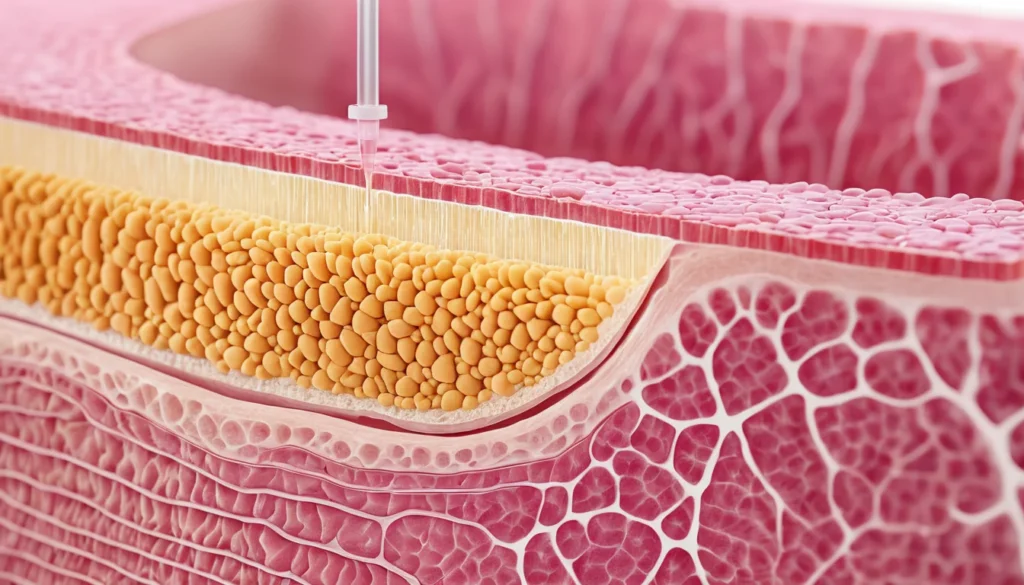
People with diabetes can also develop skin rashes and bumps that are linked to allergic reactions. These may be triggered by certain foods, insect bites, or medications — including insulin. It is important for anyone using insulin to regularly check the injection sites on their skin for any signs of irritation, lumps, or unusual changes.
Granuloma Annulare
Granuloma annulare is a condition that causes small, firm bumps arranged in a ring or arc pattern on the skin. These bumps can appear on the fingers, ears, abdomen, or chest. They may be red, reddish-brown, or skin-coloured.
In many cases, granuloma annulare does not need treatment and will go away on its own. However, a doctor may recommend a mild hydrocortisone cream if the patches are bothersome. This condition is more common in people with diabetes, though the exact connection is not fully understood.
Fungal and Bacterial Skin Infections in Diabetes
People with diabetes have a higher risk of both fungal and bacterial skin infections. High blood sugar creates an environment where harmful organisms can thrive. In addition, reduced circulation and immune function make it harder for the body to fight these infections off.
Bacterial Infections
The most common bacterial culprit is Staphylococcus (staph). These bacteria can infect hair follicles, nails, and eyelids (causing styes). Staph infections can cause painful boils, red swollen skin, and pus-filled sores. Treatment usually involves antibiotic pills or creams prescribed by your doctor.
Fungal Infections
Candida albicans is a yeast-like fungus that causes many skin problems in people with diabetes. It thrives in warm, moist skin folds — such as between the toes, under the breasts, in the armpits, and at the corners of the mouth. Symptoms include itching, redness, and small blisters or sores.
Women with diabetes are also at higher risk of vaginal yeast infections caused by Candida. Nail fungus (onychomycosis) is another common problem, causing nails to become thick, discoloured, and brittle. Other fungal infections such as athlete’s foot are also more common in people with diabetes and should be treated promptly to prevent complications.
When to See a Doctor
Many diabetes-related skin conditions are manageable when caught early. You should contact your family doctor or visit a walk-in clinic if you notice any of the following:
New patches of dark, thickened, or discoloured skin
Blisters, sores, or ulcers that are slow to heal
Persistent itching, redness, or swelling
Signs of infection such as warmth, pus, or spreading redness
Any unusual skin change around your insulin injection sites
Pale or white patches developing on your skin
Most provincial health plans in Canada cover visits to your family doctor or a dermatologist when referred. If you do not have a family doctor, a walk-in clinic can assess your skin and refer you to a specialist if needed. Do not ignore skin changes — early treatment almost always leads to better outcomes.
Always consult your doctor or a qualified healthcare provider before starting any new treatment for a skin condition, especially if you are managing diabetes.
Frequently Asked Questions
What are the most common diabetes and skin conditions?
The most common diabetes and skin conditions include acanthosis nigricans, diabetic dermopathy, necrobiosis lipoidica, and fungal or bacterial infections. About one-third of people with diabetes experience some form of skin problem. Managing blood sugar levels is key to reducing your risk.
Can diabetes cause itchy skin?
Yes, diabetes can cause itchy skin for several reasons, including poor circulation, dry skin, and fungal or bacterial infections. High blood sugar can also dry out the skin, making itching worse. Using a gentle moisturizer and keeping blood sugar under control can help relieve symptoms.
What does diabetic skin look like?
Diabetic skin can show many different changes depending on the condition involved. You might notice dark, velvety patches in skin folds, light brown scaly spots on the lower legs, blisters on the feet or hands, or pale patches where skin has lost its colour. Any new or unusual skin changes should be discussed with your doctor.
Is acanthosis nigricans a sign of diabetes?
Acanthosis nigricans is strongly associated with insulin resistance and is often considered an early warning sign of type 2 diabetes. The dark, thickened skin patches in the armpits, neck, or groin may appear before a diabetes diagnosis is made. If you notice these changes, it is important to speak with your family doctor and get your blood sugar tested.
How can I protect my skin if I have diabetes?
Keeping your blood sugar levels within a healthy range is the single most important step for protecting your skin when you have diabetes. In addition, moisturize daily, inspect your skin regularly — especially your feet — and treat any cuts or sores promptly. Use sunscreen with SPF 15 or higher when outdoors, and see your doctor at the first sign of any skin infection.
Does vitiligo mean you have diabetes?
Having vitiligo does not automatically mean you have diabetes, but the two conditions are more commonly found together — especially with type 1 diabetes. Both involve the immune system, which may explain the connection. If you have vitiligo, your doctor may recommend screening for type 1 diabetes and other autoimmune conditions.
Key Takeaways
Diabetes and skin conditions are closely connected — about one-third of people with diabetes develop a skin problem.
High blood sugar, poor circulation, and a weakened immune system all contribute to skin changes.
Common conditions include acanthosis nigricans, necrobiosis lipoidica, diabetic dermopathy, vitiligo, and fungal or bacterial infections.
Acanthosis nigricans can appear before a diabetes diagnosis and may serve as an early warning sign.
Keeping blood sugar well controlled is the most effective way to prevent and manage diabetes-related skin problems.
If you notice any new or unusual skin changes, visit your family doctor or a walk-in clinic promptly.
Most skin conditions linked to diabetes are treatable — early action makes a real difference.