Diabetes and heart disease are two of the most closely linked health conditions in Canada. If you or someone you love has diabetes, understanding this connection could be life-saving. Research shows that people with diabetes are two to four times more likely to die from a heart attack or stroke than people without diabetes. This article explains why that risk exists, what warning signs to watch for, and what you can do to protect your heart.
How Diabetes and Heart Disease Are Connected
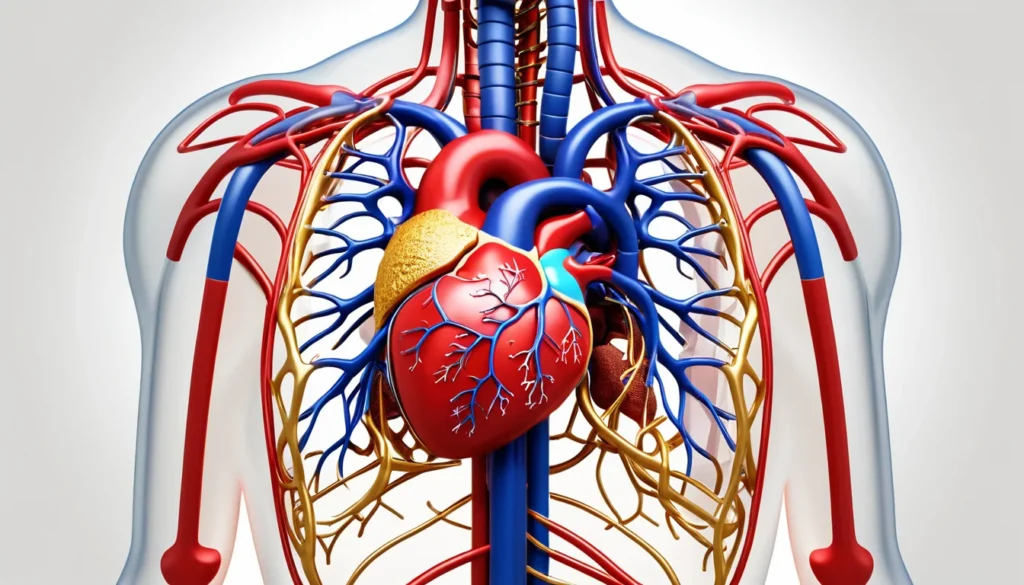
Diabetes damages blood vessels over time. High blood sugar causes inflammation and stiffness in the walls of arteries, making it much easier for fatty deposits to build up. This process is called atherosclerosis, and it is the leading cause of heart disease in people with diabetes.
The Health Canada data shows that cardiovascular disease is one of the most serious complications of diabetes. In fact, 68% of people over age 65 who died from heart disease also had diabetes. Furthermore, 16% of those who died from stroke also had diabetes.
Type 2 diabetes carries a particularly high risk. Studies show that 68% of patients diagnosed with type 2 diabetes develop a heart condition within the first five years of their diagnosis. This often leads to heart failure if left unmanaged.
The Role of Cholesterol
The most common cause of heart disease in people with diabetes is a build-up of cholesterol in the coronary arteries. Importantly, high LDL cholesterol levels often appear before blood sugar rises in type 2 diabetes. This means heart damage may already be happening before a diabetes diagnosis is made.
When cholesterol plaques break apart, they form blood clots. These clots can block an artery completely. As a result, a heart attack or stroke can occur. The same process can affect arteries in the legs and arms, leading to a condition called peripheral vascular disease.
Other Risk Factors That Make Things Worse
Diabetes does not work alone. Several other risk factors raise the danger of heart disease even further. These include:
High blood pressure (hypertension)
Smoking
High LDL cholesterol
Excess weight, especially belly fat
A family history of early heart disease
The more risk factors a person has, the greater their chance of developing serious heart problems. Therefore, managing all of these factors together is essential, not just blood sugar alone.
Heart Failure and Diabetes: Understanding the Risk
Heart failure is a serious condition where the heart can no longer pump blood properly. It does not mean the heart has stopped. However, it does mean the heart is struggling to do its job.
One in two people with type 2 diabetes may develop heart failure. When the heart pumps poorly, fluid can build up in the lungs, making it hard to breathe. Fluid can also collect in the legs and feet, causing swelling called oedema.
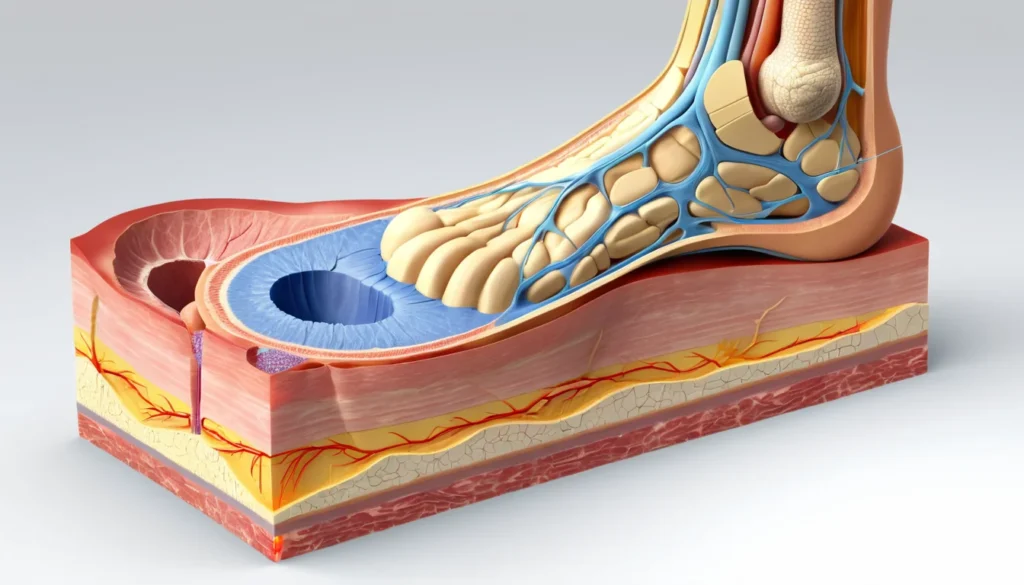
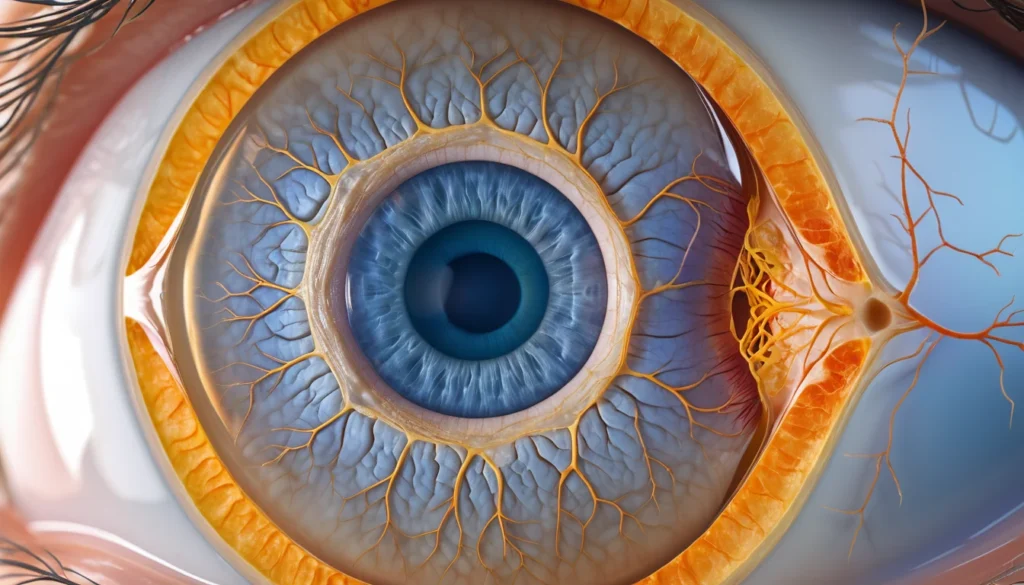
Because this risk is so high, Canadian healthcare providers recommend a thorough health evaluation right after a diabetes diagnosis. This typically includes a cardiology review, an eye exam, a neurological check, and a foot care assessment. Ask your family doctor to arrange these referrals if you have been recently diagnosed.
Symptoms of a Heart Attack to Watch For
Knowing the warning signs of a heart attack can save your life. However, not everyone experiences the classic “chest-clutching” symptoms you see on television. This is especially true for women and for people with diabetic neuropathy (nerve damage).
Common heart attack symptoms include:
Chest pain or pressure, especially during physical activity
Shortness of breath
Pain spreading to the jaw, left arm, or between the shoulders
Dizziness or feeling faint
Unexplained heavy sweating
Nausea
People with diabetic neuropathy may feel little or no pain during a heart attack. Sometimes, a heart attack is only discovered later during a routine electrocardiogram (ECG). The Mayo Clinic explains silent heart attacks in more detail, and the information is worth reading.
If you experience any of these symptoms, call 911 immediately or go to your nearest emergency room. Do not wait to see if they go away on their own.
Symptoms of Peripheral Vascular Disease
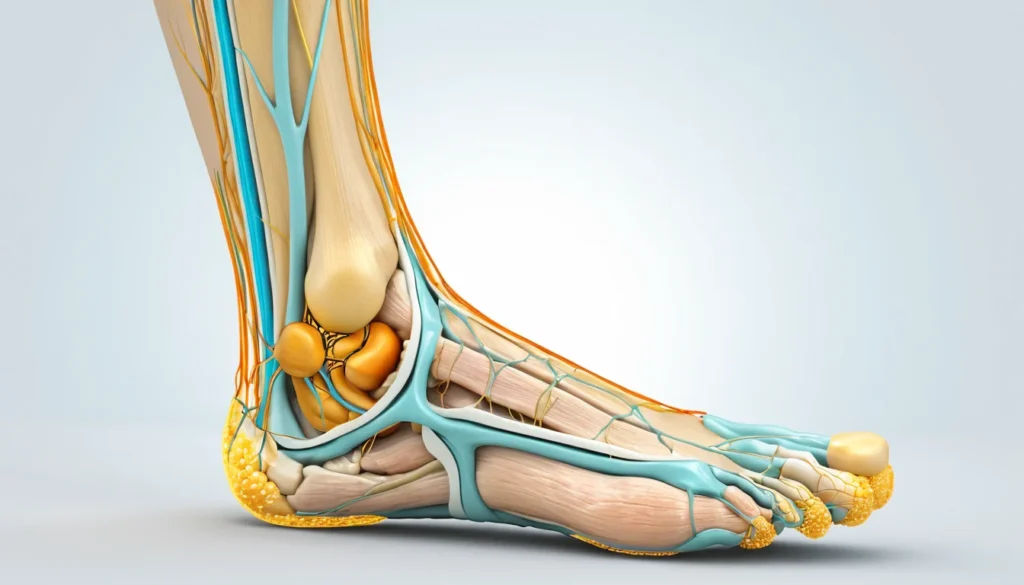
Peripheral vascular disease (PVD) happens when poor blood flow affects the arteries in the legs and arms. It is a common but often overlooked complication of diabetes and heart disease.
Signs of PVD include:
Leg cramps when walking (called intermittent claudication)
Pain in the buttocks or hips during physical activity
Cold feet or legs
A weak or absent pulse in the feet
Loss of fatty tissue under the skin on the lower legs
Hair loss on the lower legs and feet
These symptoms are easy to dismiss as normal aging. However, they are important warning signs that deserve medical attention. Report them to your family doctor at your next visit.
How Diabetes-Related Heart Disease Is Treated
The good news is that both diabetes and heart disease respond well to the right treatment plan. There is no single solution, but combining several approaches makes a significant difference.
Lifestyle Changes
Lifestyle is the foundation of heart health for people with diabetes. Regular physical activity improves blood sugar levels, lowers blood pressure, reduces cholesterol, and helps with weight management. Even a 30-minute walk each day can have measurable benefits.
A heart-healthy diet rich in fibre, vegetables, whole grains, and lean protein is also essential. Reducing processed foods, saturated fats, and excess sodium helps protect your arteries over time. A registered dietitian covered under many provincial health plans can help you build a plan that fits your life.
Medications
Your doctor may prescribe medications to manage several risk factors at once. These might include blood pressure medications, cholesterol-lowering drugs (statins), or newer diabetes medications that also protect the heart. In some cases, low-dose aspirin therapy may be recommended to reduce blood clot formation.
Always take medications as prescribed. Never stop or change doses without speaking to your healthcare provider first.
Surgical Options
In more advanced cases, surgery may be needed. Procedures like angioplasty (opening a blocked artery) or bypass surgery can restore blood flow to the heart. Your cardiologist will discuss whether surgery is appropriate for your situation.
Treating Peripheral Vascular Disease
For peripheral vascular disease, a structured daily walking programme is often the first recommendation. Walking regularly helps build new circulation pathways over time. Medications to improve blood flow, along with strict management of blood sugar, blood pressure, and cholesterol, are also important parts of treatment. In severe cases, surgical intervention may be needed to restore circulation.
According to the World Health Organization’s diabetes fact sheet, managing cardiovascular risk factors aggressively is one of the most important steps in preventing diabetes complications.
When to See a Doctor
If you have diabetes, heart health checks should be a regular part of your care — not something you only think about when something goes wrong. Your family doctor is your best starting point for managing your overall risk.
Book an appointment with your family doctor to review your blood pressure, cholesterol, and blood sugar targets. If you do not have a family doctor, a walk-in clinic can provide a referral and basic screening. Many provincial health plans cover cardiovascular risk assessments for people living with diabetes.
If you notice any symptoms of a heart attack or peripheral vascular disease, do not wait. Call 911 for emergency symptoms, or visit a walk-in clinic or your family doctor for concerns that are not urgent. Early detection always leads to better outcomes.
This article is for informational purposes only and does not replace professional medical advice. Always speak with your doctor or a qualified healthcare provider about your personal health situation.
Frequently Asked Questions
Why does diabetes increase the risk of heart disease?
Diabetes and heart disease are linked because high blood sugar damages the walls of blood vessels over time. This damage allows cholesterol to build up inside arteries, narrowing them and reducing blood flow to the heart. The longer blood sugar stays uncontrolled, the greater the risk of serious heart problems.
Can you have a heart attack without knowing it if you have diabetes?
Yes, this is called a silent heart attack, and it is more common in people with diabetes. Diabetic neuropathy (nerve damage) can reduce or eliminate the chest pain that normally signals a heart attack. Some people only discover they have had a heart attack during a routine ECG test.
What are the early signs of heart problems in people with type 2 diabetes?
Early warning signs of heart disease in people with type 2 diabetes include shortness of breath during mild activity, unusual fatigue, swollen ankles or feet, and mild chest discomfort. Because symptoms can be subtle, regular check-ups with your family doctor are essential for catching problems early.
How can I protect my heart if I have diabetes?
Managing diabetes and heart disease risk together involves controlling blood sugar, blood pressure, and cholesterol through a combination of healthy eating, regular exercise, and medication if needed. Quitting smoking and maintaining a healthy weight are also critical steps. Work with your family doctor to set specific targets for each of these risk factors.
Is heart failure common in people with type 2 diabetes?
Yes, heart failure is a significant risk for people with type 2 diabetes — up to one in two may develop it. This is why Canadian healthcare providers recommend a full cardiovascular assessment soon after a diabetes diagnosis. Early monitoring and treatment can greatly reduce the risk of serious complications.
Does the provincial health plan in Canada cover heart screenings for diabetics?
Most provincial health plans in Canada cover cardiovascular risk assessments and related tests for people living with diabetes. Coverage varies by province, so check with your family doctor or provincial health authority to find out exactly what services are available to you at no cost.
Key Takeaways
Diabetes and heart disease are strongly linked — people with diabetes are two to four times more likely to die from a heart attack or stroke.
Atherosclerosis (cholesterol build-up in arteries) is the most common cause of heart disease in people with diabetes.
One in two people with type 2 diabetes may develop heart failure.
Silent heart attacks are more common in diabetics due to nerve damage — regular ECGs are important.
Peripheral vascular disease is a related complication that affects blood flow to the legs and feet.
Managing blood sugar, blood pressure, cholesterol, weight, and smoking together offers the best protection for your heart.
Daily walking, a high-fibre diet, and prescribed medications are all effective tools.
Talk to your family doctor or visit a walk-in clinic to review your cardiovascular risk — many screenings are covered under provincial health plans.