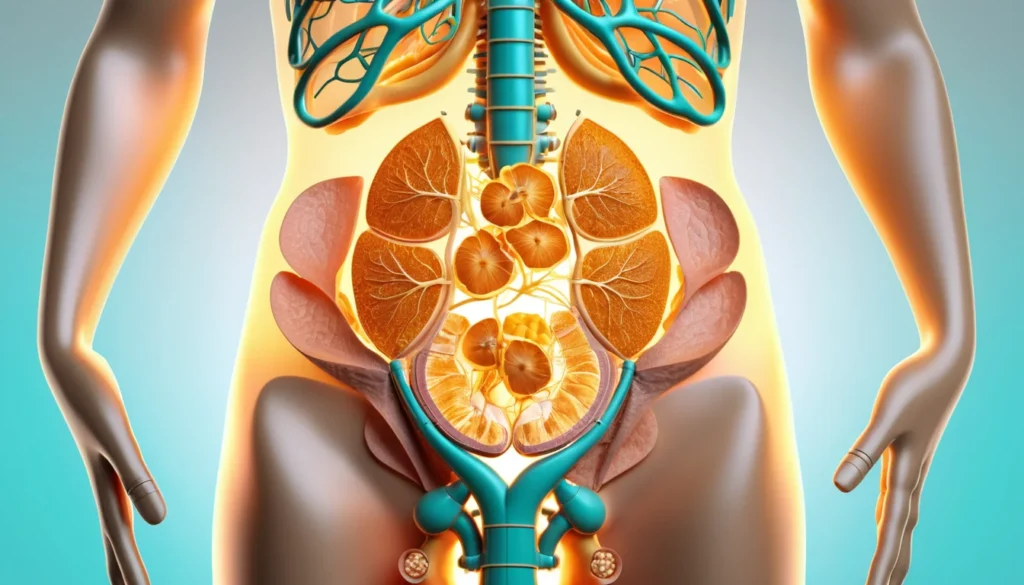
Diabetes and associated conditions often appear together, making diabetes much more than a blood sugar problem. Many Canadians living with diabetes are also at higher risk for thyroid disorders, celiac disease, joint problems, and more. Understanding these connections can help you and your family doctor stay one step ahead.
What Is Diabetes and Why Does It Affect So Many Body Systems?
Diabetes is a complex metabolic disease. It affects the way your body uses and stores energy from food. Over time, poorly managed blood sugar can damage nerves, blood vessels, and organs throughout the body.
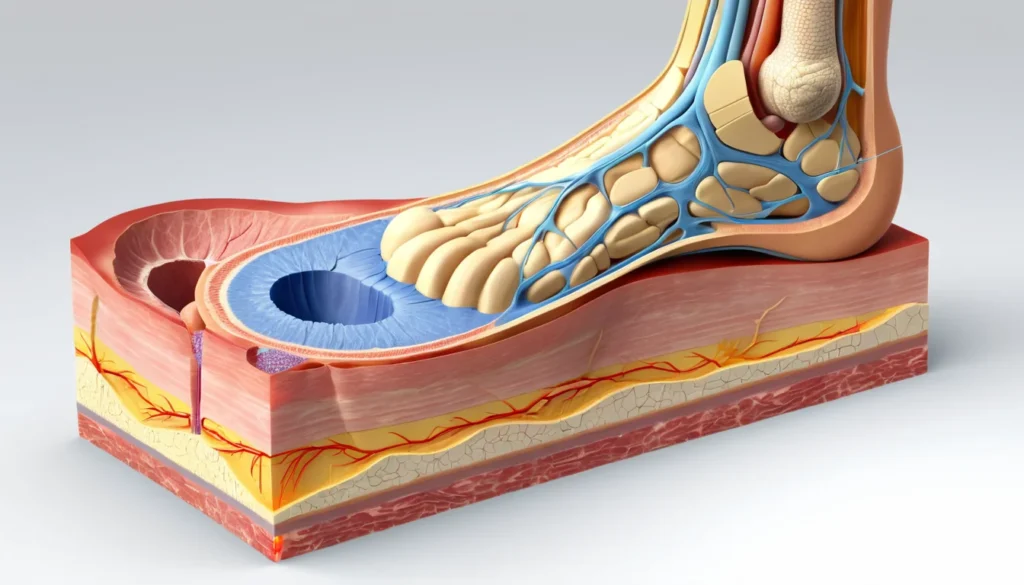
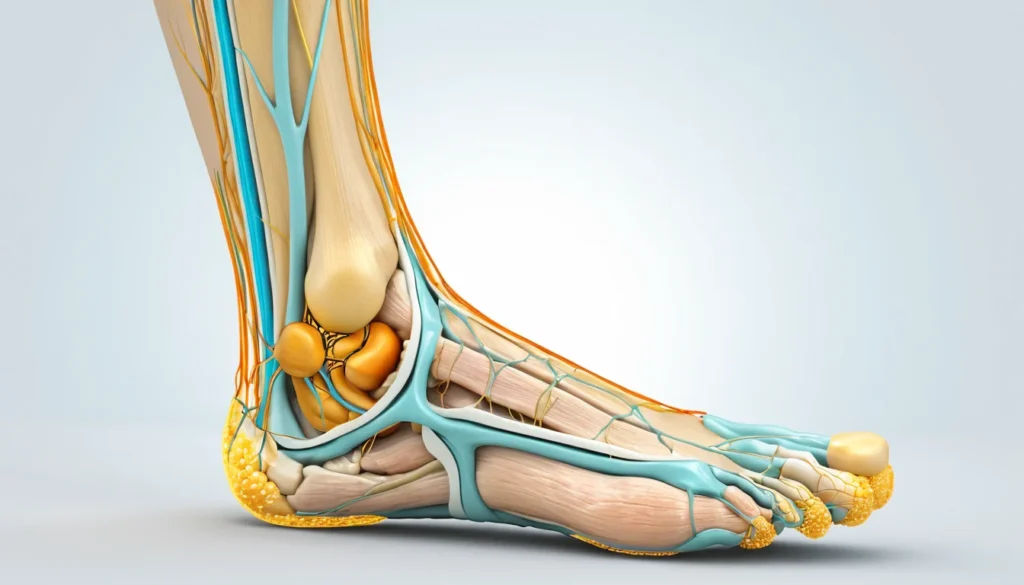
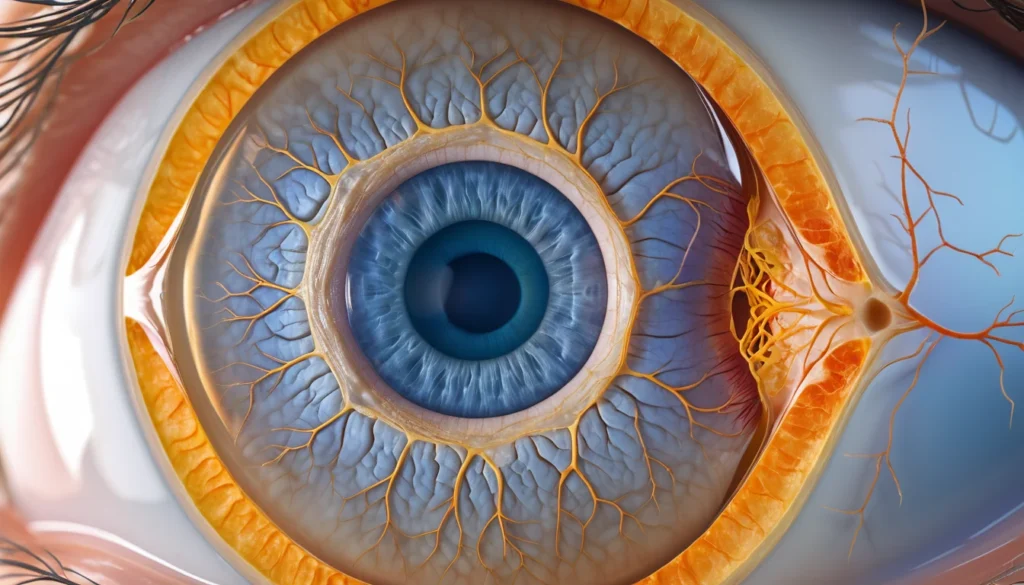
Beyond the well-known complications — such as eye disease (retinopathy), kidney disease (nephropathy), and diabetic foot problems — several other conditions are closely linked to diabetes. Some of these conditions cause diabetes. Others are made more likely because of it. In addition, some share the same underlying disease process.
According to Health Canada, over three million Canadians have been diagnosed with diabetes, and many more remain undiagnosed. Knowing which conditions are associated with diabetes can lead to earlier detection and better care.
Celiac Disease and Type 1 Diabetes
Celiac disease is an autoimmune condition that affects roughly 1 in 100 people. However, many people never receive a proper diagnosis. In celiac disease, eating gluten — a protein found in wheat, barley, and rye — triggers an immune reaction that damages the lining of the small intestine.
Celiac disease is significantly more common in people with type 1 diabetes. This is because both conditions share an autoimmune component. In other words, the immune system mistakenly attacks the body’s own tissues in both diseases.
How Is Celiac Disease Diagnosed?
A gastroenterologist (digestive system specialist) typically diagnoses celiac disease. Diagnosis involves a specific blood test followed by one or more endoscopy procedures. Current clinical guidelines recommend that all children with type 1 diabetes be screened for celiac disease.
If you or your child has type 1 diabetes, ask your family doctor about celiac screening. Many walk-in clinics can also order the initial blood test and refer you to a specialist.
Thyroid Disease and Diabetes
Thyroid disorders are more common in people with diabetes than in the general population. This is especially true for those with type 1 diabetes. Both adults and children can be affected.
There are two main types of thyroid disease:
Hypothyroidism: The thyroid gland does not produce enough thyroid hormones. This can slow your metabolism, cause fatigue, weight gain, and depression.
Hyperthyroidism: The thyroid produces too many hormones. This can speed up your metabolism, causing weight loss, anxiety, and a rapid heartbeat.
Neither condition can be cured. However, both are effectively managed with medication. Your family doctor can order a simple blood test to check your thyroid function. Regular monitoring is especially important for people already managing diabetes and associated conditions.
Polycystic Ovary Syndrome (PCOS) and Type 2 Diabetes
Polycystic ovary syndrome (PCOS) affects up to 10% of all women. Interestingly, PCOS does not result from diabetes. Instead, the relationship works the other way around.
Women with PCOS often develop insulin resistance. This means the body’s cells do not respond well to insulin. As a result, the pancreas produces more and more insulin to compensate. Over time, this can lead to type 2 diabetes. In fact, approximately 10–20% of women with PCOS eventually develop type 2 diabetes.
Managing PCOS to Reduce Diabetes Risk
PCOS can be treated, but not cured. The most important step is maintaining a healthy weight through regular physical activity and a balanced diet rich in fibre. In some cases, hormonal medication is also needed.
Women with PCOS should speak with their family doctor about regular blood sugar monitoring. Early action can significantly reduce the risk of developing type 2 diabetes. The Mayo Clinic’s guide to PCOS is a helpful resource for understanding your options.
Other Conditions Linked to Diabetes
Diabetes Insipidus
Diabetes insipidus is a separate and distinct condition from diabetes mellitus (the type most Canadians are familiar with). It occurs when the body does not produce enough of a hormone called vasopressin, also known as antidiuretic hormone. Without enough vasopressin, the kidneys cannot properly absorb water, leading to the production of very large amounts of urine.
Although the two conditions are very different, people with diabetes mellitus can also develop diabetes insipidus. Therefore, it is worth knowing the difference. Your family doctor can distinguish between the two with specific tests.
Haemochromatosis
Haemochromatosis is an inherited condition in which the body absorbs too much iron from food. This excess iron builds up and deposits in organs such as the liver, heart, and pancreas. When iron accumulates in the pancreas, it can damage the insulin-producing cells, leading to diabetes.
This connection between haemochromatosis and diabetes is well established. If you have a family history of haemochromatosis, ask your doctor about screening.
Pancreatitis
The pancreas is a small organ located behind the stomach. It produces insulin through special cells called beta cells. When the pancreas becomes inflamed, this is called pancreatitis. It can be acute (short-term) or chronic (long-term).
Acute pancreatitis develops quickly and causes severe symptoms, including:
Intense abdominal pain that may wake you at night
Nausea and vomiting
Difficulty digesting food
Diarrhoea
Acute pancreatitis requires hospital treatment. However, recovery is usually fairly quick with proper care.
Chronic pancreatitis occurs when the pancreas stays inflamed for a long time. The pancreatic cells become damaged, sometimes permanently. Additional symptoms can include fatty stools and unintended weight loss. Chronic pancreatitis can directly cause diabetes by destroying the insulin-producing cells.
Muscle and Joint Problems in People With Diabetes
Muscle and joint problems can affect anyone. However, people with diabetes face a higher risk of developing specific conditions. These are part of the broader picture of diabetes and associated conditions.
Common musculoskeletal problems linked to diabetes include:
Limited joint mobility: Joints lose their normal flexibility and become stiff. This most often affects the hands, but can also affect the wrists, elbows, knees, neck, and lower back. It is often seen alongside other diabetes complications like eye and kidney disease.
Frozen shoulder: This condition causes pain, stiffness, and severely reduced movement in the shoulder joint. It is more common in people who have had diabetes for many years. Treatment may include pain medication or, in some cases, surgery.
Dupuytren’s contracture: This causes the fingers — especially the ring and little fingers — to bend inward toward the palm and stay there. The exact cause is unclear, but diabetes is a known risk factor.
Carpal tunnel syndrome: Symptoms include pain, numbness, and tingling in the hand and wrist. The discomfort often gets worse at night. Treatment ranges from wrist splints to surgery, depending on severity.
Dental Health and Diabetes
People with diabetes are estimated to be three times more likely to develop dental problems than the general population. This risk is even higher for those with type 1 diabetes.
High blood sugar levels create an environment in the mouth that makes it easier for bacteria to thrive. This can lead to gum disease, tooth decay, dry mouth, and infections. Furthermore, gum disease can make blood sugar harder to control, creating a difficult cycle.
It is important to visit your dentist at least every six months. Always let your dentist know you have diabetes. Many provincial health plans in Canada offer some dental coverage, especially for children and lower-income adults — check with your provincial health authority for details. You can also learn more through Healthline’s overview of diabetes and dental health.
When to See a Doctor
If you have diabetes, regular check-ups with your family doctor are essential. Do not wait for symptoms to appear before seeking care. Many of the conditions linked to diabetes develop slowly and quietly.
You should contact your family doctor or visit a walk-in clinic if you notice:
Unexplained fatigue, weight changes, or mood shifts (possible thyroid issue)
Digestive problems or bloating after eating bread or pasta (possible celiac disease)
Irregular periods or difficulty getting pregnant (possible PCOS)
Persistent shoulder, hand, or wrist pain or stiffness
Severe abdominal pain with nausea (possible pancreatitis — seek urgent care)
Increased thirst and very frequent urination beyond your usual diabetes symptoms
Early diagnosis makes a real difference. Always consult your doctor before making any changes to your health routine or treatment plan.
Frequently Asked Questions
What conditions are most commonly associated with diabetes?
Diabetes and associated conditions include thyroid disease, celiac disease, polycystic ovary syndrome (PCOS), pancreatitis, haemochromatosis, and various joint and dental problems. People with type 1 diabetes are especially prone to other autoimmune conditions. Knowing these links helps you and your doctor monitor your health more closely.
Can diabetes cause thyroid problems?
Thyroid disease is more common in people with diabetes, particularly type 1 diabetes, because both often involve the immune system. However, diabetes does not directly cause thyroid disease — they tend to occur together due to shared autoimmune pathways. Your family doctor can check your thyroid function with a simple blood test.
Does PCOS always lead to diabetes?
Not always, but PCOS significantly raises the risk of developing type 2 diabetes. Approximately 10–20% of women with PCOS eventually develop diabetes, largely due to insulin resistance. Maintaining a healthy weight and staying active can greatly reduce this risk.
Is celiac disease more common in people with type 1 diabetes?
Yes, celiac disease is significantly more common in people with type 1 diabetes compared to the general population. Both conditions share an autoimmune component, meaning the immune system attacks the body’s own tissues in both cases. Canadian clinical guidelines recommend that all children with type 1 diabetes be screened for celiac disease.
Can diabetes cause joint pain and stiffness?
Yes, people with diabetes have a higher risk of developing joint problems such as frozen shoulder, limited joint mobility, Dupuytren’s contracture, and carpal tunnel syndrome. These are recognised diabetes and associated conditions that can significantly affect daily life. Talk to your doctor if you notice persistent stiffness or pain in your hands, wrists, or shoulders.
Why do people with diabetes have more dental problems?
High blood sugar levels create conditions in the mouth that allow harmful bacteria to thrive more easily, increasing the risk of gum disease, tooth decay, and infections. People with diabetes are estimated to be three times more likely to develop dental problems than the general population. Visiting your dentist every six months and keeping your blood sugar well controlled are the best defences.
Key Takeaways
Diabetes and associated conditions are closely linked — managing one often means monitoring the others.
People with type 1 diabetes face a higher risk of autoimmune conditions like celiac disease and thyroid disorders.
PCOS can lead to type 2 diabetes through insulin resistance — early lifestyle changes can help prevent this.
Joint problems, including frozen shoulder and carpal tunnel syndrome, are more common in people with diabetes.
Dental health is directly affected by blood sugar levels — regular dental visits are essential.
Always work with your family doctor to monitor for these associated conditions through regular check-ups and appropriate screening tests.
If you do not have a family doctor, a walk-in clinic can help with initial screening and referrals.