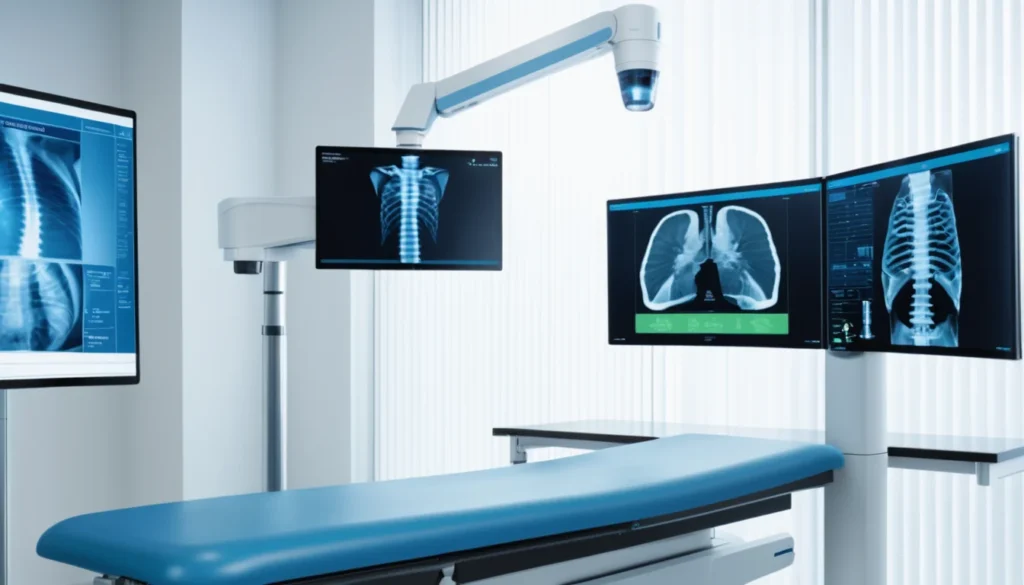
A DEXA scan is a quick, painless test that measures how strong and dense your bones are. It stands for dual-energy X-ray absorptiometry, and doctors also call it a bone density test or osteodensitometry. This article explains how a DEXA scan works, who should get one, what the results mean, and how to access this test through your Canadian healthcare system.
What Is a DEXA Scan?
A DEXA scan uses two low-dose X-ray beams to measure the amount of calcium and minerals in your bones. The machine measures how many of those beams pass through your bone. The denser your bones, the fewer beams pass through.
This test gives doctors a clear picture of your bone health. It is the gold standard for diagnosing osteoporosis — a condition where bones become weak and break more easily. Osteoporosis affects millions of Canadians, and many people do not know they have it until a bone breaks.
For more background on bone health and osteoporosis, visit the Health Canada official health information portal.
How Does a DEXA Scan Work?
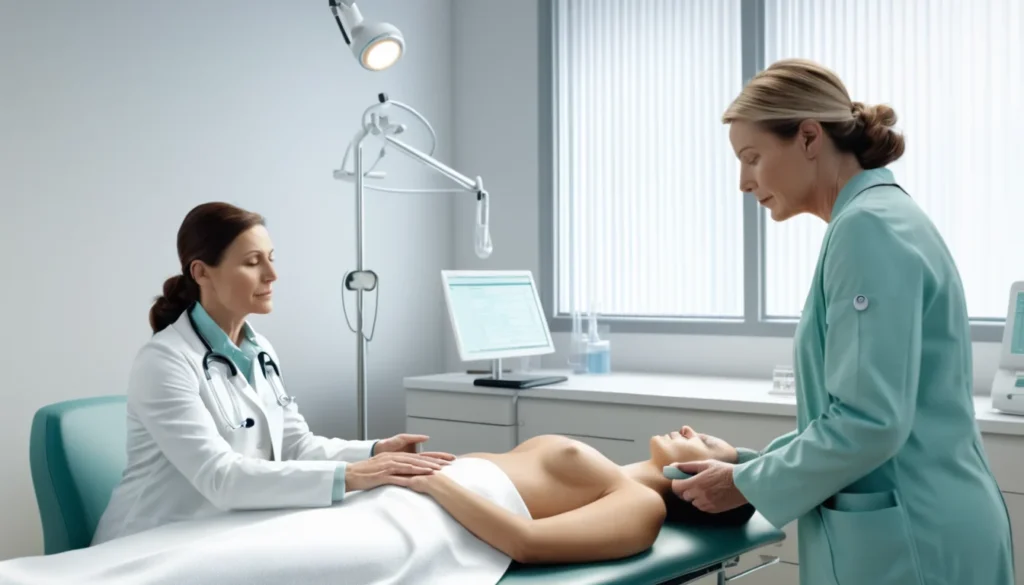
The test is straightforward and takes only about 10 to 30 minutes. You lie fully clothed on a padded table. A scanning arm moves slowly over your body, usually focusing on your lower spine and hips.
The machine sends two different X-ray energy levels through your bones. A detector on the other side measures how much energy passes through. A computer then calculates your bone mineral density, or BMD.
Is a DEXA Scan Safe?
Yes. A DEXA scan uses very little radiation — far less than a standard chest X-ray. The dose is so low that the technician does not need to leave the room during the scan. Most people, including older adults and those with health conditions, can safely have this test.
However, if you are pregnant or think you might be, tell your doctor before booking. Radiation exposure of any kind is avoided during pregnancy as a precaution.
What Does the Machine Measure?
The scanner focuses most often on the hip and lumbar spine. These are the areas most at risk for fractures caused by osteoporosis. In some cases, the forearm or wrist may also be scanned.
The result is a bone mineral density score. This score tells your doctor whether your bones are in a healthy range, or whether they are thinner than expected for your age.
Understanding Your DEXA Scan Results
Your results come as two scores: a T-score and a Z-score. These numbers help your doctor understand where your bone density falls compared to others.
What Is a T-Score?
A T-score compares your bone density to that of a healthy young adult. Here is how to read it:
-1.0 or above: Normal bone density.
Between -1.0 and -2.5: Low bone density, also called osteopenia. This means your bones are thinner than normal but not yet osteoporotic.
-2.5 or below: Osteoporosis. Your bones are significantly weakened.
A lower T-score means your bones are less dense. Therefore, a score of -3.0 is more concerning than a score of -1.5. Your doctor will explain what your specific score means for your health.
What Is a Z-Score?
A Z-score compares your bone density to other people of the same age, sex, and body size. This score is especially useful for younger adults, children, and premenopausal women. A Z-score below -2.0 suggests your bone loss may not be due to aging alone, and further investigation may be needed.
Who Should Get a DEXA Scan in Canada?
Not everyone needs a DEXA scan. However, certain groups are at higher risk for osteoporosis and may benefit from early screening. In Canada, Osteoporosis Canada recommends testing for specific groups.
You may need a DEXA scan if you:
Are a woman aged 65 or older.
Are a man aged 70 or older.
Have broken a bone after a minor fall or injury.
Have been on corticosteroid medications (such as prednisone) for three months or more.
Have a parent who experienced a hip fracture.
Have rheumatoid arthritis, celiac disease, or another condition that affects bone health.
Are a woman who went through menopause before age 45.
Have had significant, unplanned weight loss.
Your family doctor is the best person to assess your risk. They can refer you for a DEXA scan through your provincial health plan if it is medically appropriate. In most provinces, bone density testing is covered when a referral is provided.
For a deeper look at osteoporosis risk factors, the Mayo Clinic’s osteoporosis overview is an excellent resource.
How to Prepare for a DEXA Scan
Preparing for a DEXA scan is simple. In most cases, you do not need to fast or make any major changes to your routine beforehand.
Before the Test
Here are a few things to keep in mind:
Wear comfortable, loose-fitting clothing without metal zippers, buttons, or clasps.
Avoid taking calcium supplements for at least 24 hours before your scan.
Tell the technician if you recently had a CT scan or barium contrast study, as these can affect results.
Leave jewellery at home when possible.
You will be asked to lie still on the table during the scan. Most people find the experience very easy and comfortable. There is no injection and no need to undress.
During and After the Test
The technician will position you carefully on the table. The scanning arm moves over you slowly and quietly. You will not feel anything during the scan itself.
After the test, you can return to your normal activities right away. There is no recovery time needed. Your results are typically sent to your referring doctor within a few days.
How Can You Improve Your Bone Density?
If your DEXA scan shows low bone density, do not panic. There are many effective ways to strengthen your bones and reduce your risk of fractures.
Lifestyle Changes That Help
Your daily habits have a powerful effect on bone health. Consider these evidence-based steps:
Get enough calcium: Adults need 1,000–1,200 mg of calcium per day. Good sources include dairy products, leafy greens, almonds, and fortified plant-based milks.
Vitamin D: Vitamin D helps your body absorb calcium. Many Canadians are deficient, especially in winter. Your doctor may recommend a supplement.
Weight-bearing exercise: Walking, hiking, dancing, and strength training all help build and maintain bone mass.
Quit smoking: Smoking reduces bone density over time.
Limit alcohol: Heavy alcohol use weakens bones and increases fall risk.
Prevent falls: Remove trip hazards at home, use handrails, and wear supportive footwear.
Medical Treatments
In some cases, lifestyle changes alone are not enough. Your doctor may prescribe medication to slow bone loss or build new bone. Common options include bisphosphonates, denosumab, and hormone-related therapies. Your doctor will choose the right option based on your results, age, and overall health.
Furthermore, follow-up DEXA scans are often recommended every one to two years if you are on treatment, so your doctor can track your progress.
The Healthline guide to osteoporosis treatments offers a clear breakdown of current medical options.
When to See a Doctor About Bone Health
You do not need to wait for a broken bone to talk about your bone health. Many Canadians are unaware they have low bone density until a fracture occurs. Early action makes a real difference.
Book an appointment with your family doctor if you:
Are approaching the recommended screening age.
Have one or more risk factors listed above.
Have noticed you are getting shorter over time.
Have had back pain without an obvious cause.
Have recently broken a bone from a minor bump or fall.
If you do not have a family doctor, a walk-in clinic can also help assess your risk and provide a referral for a DEXA scan. Provincial health plans in most of Canada cover this test when it is medically indicated. Ask your care provider about eligibility in your province or territory.
Always speak with a qualified healthcare provider before making any decisions about your bone health. This article is for general information only and does not replace professional medical advice.
Frequently Asked Questions About DEXA Scans
How long does a DEXA scan take?
A DEXA scan typically takes between 10 and 30 minutes from start to finish. The actual scanning time is very short, and most of the time is spent getting positioned correctly on the table. You can go home immediately after and resume your normal activities.
Is a DEXA scan covered by provincial health insurance in Canada?
In most Canadian provinces, a DEXA scan is covered by the provincial health plan when it is medically necessary and requested by a doctor. Eligibility criteria vary by province, so it is best to ask your family doctor or walk-in clinic whether you qualify for a covered referral.
How often should I get a bone density test?
How often you need a DEXA scan depends on your age, risk factors, and previous results. Many guidelines suggest repeating the test every one to two years if you are on treatment, or every three to five years for routine monitoring. Your doctor will recommend the right schedule for your situation.
Does a DEXA scan hurt?
No, a DEXA scan is completely painless. You simply lie still on a padded table while the scanning arm moves over you. There are no needles, no injections, and nothing inserted into your body during the test.
What is the difference between a DEXA scan and a regular X-ray?
A regular X-ray shows the structure of your bones, but a DEXA scan specifically measures bone mineral density with much greater precision. A DEXA scan also uses significantly less radiation than a standard X-ray. It is designed specifically to detect bone loss before a fracture occurs.
Can men get osteoporosis and need a DEXA scan?
Yes, men can develop osteoporosis, though it is less common than in women. A DEXA scan is recommended for men aged 70 and older, or earlier if risk factors such as low testosterone, steroid use, or a history of fractures are present. Men should discuss their bone health with their family doctor.
Key Takeaways
A DEXA scan is a safe, painless test that measures your bone mineral density.
It is the most accurate way to diagnose osteoporosis and assess fracture risk.
Results are given as T-scores and Z-scores, which your doctor will interpret for you.
Women over 65, men over 70, and anyone with key risk factors should consider getting tested.
In most Canadian provinces, the test is covered by the provincial health plan with a doctor’s referral.
Lifestyle changes — including calcium, vitamin D, and exercise — can improve bone density.
Talk to your family doctor or visit a walk-in clinic to find out if a DEXA scan is right for you.