A deviated septum is one of the most common nasal conditions in Canada, affecting roughly 80% of people to some degree. It happens when the thin wall inside your nose — called the nasal septum — shifts to one side. In mild cases, you may never notice it. However, a severe deviation can block airflow, cause chronic sinus infections, and seriously affect your quality of life. This article explains what a deviated septum is, what causes it, and what your treatment options are.
What Is a Deviated Septum?
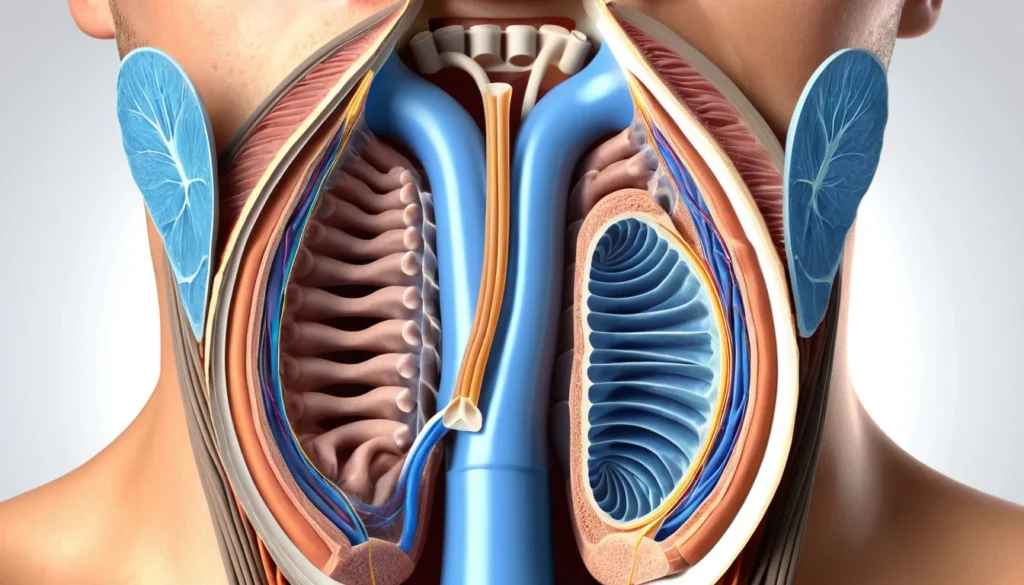
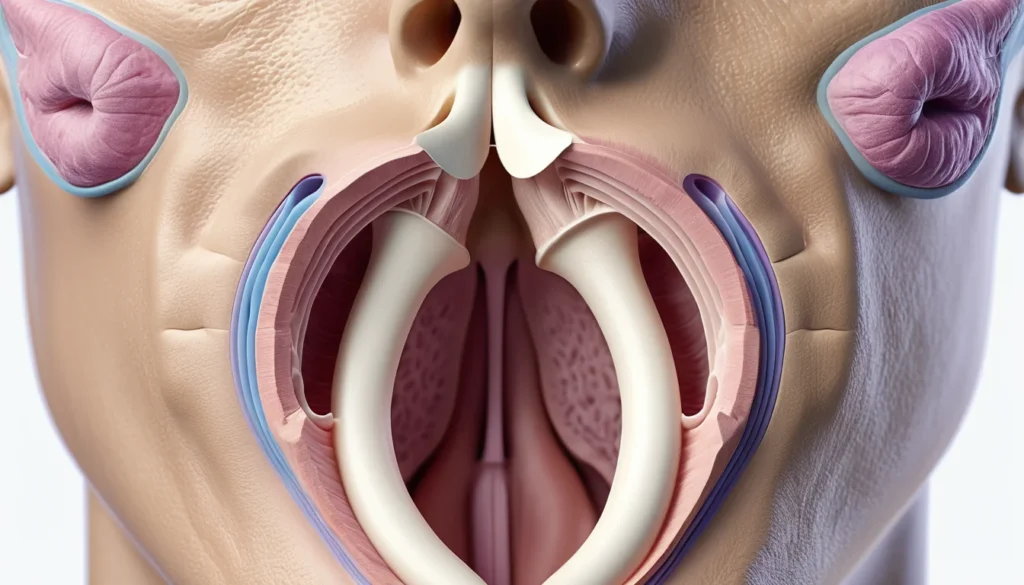
Your nasal septum is the wall of cartilage and bone that divides your nose into two separate passages. Ideally, it sits right in the middle and creates two equal airways. When the septum leans too far to one side, that is called a deviated septum.
A minor deviation rarely causes problems. However, a significant shift can narrow or even block one nostril. This makes it harder to breathe, especially during a cold or allergy flare-up when nasal tissues are already swollen.
According to the Mayo Clinic’s overview of deviated septum, most people are born with some degree of deviation or develop one after a nasal injury.
Causes of a Deviated Septum
There are two main reasons a septum becomes deviated. Understanding the cause can help you and your doctor choose the right treatment.
Present at Birth
Some people are born with a deviated septum. It can develop during fetal growth in the womb. In some cases, the deviation happens during childbirth itself, especially in difficult deliveries.
Injury or Trauma
Nasal injuries are a very common cause. A hard knock to the nose — from a fall, a car accident, or contact sports — can push the septum out of position. Even a seemingly minor hit can cause a noticeable shift over time.
In addition, the septum can shift gradually as you age. Natural changes in the nose’s structure can make a mild deviation worse over the years.
Risk Factors
Certain activities and habits raise your risk of developing a deviated septum from injury. These include:
Playing contact sports such as hockey, rugby, or martial arts
Not wearing a seatbelt while driving or riding in a vehicle
A history of nasal injuries, even ones that seemed minor at the time
If you play contact sports, wearing a properly fitted helmet and face guard can lower your risk significantly. Canada’s provincial health guidelines consistently recommend protective gear for injury prevention.
Symptoms of a Deviated Septum
Symptoms depend on how far the septum has shifted. A small deviation may cause no symptoms at all. A more severe one can affect your daily life in several ways.
Breathing and Nasal Symptoms
The most common symptom is a blocked nostril on one or both sides. This makes it hard to breathe through your nose, particularly during a cold, respiratory infection, or allergy season. Many Canadians notice their symptoms get much worse in spring and fall when pollen counts are high.
Nasal congestion is another frequent complaint. This can lead to a runny nose and postnasal drip, where mucus drains down the back of your throat instead of out through your nose.
Nosebleeds
The surface of a deviated septum can dry out more easily than normal. Dry nasal tissue is more fragile and more likely to bleed. As a result, frequent nosebleeds are a telltale sign of a significant deviation.
Sinus Infections
When mucus cannot drain properly, it builds up in the sinus cavities. This creates the perfect environment for bacterial growth. Therefore, people with a deviated septum often experience recurring sinus infections, along with facial pressure and headaches.
Noisy Breathing and Sleep Problems
A deviated septum can cause loud breathing or snoring during sleep. This is especially common in infants and young children. In adults, it can disrupt sleep quality and contribute to fatigue during the day.
For more information on how nasal issues affect sleep and overall health, visit Healthline’s guide to deviated septum symptoms.
How Is a Deviated Septum Diagnosed?
Diagnosis is usually straightforward. Your doctor will ask about your symptoms, including whether you have had any nasal injuries in the past. Be sure to mention all symptoms, even ones that seem unrelated.
During the physical exam, your doctor will use a bright light and a small tool called a nasal speculum. This gently widens the nostril so the doctor can see inside. From this exam alone, most doctors can confirm a deviated septum and judge how severe it is.
In some cases, your family doctor may refer you to an ear, nose, and throat (ENT) specialist — also called an otolaryngologist — for a more detailed assessment.
Treatment Options for a Deviated Septum
Treatment depends on how severe your symptoms are. Mild cases may only need medication. More serious cases often require surgery.
Medications
Your doctor may first recommend medications to manage symptoms. These do not correct the deviation itself, but they can make breathing much more comfortable. Common options include:
Decongestants: Available as pills or nasal sprays, these reduce swelling in the nasal passages to open up airflow. However, use nasal spray decongestants with caution. Using them for more than three days in a row can cause a rebound effect, making congestion worse.
Antihistamines: These help if allergies are making your symptoms worse. They reduce swelling and runny nose caused by allergic reactions.
Nasal corticosteroid sprays: These prescription sprays reduce inflammation in the nasal passages. They are safe for long-term use and are often covered under provincial drug benefit programmes for eligible Canadians.
Saline nasal rinses: A simple saltwater rinse can help flush out mucus and keep nasal passages moist. This is a low-cost, widely recommended option.
Surgery: Septoplasty
When medications are not enough, surgery is the most effective solution. The procedure is called a septoplasty. During this surgery, a doctor straightens and repositions the septum in the centre of the nose.
Septoplasty is typically an outpatient procedure, meaning you go home the same day. Recovery usually takes one to two weeks. Most patients notice a significant improvement in breathing right away.
In some cases, septoplasty is combined with rhinoplasty (reshaping of the nose) or sinus surgery. Your ENT specialist will discuss the best approach for your situation.
Septoplasty is generally covered under provincial health insurance plans in Canada when it is medically necessary. Ask your family doctor or provincial health authority about coverage in your province or territory.
When to See a Doctor
You should speak with your family doctor or visit a walk-in clinic if you notice any of the following:
Recurring sinus infections (more than three or four per year)
Frequent nosebleeds without an obvious cause
One nostril that stays blocked and does not improve after two to three weeks of treatment
Breathing problems that affect your sleep or daily activities
Your family doctor is a great first step. They can assess your symptoms, rule out other causes, and refer you to an ENT specialist if needed. If you do not have a family doctor, most walk-in clinics across Canada can provide an initial assessment and referral.
Before your appointment, it helps to write down your symptoms, when they started, and any medications you are currently taking — including vitamins and supplements. Bring a trusted family member or friend if you can. They can help you remember important information your doctor shares during the visit.
Questions worth asking your doctor include:
What is causing my symptoms?
Is my condition temporary or long-term?
What treatment do you recommend, and are there alternatives?
Is surgery covered under my provincial health plan?
What happens if I leave this untreated?
For a broader look at nasal and sinus health, the Health Canada website offers reliable resources for Canadians navigating their healthcare options.
Frequently Asked Questions About Deviated Septum
Can a deviated septum go away on its own?
No, a deviated septum does not correct itself without treatment. However, mild cases may never cause noticeable symptoms. If your symptoms are significant, speak with your family doctor about whether medication or surgery is right for you.
Is a deviated septum serious?
A minor deviated septum is rarely serious and may cause no symptoms at all. However, a severe deviation can lead to chronic sinus infections, frequent nosebleeds, and poor sleep quality. In these cases, treatment is strongly recommended.
How long is recovery after septoplasty surgery?
Most people recover from septoplasty within one to two weeks. You may experience some swelling and mild discomfort in the first few days. Your ENT surgeon will give you specific post-operative instructions to help you heal as quickly as possible.
Is septoplasty covered by provincial health insurance in Canada?
In most Canadian provinces, septoplasty is covered under provincial health insurance when it is deemed medically necessary. Coverage can vary by province, so it is best to confirm with your family doctor and your provincial health authority before scheduling the procedure.
What is the difference between a deviated septum and a broken nose?
A broken nose involves a fracture of the nasal bones, while a deviated septum refers specifically to the cartilage wall shifting off-centre. A broken nose can cause a deviated septum, but the two conditions are not the same. Both should be assessed by a doctor.
Can allergies make a deviated septum worse?
Yes, allergies can significantly worsen the symptoms of a deviated septum. Allergic reactions cause the nasal tissues to swell, which further narrows an already restricted airway. Managing your allergies with antihistamines or nasal sprays can help reduce the overall impact.
Key Takeaways
A deviated septum occurs when the nasal septum shifts to one side, narrowing or blocking one or both nostrils.
About 80% of people have some degree of deviation, but only severe cases need treatment.
Common symptoms include nasal congestion, nosebleeds, recurring sinus infections, and disrupted sleep.
Treatment starts with medications such as decongestants and nasal corticosteroid sprays.
When medications are not enough, septoplasty surgery can correct the deviation and is often covered by provincial health plans in Canada.
See your family doctor or a walk-in clinic if symptoms persist or affect your daily life.
Always consult a qualified healthcare provider before starting any new treatment or making decisions about surgery.