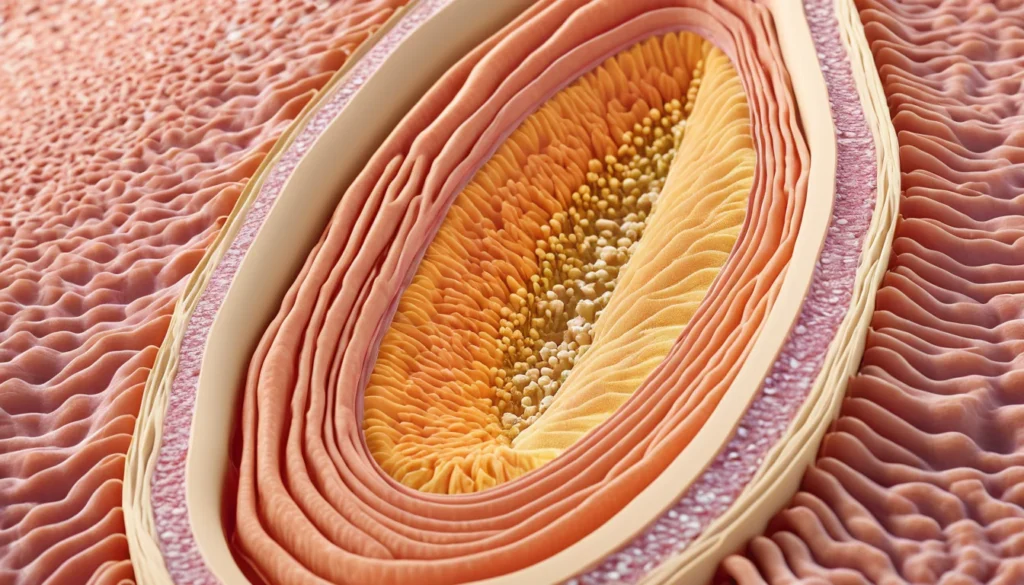
The dermis is the middle layer of your skin, and it does far more than most people realize. It sits between the outer layer (called the epidermis) and the deeper fatty layer beneath (called the hypodermis). The dermis gives your skin its strength, flexibility, and ability to regulate body temperature. In this article, we explain what the dermis is, how it works, and why keeping it healthy matters for your overall wellbeing.
What Is the Dermis?
Your skin has three main layers. The outermost layer is the epidermis — the part you can see and touch. Below that sits the dermis. Beneath the dermis is the hypodermis, a layer of fat and connective tissue.
The dermis is thicker than the epidermis. It makes up most of your skin’s total thickness. In fact, the dermis accounts for roughly 90% of your skin’s depth, depending on where on the body it is measured.
This layer is not simply a passive cushion. It is an active, living structure full of fibres, blood vessels, nerve endings, and specialized cells. Each of these components plays a specific and important role in keeping your body healthy.
The Structure of the Dermis
The dermis is divided into two sub-layers. These are the papillary dermis (the upper portion) and the reticular dermis (the deeper portion). Together, they form a dense and flexible network of tissue.
The Papillary Dermis
The papillary dermis sits just below the epidermis. It contains thin, loosely arranged collagen fibres. This layer also holds capillaries — tiny blood vessels that bring nutrients up to the epidermis above.
In addition, the papillary dermis contains nerve endings that sense touch, pain, and temperature. These signals travel from your skin to your brain, helping you react to the world around you.
The Reticular Dermis
The reticular dermis is the deeper and thicker of the two sub-layers. It contains densely packed collagen and elastin fibres. These fibres give your skin both strength and the ability to stretch and spring back into shape.
The reticular dermis also houses hair follicles, sweat glands, and sebaceous (oil) glands. These structures are essential for temperature control and skin moisture.
Key Functions of the Dermis
The dermis performs several vital functions every single day. Understanding these functions helps explain why skin health is so closely linked to overall health.
Strength and Structure
The dermis gives your skin its mechanical strength. This is largely thanks to collagen fibres. Collagen is a protein that forms a tough, rope-like network throughout the dermis. It prevents the skin from tearing under normal physical stress.
However, collagen production naturally slows down as we age. This is one of the main reasons skin becomes thinner and more fragile over time. According to Healthline’s overview of skin layers, collagen loss is a key factor in the ageing process of the skin.
Elasticity and Flexibility
Alongside collagen, the dermis contains elastin fibres. Elastin is a protein that allows skin to stretch and then return to its original shape. Think of it like a rubber band inside your skin.
When elastin breaks down — due to ageing, sun exposure, or smoking — skin loses its ability to bounce back. This leads to sagging and the formation of wrinkles. Therefore, protecting your skin from sun damage and avoiding smoking can help preserve elastin for longer.
Protection Against Physical Injury
The dermis acts as a shock absorber. It protects the deeper tissues and organs beneath the skin from bumps, pressure, and mechanical trauma. Without this protective layer, even minor physical impacts could cause serious internal damage.
Furthermore, the dermis plays a role in wound healing. When your skin is cut or injured, cells within the dermis — including fibroblasts — spring into action. They produce new collagen to repair the damaged tissue.
Temperature Regulation
Your body must maintain a stable internal temperature. The dermis helps manage this through two main mechanisms. First, blood vessels in the dermis can widen (dilate) to release heat from the body. Second, they can narrow (constrict) to retain heat when you are cold.
Sweat glands in the dermis also help cool the body down. When your core temperature rises, sweat is released onto the skin’s surface. As it evaporates, it carries heat away from the body. This is a highly efficient cooling system.
Nutrition for the Epidermis
The epidermis has no blood vessels of its own. Instead, it relies entirely on the dermis for its nutrient supply. Tiny capillaries in the upper dermis deliver oxygen and nutrients upward into the epidermis.
As a result, a healthy dermis is essential for maintaining a healthy outer skin layer. Poor circulation — caused by conditions like diabetes or peripheral artery disease — can impair this nutrient delivery and lead to skin problems.
What Can Affect the Dermis?
Many conditions and lifestyle factors can damage or weaken the dermis over time. Knowing these risks helps you make informed choices about your skin health.
Sun Exposure and UV Damage
Ultraviolet (UV) radiation from the sun is one of the biggest threats to the dermis. UV rays break down collagen and elastin fibres. Over time, this leads to premature ageing, deep wrinkles, and a leathery skin texture.
Repeated sun damage also increases the risk of skin cancer. Health Canada’s sun safety guidelines recommend using broad-spectrum sunscreen with SPF 30 or higher, wearing protective clothing, and seeking shade during peak UV hours (between 11 a.m. and 3 p.m.).
Ageing
As we get older, the dermis naturally becomes thinner. Collagen and elastin production both slow down. The number of blood vessels also decreases, which means less nutrient delivery to the epidermis.
These changes lead to drier, less resilient skin that bruises more easily. This is a normal part of ageing, but good skin care habits — including moisturising regularly and staying hydrated — can help slow these effects.
Smoking
Smoking is harmful to the dermis in several ways. It reduces blood flow to the skin, depriving the dermis of oxygen and nutrients. It also speeds up the breakdown of collagen and elastin.
Research consistently shows that smokers develop wrinkles earlier and have poorer wound healing than non-smokers. Quitting smoking is one of the most effective steps you can take to protect your skin health.
Dehydration and Poor Nutrition
The dermis relies on adequate hydration to maintain its structure. Dehydration makes skin look dull and feel tight. Drinking enough water each day supports healthy skin from the inside out.
In addition, nutrients like vitamin C, zinc, and protein are all essential for collagen production. A balanced diet rich in fruits, vegetables, and lean protein supports a healthy dermis. For more detail, see Mayo Clinic’s guide to healthy skin habits.
Skin Conditions That Affect the Dermis
Several common skin conditions involve the dermis directly. These include:
Psoriasis — a chronic autoimmune condition that speeds up skin cell turnover and causes inflammation in the dermis
Eczema (atopic dermatitis) — causes inflammation and disrupts the skin barrier, often affecting the dermis
Scleroderma — a condition where excess collagen builds up in the dermis, causing skin to harden and tighten
Stretch marks (striae) — occur when the dermis tears due to rapid stretching of the skin, such as during pregnancy or rapid weight changes
Cellulitis — a bacterial infection of the dermis and surrounding tissue that requires prompt medical treatment
How to Keep Your Dermis Healthy
Looking after your dermis does not require expensive products or complicated routines. A few consistent habits can make a significant difference over time.
Wear sunscreen daily — even on cloudy days or in winter, UV rays can still penetrate the skin
Stay hydrated — aim for about 8 cups (2 litres) of water per day, though individual needs vary
Eat a balanced diet — include foods rich in vitamin C (citrus fruits, bell peppers), zinc (nuts, seeds), and protein to support collagen production
Moisturise regularly — applying a good moisturiser after bathing helps lock in hydration and supports skin barrier function
Avoid smoking — quitting smoking improves blood flow to the dermis and slows collagen breakdown
Get enough sleep — the body repairs skin tissue during sleep; aim for 7–9 hours per night for adults
Exercise regularly — physical activity improves circulation, which supports nutrient delivery to skin cells
When to See a Doctor
Most skin changes are harmless and related to normal ageing or minor irritation. However, some changes in the skin may signal a problem with the dermis that needs professional attention.
You should speak with your family doctor or visit a walk-in clinic if you notice any of the following:
A wound or cut that is not healing properly after two weeks
Skin that is suddenly hardening or thickening without a clear cause
A rash, redness, or swelling that is spreading or does not improve within a few days
Skin that feels unusually tight, numb, or painful
Any new or changing mole, dark spot, or growth on the skin
Signs of infection such as warmth, pus, or red streaks spreading from a wound
If your concerns are more complex, your family doctor may refer you to a dermatologist — a skin specialist. In Canada, this referral is typically covered under your provincial health plan, though wait times can vary by province.
Do not hesitate to seek care early. Skin conditions are much easier to treat when caught at an early stage. As always, this article is for informational purposes only. Please consult a qualified healthcare provider for any personal medical concerns.
Frequently Asked Questions About the Dermis
What is the dermis and what does it do?
The dermis is the middle layer of your skin, located between the epidermis (outer layer) and the hypodermis (fatty layer below). It provides strength and flexibility to the skin through collagen and elastin fibres. The dermis also regulates body temperature, protects inner tissues, and supplies nutrients to the outer skin layer.
What are the two layers of the dermis?
The dermis is divided into two layers: the papillary dermis and the reticular dermis. The papillary dermis is the thinner upper layer, containing capillaries and nerve endings. The reticular dermis is the thicker lower layer, packed with collagen fibres, elastin, hair follicles, and sweat glands.
What happens to the dermis as you age?
As you age, the dermis becomes thinner and produces less collagen and elastin. This leads to wrinkles, sagging skin, and slower wound healing. Good habits like sun protection, staying hydrated, and not smoking can help slow this process.
Can the dermis repair itself after injury?
Yes, the dermis has a natural ability to repair itself after injury. Specialized cells called fibroblasts produce new collagen to fill in damaged areas. However, deep wounds may heal with scar tissue, which has a different texture and colour than normal skin.
What conditions affect the dermis?
Several conditions can affect the dermis, including psoriasis, eczema, scleroderma, cellulitis, and stretch marks. Sun damage and smoking are also major causes of dermis deterioration over time. If you notice unusual changes in your skin, it is worth speaking with your family doctor or visiting a walk-in clinic.
How can I keep my dermis healthy?
You can protect your dermis by wearing sunscreen every day, eating a diet rich in vitamin C and protein, staying well hydrated, and avoiding smoking. Regular exercise improves circulation, which supports nutrient delivery to skin cells. Getting 7–9 hours of sleep each night also gives your dermis time to repair and regenerate.
Key Takeaways
The dermis is the middle layer of your skin, sitting between the epidermis and hypodermis It contains collagen fibres (for strength) and elastin fibres (for flexibility) The dermis protects deeper tissues, regulates body temperature, and delivers nutrients to the outer skin layer Sun exposure, ageing, smoking, and dehydration are the main threats to dermis health Wearing sunscreen, eating well, staying hydrated, and not smoking are the best ways to protect your dermis See your family doctor or visit a walk-in clinic if you notice unusual skin changes, slow-healing wounds, or signs of infection