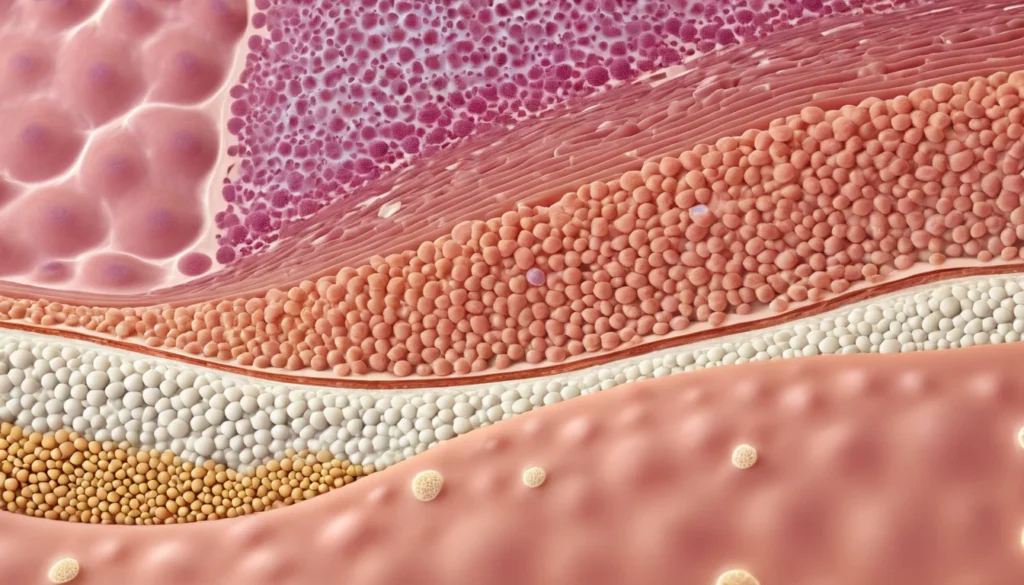
Dermatitis is a common skin condition that causes inflammation, redness, itching, and irritation. It affects millions of Canadians and can range from mild to severe. While it is rarely dangerous, dermatitis can seriously affect your quality of life and daily comfort. This article explains the types, symptoms, causes, and treatment options — so you know what to look for and when to reach out to your healthcare provider.
What Is Dermatitis?
Dermatitis simply means inflammation of the skin. It is not a single disease but rather a group of conditions that cause the skin to become red, itchy, dry, or blistered. The word comes from the Greek words for skin (derma) and inflammation (itis).
There are several types of dermatitis, each with different triggers. However, many of them share similar symptoms and respond to similar treatments. Understanding the type you have is the first step toward finding relief.
Common Symptoms of Dermatitis
Dermatitis is a chronic condition for many people, meaning it tends to flare up and then calm down over time. The symptoms you experience may vary depending on the type and stage of the condition.
In the early stages, you may notice redness caused by increased blood flow to the skin. During an active flare, blisters or weeping sores can develop. As the skin heals, it often becomes dry, flaky, or thickened — a process called lichenification.
Symptoms to Watch For
Dry, cracked, or scaly skin — often the first sign
Redness or skin discolouration — caused by inflammation
Intense itching — which can worsen at night
Blisters or bumps — which may ooze or crust over
Swelling or a burning sensation — especially in contact dermatitis
Thickened or leathery patches — from repeated scratching
In adults, inflamed, thickened patches often appear on the inner elbows, behind the knees, the wrists, neck, face, and eyelids. The skin around the ears can also be affected. Children may experience symptoms in different areas depending on their age and activities.
Types of Dermatitis and Their Causes
Dermatitis develops for many different reasons. The type is usually identified by what triggers it. Here are the most common forms you may encounter in Canada.
Contact Dermatitis
Contact dermatitis is the most common form of dermatitis. It appears when your skin comes into direct contact with an irritant or allergen. The rash usually develops right where contact occurred, making it easier to identify the cause.
For example, touching poison ivy — which grows across many parts of Canada — can trigger a red, blistering rash in that exact area. The same reaction can happen with jewellery, synthetic fabrics, cleaning products, or cosmetics.
There are two subtypes of contact dermatitis:
Irritant contact dermatitis — caused by direct skin damage from a substance. Common irritants include detergents, soaps, chlorine, nail polish, acetone, antiperspirants, and formaldehyde found in some clothing and household products.
Allergic contact dermatitis — caused by an immune reaction to a substance you are sensitive to. Common allergens include nickel (found in jewellery and belt buckles), certain antibiotics applied to the skin, fragrances, hair dye, rubber, and plants like poison ivy or poison oak.
In some cases, a single exposure is enough to trigger a reaction in a sensitive person. In other cases, the allergy builds up slowly over months or even years of repeated exposure. Once the allergy develops, even a tiny amount of the substance can cause a strong reaction.
Atopic Dermatitis (Eczema)
Atopic dermatitis, commonly known as eczema, is a chronic condition that tends to run in families. It is closely linked to asthma and hay fever — if you or a close family member has one of these conditions, your risk is higher.
The exact cause is not fully understood, but it involves a combination of genetic factors and environmental triggers. Environmental pollution and higher socioeconomic exposure to certain products may also play a role. According to Health Canada, skin conditions like eczema are among the most common reasons Canadians seek medical care.
Other Forms of Dermatitis
Some types of dermatitis are triggered by sun exposure. Phototoxic dermatitis, for example, can occur when certain plant substances on the skin react with sunlight — this is sometimes called phytophotodermatitis. Irritant dermatitis can also be caused by prolonged or intense sun exposure.
Furthermore, some forms of dermatitis are triggered from within the body. These endogenous types are linked to personal or family history of allergic conditions and are not caused by direct skin contact with a substance.
Who Is at Higher Risk?
Dermatitis can affect anyone at any age. However, certain groups are at a higher risk of developing it. Knowing your risk factors can help you take steps to protect your skin.
Occupational Risk
Some jobs significantly increase the risk of contact dermatitis. In Canada, workers in these fields should take extra precautions:
Healthcare and dental workers (frequent handwashing, glove use)
Hairdressers and cosmeticians (exposure to dyes, chemicals, and shampoos)
Construction workers (contact with cement, metals, and solvents)
Mechanics (exposure to oils, grease, and cleaning solvents)
Gardeners and farmers (contact with plants, fertilisers, and pesticides)
Cooks and food handlers (repeated exposure to water, detergents, and food acids)
Children and Dermatitis
Children can develop dermatitis from many of the same triggers as adults. In addition, infants and toddlers face unique exposures such as diapers, baby wipes, certain creams, and clothing with metal snaps or synthetic dyes. Diaper rash is one of the most common forms of irritant contact dermatitis in babies.
As noted by the Mayo Clinic, children with eczema often see improvement as they grow older, though some continue to experience flare-ups into adulthood.
Common Allergens and Irritants to Know
Being aware of common triggers can help you avoid them. The following substances are frequently linked to dermatitis reactions in Canada:
Nickel — found in jewellery, watchbands, and belt buckles
Fragrances and preservatives — in perfumes, lotions, and personal care products
Topical antibiotics — such as neomycin found in some first-aid creams
Formaldehyde — used in disinfectants, some clothing, and cosmetics
Hair dye ingredients — especially paraphenylenediamine (PPD)
Rubber and latex — found in gloves, elastic waistbands, and medical supplies
Plants — poison ivy, poison oak, and even some fruits and vegetables
Household cleaners — bleach, detergents, and disinfectant sprays
Therefore, reading product labels and wearing protective gloves during cleaning or gardening can make a significant difference. Healthline’s guide on contact dermatitis offers helpful tips on identifying and avoiding common triggers.
Treatment Options for Dermatitis
Treatment for dermatitis depends on the type and severity of your symptoms. The good news is that most cases can be managed effectively with the right approach. Your treatment plan may include a mix of lifestyle changes, over-the-counter products, and prescription medications.
Mild to Moderate Dermatitis
For mild cases, the first step is identifying and avoiding the trigger. Once you remove the irritant or allergen, many cases of contact dermatitis clear up on their own within two to four weeks.
In addition, the following self-care measures can help soothe symptoms:
Apply fragrance-free moisturising creams regularly to keep the skin hydrated
Use gentle, unscented soaps and laundry detergents
Take lukewarm baths or showers instead of hot ones
Apply cool, wet compresses to relieve itching and reduce inflammation
Wear loose-fitting, breathable clothing made from natural fibres like cotton
Use over-the-counter hydrocortisone creams for short-term itch relief
Moderate to Severe Dermatitis
When symptoms are more severe or do not improve with self-care, your doctor may recommend prescription-strength treatments. These can include stronger topical corticosteroid creams, calcineurin inhibitors (non-steroidal creams that reduce immune response), or oral antihistamines to control itching.
For chronic or widespread dermatitis, a dermatologist may suggest light therapy (phototherapy), oral corticosteroids, or newer biologic medications that target specific pathways in the immune system. These treatments are typically covered, at least partially, through provincial health plans — but coverage varies by province, so it is worth checking with your benefits provider.
When to See a Doctor
Many cases of dermatitis can be managed at home. However, you should contact your family doctor or visit a walk-in clinic if:
Your rash is spreading rapidly or covers a large area of your body
Your skin shows signs of infection — such as warmth, swelling, pus, or fever
Itching is severe and disrupting your sleep or daily activities
Over-the-counter treatments have not helped after two weeks
You are unsure what is causing your rash
Your child has a persistent or worsening rash
A family doctor can often diagnose dermatitis based on a physical examination and your health history. In some cases, they may refer you to a dermatologist — a skin specialist — for patch testing or more advanced treatment. Most provincial health plans in Canada cover these referrals.
As a reminder, always consult a qualified healthcare provider before starting any new treatment for dermatitis. What works for one person may not be right for another.
Frequently Asked Questions About Dermatitis
What is the difference between dermatitis and eczema?
Eczema is actually a type of dermatitis. The term dermatitis refers to any inflammation of the skin, while eczema — or atopic dermatitis — is a specific chronic form linked to genetics and immune system responses. Both cause itching, redness, and dry skin, but eczema tends to be long-lasting and recurrent.
Is dermatitis contagious?
No, dermatitis is not contagious. You cannot catch it from another person through touch or close contact. Dermatitis is caused by internal factors like genetics, or external triggers like allergens and irritants, not by bacteria or viruses that spread between people.
Can dermatitis go away on its own?
Mild cases of contact dermatitis often clear up on their own within a few weeks once you remove the trigger. However, atopic dermatitis is a chronic condition that may require ongoing management. Consistent skin care, trigger avoidance, and medical treatment can help keep flare-ups under control.
What foods can trigger dermatitis flare-ups?
In some people, certain foods can worsen dermatitis symptoms, particularly in atopic dermatitis. Common food triggers include dairy, eggs, nuts, soy, and gluten. However, food triggers vary greatly between individuals, so it is best to speak with your doctor before eliminating foods from your diet.
How is dermatitis diagnosed in Canada?
Your family doctor or walk-in clinic physician can usually diagnose dermatitis through a physical examination and discussion of your symptoms and history. For allergic contact dermatitis, a dermatologist may perform patch testing to identify specific allergens. These services are generally covered by provincial health plans.
What is the best moisturiser for dermatitis-prone skin?
For dermatitis-prone skin, look for thick, fragrance-free creams or ointments rather than thin lotions. Products containing ceramides, glycerin, or colloidal oatmeal are particularly helpful for restoring the skin barrier. Apply immediately after bathing while the skin is still slightly damp to lock in moisture.
Key Takeaways
Dermatitis is an umbrella term for several types of skin inflammation, including contact dermatitis and atopic dermatitis (eczema). Common symptoms include redness, itching, dry or cracked skin, and blisters. The most common triggers are irritants like soaps and detergents, and allergens like nickel, fragrances, and certain plants. Mild cases often improve by identifying and avoiding the trigger, combined with gentle skin care and moisturising.