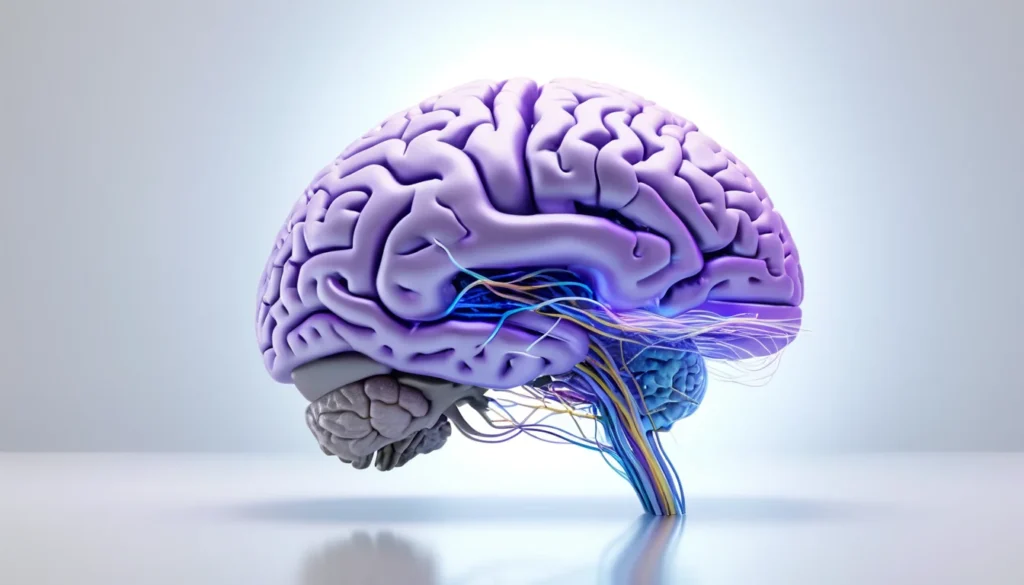
Depression symptoms affect millions of Canadians every year. Depression is more than just feeling sad for a day or two. It is a serious medical condition that can affect your mood, energy, relationships, and ability to work. The good news is that effective help is available — and reaching out is a sign of strength, not weakness.
What Is Depression?
Depression is a mood disorder that causes lasting feelings of sadness, hopelessness, or emptiness. Unlike a passing bout of the blues, depression can go on for weeks, months, or even years without treatment.
It affects people differently. Some feel overwhelmed and low for long stretches of time. Others experience episodes that come and go. Even mild depression, left untreated, can slowly get worse and affect your physical health.
In severe cases, depression can make it hard to communicate, complete daily tasks, or care for yourself. In the most serious situations, it can lead to thoughts of suicide. Treatment at this stage is absolutely essential. According to Health Canada, mental health conditions like depression are among the leading causes of disability in the country.
Today, we know that depression has a biological and chemical basis — just like diabetes or heart disease. It is not a character flaw. It is not something you can simply “snap out of.” And with the right support, most people with depression do get better.
Common Depression Symptoms to Watch For
Depression symptoms can be subtle at first. You may not even realise the signs are connected. Over time, however, they tend to build up and interfere with everyday life.
The two most telling signs of depression are:
Persistent sadness or feelings of hopelessness
Loss of interest or pleasure in activities you used to enjoy
Other Depression Symptoms Include
Noticeable changes in weight — gaining or losing without trying
Sleeping too much or too little
Feeling restless and unable to sit still, or feeling like every movement takes enormous effort
Constant fatigue, even after a full night’s sleep
Feelings of guilt or worthlessness for no clear reason
Difficulty concentrating, remembering things, or making decisions
Recurring thoughts of death or suicide
If you experience at least five of these symptoms for two weeks or longer, speak with a healthcare provider. You do not have to check every box to deserve support. Even a few persistent symptoms are worth discussing with your family doctor or a mental health professional.
What Causes Depression?
Researchers are still working to fully understand what causes depression. However, experts believe it involves a combination of genetic, biological, environmental, and psychological factors. In particular, an imbalance of brain chemicals called neurotransmitters — such as serotonin and dopamine — plays a key role.
Several situations and conditions can trigger a depressive episode, including:
Certain medications, such as opioid pain relievers or steroids — depressive symptoms often improve once the medication is stopped
Hormonal imbalances, including thyroid or adrenal gland disorders
Chemical imbalances in the blood, such as low iron (anaemia) or abnormal calcium levels
Chronic illnesses like arthritis, heart disease, or cancer
Infections, including some viral illnesses or infections affecting the liver or brain
Major life stressors, such as the death of a loved one, job loss, or relationship breakdown
Chronic stress from poverty, family difficulties, or ongoing health challenges
Alcohol or drug use, including misuse of prescription medications
Premenstrual syndrome (PMS), especially in its more severe forms
For older Canadians, the transition from independent living to depending on others for daily care can also bring on depression. For children and teens, social pressure — from peers, school, or social media — is a growing concern.
Who Is at Risk? Depression Risk Factors
Anyone can develop depression. However, certain factors increase the chances of it occurring. Understanding your personal risk can help you seek support earlier.
Key Risk Factors
Family history: If a parent or sibling has had depression, your risk is up to three times higher than average
Previous episodes: Having had depression before makes it more likely to return
Heart disease or chronic illness, such as diabetes, cancer, or chronic pain
Relationship or marital problems
Alcohol or drug use
Certain medications that list mood changes as a side effect
A recent major stressor — job loss, surgery, or a serious new diagnosis
Childhood trauma, including a history of physical or sexual abuse
Ongoing anxiety or excessive worry
Eating disorders or other anxiety disorders
Additional Risk Factors for Women
Women face some unique risk factors for depression. These include:
Recent childbirth (postpartum depression)
Use of oral contraceptives — though for some women these can actually improve mood
A history of severe premenstrual dysphoric disorder (PMDD)
In Canada, women are roughly twice as likely as men to be diagnosed with depression at some point in their lives, according to the World Health Organization’s fact sheet on depression.
How Is Depression Treated?
The most important thing to know is this: depression is treatable. Most people who receive proper care see significant improvement — even those with severe symptoms.
Treatment for depression usually involves one or more of the following approaches:
Talk Therapy (Psychotherapy)
Cognitive behavioural therapy (CBT) is one of the most well-studied and effective forms of talk therapy for depression. It helps you identify and change negative thought patterns. Other forms of therapy, such as interpersonal therapy, can also be very helpful.
In Canada, you can access mental health therapy through your provincial health plan, employee assistance programmes (EAPs), or community mental health centres. Wait times vary by province, but online therapy platforms have made access easier in recent years.
Medication
Antidepressants can help correct chemical imbalances in the brain. They work best when combined with therapy. Your family doctor can prescribe antidepressants, or they may refer you to a psychiatrist for more complex cases.
It can take several weeks for antidepressants to take full effect. Do not stop taking them without speaking to your doctor first.
Lifestyle Changes
Regular physical activity has been shown to meaningfully reduce depression symptoms. Even a 30-minute walk most days of the week can make a difference. In addition, getting consistent sleep, eating a nutritious diet, and reducing alcohol intake all support recovery.
Social connection also matters. Staying in touch with supportive friends and family — even when it feels hard — can help ease the isolation that often comes with depression. For more on managing depression day to day, the Mayo Clinic’s depression resource centre offers reliable guidance.
When to See a Doctor About Depression Symptoms
If you have been feeling low, hopeless, or unlike yourself for more than two weeks, it is time to reach out for help. You do not have to be in crisis to deserve support.
In Canada, you have several options:
Your family doctor is often the best first step. They can assess your symptoms, rule out physical causes, and refer you to the right support.
A walk-in clinic is a good option if you do not have a family doctor or cannot get an appointment quickly.
Crisis lines: If you are having thoughts of suicide, call or text 988 — Canada’s Suicide Crisis Helpline — available 24 hours a day, seven days a week.
Provincial mental health programmes: Most provinces offer free or low-cost mental health services. Ask your doctor or check your province’s health authority website.
Remember: seeking help for depression is no different from seeing a doctor about high blood pressure or a broken bone. It is the right and responsible thing to do for your health.
Frequently Asked Questions About Depression
What are the early depression symptoms I should watch for?
Early depression symptoms can include persistent low mood, loss of interest in activities you normally enjoy, and unexplained fatigue. You may also notice changes in sleep or appetite. If these feelings last more than two weeks, speak with your family doctor.
Is depression a sign of weakness?
No. Depression is a medical condition with biological and chemical causes — not a personal failing or character flaw. Just like heart disease or diabetes, depression requires proper treatment. Asking for help is one of the bravest things a person can do.
Can depression go away on its own without treatment?
Mild depression may improve on its own in some cases, but leaving depression untreated carries real risks. Without treatment, depression often gets worse over time and can begin to affect your physical health. Early treatment leads to better outcomes for most people.
How is depression treated in Canada?
In Canada, depression is commonly treated with talk therapy, antidepressant medication, or a combination of both. Your family doctor or walk-in clinic is a good starting point. Many provinces also offer publicly funded mental health programmes and community support services.
What is the difference between sadness and clinical depression?
Sadness is a normal emotion that typically fades with time or after a difficult situation passes. Clinical depression involves persistent depression symptoms — such as hopelessness, fatigue, and loss of interest — lasting two weeks or more and interfering with daily life. A doctor can help determine the difference.
Can children and teenagers have depression?
Yes. Depression can affect people of all ages, including children and teenagers. In young people, it may look like irritability, school avoidance, or social withdrawal rather than obvious sadness. If you are concerned about a child or teen, speak with your family doctor or a paediatrician.
Key Takeaways
Depression is a medical condition, not a weakness — it has real biological causes and deserves real treatment.
Depression symptoms include persistent sadness, loss of interest, fatigue, sleep changes, and in serious cases, thoughts of suicide.
Many factors can trigger depression, including genetics, chronic illness, stress, hormonal changes, and certain medications.
Depression is highly treatable with therapy, medication, and lifestyle changes — most people improve significantly with the right support.
Canadians have multiple options for help: family doctors, walk-in clinics, provincial mental health programmes, and crisis lines like 988.
Always speak with a healthcare professional before starting, changing, or stopping any treatment for depression. Your doctor is your best partner in finding what works for you.