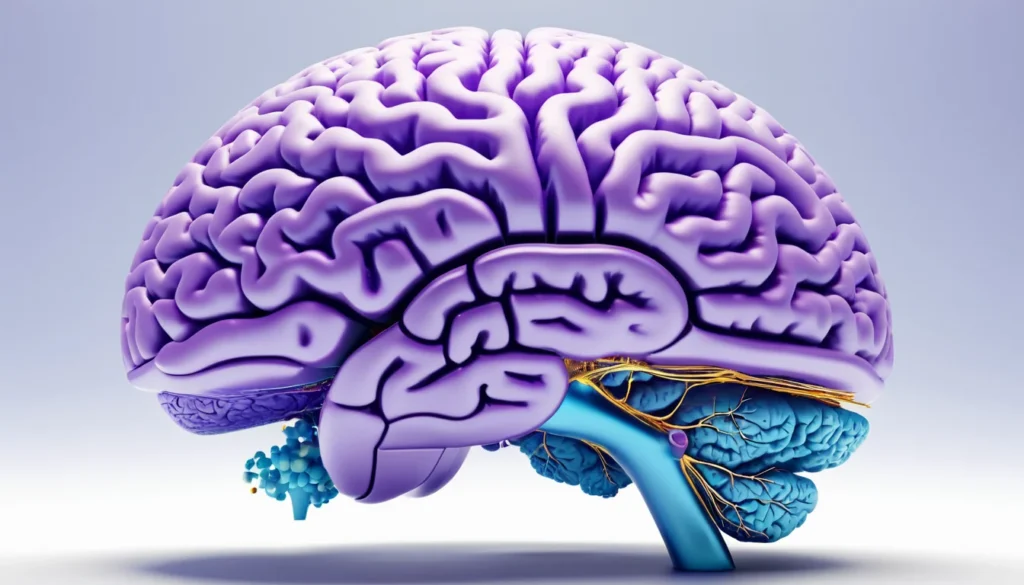
Depression is one of the most common mental health conditions in Canada — and one of the most misunderstood. It goes far beyond feeling sad. When low mood is severe enough to affect your work, relationships, and daily life, it may be a mood disorder that needs proper care. This article explains what depression is, what causes it, and what you can do about it.
What Is Depression?
Feeling sad is a normal part of being human. Sadness helps us process loss, setbacks, and change. However, depression is different from ordinary sadness.
Depression — known clinically as major depressive disorder (MDD) — is a mood disorder. It involves one or more severe episodes of low mood that seriously affect how a person thinks, feels, and functions. It is not a sign of weakness, and it does not simply go away on its own.
The word “depression” comes from the Latin deprimere, meaning “to press down.” That description fits well. People living with depression often describe feeling weighed down, empty, or numb. The condition is listed alongside bipolar disorder as one of the major mood disorders in modern psychiatry.
How Common Is Depression in Canada?
Depression affects millions of Canadians. According to the World Health Organization (WHO), more than 300 million people worldwide live with depression. It is the leading cause of disability globally.
In Canada, depression is estimated to affect roughly one in eight people at some point in their lives. Research shows that major depressive disorder has a lifetime prevalence of nearly 17%. That makes it more common than almost any other psychiatric condition.
Furthermore, the numbers are not equal between men and women. Studies suggest that up to 9% of women and up to 3% of men meet the criteria for major depression at any given time. The risk of experiencing at least one major depressive episode over a lifetime reaches 25% for women and 12% for men.
Depression most often appears between the ages of 25 and 44. However, it can also affect children, teenagers, and older adults. No link has been found between depression and race, culture, or income level. It can affect anyone.
A Brief History of Depression
Depression is not a modern invention. Descriptions of what we now call depression appear throughout ancient history. The ancient Greek physician Hippocrates described a condition he called “melancholia” around 400 BCE. He believed it was caused by an imbalance of black bile — one of the four bodily humours in early medical thinking.
The Hebrew Bible describes King Saul suffering from what sounds very much like severe depression. Interestingly, music was used to soothe his symptoms — an early form of what we today call music therapy.
Over centuries, understanding of depression has grown enormously. Today, we know that depression has biological, psychological, and social roots. Treatment has evolved just as dramatically — from rest and herbal remedies to modern psychotherapy and medication.
What Causes Depression?
Depression does not have a single cause. Most experts agree it results from a combination of factors. The Mayo Clinic identifies several key contributing factors, which fall into three broad categories.
Biological Factors
Brain chemistry plays a major role in depression. Neurotransmitters — chemical messengers in the brain — help regulate mood. In depression, levels of serotonin, noradrenaline, and dopamine are often disrupted.
The serotonin system is considered especially important. Most antidepressant medications work by targeting this system. However, researchers are still working to fully understand exactly how brain chemistry and depression are connected.
Genetics also matter. If a close family member has experienced depression, your own risk is higher. Some studies suggest that certain genetic changes linked to mental illness appear in regions of DNA associated with uniquely human brain development.
Psychological Factors
How we think about ourselves and the world around us can influence our mental health. Negative thought patterns, low self-esteem, and a tendency toward anxiety can all raise the risk of depression. Past trauma or unresolved emotional difficulties may also be contributing factors.
In addition, certain personality traits — such as being highly self-critical or having difficulty managing stress — may make a person more vulnerable to depressive episodes.
Social and Environmental Factors
Life events often trigger depression. Relationship breakdown, job loss, grief, financial stress, or isolation can all play a role. Chronic stress — the kind that builds up over months or years — is particularly linked to depression.
Social support is a powerful protective factor. People with strong social connections tend to recover from depression more quickly. Therefore, loneliness and social isolation can make depression both more likely and harder to treat.
Recognising the Symptoms of Depression
Depression looks different in different people. However, there are common symptoms to watch for. Symptoms must be present for at least two weeks and represent a change from your normal functioning to be considered a depressive episode.
Common symptoms of depression include:
Persistent low mood, sadness, or emptiness
Loss of interest or pleasure in activities you used to enjoy
Changes in appetite or weight
Sleeping too much or too little
Feeling tired or having very low energy
Difficulty concentrating or making decisions
Feelings of worthlessness or excessive guilt
Feeling slowed down or restless and agitated
Thoughts of death or suicide
Not everyone with depression feels sad. Some people feel numb, irritable, or physically unwell. Depression can also show up as unexplained aches, headaches, or digestive problems.
If you or someone you know is having thoughts of suicide, please call or text 9-8-8. Canada’s Suicide Crisis Helpline is available 24 hours a day, 7 days a week.
How Is Depression Treated?
The good news is that depression is treatable. Health Canada recognises several effective approaches for managing depression. Most people respond well to a combination of treatments.
Therapy and Counselling
Psychotherapy — sometimes called talk therapy — is one of the most effective treatments for depression. Cognitive behavioural therapy (CBT) is the most widely studied and commonly recommended form. CBT helps you identify and change negative thought patterns that contribute to depression.
Other effective therapies include interpersonal therapy, psychodynamic therapy, and occupational therapy. Group therapy and peer support programmes can also be very helpful, especially for those dealing with social isolation.
Medication
Antidepressant medications are commonly prescribed for moderate to severe depression. The most frequently used are selective serotonin reuptake inhibitors (SSRIs). These medications work by increasing the availability of serotonin in the brain.
Medication does not work for everyone, and finding the right one may take some time. Side effects are possible. It is important to work closely with your doctor when starting, adjusting, or stopping antidepressants. Never stop medication suddenly without medical advice.
Lifestyle Changes
Lifestyle changes can make a meaningful difference, especially in mild to moderate depression. Regular physical activity has strong evidence behind it. Even a 30-minute walk several times a week can improve mood.
Sleep hygiene, a balanced diet rich in fibre and whole foods, limiting alcohol, and staying socially connected all support mental health. These changes work best alongside — not instead of — professional treatment.
Other Medical Treatments
For severe depression that does not respond to medication or therapy, other options exist. These include electroconvulsive therapy (ECT) and transcranial magnetic stimulation (TMS). These treatments are safe and effective when used appropriately under specialist care.
When to See a Doctor
If you have been feeling low, hopeless, or unlike yourself for more than two weeks, it is time to talk to someone. You do not need to be in crisis to seek help.
Start with your family doctor. They can assess your symptoms, rule out other causes such as thyroid problems, and refer you to a psychiatrist or psychologist if needed. Most provincial health plans cover visits to your family doctor for mental health concerns.
If you do not have a family doctor, a walk-in clinic is a good first step. Many provinces also offer publicly funded mental health programmes with little or no wait time. Ask at the clinic about local resources.
Depression is a medical condition — just like diabetes or heart disease. Seeking help is a sign of strength, not weakness. The sooner you reach out, the sooner you can start feeling better.
Frequently Asked Questions About Depression
What is the difference between sadness and depression?
Sadness is a normal emotion that usually passes after a short time. Depression is a medical condition where low mood lasts for weeks or longer and interferes with daily life. If your feelings of sadness are persistent, overwhelming, or stopping you from functioning, it may be depression and worth discussing with a doctor.
Can depression go away on its own without treatment?
Mild depression may improve over time with lifestyle changes and strong social support. However, moderate to severe depression rarely goes away completely without treatment. Without help, depression can last for months or years and significantly affect your quality of life.
Is depression covered under provincial health plans in Canada?
Visits to your family doctor or a psychiatrist for depression are covered by most provincial health plans across Canada. However, coverage for psychologists and private therapists varies by province and employer benefits. Ask your doctor about publicly funded mental health programmes in your area.
What is the most effective treatment for depression?
Research shows that a combination of therapy — especially cognitive behavioural therapy — and medication is often the most effective approach for moderate to severe depression. For mild depression, therapy and lifestyle changes alone may be enough. Your doctor can help you find the right treatment plan for your situation.
How long does it take to recover from depression?
Recovery from depression varies from person to person. With proper treatment, many people begin to feel better within four to six weeks. However, full recovery may take several months. Some people experience recurring episodes, which is why ongoing support and monitoring are important.
Can depression affect physical health?
Yes. Depression is strongly linked to physical health problems including chronic pain, sleep disorders, heart disease, and a weakened immune system. People with untreated depression are also more likely to develop other serious health conditions over time. Treating depression can improve both mental and physical well-being.
Key Takeaways
Depression is a medical condition, not a personal failing or a sign of weakness.
It affects nearly 1 in 8 Canadians and is the leading cause of disability worldwide.
Depression has biological, psychological, and social causes — often a combination of all three.
Common symptoms include persistent low mood, loss of interest, fatigue, and changes in sleep or appetite.
Effective treatments include cognitive behavioural therapy, antidepressant medication, and lifestyle changes.
Your family doctor or a walk-in clinic is a great first step if you think you may have depression.
If you are having thoughts of suicide, call or text 9-8-8 for immediate support.
This article is for informational purposes only and does not replace professional medical advice. If you are concerned about your mental health, please speak with your family doctor or a qualified healthcare provider.