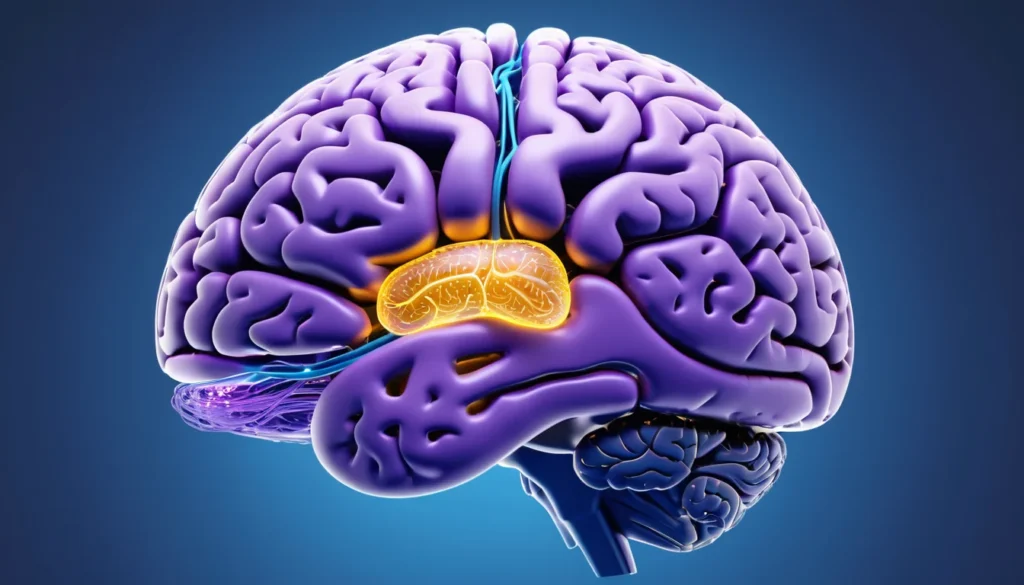
Depression prevention is not always fully possible, but there are real, evidence-based steps you can take to lower your risk. Whether you have a family history of depression or are simply going through a stressful period, the right habits and supports can make a meaningful difference. This article walks you through practical strategies — from building a social network to getting better sleep — that can help protect your mental health.
Understanding Your Risk for Depression
The first step in depression prevention is knowing what puts you at higher risk. Some factors you can change, and some you cannot. However, awareness gives you the power to act early.
Risk factors for depression include:
Family history — depression can run in families
High stress levels — ongoing pressure at work or home
Major life changes — the loss of a loved one, a divorce, or a serious illness
Psychological factors — low self-esteem, perfectionism, or sensitivity to rejection
Lack of social support — feeling isolated or alone
Past depressive episodes — having experienced depression before
Chronic mental health conditions — such as anxiety disorders
Hormonal changes — for example, during pregnancy or menopause
Certain medications — some prescription drugs can affect your mood
Substance use — alcohol or drug dependence
Understanding these risk factors is not meant to alarm you. Instead, it helps you spot warning signs early and take action before symptoms become serious. The World Health Organization explains how depression affects millions worldwide and why early awareness matters.
Get a Mental Health Assessment When You Need One
If you feel overwhelmed by stress, sadness, or anxiety, a mental health assessment is a smart place to start. You do not need to wait until things feel unmanageable. Reaching out early is a sign of strength, not weakness.
In Canada, you have several options. Your family doctor can screen you for depression and refer you to a psychologist or psychiatrist. If you do not have a family doctor, a walk-in clinic can also provide an initial assessment and referral. Many provinces also offer publicly funded mental health programmes — check with your provincial health plan for details.
A mental health professional can help you understand whether what you are experiencing is depression, anxiety, or another condition. From there, you can explore options like talk therapy (psychotherapy), medication, or a combination of both. Getting an assessment early is one of the most powerful depression prevention tools available to you.
Build a Strong Social and Spiritual Support Network
Human connection is one of the most effective tools for depression prevention. A strong network of friends, family members, or community peers can act as a buffer against stress. When life gets hard, having people to lean on makes a real difference.
The Power of Social Support
Research consistently shows that people with strong social ties are less likely to develop depression. You do not need a large group of friends. Even one or two trusted people you can talk to honestly can offer meaningful support. Make time for those relationships, even when life gets busy.
Consider joining a community group, a sports team, a volunteer organisation, or a neighbourhood club. These connections keep you engaged with life and reduce feelings of loneliness and isolation.
Spiritual and Community Groups
Spiritual support can also play a role in protecting your mental health. This does not have to mean religion, though faith communities provide strong support for many Canadians. Meditation groups, mindfulness circles, and wellness communities offer similar benefits.
Belonging to a group gives you a sense of purpose and shared identity. As a result, you may feel less alone when facing difficult emotions. Furthermore, group settings often introduce you to healthy coping strategies you might not discover on your own.
Manage Stress with Proven Relaxation Techniques
Chronic stress is one of the leading contributors to depression. Therefore, learning to manage stress effectively is a core part of any depression prevention plan. The good news is that many simple techniques work well and cost nothing.
Relaxation and Mindfulness Practices
The following techniques can help calm your mind and release tension from your body:
Meditation — even 10 minutes a day can reduce stress hormones
Deep breathing exercises — slow, controlled breathing calms the nervous system
Progressive muscle relaxation — systematically tensing and releasing muscle groups
Yoga — combines gentle movement, stretching, and focused breathing
Biofeedback — a technique where you learn to control your body’s stress response using real-time feedback
These practices help you become more aware of tension in your body and give you the tools to release it. With regular practice, your overall stress levels drop. In addition, many people find their sleep improves as a result.
The Role of Sleep and Rest
Aim for around eight hours of sleep each night. Quality sleep is not a luxury — it is a biological need. Poor sleep and depression are closely linked, and each one can make the other worse.
If you struggle with insomnia, speak with your family doctor or visit a walk-in clinic. Chronic insomnia is considered a significant risk factor for depression, and effective treatments are available. Do not wait until sleep problems become a larger issue.
Exercise Regularly to Protect Your Mental Health
Regular physical activity is one of the most well-researched strategies for depression prevention. Exercise has a direct, positive effect on the brain chemicals responsible for mood regulation.
How Exercise Affects Your Brain
Aerobic exercise — such as walking, running, cycling, or swimming — boosts the production of endorphins, serotonin, and adrenaline. These are the brain’s natural mood-lifting chemicals. Even a 30-minute brisk walk several times a week can produce measurable benefits.
Yoga offers additional advantages beyond simple movement. It combines physical stretching with deep relaxation and mindful breathing. For many people, yoga serves as both a physical workout and a stress-relief tool in one. Mayo Clinic outlines how exercise helps ease depression symptoms and supports long-term mental wellness.
Additional Benefits of Staying Active
Beyond mood, regular exercise supports weight management, increases muscle tone, and improves how you feel about your body. A stronger physical self-image contributes directly to better mental health. Therefore, even modest increases in daily activity can create a meaningful ripple effect on your overall wellbeing.
You do not need a gym membership to get started. Walking in a local park, following a free yoga video at home, or taking the stairs instead of the elevator all count. The key is consistency, not intensity.
Eat Well and Reduce Alcohol and Drug Use
What you put into your body affects how your brain functions. A healthy diet and reduced substance use are important — and often overlooked — parts of depression prevention.
Nutrition and Depression Risk
A balanced diet that is low in saturated fat and rich in fibre, vitamins, and minerals supports stable brain function. In particular, two nutrients stand out for their connection to mood health:
B-complex vitamins — found in whole grains and leafy greens, these support healthy nervous system function
Omega-3 fatty acids — found in ocean fish, fish oil, and flaxseed, these support brain health and may reduce inflammation linked to depression
Eating regular, balanced meals also helps stabilise blood sugar, which in turn stabilises your mood and energy levels throughout the day. Furthermore, staying well-hydrated supports focus and emotional resilience.
Alcohol, Drugs, and Mental Health
Alcohol is a depressant. Even though it may feel like it helps in the short term, regular alcohol use worsens depression over time. The same is true for recreational drugs and misuse of prescription medication.
If you feel able to cut back or stop on your own, do so. However, if you think you may be dependent on alcohol or other substances, please seek professional help. Your family doctor can connect you with addiction support services available through your provincial health plan. You do not have to navigate this alone. Health Canada offers resources to help Canadians get support for substance use.
When to See a Doctor
Depression prevention strategies are valuable, but they are not a substitute for professional care. If you notice persistent sadness, loss of interest in activities you once enjoyed, changes in sleep or appetite, or thoughts of hopelessness, please reach out to a healthcare provider.
In Canada, you can start with your family doctor, who can assess your symptoms, rule out physical causes, and refer you to a mental health specialist. If you do not have a family doctor, any walk-in clinic can provide an initial assessment. Many provinces also have mental health crisis lines and same-day counselling services available at no cost.
You should also speak to a doctor if you experience side effects from medication that seem to affect your mood, or if insomnia persists despite trying sleep hygiene strategies. Early intervention leads to better outcomes. Please always consult a qualified healthcare professional before making changes to your mental health treatment plan.
Frequently Asked Questions About Depression Prevention
Can depression prevention strategies really work?
Depression prevention strategies cannot guarantee you will never experience depression, but they can significantly lower your risk. Lifestyle habits like regular exercise, strong social support, and stress management have strong evidence behind them. Combined with early professional assessment, these strategies give you the best chance of maintaining good mental health.
What is the most effective way to prevent depression?
There is no single most effective method — depression prevention works best when you combine several approaches. Regular physical activity, healthy sleep habits, strong social connections, and professional support when needed all work together. Building these habits into your daily routine creates a protective foundation for your mental health.
How does exercise help with depression prevention?
Exercise boosts the production of mood-regulating brain chemicals like serotonin and endorphins, which play a direct role in depression prevention. Even moderate aerobic activity, such as a 30-minute walk several times per week, can produce noticeable improvements in mood. Consistency matters more than intensity, so choose an activity you enjoy and can stick with long term.
Does diet affect depression risk?
Yes, diet plays a meaningful role in mental health. Foods rich in omega-3 fatty acids, B-complex vitamins, and dietary fibre support healthy brain function and may reduce inflammation linked to depression. A diet high in processed foods and alcohol, on the other hand, can increase your risk of developing depressive symptoms.
How do I access mental health support in Canada?
In Canada, you can start by speaking with your family doctor or visiting a walk-in clinic for a mental health assessment and referral. Many provincial health plans cover psychologist and psychiatrist visits, though wait times vary by province. Some provinces also offer free community mental health programmes and crisis lines — check your provincial health authority’s website for local options.
Is depression prevention possible if it runs in my family?
Having a family history of depression increases your risk, but it does not make depression inevitable. Depression prevention strategies are especially important if you have a genetic predisposition — they can delay onset, reduce severity, or help you avoid depressive episodes entirely. Speaking with your family doctor about your family history is a proactive first step.
Key Takeaways
Know your risk factors — family history, stress, past episodes, and lifestyle all play a role in depression prevention.
Seek a mental health assessment early — your family doctor or a walk-in clinic can help you get started.
Build social and spiritual support — connection with others is one of the strongest protective factors against depression.
Manage stress actively — meditation, deep breathing, yoga, and adequate sleep all reduce your risk.
Exercise regularly — even moderate aerobic activity improves brain chemistry and lifts mood.
Eat well and limit alcohol — a fibre-rich diet with omega-3s and B vitamins supports mental health; alcohol worsens it.
Ask for help when you need it — professional support is available across Canada and is a sign of wisdom, not weakness.