Depression in men is far more common than most people realize — and far more often missed. For generations, men have been taught to push their feelings aside, which means many suffer in silence without ever getting help. In Canada, depression affects men of every age, background, and income level. This article explains what depression looks like in men, why it often goes undiagnosed, and what treatment options are available through your family doctor or local mental health services.
Why Depression in Men Is Often Overlooked
From a young age, many boys are taught that showing emotion is a sign of weakness. As a result, men tend to hide their feelings — sometimes even from themselves. Until recently, men were diagnosed with depression ten times less often than women. However, research now suggests this gap reflects underdiagnosis, not a true difference in how often men experience depression.
Men are simply very good at masking what they feel. Furthermore, the signs of depression in men can look quite different from what most people expect. This makes it harder for both men and their doctors to spot the problem.
Who Is at Greater Risk?
Depression does not discriminate. It affects people of all races, income levels, and ages. However, some factors do raise the risk. You may be more likely to develop depression if you have had a previous depressive episode, have a close family member with depression, or are living with a low income.
Depression is also more common in men who are living with other serious health conditions, including:
Heart disease
Diabetes
Cancer
HIV
Stroke
If you are managing a chronic illness, talk to your family doctor about your mental health as well. The two are closely connected.
Depression in Men: Symptoms to Watch For
Most people think of depression as feeling deeply sad. However, depression is much more than sadness. It is a serious condition that affects how a person thinks, feels, and functions day to day. Symptoms can last for weeks or months at a time.
The most commonly recognized symptoms include:
Persistent low mood or sadness
Loss of interest in activities once enjoyed
Low energy and constant fatigue
Trouble sleeping or sleeping too much
Difficulty concentrating
Thoughts of death or suicide
How Male Depression Symptoms Can Look Different
Here is where things get complicated. The symptoms listed above were largely defined based on how depression presents in women. Men often experience depression differently — and those differences can throw both the person and their doctor off track.
Instead of appearing sad, men with depression may:
Become irritable, angry, or aggressive
Drink heavily or use drugs
Take unnecessary risks
Withdraw from family and friends
Throw themselves into work to avoid feelings
Experience physical symptoms like headaches or digestive problems
Because these behaviours do not fit the classic picture of depression, men may go undiagnosed for years. In addition, many men resist seeking help, viewing it as a sign of weakness rather than good self-care.
The Serious Risk of Suicide
The most serious consequence of untreated depression in men is suicide. In Canada, men die by suicide at nearly four times the rate of women. Health Canada’s suicide prevention resources highlight that men are less likely to seek help before reaching a crisis point. This makes early recognition and treatment absolutely critical.
If you or someone you know is in crisis, please call or text 988 — Canada’s Suicide Crisis Helpline — available 24 hours a day.
Types of Depression: Understanding the Differences
Not all depression is the same. There are three main forms that doctors recognize and treat.
Major Depression
Major depression involves serious symptoms that interfere with a person’s ability to work, eat, sleep, and enjoy life. Episodes can range from mild to severe. This is the most commonly diagnosed form of depression and can be very disabling without treatment.
Dysthymia (Persistent Depressive Disorder)
Dysthymia is a milder but longer-lasting form of depression. Symptoms may not be as intense, but they persist for two years or more. Many men with dysthymia simply assume they are just “not a happy person” — and never realize they have a treatable condition.
Bipolar Disorder
Bipolar disorder involves episodes of depression that alternate with mania — a state of unusually high energy, impulsivity, or elevated mood. This cycle can cause serious problems in relationships, work, and daily life. Bipolar disorder requires a specific treatment plan that differs from standard depression treatment.
What Causes Depression in Men?
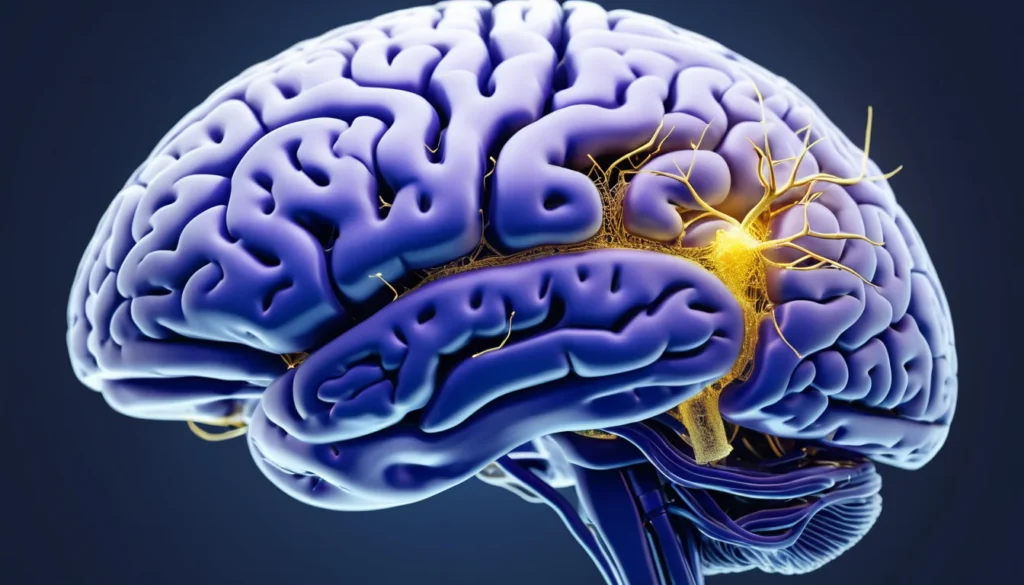
Researchers have studied depression for decades, and the causes are still not fully understood. However, we do know that the brain plays a central role. During depression, certain chemical messengers in the brain — called neurotransmitters — fall out of balance. These chemicals normally help brain cells communicate with one another.
In addition, some areas of the brain appear to become less active during depressive episodes. Genetics, life stress, trauma, and physical illness all seem to contribute as well. The Mayo Clinic provides a detailed overview of depression causes and risk factors that is worth reviewing if you want to learn more.
How to Prevent Depression From Coming Back
There is no pill or supplement that can guarantee you will never experience depression. However, after a first episode, there are real steps you can take to reduce the risk of it returning.
Evidence-based strategies include:
Continuing antidepressant medication as prescribed — often for six months to a year after symptoms improve — significantly reduces the chance of relapse
Practising cognitive behavioural therapy (CBT) techniques, which research shows can be just as effective as medication in preventing a return of depression
Getting regular physical activity — even a 30-minute walk several times a week makes a meaningful difference
Getting enough sleep consistently, aiming for seven to nine hours per night
Avoiding alcohol and recreational drugs, which worsen depression over time even if they seem to help in the short term
Combining medication with therapy tends to produce the best long-term results. Talk to your doctor about which approach makes sense for you.
Treatment Options for Depression in Men
Here is encouraging news: depression in men is highly treatable. More than 80 percent of men respond well to depression treatment. The key is actually reaching out and getting started.
Antidepressant Medications
The most commonly prescribed antidepressants today are selective serotonin reuptake inhibitors (SSRIs) and serotonin-norepinephrine reuptake inhibitors (SNRIs). These medications work by increasing the levels of certain neurotransmitters in the brain. They are not addictive, and most people tolerate them well.
Your family doctor or psychiatrist will help find the right medication and dose for you. It usually takes two to four weeks before you start feeling a difference, so it is important to stay consistent.
Psychotherapy
Talk therapy is an effective treatment on its own and works even better when combined with medication. The most widely used approaches include:
Cognitive Behavioural Therapy (CBT) — helps you identify and change negative thought patterns that fuel depression
Person-Centred Therapy — focuses on building self-awareness and emotional resilience in a supportive, non-judgmental setting
Many provinces cover psychotherapy services through their health plans, or offer it at low cost through community mental health centres. Ask your family doctor for a referral. The World Health Organization confirms that therapy combined with medication is the most effective approach for depression.
When to See a Doctor
If you have been feeling off for more than two weeks — irritable, exhausted, withdrawn, or just not yourself — it is time to talk to someone. You do not need a formal diagnosis to reach out.
Start with your family doctor. They can assess your symptoms, rule out other causes, and refer you to a psychiatrist or therapist if needed. If you do not have a family doctor, a walk-in clinic is a perfectly good starting point. Many walk-in clinics in Canada can provide an initial mental health assessment and connect you with local resources.
Do not wait until things feel unbearable. The earlier you seek help, the easier treatment tends to be. Always speak with a qualified healthcare provider before starting, changing, or stopping any treatment for depression.
Frequently Asked Questions About Depression in Men
What are the most common signs of depression in men?
Depression in men often looks different from the classic picture of sadness. Men are more likely to show irritability, anger, increased alcohol use, risk-taking behaviour, or withdrawal from loved ones. Recognizing these less obvious signs is key to getting help sooner.
Why do men avoid seeking help for depression?
Many men are raised to believe that asking for help is a sign of weakness. Social expectations around toughness and emotional control make it hard for men to admit they are struggling with depression. However, seeking treatment is one of the strongest things a person can do for themselves and their family.
How is depression in men treated in Canada?
Treatment for depression in men typically involves antidepressant medication, psychotherapy such as CBT, or a combination of both. In Canada, you can start by visiting your family doctor or a walk-in clinic, who can refer you to a psychiatrist or community mental health programme. Many provincial health plans cover at least some of these services.
Can depression in men go away on its own without treatment?
While mild low mood can sometimes lift on its own, clinical depression rarely resolves without some form of support or treatment. Leaving depression untreated in men increases the risk of it worsening, recurring, or leading to a crisis. Early treatment leads to faster and more lasting recovery.
Is depression more dangerous for men than for women?
In terms of suicide risk, yes — men in Canada die by suicide at nearly four times the rate of women, largely because they are less likely to seek help before reaching a breaking point. Depression in men is a serious public health concern, and getting timely treatment can be life-saving.
What is the difference between depression and just feeling sad?
Feeling sad after a difficult event is a normal human experience. Depression, however, is a medical condition where low mood, fatigue, and other symptoms persist for two weeks or more and interfere with daily life. If you are unsure whether what you are feeling is depression, speaking with your doctor is the best first step.
Key Takeaways
Depression in men is common but frequently goes undiagnosed because the symptoms often look different from those seen in women.
Irritability, aggression, heavy drinking, and risk-taking can all be signs of male depression — not just sadness.
Men face a higher suicide risk when depression goes untreated. In Canada, men die by suicide at four times the rate of women.
Depression is highly treatable — more than 80 percent of men respond well to medication, therapy, or a combination of both.
Your family doctor or a walk-in clinic is a great first step. Many provincial health programmes offer referrals to mental health specialists.
You do not have to wait until things fall apart. Reaching out early makes treatment more effective and recovery faster.
Always consult a qualified healthcare provider before making any decisions about your mental health treatment.