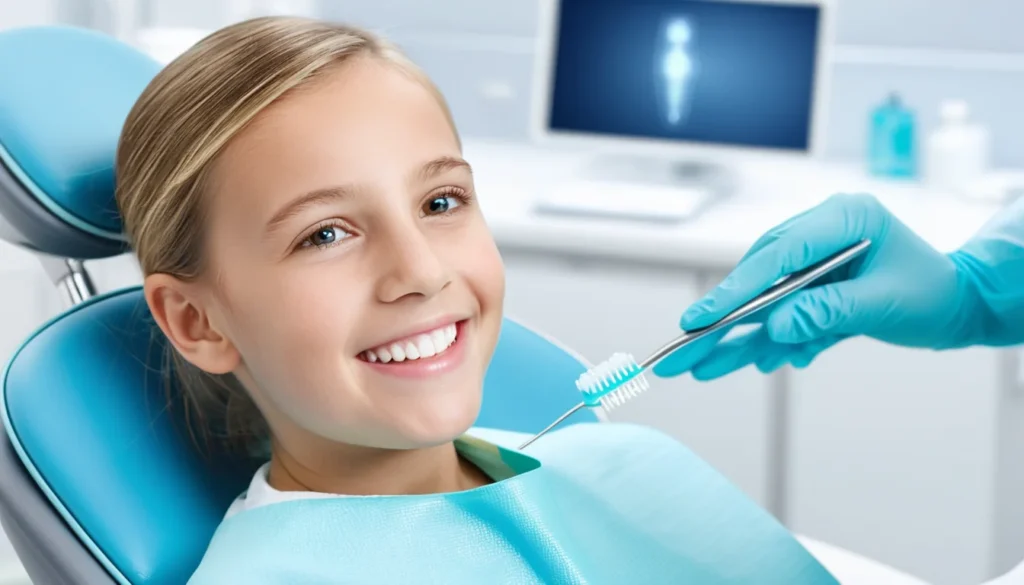
Dental sealants for kids are one of the most effective tools we have to prevent cavities in children and teens. Studies show that sealants can protect against over 80% of cavities in the first two years after application. With more than half of Canadian children under eight already experiencing tooth decay, this simple preventive treatment is worth every parent’s attention.
What Are Dental Sealants for Kids?
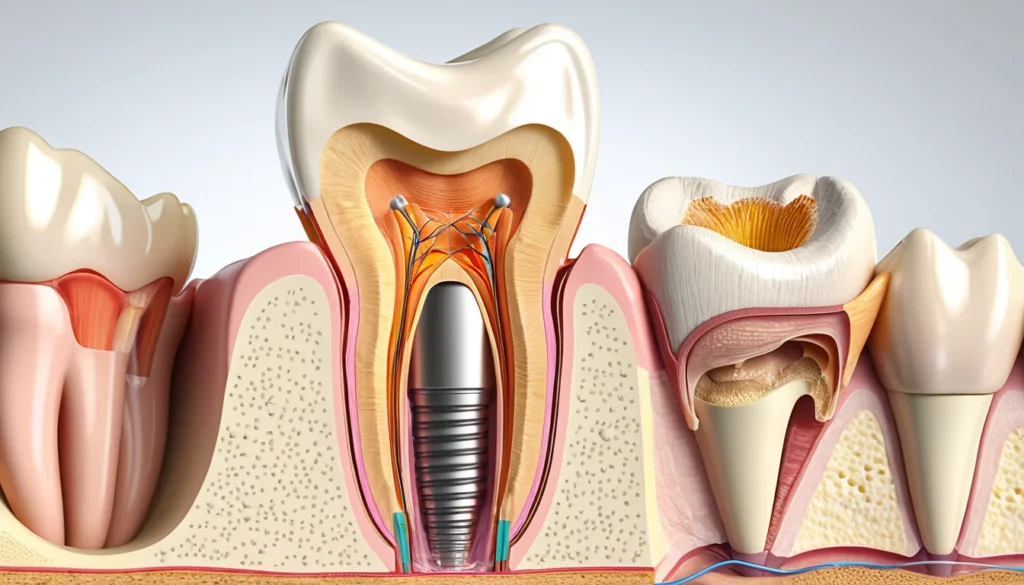
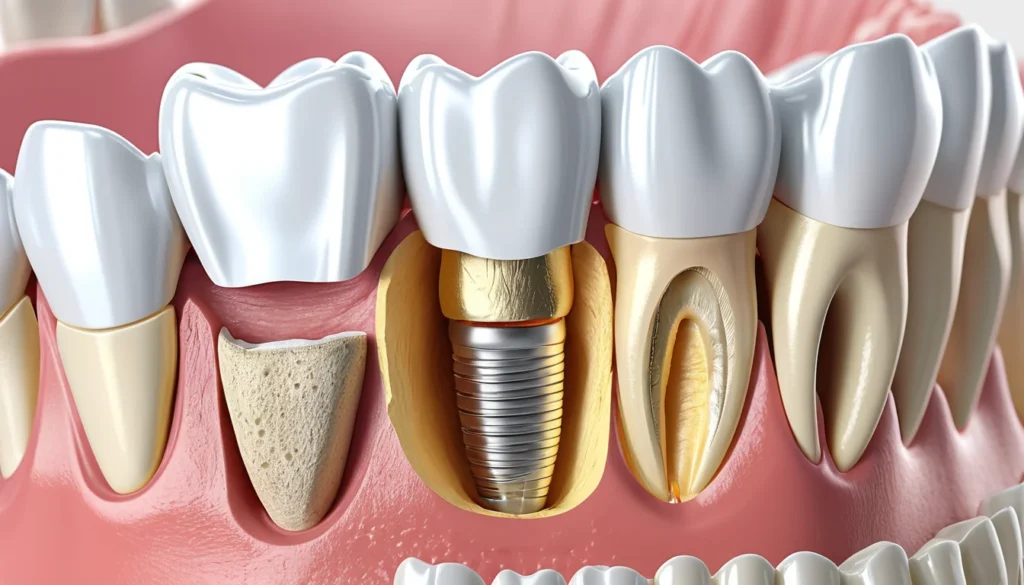
A dental sealant is a thin, protective coating made from a safe resin material. A dentist applies it to the chewing surface of the back teeth — the molars and premolars. Once in place, it acts as a barrier that keeps food and bacteria out of the grooves where cavities most often form.
Those grooves are very hard to clean with a regular toothbrush. Even children with good brushing habits can miss them. Sealants essentially “seal off” those difficult spots, giving decay fewer places to start.
According to Health Canada, tooth decay remains one of the most common chronic conditions affecting Canadian children. Dental sealants are a proven, non-invasive way to reduce that risk significantly.
How Well Do Dental Sealants Work?
The evidence behind dental sealants for kids is strong. Once applied, sealants protect against cavities in more than 80% of cases during the first two years. They continue to offer about 50% protection for up to four years after application.
Children between ages 6 and 11 who do not have sealants are three times more likely to develop cavities on their first permanent molar compared to children who do. That is a significant difference, especially during the years when children are still developing their brushing and flossing habits.
Furthermore, preventing a cavity now means avoiding fillings, crowns, or more complex dental work later. Sealants are far less expensive and far less stressful for a child than restorative treatment.
When Are Dental Sealants Recommended?
A paediatric dentist will recommend sealants based on your child’s individual needs. However, there are several common situations where sealants are a smart choice.
After Permanent Molars and Premolars Erupt
The first permanent molars usually come in around age 6. The second set arrives around age 12. Dentists typically recommend sealing these teeth shortly after they erupt, while they are still healthy and cavity-free. This protects your child’s teeth through the most cavity-prone years, roughly ages 6 to 14.
When Baby Teeth Have Deep Grooves
Most parents are surprised to learn that baby teeth can be sealed too. If a child’s dentist sees that the grooves in a baby molar are deep and retentive — meaning food and bacteria collect there easily — sealants may be applied around six months after those teeth come in. Baby molars often erupt around age 2 to 2.5 years.
Protecting baby teeth matters. They hold space for permanent teeth and help children chew and speak properly. Losing them too early to decay can cause problems down the road.
Before Orthodontic Treatment
If your child is about to get braces, sealants become even more useful. Braces make it much harder to clean all the surfaces of the teeth. Food and plaque can build up in spots that are nearly impossible to reach with a toothbrush. In addition, sealants placed before orthodontic treatment can act as a protective barrier throughout the process.
Your child’s dentist may also recommend professional cleaning every four to six months during this period, depending on their specific needs.
When a Child Is Prone to Cavities
Some children are simply more susceptible to tooth decay. This can be due to genetics, diet, dry mouth, or the shape of their teeth. If your child has had cavities before or shows a pattern of decay forming on chewing surfaces, sealants are a very reasonable preventive step.
The Mayo Clinic’s guidance on children’s dental health supports the use of sealants as part of a broader cavity prevention strategy alongside regular brushing, flossing, and fluoride use.
What to Expect During the Procedure
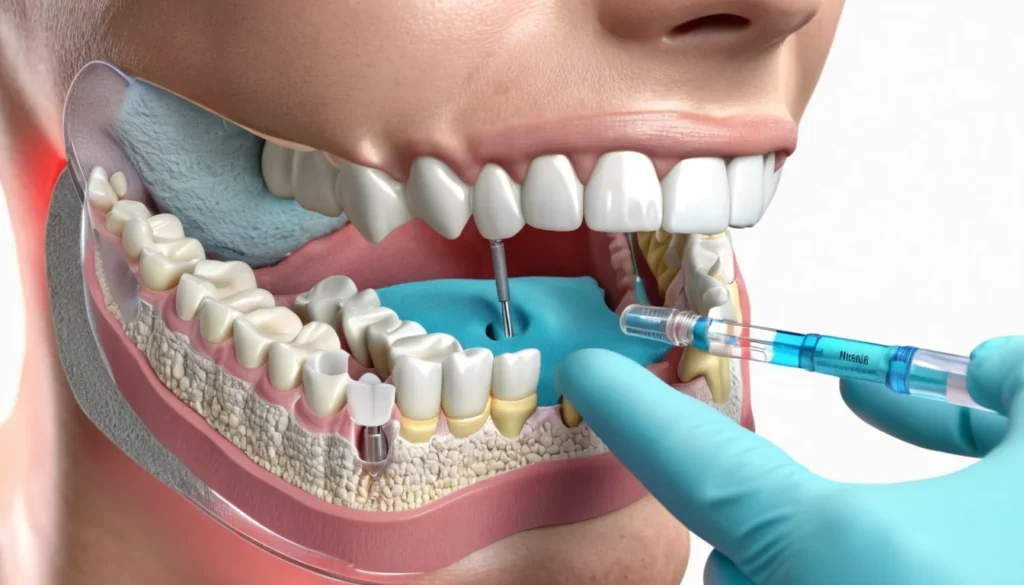
Dental sealants for kids are quick, painless, and do not require any freezing or drilling. Most children handle the appointment very well. Here is what typically happens:
The dentist cleans and dries the tooth thoroughly.
A mild acidic gel is applied briefly to roughen the surface, which helps the sealant bond properly.
The gel is rinsed off and the tooth is dried again.
The liquid sealant is painted onto the chewing surface.
A special curing light hardens the sealant within seconds.
The entire process for one tooth takes only a few minutes. A dentist can seal multiple teeth in a single visit, depending on your child’s age and ability to cooperate. The whole appointment is usually short and straightforward.
There are no restrictions after the procedure. Your child can eat and drink normally, though it is always a good idea to avoid very sticky or hard foods right after any dental treatment.
How Long Do Dental Sealants Last?
A well-applied sealant should remain intact for at least two years. With good care, many sealants last four years or longer. Some can even stay effective for up to nine or ten years, according to research reviewed by Healthline’s overview of dental sealants.
However, sealants can chip or wear down over time. This is why regular dental check-ups are so important. At each visit, the dentist will check the condition of the sealants and reapply them if needed.
What Affects How Long They Last
Several factors influence the lifespan of dental sealants for kids:
Regular dental visits: Check-ups every four to six months allow the dentist to catch early wear or damage.
Diet: Limiting sticky, sugary, and hard foods helps protect sealants from breaking down.
Home oral hygiene: Brushing twice daily for at least two minutes and flossing daily keeps the area around sealants clean and healthy.
Age-appropriate toothpaste: Using a fluoride toothpaste suited to your child’s age adds another layer of protection.
Good home habits are the foundation. Sealants work best when they are part of a complete oral health routine, not a replacement for brushing and flossing.
Are Dental Sealants Safe?
Yes. Dental sealants are considered safe for children. Some sealants contain trace amounts of BPA, but dental and health authorities agree that the levels are extremely low — far below any amount considered harmful. The benefit of preventing decay strongly outweighs any theoretical concern.
If you have questions about the materials used, ask your child’s dentist directly. A good dentist will be happy to explain exactly what product they use and why.
Selective Versus Full Sealant Treatment
In most cases, dentists recommend sealing all eligible back teeth. However, selective sealing is also an option. This means the dentist only seals the teeth that show the highest risk for cavities, rather than every molar and premolar.
Your child’s dentist will assess the shape of each tooth, your child’s cavity history, and their overall oral hygiene before making a recommendation. There is no single right answer — the best approach is the one tailored to your child’s specific situation.
When to See a Dentist or Doctor
If your child has not yet had a dental check-up this year, now is a great time to book one. Most provincial health plans in Canada, including those in Ontario, British Columbia, and Alberta, offer some coverage for children’s dental care. The federal Canadian Dental Care Plan has also expanded access for families who previously could not afford regular dental visits.
You do not need a referral to see a dentist directly. However, if your child is anxious about dental visits or has complex needs, your family doctor or walk-in clinic can provide a referral to a paediatric dentist who specialises in treating children.
Talk to your family doctor or dentist if:
Your child has never had a dental check-up.
You have noticed white spots, dark spots, or holes in your child’s teeth.
Your child complains of tooth pain or sensitivity.
You are unsure whether your provincial health plan covers sealants.
Early action always leads to better outcomes. A quick conversation with a dental professional can save your child from a lot of discomfort later on. As always, this article is meant to inform — please consult your child’s dentist or healthcare provider for advice specific to your child’s needs.
Frequently Asked Questions About Dental Sealants for Kids
At what age should kids get dental sealants?
Dental sealants for kids are typically applied as soon as the permanent molars come in, usually around age 6 for the first set and age 12 for the second. In some cases, a dentist may also recommend sealing baby molars around age 2 to 2.5 if the grooves are deep. The earlier teeth are sealed, the better the protection during the highest-risk years for cavities.
Does getting dental sealants hurt?
No, getting dental sealants is completely painless. The procedure does not require any needles, freezing, or drilling. Most children find it easy to tolerate, and each tooth only takes a few minutes to seal.
Are dental sealants covered by provincial health plans in Canada?
Coverage for dental sealants varies by province and by specific insurance plan. Some provincial programmes and the federal Canadian Dental Care Plan do include coverage for children’s preventive dental care, which may include sealants. It is best to check directly with your provincial health authority or dental office to confirm what is covered for your child.
How long do dental sealants last on children’s teeth?
Dental sealants for kids typically last at least two to four years, and many remain effective for much longer with good care. A dentist will check the condition of the sealants at every routine visit and reapply them if they show signs of wear or chipping. Good brushing habits and a healthy diet help extend their lifespan.
Can dental sealants be applied over a cavity?
Dental sealants should only be placed on healthy teeth that are free of decay. If a cavity is already present, the dentist will need to treat it first before any sealant can be applied. This is one reason why early application — right after teeth erupt — gives the best results.
Do dental sealants replace brushing and flossing?
No, dental sealants for kids are a helpful addition to good oral hygiene, but they do not replace it. Children still need to brush twice a day with a fluoride toothpaste and floss daily to keep all tooth surfaces clean. Sealants only cover the chewing surfaces of back teeth, leaving other areas still vulnerable to decay.
Key Takeaways
Dental sealants for kids are a safe, painless, and highly effective way to prevent cavities on back teeth.
Sealants protect against more than 80% of cavities in the first two years after application.
They are most commonly recommended when permanent molars and premolars erupt, typically between ages 6 and 14.
Baby teeth with deep grooves can also benefit from sealants as early as age 2.
Sealants are especially useful before orthodontic treatment and for children prone to cavities.
Regular dental check-ups every four to six months help ensure sealants stay intact and effective.
Sealants work best as part of a complete oral health routine that includes daily brushing, flossing, and a healthy diet.
Ask your child’s dentist or family doctor about coverage through your provincial health plan or the Canadian Dental Care Plan.