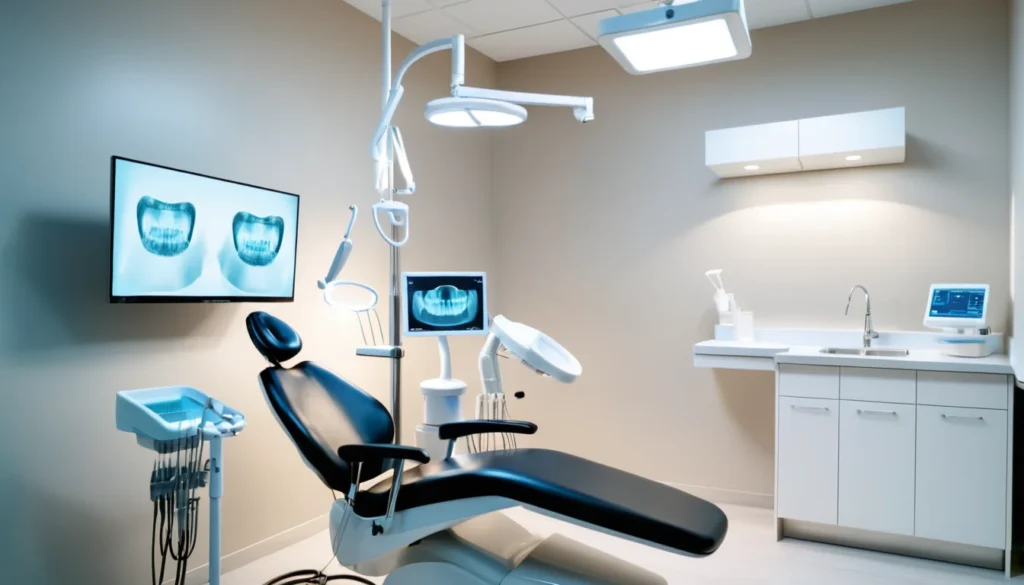
Many Canadians put off dental checkups — and it is easy to understand why. Life gets busy, costs add up, and for some people, the dentist’s chair brings real anxiety. However, skipping regular visits can turn a small, easy-to-fix problem into a painful and expensive one. This article explains why dental checkups matter, what happens during a visit, and why your dentist’s office is a safe place to be.
Why Dental Checkups Are Worth It
Your mouth is a window into your overall health. Problems in your teeth and gums can connect to serious conditions like heart disease and diabetes. According to the Mayo Clinic, good oral health is closely linked to your general health. That alone is a strong reason to keep up with regular dental checkups.
Many dental problems — like cavities and early gum disease — have no obvious symptoms at first. You might feel completely fine while a problem quietly grows. Your dentist can spot these issues before they become painful or costly.
Furthermore, treating a small cavity early is far less expensive than treating a tooth that has been left to decay. Most provincial health plans in Canada cover some dental care for children, seniors, and low-income residents. The new Canadian Dental Care Plan has also expanded access for many families. Talk to your family doctor or call your provincial health office to find out what you may be eligible for.
What Happens During a Dental Checkup?
A routine dental checkup usually takes between 45 minutes and one hour. It is straightforward and should not be painful. Here is what your dentist will typically do.
Examination of Your Teeth and Gums
Your dentist will carefully look at every tooth and your gum line. They check for visible cavities, early signs of decay, and any unusual spots in your mouth. They also look at how your teeth line up and whether your bite is correct.
In addition, your dentist checks the health of your gums. Red, swollen, or bleeding gums can be a sign of gum disease (also called periodontal disease). Caught early, gum disease is very treatable. Left alone, it can lead to tooth loss.
X-Rays and Imaging
Your dentist may take digital X-rays to see what is happening beneath the surface. These images can reveal hidden cavities, bone loss, and the position of wisdom teeth. Modern digital X-rays use very low radiation and take only seconds. They help your dentist make a complete and accurate diagnosis.
Professional Cleaning
Even if you brush and floss every day, tartar (hardened plaque) builds up in places your toothbrush cannot reach. A dental hygienist will remove this buildup using special tools. This cleaning also helps prevent cavities and gum disease from developing.
At the end of your visit, your dentist will explain what they found and recommend any follow-up treatment. You will leave knowing exactly where your oral health stands.
What Your Dental Checkup Can Detect
A single dental checkup can give you a lot of useful information. Regular dental checkups allow your dentist to check for:
Visible cavities and hidden decay between teeth
Early signs of gum disease
Problems with wisdom teeth
Misalignment of your teeth or bite
Bone loss that could affect dental implants
Oral cancer or unusual soft tissue changes
The overall health of your entire mouth
Therefore, a checkup is much more than a quick look around. It is a thorough health assessment of one of the most important parts of your body.
Are Dental Offices Safe?
This is a question many Canadians started asking during the COVID-19 pandemic. The short answer is yes — dental offices are among the safest healthcare settings you can visit.
Dentists have always followed strict infection control protocols. Long before COVID-19, every dental clinic had detailed procedures to prevent the spread of infectious diseases like HIV and hepatitis. These protocols include sterilising all instruments, wearing gloves and masks, and thoroughly disinfecting surfaces between patients.
The World Health Organization confirms that dental care can be provided safely with proper infection control measures in place. Enhanced safety measures — like additional ventilation, pre-screening patients, and using high-volume suction — make today’s dental offices very safe environments.
As a result, there is no reason to delay a dental checkup out of fear. Protecting your oral health is worth the visit.
How Often Should You Get a Dental Checkup?
Most dentists recommend a checkup every six months. However, your dentist may suggest more or less frequent visits depending on your personal oral health history. For example, people with gum disease or a history of frequent cavities may benefit from visits every three to four months.
Children should start seeing a dentist by their first birthday, or when their first tooth appears — whichever comes first. Starting early builds good habits and helps identify any developmental concerns. Healthline outlines how visit frequency should match your individual risk level.
In addition, seniors and people with diabetes, heart disease, or weakened immune systems may need more frequent care. Talk to your dentist about a schedule that makes sense for your health needs.
The Real Cost of Skipping Dental Checkups
Many people skip dental checkups to save money. However, this often leads to higher costs down the road. A cavity found early can be filled in one short appointment. A cavity left untreated can grow deep into the tooth, requiring a root canal or even an extraction — both of which are far more expensive and take longer to treat.
The same logic applies to gum disease. Early-stage gum disease (called gingivitis) can be reversed with a professional cleaning and better brushing habits at home. Advanced gum disease may require surgery.
Furthermore, tooth pain and dental infections can affect your ability to eat, sleep, and concentrate at work or school. The impact on your quality of life is real. Investing in regular dental checkups is investing in your overall wellbeing.
Dental Coverage in Canada
Cost is a real barrier for many Canadian families. It helps to know your options. The federal Canadian Dental Care Plan now provides coverage for eligible Canadians who do not have private dental insurance. Provinces and territories also have their own programmes for children, seniors, and low-income residents.
If you are unsure what coverage you have, your family doctor or a local walk-in clinic can point you in the right direction. You can also visit your provincial health website or call 211 to find dental resources in your area.
When to See a Doctor or Dentist
You do not always need to wait for your scheduled dental checkup if something feels wrong. See your dentist as soon as possible if you notice any of the following:
Tooth pain or sensitivity to hot and cold
Swollen, bleeding, or receding gums
A tooth that feels loose
A sore or patch in your mouth that does not heal within two weeks
Jaw pain or clicking when you open your mouth
Bad breath that does not go away with brushing
If you do not have a regular dentist, a walk-in dental clinic can help with urgent concerns. Your family doctor can also assess oral symptoms and refer you to the appropriate specialist. Do not ignore pain — your body is telling you something needs attention.
As always, speak with your family doctor or a qualified dental professional before making any decisions about your oral health care. Everyone’s situation is different, and personalised advice is always best.
Frequently Asked Questions About Dental Checkups
How often should I get dental checkups?
Most dentists recommend dental checkups every six months. However, your dentist may suggest more frequent visits if you have gum disease, a history of cavities, or other oral health concerns. Talk to your dentist to find the right schedule for you.
Are dental checkups covered under provincial health plans in Canada?
Coverage varies by province and personal situation. The federal Canadian Dental Care Plan now helps eligible Canadians who lack private insurance, and many provinces have programmes for children and seniors. Contact your provincial health office or visit canada.ca to learn what dental benefits you may qualify for.
What happens if I skip dental checkups for years?
Skipping dental checkups allows problems like cavities and gum disease to go undetected and worsen over time. What starts as a small cavity can become a painful infection requiring a root canal or tooth removal. Returning to regular care — even after a long gap — is always worth it.
Is it safe to go to the dentist right now?
Yes, dental offices follow strict safety and infection control protocols that make them very safe healthcare settings. Dentists use sterilised instruments, wear protective equipment, and disinfect treatment rooms between every patient. These measures protect both patients and dental staff.
What do dentists look for during a checkup?
During dental checkups, your dentist examines your teeth for cavities, checks your gums for signs of disease, and may take X-rays to see hidden problems. They also look for signs of oral cancer, bite misalignment, and bone loss. You will receive a full picture of your oral health.
Can I go to a walk-in clinic for a dental problem?
A walk-in medical clinic can help assess pain, prescribe antibiotics for a dental infection, and refer you to a dentist. However, for proper dental checkups and treatment, you should see a licensed dentist. If you do not have a regular dentist, ask your family doctor for a referral or search for walk-in dental clinics in your area.
Key Takeaways
Dental checkups every six months help catch problems early, before they become painful or costly.
Your mouth reflects your overall health. Gum disease and tooth decay can connect to serious conditions like heart disease and diabetes.
Dental offices are safe. Strict infection control protocols protect both patients and staff.
Skipping checkups costs more in the long run. Early treatment is always simpler and less expensive.
Coverage may be available to you. The Canadian Dental Care Plan and provincial programmes can help with costs.
Do not wait if something hurts. See your dentist promptly, or visit a walk-in clinic if needed.
Always consult a dental or medical professional for advice tailored to your personal health situation.