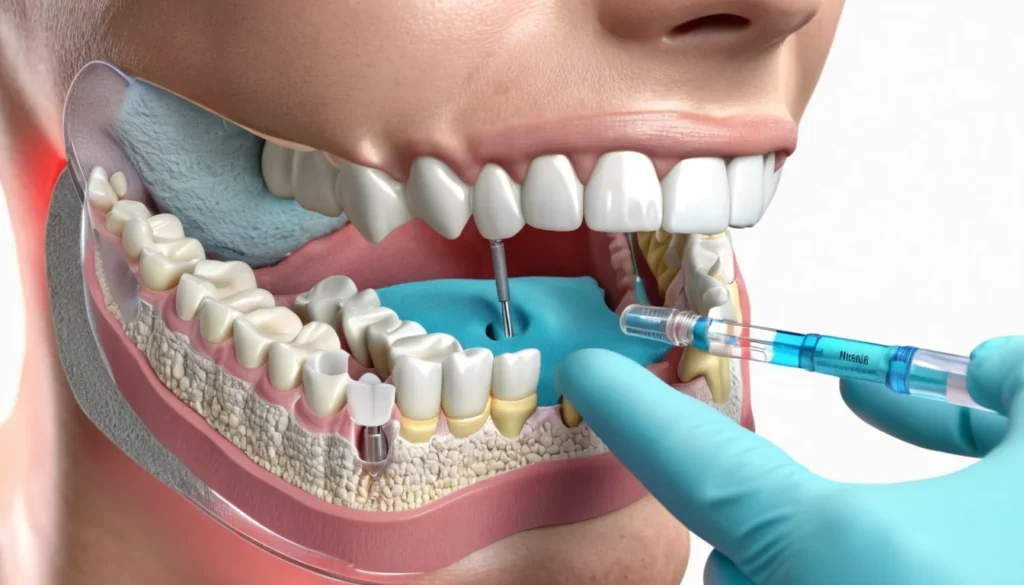
For many Canadians, a trip to the dentist brings feelings of anxiety or fear — especially when it comes to pain. Understanding dental anaesthesia can make a real difference in how you feel before and during treatment. This article explains the main types of dental pain relief, how they work, and what you can expect at your appointment. Whether you are having a simple filling or a wisdom tooth removed, there is a safe and effective pain management option for you.
What Is Dental Anaesthesia?
Dental anaesthesia refers to the methods used to prevent or reduce pain during dental procedures. There are several types, and your dentist will choose the right one based on the procedure and your health history.
The three main approaches are analgesia, sedation, and general anaesthesia. Analgesia simply means the absence of pain. Sedation helps you feel relaxed and calm without putting you fully to sleep. General anaesthesia causes a complete loss of consciousness and is reserved for more complex cases.
Understanding the difference between these options helps you have a more informed conversation with your dental care provider. In Canada, most routine dental work is done using local anaesthesia, which is safe, effective, and widely available.
Local Anaesthesia: The Most Common Option
Local anaesthesia is the most frequently used form of dental anaesthesia in Canada. It numbs a specific area of your mouth so you feel no pain during the procedure, but you remain fully awake and aware.
The most common local anaesthetic solution used is lidocaine combined with adrenaline (also called epinephrine). This combination provides pulp anaesthesia — meaning the tooth root itself is numbed — for about 1.5 hours. Soft tissue numbness, such as a numb lip or cheek, can last up to 3 hours.
Your dentist uses a very fine, single-use needle to inject the solution. The cartridges used come pre-sterilised and are never reused between patients. This practice follows strict infection control standards outlined by Health Canada’s dental safety guidelines.
Topical Anaesthetics
Before giving an injection, many dentists apply a topical anaesthetic to the gum tissue. Lidocaine is the most effective topical option available, and it comes as a spray or a paste. Applying it first helps reduce the discomfort of the needle itself.
This small step makes a big difference for patients who feel nervous about injections. It is a routine part of good dental care across Canada.
Managing Pain During the Injection
Some mild discomfort during an injection is normal. However, your dentist can reduce it significantly by helping you relax beforehand, applying a topical anaesthetic, and injecting the solution slowly and precisely. Good technique matters a great deal.
It is also important to know that a numb lip does not always mean the tooth itself is fully numb. Soft tissue numbness and pulp anaesthesia are two different things. Your dentist will confirm the area is ready before starting any treatment.
Dental Sedation: Helping Anxious Patients
Dental sedation is a step beyond local anaesthesia. It is used for patients who feel anxious, nervous, or moderately uncooperative during dental visits. Sedation keeps you calm and comfortable while you remain conscious and able to respond to your dentist.
The goal of sedation is not to put you to sleep. Instead, you stay awake, relaxed, and able to open your mouth on request. You keep your protective reflexes, including your swallowing reflex, which is important for safety. According to Mayo Clinic’s overview of anaesthesia types, conscious sedation is considered very safe when properly administered.
When Is Sedation Recommended?
Sedation is particularly helpful for simple procedures when full general anaesthesia is not appropriate. It is also used for procedures such as apicectomies (removal of a root tip) and wisdom tooth extractions.
However, sedation is not right for everyone. It is generally not used for patients who are uncooperative in a way that cannot be managed, or for those who have an infection at the injection site. It is also avoided in cases involving serious bleeding disorders or major surgical procedures.
Nitrous Oxide Sedation
The most common form of dental sedation in Canada is nitrous oxide, sometimes called “laughing gas.” It is a mixture of nitrous oxide and oxygen delivered through a small mask placed over your nose. Many people describe the feeling as mild relaxation and a slight tingling in the hands and fingers. Some say it feels like a gentle, pleasant lightheadedness.
Nitrous oxide works quickly and wears off quickly. During the appointment, your dentist may also use calm, reassuring language to help reinforce the relaxed feeling — a recognised technique that enhances the effect of sedation.
After Sedation: What to Expect
After a sedation appointment, you will need 30 to 60 minutes to recover in a quiet environment. You must not drive for at least 12 hours after receiving sedation. It is important to have someone you trust drive you home safely. Plan your day accordingly and avoid any activities that require focus or quick reflexes.
General Anaesthesia in Dentistry
General anaesthesia causes a complete loss of consciousness. It is used only for complex procedures or for patients who cannot be treated with local anaesthesia or sedation alone. This includes some children, patients with severe dental anxiety, or those with certain disabilities.
General anaesthesia for dental procedures is typically performed in a hospital or surgical centre. It requires a team that includes a dentist, an anaesthesiologist, and a dental assistant. In Canada, access to hospital-based dental anaesthesia may vary by province. Some provincial health plans cover this service for specific patient groups, such as children or individuals with complex medical needs. Check with your provincial health plan or your family doctor to find out what is covered in your area.
Patients receiving general anaesthesia must be in good enough health that hospitalisation is not otherwise required. Recovery time varies but is tracked carefully from the moment the anaesthesia begins until the patient is fully alert and stable.
Safety, Consent, and What Your Dentist Needs to Know
Before any form of dental anaesthesia, your dentist must take a thorough medical history. This step is not optional — it is essential for your safety. Certain health conditions, medications, or allergies can affect how your body responds to anaesthetic agents.
Conditions that are especially important to disclose include heart disease, bleeding disorders, allergies to medications, and any history of problems with anaesthesia. Pregnant patients and those on blood thinners should always inform their dentist before treatment.
Written Consent
Before any sedation or general anaesthesia, your dentist is required to obtain your written informed consent. This means explaining the procedure, the risks, the benefits, and any alternatives — and giving you the chance to ask questions. Written consent protects both you and your dental care provider.
Your dentist should also give you clear pre- and post-treatment instructions. These instructions may include whether to eat before your appointment and how to care for yourself afterward. Following these instructions carefully helps ensure your recovery goes smoothly.
Proper Storage and Handling of Anaesthetic Cartridges
Anaesthetic cartridges must be stored in a cool, dark place. A cartridge should never be used if the solution contains air bubbles or any visible particles. Your dental team follows strict protocols to make sure every cartridge is safe before use. One cartridge and one needle are used per patient, every time, without exception.
When to See a Doctor or Dentist
If you feel anxious about dental procedures, do not let fear keep you from getting the care you need. Talk openly with your family doctor or dentist about your concerns. Your family doctor can refer you to a dental specialist or discuss whether sedation might be right for you.
If you do not have a regular dentist, a walk-in dental clinic can be a good starting point. Many communities across Canada have walk-in options, and some provinces offer subsidised dental care through provincial health plans. The Canadian Dental Care Plan is expanding access to dental services for eligible Canadians, so it is worth checking if you qualify.
Seek prompt care if you experience any of the following after a dental anaesthesia procedure:
Prolonged numbness lasting more than 8 hours
Swelling, redness, or signs of infection at the injection site
Difficulty breathing or swallowing
Chest pain or a racing heartbeat
Severe allergic reaction, such as hives or facial swelling
These symptoms are uncommon, but they do require immediate attention. Call your dentist, visit a walk-in clinic, or go to your nearest emergency department if symptoms are severe.
Frequently Asked Questions About Dental Anaesthesia
Is dental anaesthesia safe?
Yes, dental anaesthesia is considered very safe when administered by a trained dental professional. Your dentist will review your medical history beforehand to choose the safest option for you. Serious complications are rare, especially with local anaesthesia and nitrous oxide sedation.
Will I be awake during dental anaesthesia?
It depends on the type used. With local anaesthesia and conscious sedation, you stay fully awake but comfortable and pain-free. General anaesthesia is the only type that causes complete unconsciousness, and it is used only for more complex dental procedures.
How long does dental anaesthesia last?
Local anaesthesia typically numbs the tooth and surrounding area for about 1.5 hours. Soft tissue numbness, such as a numb lip, can last up to 3 hours. The duration may vary depending on the type of anaesthetic used and individual response.
Can I drive after dental sedation?
No. If you receive any form of sedation, you must not drive for at least 12 hours afterward. You should arrange for a trusted person to drive you home. This rule applies even if you feel alert, because sedation can affect your reaction time and judgement.
What should I tell my dentist before receiving dental anaesthesia?
Always tell your dentist about any medications you take, allergies, health conditions, and any previous reactions to anaesthetics. Conditions like heart disease, bleeding disorders, or pregnancy can affect which type of dental anaesthesia is appropriate for you. Being honest with your dentist helps ensure your treatment is safe.
Is dental anaesthesia covered by provincial health plans in Canada?
Coverage varies by province and by the type of procedure. General anaesthesia for dental work is sometimes covered for children or patients with specific medical needs under provincial health plans. The new Canadian Dental Care Plan is also expanding coverage for eligible Canadians, so it is worth checking your eligibility.
Key Takeaways
Dental anaesthesia includes local anaesthesia, sedation, and general anaesthesia — each suited to different procedures and patient needs.
Local anaesthesia using lidocaine with adrenaline is the most common and effective option for routine dental work in Canada.
Conscious sedation, including nitrous oxide, is a safe and effective option for anxious patients during simple procedures.
General anaesthesia is reserved for complex cases and is typically performed in a hospital or surgical centre with a full care team.
Always share your full medical history with your dentist before any anaesthetic is given — this step is essential for your safety.
Written consent is required before sedation or general anaesthesia, and clear pre- and post-treatment instructions must be provided.
After sedation, rest for 30 to 60 minutes and do not drive for at least 12 hours.
If you have concerns about dental pain or anxiety, speak with your family doctor or visit a walk-in clinic for guidance.
This article is for informational purposes only and does not replace professional medical or dental advice. Always consult your dentist or family doctor before making decisions about your dental care or anaesthesia options.