Dementia is a condition that affects memory, thinking, and daily life. It is not a normal part of ageing, but it does become more common as people get older. In Canada, thousands of families deal with dementia every year. Understanding the signs, causes, and available support can help you take the right steps early.
What Is Dementia?
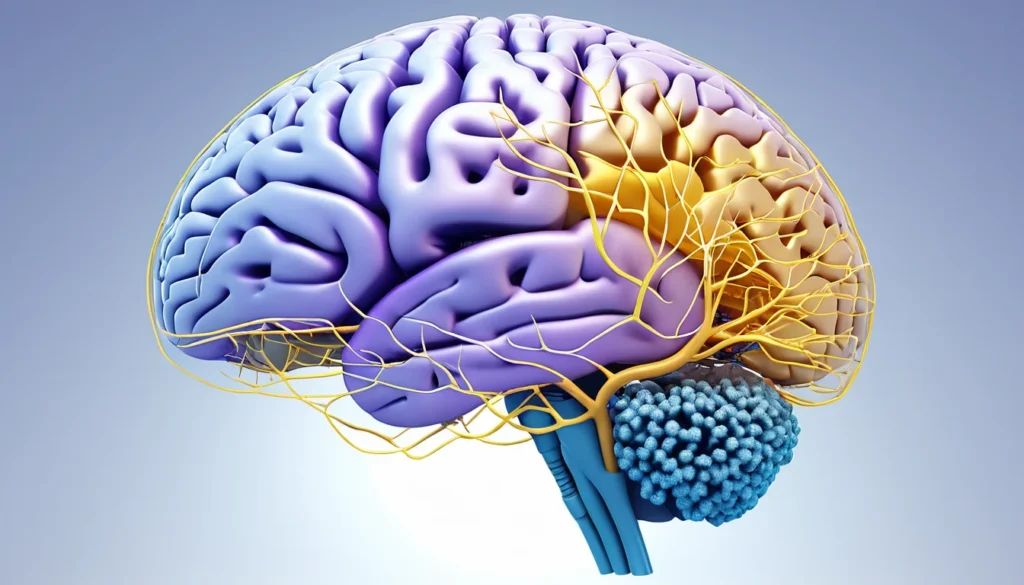
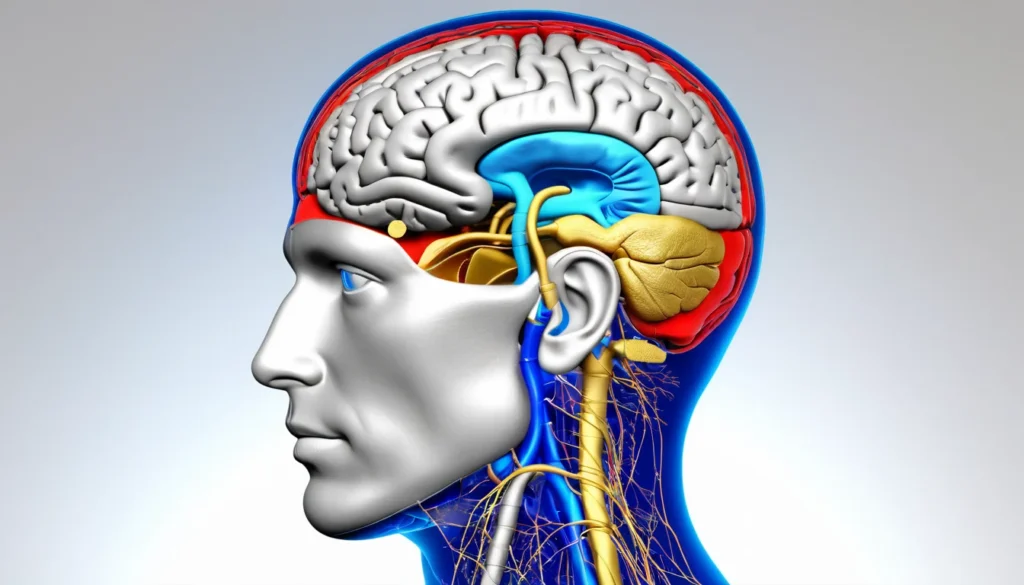
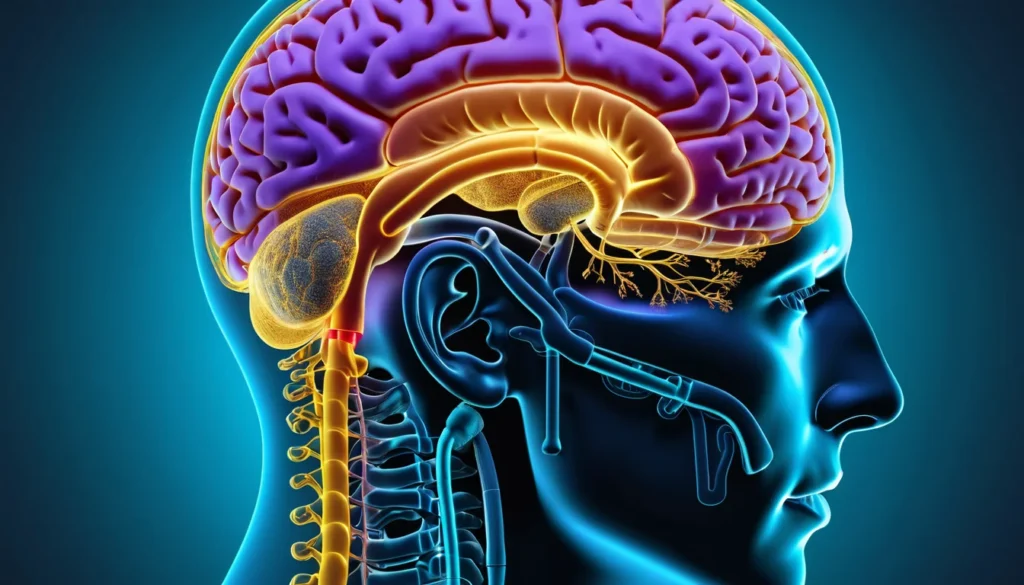
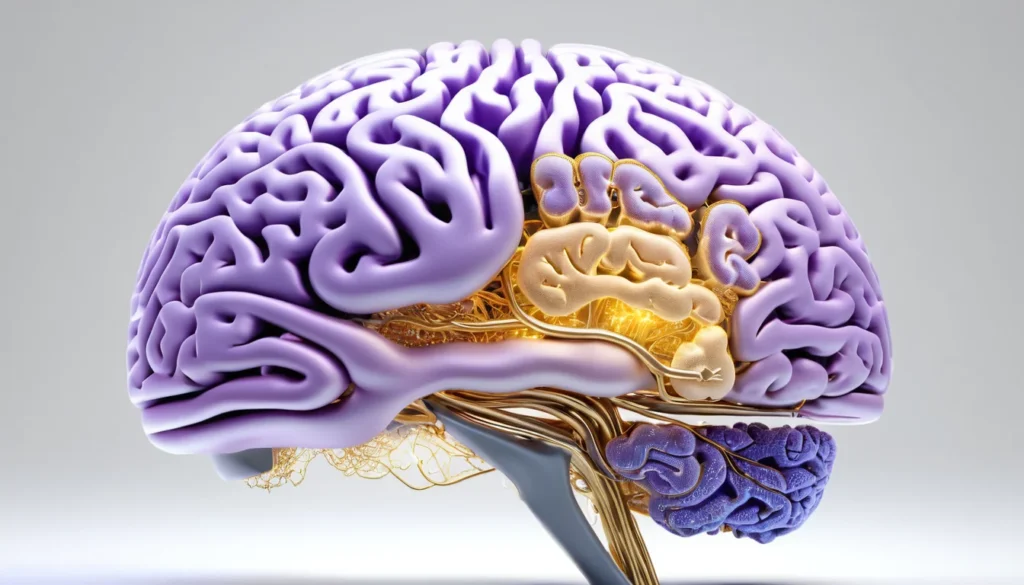
Dementia describes a group of symptoms that affect the brain. These symptoms make it hard for a person to remember things, think clearly, or manage everyday tasks. Dementia is not one single disease. Instead, it is caused by several different conditions that damage brain cells.
Most types of dementia get worse over time. However, the speed of decline is different for everyone. Some people stay stable for a long period. Others experience a faster loss of abilities. Either way, early detection matters greatly.
It is worth knowing that not all memory loss means dementia. Forgetting someone’s name briefly or losing your keys occasionally is a normal part of growing older. However, when memory problems grow worse and begin to affect daily life, that is a different matter entirely.
How Common Is Dementia in Canada?
Dementia becomes more likely as people age. Around age 85, roughly 35 out of every 100 people have some form of dementia. That also means 65 out of 100 people at that age do not have it. Ageing increases the risk, but it does not make dementia certain.
Many older Canadians live their entire lives without developing dementia. Furthermore, a diagnosis does not mean life stops. With the right care and support, people can continue to live with meaning and connection. Health Canada offers resources to help families navigate dementia care across the country.
Common Causes of Dementia
The most well-known cause of dementia is Alzheimer’s disease. However, several other conditions also lead to dementia. Some types cannot be reversed. Others can be treated if caught early enough.
Causes That Cannot Be Reversed
Vascular dementia is the second most common type after Alzheimer’s disease. It happens when a stroke or series of small strokes block blood flow to parts of the brain. The brain damage from these events is permanent. However, you can reduce the risk of further damage by managing cardiovascular risk factors like high blood pressure and cholesterol.
Other non-reversible causes include:
Parkinson’s disease — a movement disorder that causes dementia in up to 30% of people who have it
Lewy body dementia — caused by protein deposits called Lewy bodies forming inside brain cells; it often includes vivid visual hallucinations
Frontotemporal dementia — mainly affects personality and behaviour rather than memory in its early stages
Huntington’s disease — a rare, inherited condition that progressively damages the brain
Creutzfeldt-Jakob disease — a rare and fatal condition that destroys brain tissue quickly
Severe head injuries — repeated trauma to the skull, such as from accidents or contact sports, can lead to dementia over time
Multiple sclerosis (MS) and ALS — some cases involve cognitive decline
Advanced syphilis — antibiotics can treat syphilis effectively, but any brain damage that has already occurred cannot be reversed
Causes That Can Be Treated or Reversed
In some cases, the condition causing dementia-like symptoms is treatable. Identifying these causes early is very important. Treating the underlying problem can restore mental function.
Treatable causes include:
Underactive thyroid (hypothyroidism) — a common and treatable hormonal condition
Vitamin B12 or folate deficiency — both are easy to test for and treat
Heavy metal poisoning — such as lead exposure
Medication side effects or drug interactions — a review of your medications may reveal the cause
Certain brain tumours — depending on type and location, these may be treatable
Normal pressure hydrocephalus — a build-up of fluid in the brain that puts pressure on brain tissue
Chronic alcohol use — some cognitive effects can improve with treatment and abstinence
Encephalitis — a brain infection that can be treated with medication
HIV/AIDS — antiretroviral treatment can reduce cognitive symptoms in some cases
Depression is another condition that can mimic dementia. It causes memory problems, confusion, and withdrawal. Therefore, a full medical assessment is essential before any diagnosis is made.
Recognising the Symptoms of Dementia
Dementia symptoms vary depending on the cause and the part of the brain affected. Memory loss is usually the first and most noticeable sign. However, other symptoms often follow as the condition progresses.
Early and Common Symptoms
Watch for these signs in yourself or someone you care about:
Difficulty remembering recent events, conversations, or appointments
Not recognising familiar people or places
Struggling to find the right words when speaking or writing
Trouble with numbers, calculations, or managing finances
Difficulty planning, following instructions, or completing routine tasks
Slowed thinking or difficulty reacting quickly in unexpected situations
Mood changes, including depression, agitation, or unusual aggression
Neglecting personal hygiene, such as bathing or grooming
Symptoms Specific to Certain Types
Some forms of dementia have unique features. For example, people with Lewy body dementia often experience very detailed and vivid visual hallucinations. They may also fall more frequently than expected.
In frontotemporal dementia, personality changes and unusual social behaviour are often the first signs. A person may act impulsively, say inappropriate things, or seem emotionally flat. Memory problems may come later in this type.
As a result of these differences, getting a thorough medical evaluation is key. Not all dementia looks the same, and the type affects both the outlook and the treatment approach. According to the Mayo Clinic’s guide on dementia, early and accurate diagnosis leads to better outcomes for patients and their families.
Risk Factors for Dementia
Age is the biggest risk factor for dementia. The older a person gets, the higher their risk becomes. However, age alone does not cause dementia. Several other factors can raise the risk.
These include:
Family history — doctors often look for a genetic cause when dementia appears in someone under age 50
High blood pressure — a major risk factor for vascular dementia
Diabetes — linked to a higher risk of cognitive decline
Smoking and heavy alcohol use — both damage blood vessels and brain tissue over time
Physical inactivity — regular movement supports brain health
Social isolation — staying connected may help protect against cognitive decline
Head injuries — even a single serious injury increases long-term risk
In addition, heart health and brain health are closely linked. Managing blood pressure, cholesterol, and blood sugar benefits both your heart and your brain. The World Health Organization’s fact sheet on dementia outlines several lifestyle changes that may reduce risk.
When to See a Doctor
If you or someone close to you is experiencing worsening memory problems, do not wait. Talk to your family doctor as a first step. If you do not have a family doctor, a walk-in clinic can assess your symptoms and arrange referrals.
You should seek medical advice when:
Memory loss is getting worse over weeks or months
Everyday tasks are becoming difficult or confusing
Personality or behaviour has changed noticeably
A person is getting lost in familiar places
You are worried, even if you are not sure why
Your doctor may order blood tests, a brain scan, or refer you to a specialist such as a neurologist or geriatrician. Most provincial health plans in Canada cover these assessments. Getting an early diagnosis gives you more options for treatment and planning.
It is always better to check and be reassured than to wait and miss a treatable cause. Please speak with a qualified healthcare provider before drawing any conclusions about your own health or that of a loved one.
Frequently Asked Questions About Dementia
What is the difference between dementia and Alzheimer’s disease?
Alzheimer’s disease is the most common cause of dementia, but dementia is not a single disease. Dementia is an umbrella term for a group of symptoms that affect memory, thinking, and daily function. Several different conditions, including Alzheimer’s, can cause dementia.
What are the early warning signs of dementia?
The earliest signs of dementia often include forgetting recent conversations or events, getting confused in familiar places, and struggling to find words. Changes in mood, personality, or daily habits can also be early indicators. If these symptoms are worsening over time, it is important to see a doctor.
Is dementia hereditary?
Some forms of dementia do have a genetic component. Doctors are more likely to investigate a hereditary cause when dementia appears in someone under the age of 50. However, having a family member with dementia does not mean you will develop it too.
Can dementia be prevented?
There is no guaranteed way to prevent dementia, but certain lifestyle choices may lower your risk. Staying physically active, managing blood pressure and cholesterol, avoiding smoking, and staying socially engaged all support brain health. These steps are especially important to start early in life.
Can memory loss be caused by something other than dementia?
Yes, many conditions can cause memory problems that are not dementia. Depression, thyroid disorders, vitamin deficiencies, and medication side effects are all common and treatable causes. This is why a full medical evaluation is so important before assuming a diagnosis of dementia.
How is dementia diagnosed in Canada?
Diagnosis typically starts with a visit to your family doctor or a walk-in clinic. Your doctor may do cognitive tests, blood work, and brain imaging, and may refer you to a specialist. Most of these assessments are covered under provincial health plans across Canada.
Key Takeaways
Dementia affects memory, thinking, and daily function — it is not a normal part of ageing.
The most common cause is Alzheimer’s disease, followed by vascular dementia.
Some causes of dementia-like symptoms, such as thyroid problems or vitamin deficiencies, are fully treatable.
Early warning signs include worsening memory, confusion, personality changes, and difficulty with daily tasks.
Risk factors include age, high blood pressure, family history, smoking, and physical inactivity.
If you are concerned, speak to your family doctor or visit a walk-in clinic — most assessments are covered by your provincial health plan.
Early diagnosis leads to better treatment options and more time to plan ahead.