Most parents know that puberty looks different for every child. However, when the physical changes of growing up seem very slow to arrive — or don’t arrive at all — it can feel worrying. Delayed puberty is a real and treatable medical concern that affects both boys and girls. This article explains what delayed puberty is, what causes it, what symptoms to watch for, and when to speak with your family doctor or visit a walk-in clinic.
What Is Delayed Puberty?
Puberty is the time when a child’s body transforms into an adult body. It involves a series of physical changes driven by hormones — mainly testosterone in boys and estrogen in girls.
For girls, puberty typically begins between ages 7 and 13. For boys, it usually starts between ages 9 and 15. These are wide, normal ranges. However, when puberty has not started by the upper end of these ranges, doctors may consider it delayed puberty.
According to the Mayo Clinic’s overview of delayed puberty, the condition is more common in boys than girls, and it is often not a sign of a serious problem.
Normal Puberty: What to Expect First
Understanding what typical puberty looks like can help you spot when something may be off. Knowing the normal timeline is an important first step.
Girls
In girls, puberty usually begins with breast development. After that, pubic hair appears, followed by a growth spurt and then the first menstrual period. The hips widen and the body becomes more rounded in shape.
Boys
In boys, the testicles and penis grow first. Pubic and facial hair then develops, followed by a growth spurt. The shoulders broaden and the body becomes more muscular over time.
These changes happen gradually over several years. The pace varies from person to person, and that variation is completely normal.
Common Causes of Delayed Puberty
Delayed puberty can have several different causes. Some are simple and harmless. Others may need medical attention. Here is a breakdown of the most common reasons.
Family Growth Patterns
The most common cause of delayed puberty is simply a family pattern of late development. A child may find that their parent, aunt, uncle, or older sibling also developed later than their peers. Doctors call this constitutional delay. It usually requires no treatment at all, and the child will typically go through puberty naturally — just a little later than average.
Chronic Health Conditions
Some long-term health conditions can slow puberty. These include diabetes, kidney disease, Crohn’s disease, asthma, celiac disease, and cystic fibrosis. When the body is working hard to manage a chronic illness, growth and development can take a back seat. With proper treatment and good disease management, puberty often begins on its own.
Nutrition and Physical Activity
Poor nutrition can delay puberty. Conditions like anorexia nervosa or malnutrition deprive the body of the nutrients it needs to develop. In addition, very intense athletic training — such as that seen in competitive gymnasts or long-distance runners — can also delay the onset of puberty.
Hormone-Related Causes
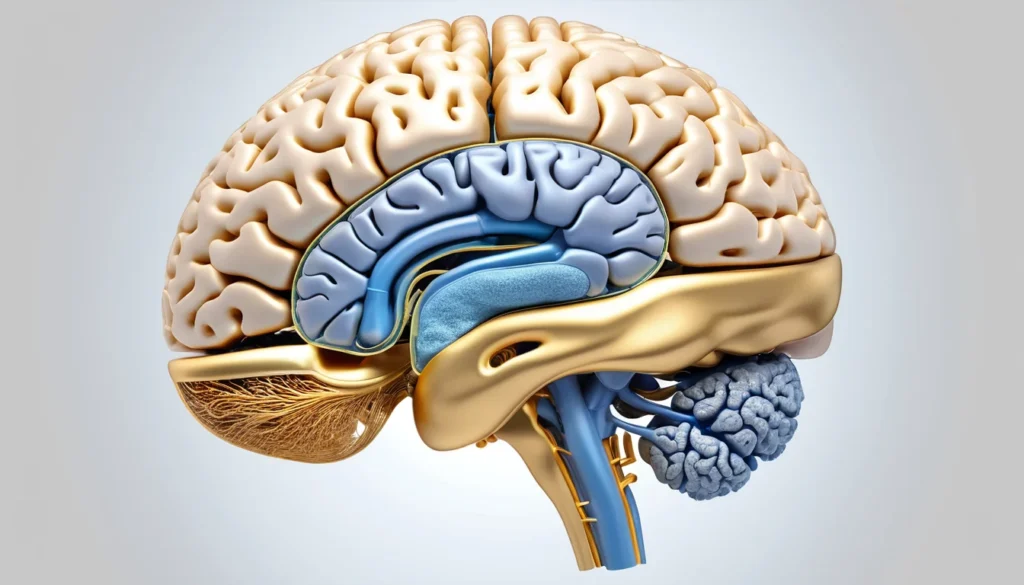
Sometimes the part of the brain that controls hormone release — the hypothalamus and pituitary gland — does not send the right signals. This can be caused by tumours, brain injuries, radiation treatment, or congenital (present from birth) conditions. An underactive thyroid (hypothyroidism) can also play a role. These causes are less common but important to rule out.
Causes Specific to Boys
In boys, delayed puberty can also result from problems with the testicles themselves. These include undescended testicles (cryptorchidism), testicular injury, or certain infections. Chromosomal conditions such as Klinefelter syndrome can also affect puberty in boys.
Causes Specific to Girls
In girls, conditions such as Turner syndrome, polycystic ovary syndrome (PCOS), or ovarian damage from radiation or certain medications can delay puberty. Intersex conditions may also be a factor in some cases.
For a deeper look at hormonal causes, Healthline’s guide to delayed puberty offers a helpful overview written for general readers.
Signs and Symptoms of Delayed Puberty
Knowing what to look for can help you decide whether to speak with a healthcare provider. The signs of delayed puberty differ between boys and girls.
Signs in Boys
Testicles have not grown by age 14
Penis remains small and immature past age 13
Little or no body hair by age 15
Short stature and lean build that does not change
Fat deposits forming around the hips, abdomen, and chest area
Signs in Girls
No breast development by age 14
No menstrual period by age 16
Little or no pubic hair by age 15
Body remains short and shows no growth spurt
These signs do not automatically mean something is wrong. However, they are worth discussing with a medical professional, especially if your child feels distressed about the delay.
How Doctors Diagnose Delayed Puberty
If you bring your child to see a doctor about delayed puberty, the appointment will usually begin with a full physical exam. The doctor will ask about your child’s medical history, any medications they take, their diet, their activity level, and the growth patterns of close family members.
From there, the doctor may recommend blood tests to check hormone levels, thyroid function, chromosomal health, or pituitary function. An X-ray of the hand or wrist may also be taken to measure bone age — this tells the doctor how mature your child’s skeleton is compared to their actual age.
In many cases, no underlying physical problem is found. The delay turns out to be constitutional — simply part of that child’s natural timeline. However, if a medical cause is discovered, your family doctor may refer your child to a paediatric endocrinologist (a specialist in children’s hormone health) for further assessment and treatment.
Treatment Options for Delayed Puberty
Treatment depends entirely on what is causing the delay. In cases of constitutional delay, the most common approach is simply watchful waiting. Doctors monitor the child’s development over time and reassure both the child and family that puberty is coming.
However, some children find the wait emotionally difficult. Watching peers develop while they have not can affect self-esteem and social confidence. In these situations, a short course of hormone therapy may be recommended. For boys, this typically involves low doses of testosterone. For girls, oestrogen may be used. These treatments are given for a few months and are designed to give puberty a gentle push.
Once treatment stops, the body’s own hormones usually take over and puberty continues naturally. If an underlying condition like hypothyroidism is found, treating that condition directly often resolves the delay as well.
All treatment decisions should be made with a qualified healthcare provider. Hormone therapy in children requires careful monitoring and is not appropriate in every case.
When to See a Doctor
You should speak with your child’s family doctor if your daughter has shown no signs of breast development by age 14, or no menstrual period by age 16. For boys, see a doctor if there is no testicular growth by age 14 or no other signs of puberty by age 15.
If your child is distressed about their development — even if the delay seems minor — that is also a good reason to seek support. Your family doctor is your first and best point of contact. If you do not have a family doctor, a walk-in clinic can help with an initial assessment and referral if needed. Most provincial health plans in Canada cover these visits.
You can also learn more about when to seek care through Health Canada’s official health resources, which offer guidance on accessing care across the provinces and territories.
Always consult a qualified healthcare provider before drawing any conclusions about your child’s development. This article is for informational purposes only and does not replace professional medical advice.
Frequently Asked Questions About Delayed Puberty
What age is considered too late for puberty to start?
For girls, doctors consider delayed puberty when there are no signs of breast development by age 14 or no menstrual period by age 16. For boys, a concern arises when testicular growth has not begun by age 14. These are general guidelines, and a family doctor can help determine what is normal for your child.
Can delayed puberty fix itself without treatment?
Yes, in many cases it can. The most common cause of delayed puberty is a family pattern of late development, which resolves on its own without any medical treatment. Most children with this type of delay go through puberty naturally — just a bit later than their peers.
Does delayed puberty affect a child’s final height?
In most cases of constitutional delayed puberty, children reach a completely normal adult height. Because their growth period is simply shifted later, they often continue growing after their peers have stopped. However, if delayed puberty is caused by an underlying medical condition, that condition may independently affect height and should be treated promptly.
Is delayed puberty linked to infertility?
Constitutional delayed puberty on its own does not cause infertility. However, some underlying conditions that cause delayed puberty — such as Klinefelter syndrome or Turner syndrome — can affect fertility. If an underlying condition is suspected, speaking with a specialist is an important step.
What tests does a doctor run for delayed puberty?
A doctor assessing delayed puberty will typically start with a physical exam and a review of family history. Blood tests may check hormone levels, thyroid function, and chromosomes. An X-ray of the wrist is sometimes used to assess bone age, which helps the doctor understand how the skeleton is developing.
Can stress or diet cause delayed puberty?
Yes, both can play a role. Significant emotional stress, poor nutrition, or extreme physical activity can delay the body’s hormone signals and slow puberty. Conditions like anorexia nervosa are a well-known cause of delayed puberty in girls. Addressing the root cause — with medical and nutritional support — often allows puberty to progress.
Key Takeaways
Delayed puberty means puberty has not started within the typical age range — around age 13–14 for boys and age 14–16 for girls.
The most common cause is a family pattern of late development, which usually needs no treatment.
Chronic illness, poor nutrition, intense exercise, and hormonal conditions can all contribute to delayed puberty.
Doctors use physical exams, blood tests, and bone age X-rays to investigate the cause.
Short-term hormone therapy is available for children who need support starting puberty.
Talk to your family doctor or visit a walk-in clinic if you have concerns — most provincial health plans cover this type of visit.
In most cases, the outlook is very positive. Children with delayed puberty typically develop fully and live healthy lives.