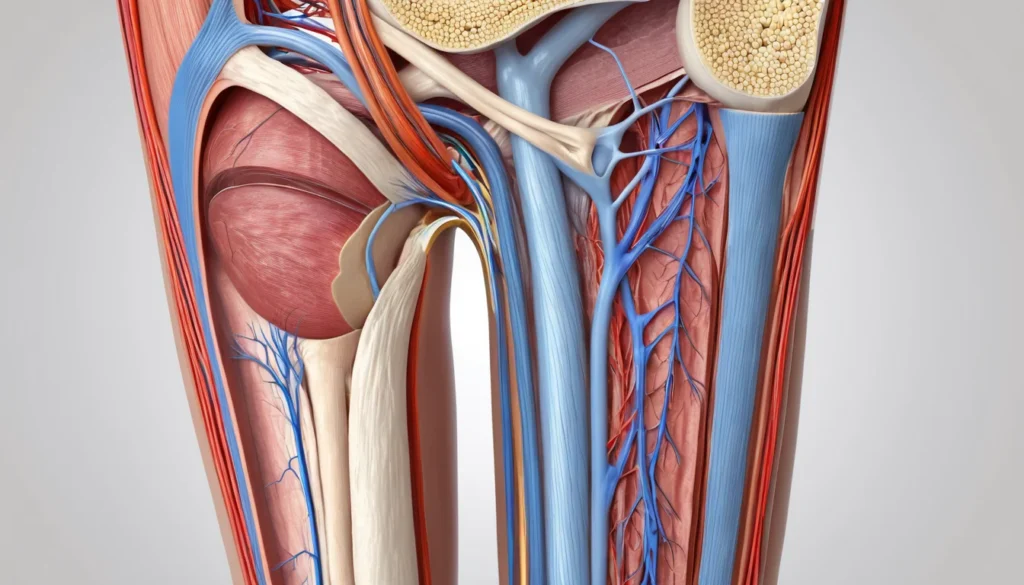
Deep vein thrombosis (DVT) is a serious condition where a blood clot forms in a deep vein, usually in the leg. It can happen to anyone, and it can become life-threatening if left untreated. Understanding the warning signs and risk factors can help you act quickly and protect your health.
What Is Deep Vein Thrombosis?
Deep vein thrombosis happens when a blood clot forms inside a deep vein, most often in the lower leg or thigh. These clots can block normal blood flow and cause pain, swelling, and serious complications.
The biggest danger is a condition called pulmonary embolism. This happens when a clot breaks free, travels through the bloodstream, and becomes lodged in the lungs. According to Mayo Clinic, pulmonary embolism can be fatal, making early detection and treatment absolutely critical.
What Causes Deep Vein Thrombosis?
Doctors have understood the causes of DVT for over 150 years. They follow a framework called Virchow’s Triad, which identifies three main factors that lead to clot formation.
These three factors are: abnormal blood flow, increased tendency of blood to clot, and damage to the inner wall of a vein. When one or more of these factors are present, the risk of developing a clot goes up significantly.
Common triggers include surgery, injury to a vein, an abnormal immune response, hormonal changes, genetic disorders, and prolonged lack of movement. For example, sitting still for many hours — whether in a hospital bed or on a long flight — can slow blood flow enough to encourage clot formation.
Risk Factors for Deep Vein Thrombosis
Some people face a higher risk of developing deep vein thrombosis than others. Knowing your risk factors helps you and your family doctor have an informed conversation about prevention.
You may be at higher risk if you:
Sit or stay still for long periods, such as during long car trips or flights without breaks
Smoke
Use hormonal birth control or hormone replacement therapy
Are recovering from surgery or are bedridden
Have had a recent injury to your leg
Are living with obesity
Are pregnant or recently gave birth
Have a chronic inflammatory condition
Have been diagnosed with cancer
Have a close family member who has had DVT
Are over 45 years of age
Pregnancy and DVT Risk
Women face a higher risk of deep vein thrombosis during pregnancy and in the four to six weeks after giving birth. Higher levels of estrogen during this time make the blood more likely to clot. In addition, the growing uterus can put pressure on the veins in the pelvis, slowing blood flow in the legs.
Genetic Conditions That Raise Risk
Certain inherited conditions can also increase your risk. These include:
Factor V Leiden mutation
Prothrombin gene mutation
Antiphospholipid syndrome
Elevated homocysteine levels
Protein C or S deficiency
Antithrombin III deficiency
If you have a family history of blood clots, ask your family doctor whether genetic testing is right for you. Many provincial health plans cover blood clotting assessments when there is a clear medical reason.
Symptoms of Deep Vein Thrombosis
One of the challenges with deep vein thrombosis is that it does not always cause obvious symptoms. In fact, fewer than 30% of people with DVT experience the classic warning signs. This makes it easy to overlook — and potentially dangerous.
However, when symptoms do appear, they can include:
Swelling in one leg, or in part of a leg
Pain or tenderness in the calf or leg
Reddish or discoloured patches of skin on the affected leg
A difference in temperature between your two legs (the affected leg may feel warmer)
Cramping or discomfort in the calf
Skin that looks pink, red, or bluish
These symptoms can be easy to mistake for a muscle strain or minor injury. Therefore, it is important to pay attention to changes in your leg, especially after surgery, a long trip, or a period of limited movement.
Warning Signs of Pulmonary Embolism
Because not everyone with DVT will notice leg symptoms, it is also vital to know the warning signs of a pulmonary embolism. This is a medical emergency. Call 911 or go to your nearest emergency room immediately if you experience:
Sudden shortness of breath
Sharp chest pain, pressure, or a burning sensation
Pain that gets worse when you breathe deeply, cough, or bend over
A rapid or irregular heartbeat
Coughing up blood or bloody mucus
Rapid breathing that starts suddenly
Dizziness or feeling faint
Sweating and a sense of anxiety
Do not wait to see if these symptoms go away on their own. A pulmonary embolism can be fatal within hours if not treated promptly. As Health Canada emphasizes, acting fast in cardiovascular emergencies saves lives.
Conditions That Can Look Like Deep Vein Thrombosis
Several other conditions can cause symptoms that look a lot like deep vein thrombosis. Your doctor will need to examine you and may order tests to confirm the diagnosis. Conditions that can mimic DVT include:
Muscle strain or soreness — very common and often mistaken for DVT
Superficial thrombophlebitis — inflammation of a vein just under the skin; less serious than DVT, but still worth checking
Varicose veins — enlarged, twisted veins that can cause aching and swelling
Arthritis — joint inflammation that can cause pain and swelling
Cellulitis — a bacterial skin infection causing redness, warmth, and swelling
Lymphoedema — swelling caused by a problem with the lymphatic system
Fracture — a broken bone can cause swelling and pain similar to DVT
Furthermore, clots in arteries (rather than veins) can also cause symptoms in the legs. Only a medical professional can tell the difference, so never try to diagnose yourself.
How Is Deep Vein Thrombosis Treated?
If your doctor confirms a diagnosis of deep vein thrombosis, treatment will start right away. The main goals of treatment are to relieve symptoms, stop the clot from getting bigger, and prevent it from reaching the lungs.
Treatment may include some or all of the following:
Rest and Elevation
Your doctor will likely recommend bed rest, with your affected leg elevated above the level of your heart. This helps reduce swelling. Warm compresses applied gently to the area can also help ease local pain and discomfort.
Compression Stockings
Compression stockings apply gentle, steady pressure to the leg. This helps improve blood circulation and encourages blood to flow back toward the heart. Your doctor or pharmacist can help you find the right fit. These are available at most pharmacies across Canada.
Blood Thinners (Anticoagulants)
Anticoagulants — commonly called blood thinners — are the main medical treatment for deep vein thrombosis. These medications do not dissolve an existing clot, but they prevent the clot from growing and stop new ones from forming. Your body can then gradually break down the clot on its own over time.
Many people with DVT need to take anticoagulants for several months. Your doctor will monitor your treatment closely. In some cases, hospitalisation is needed, especially when DVT develops after surgery and monitoring is required. For more detailed information on anticoagulant therapy, visit Healthline’s overview of DVT treatment.
When to See a Doctor
If you notice any symptoms that could suggest deep vein thrombosis — such as unexplained leg swelling, pain, or redness — contact your family doctor as soon as possible. If you do not have a family doctor, a walk-in clinic can assess you and arrange any necessary tests.
Do not ignore these symptoms, even if they seem mild. DVT can worsen quickly, and early treatment makes a real difference in outcomes. Most provincial health plans cover the diagnostic tests and treatments needed for DVT, including ultrasound imaging and anticoagulant therapy.
If you experience sudden chest pain, difficulty breathing, or feel faint, call 911 immediately. These could be signs of a pulmonary embolism, which is a life-threatening emergency.
Always speak with a qualified healthcare provider before starting, stopping, or changing any treatment. This article is for informational purposes only and does not replace professional medical advice.
Frequently Asked Questions About Deep Vein Thrombosis
What does deep vein thrombosis feel like?
Deep vein thrombosis often causes swelling, pain, or tenderness in one leg, usually in the calf. The skin over the affected area may feel warm and look red or discoloured. However, some people with DVT feel no symptoms at all, which is why knowing your risk factors is so important.
Can deep vein thrombosis go away on its own?
A small DVT may sometimes resolve without treatment, but this is not something you should count on or wait for. Without proper medical care, deep vein thrombosis can grow larger or break free and travel to the lungs, causing a life-threatening pulmonary embolism. Always see a doctor if you suspect DVT.
How is deep vein thrombosis diagnosed?
Doctors most commonly use a duplex ultrasound to diagnose deep vein thrombosis. This painless imaging test shows blood flow in the veins and can detect clots. Your doctor may also order a D-dimer blood test, which measures a substance released when a clot breaks down.
Who is most at risk for deep vein thrombosis in Canada?
Anyone can develop deep vein thrombosis, but certain groups face a higher risk. These include people over 45, those who are pregnant or recently gave birth, people recovering from surgery, long-distance travellers, and individuals with inherited clotting disorders. If you fall into one of these groups, speak with your family doctor about prevention strategies.
Is deep vein thrombosis covered by provincial health plans in Canada?
Yes, diagnostic tests and hospital treatment for deep vein thrombosis are generally covered under provincial and territorial health plans across Canada. This includes ultrasound imaging and medically necessary anticoagulant therapy. Coverage for outpatient medications may vary by province, so check with your local health authority or pharmacist.
Can you fly with deep vein thrombosis?
Flying with an untreated deep vein thrombosis is considered risky, as prolonged sitting and reduced cabin pressure can make clots worse. If you have been diagnosed with DVT, talk to your doctor before travelling by air. They may recommend compression stockings, blood thinners, or delaying travel until your condition is stable.
Key Takeaways
Deep vein thrombosis is a blood clot that forms in a deep vein, usually in the leg.
It can lead to a pulmonary embolism, which is a medical emergency and can be fatal.
Classic symptoms include leg swelling, pain, redness, and warmth — but many people have no symptoms at all.
Risk factors include surgery, prolonged immobility, pregnancy, smoking, hormonal therapy, obesity, and certain genetic conditions.
Treatment includes rest, compression stockings, and anticoagulant (blood-thinning) medication.
If you suspect DVT, contact your family doctor or walk-in clinic promptly. For chest pain or breathing difficulty, call 911 immediately.
Most diagnostic and treatment costs are covered by provincial health plans across Canada.