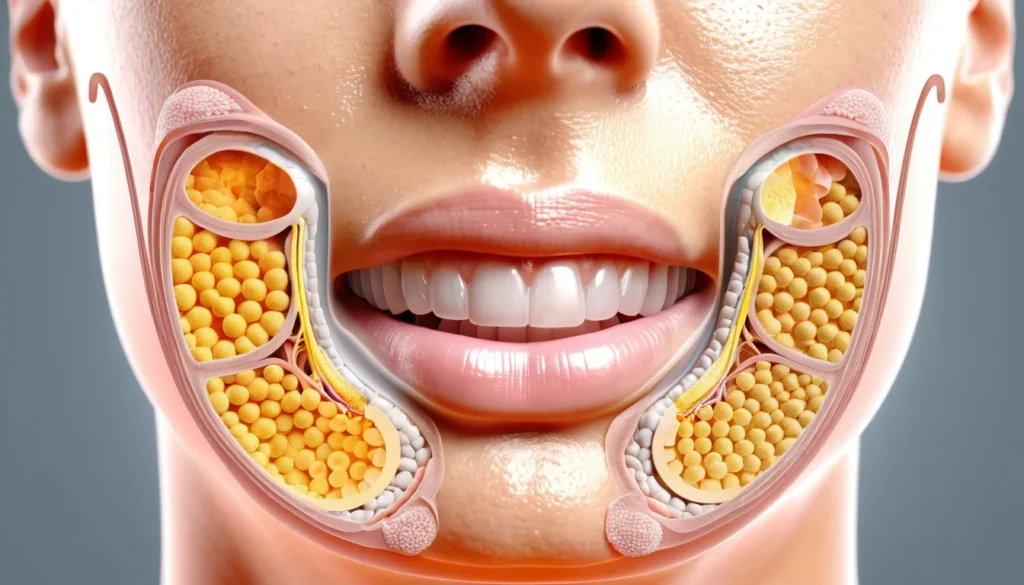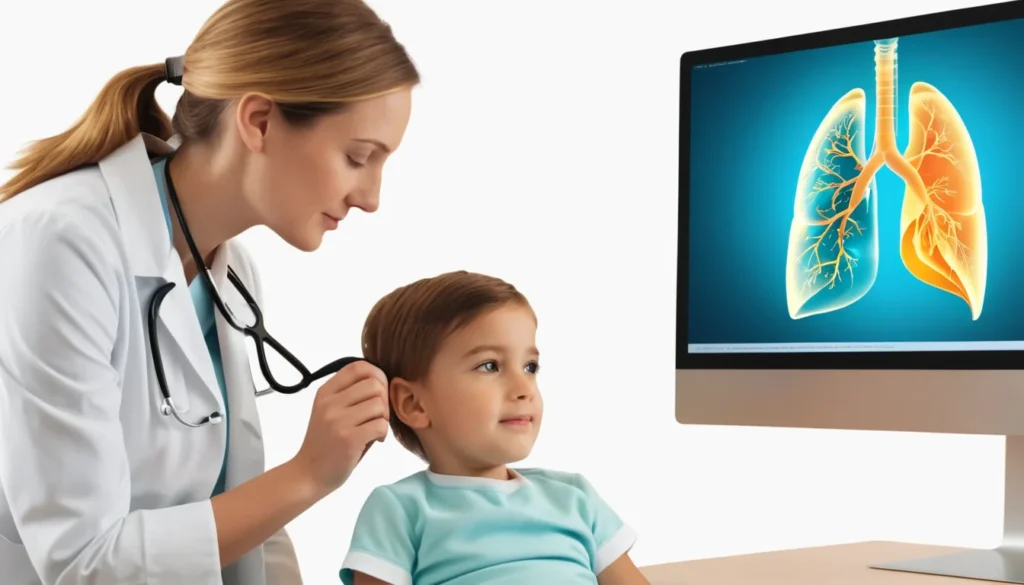
Cystic fibrosis is a serious inherited disease that affects thousands of Canadian children and families. It causes the body to produce thick, sticky mucus that clogs the lungs, digestive system, and other organs. This article explains what cystic fibrosis is, how it is diagnosed, and how Canadian families can manage it with the right medical support.
What Is Cystic Fibrosis?
Cystic fibrosis is a genetic condition passed down through families. It causes abnormally thick mucus to build up in the lungs, pancreas, and intestines. Over time, this mucus causes serious damage to these organs.
The disease affects mainly people of European descent. In Canada, roughly one in every 2,500 to 3,600 births results in a child with cystic fibrosis. It is one of the most common life-shortening genetic diseases in the country.
For a child to develop cystic fibrosis, they must inherit a faulty gene from both parents. This is called autosomal recessive inheritance. A person who inherits only one copy of the gene is called a carrier. Carriers do not have the disease but can pass the gene to their children.
What Causes Cystic Fibrosis?
Cystic fibrosis is caused by a change, or mutation, in the CFTR gene. This gene controls how the body moves salt and water in and out of cells. When the gene does not work properly, mucus becomes far too thick and sticky.
Both parents must carry the faulty gene for their child to develop cystic fibrosis. If both parents are carriers, there is a one-in-four chance with each pregnancy that the child will have the disease. There is also a two-in-three chance that a healthy sibling of an affected child will be a carrier.
Genetic testing can identify carriers. If you have a family history of cystic fibrosis, ask your family doctor about genetic counselling. This service is available through many provincial health plans across Canada.
Recognising the Symptoms of Cystic Fibrosis
Symptoms of cystic fibrosis can appear at birth or develop over the first few months of life. The disease affects different parts of the body in different ways. However, lung and digestive problems are the most common.
Lung and Breathing Symptoms
The thick mucus in the airways makes it very hard to breathe. Children with cystic fibrosis often have a persistent cough that does not go away. They also tend to get repeated chest infections, bronchitis, and pneumonia.
Over time, the lungs become more damaged. This leads to a condition called emphysema, where the air sacs in the lungs lose their ability to work properly. As a result, some children develop early respiratory failure, meaning their lungs struggle to do their job.
In more advanced stages, doctors may notice a barrel-shaped chest, bluish colour around the lips and fingertips (called cyanosis), and clubbing of the fingers. Clubbing means the fingertips and nails become wide and curved, like the end of a drumstick.
Lung infections caused by bacteria such as Staphylococcus aureus and Pseudomonas aeruginosa make breathing problems worse. These infections are a major concern in managing cystic fibrosis long-term.
Digestive Symptoms
About 85% of people with cystic fibrosis have pancreatic insufficiency. This means the pancreas cannot release enough digestive enzymes. As a result, the body cannot properly absorb fats and nutrients from food.
This leads to chronic diarrhoea, with large, greasy, and foul-smelling stools. Children often lose weight even though their appetite remains normal. This is a key warning sign that parents and family doctors watch for.
In some cases, cystic fibrosis can also affect the liver, leading to cirrhosis or gallstones. If the disease spreads to the insulin-producing cells of the pancreas, it can cause a form of diabetes called cystic fibrosis-related diabetes (CFRD).
Symptoms in Newborns
In newborns, cystic fibrosis may first appear as a bowel blockage called meconium ileus. This is when thick mucus prevents the baby’s first stool (meconium) from passing. In Canada, newborn screening programmes test for cystic fibrosis shortly after birth in most provinces.
Jaundice, caused by blocked bile ducts, can also occur in newborns with cystic fibrosis. Early diagnosis through newborn screening allows treatment to begin right away, which greatly improves outcomes. For more information, visit Health Canada’s official health resources.
How Is Cystic Fibrosis Diagnosed?
Diagnosing cystic fibrosis involves several steps. In Canada, most provinces now screen newborns for the disease through a simple blood test taken within the first few days of life. Early detection makes a significant difference in long-term health.
The Sweat Test
The most reliable test for cystic fibrosis is the sweat chloride test. People with cystic fibrosis have much higher levels of salt (sodium and chloride) in their sweat than usual. This test is painless and involves collecting a small amount of sweat from the skin.
Two separate sweat tests are usually needed to confirm the diagnosis. The test must be performed at a specialised laboratory or a cystic fibrosis centre. In Canada, these centres are located in most major cities and are part of the provincial healthcare network.
Genetic Testing
Genetic testing can identify the specific CFTR gene mutation causing the disease. This is especially helpful for family planning. Furthermore, it helps doctors choose the most targeted treatments available today.
Prenatal testing is also possible. Through a procedure called chorionic villus sampling (CVS), doctors can test for cystic fibrosis as early as the 10th week of pregnancy. This option is available to couples who already have a child with the condition. Learn more about genetic testing from the Mayo Clinic’s cystic fibrosis overview.
Treatment and Management of Cystic Fibrosis
There is currently no cure for cystic fibrosis. However, modern treatments have greatly improved quality of life and life expectancy. In Canada, most people with cystic fibrosis are now living well into adulthood, thanks to advances in care.
Lung Care and Physiotherapy
Keeping the airways clear is a top priority. Physiotherapists teach children and parents special airway clearance techniques. These include controlled coughing exercises and chest physiotherapy to help drain mucus from the lungs.
Ultrasonic nebulisers deliver medication as a fine mist directly into the airways. This helps loosen mucus and makes breathing easier. In severe cases, long-term oxygen therapy may be needed at home.
Antibiotic therapy plays a central role in treating lung infections. Doctors carefully choose antibiotics based on which specific bacteria are present in the lungs. Inhaled, oral, and intravenous antibiotics are all used depending on the situation.
Nutritional Support
Good nutrition is essential for children with cystic fibrosis. Because the pancreas does not work properly, children take pancreatic enzyme supplements with every meal. These capsules replace the enzymes the pancreas cannot produce.
A high-calorie diet is recommended, along with fat-soluble vitamins (A, D, E, and K). In some cases, tube feeding through a gastric tube or intravenous nutrition may be needed to maintain a healthy weight. Salt tablets may also be recommended during hot weather to prevent dehydration.
CFTR Modulator Therapy
A newer class of drugs called CFTR modulators targets the root cause of cystic fibrosis. These medicines help the faulty CFTR protein work more normally. Drugs such as elexacaftor/tezacaftor/ivacaftor (brand name Trikafta) have transformed cystic fibrosis care in Canada.
However, these medications only work for people with certain gene mutations. They are also expensive, and coverage varies by province. Talk to your family doctor or specialist about whether these treatments are covered under your provincial health plan.
Lung Transplant
In the most severe cases, a lung transplant may be an option. This involves replacing both diseased lungs with healthy donor lungs. In some cases, a heart-lung transplant is performed.
A transplant is considered a last resort for patients with very severe respiratory failure. It is a major surgery with serious risks. However, for some patients, it offers years of improved breathing and quality of life.
Fertility and Cystic Fibrosis
Cystic fibrosis affects fertility in both men and women. Almost all men with the condition are infertile because of a missing or blocked vas deferens, the tube that carries sperm. However, assisted reproduction techniques can often help men with cystic fibrosis father children.
Women with cystic fibrosis may have reduced fertility due to thick cervical mucus. However, many women with the condition do successfully become pregnant. It is important to discuss family planning with a specialist who understands cystic fibrosis. For additional context, see Healthline’s guide to cystic fibrosis.
When to See a Doctor
If your child has a persistent cough, repeated chest infections, or poor weight gain despite a good appetite, see your family doctor as soon as possible. These symptoms could point to cystic fibrosis or another condition that needs attention.
If you do not have a family doctor, a walk-in clinic can assess your child and refer you to a specialist. Many provinces also have dedicated cystic fibrosis centres where a team of experts works together to provide care.
If you have a family history of cystic fibrosis and are planning a pregnancy, ask your doctor about genetic counselling. Early testing can help you understand your risk and make informed decisions. As always, speak with a qualified healthcare provider before making any changes to your or your child’s care.
Frequently Asked Questions About Cystic Fibrosis
What is cystic fibrosis and how does it affect the body?
Cystic fibrosis is an inherited disease that causes the body to make abnormally thick, sticky mucus. This mucus builds up in the lungs, digestive system, and other organs, causing serious breathing and digestive problems. Over time, cystic fibrosis can lead to severe lung damage and other complications.
What are the early signs of cystic fibrosis in babies?
In newborns, early signs of cystic fibrosis can include a blocked bowel (meconium ileus), delayed passage of the first stool, and jaundice. In the first months of life, persistent coughing and poor weight gain are common warning signs. Most Canadian provinces now screen newborns for cystic fibrosis shortly after birth.
Is cystic fibrosis curable?
Currently, there is no cure for cystic fibrosis, but treatments have improved greatly in recent years. Newer CFTR modulator drugs target the root cause of cystic fibrosis and have significantly improved quality of life for many patients. Researchers continue to work toward a complete cure.
How is cystic fibrosis diagnosed in Canada?
In most Canadian provinces, cystic fibrosis is detected through newborn screening shortly after birth. If screening suggests the disease, a sweat chloride test and genetic testing are used to confirm the diagnosis. Two separate sweat tests are typically required before a final diagnosis is made.
How long do people with cystic fibrosis live?
Life expectancy for people with cystic fibrosis has improved dramatically over the past few decades. Many Canadians with cystic fibrosis are now living into their 40s, 50s, and beyond, thanks to better treatments. However, outcomes vary depending on the severity of the condition and access to specialized care.
Can cystic fibrosis be prevented?
Cystic fibrosis itself cannot be prevented, as it is a genetic condition. However, genetic testing and counselling can help couples understand their risk of having a child with cystic fibrosis. Prenatal testing is available in Canada for families who already have an affected child.
Key Takeaways
Cystic fibrosis is a serious inherited disease that affects the lungs, digestive system, and other organs.
It is caused by a mutation in the CFTR gene and must be inherited from both parents.
Common symptoms include persistent cough, repeated lung infections, poor weight gain, and greasy stools.
The sweat chloride test is the main diagnostic tool, along with genetic testing and newborn screening.
Treatment focuses on clearing the airways, supporting nutrition, preventing infection, and using CFTR modulator drugs where appropriate.
In Canada, cystic fibrosis care is available through provincial health plans and specialised cystic fibrosis centres.
There is currently no cure, but life expectancy has improved greatly with modern treatment.
If you are concerned about symptoms in your child, contact your family doctor or a walk-in clinic right away.