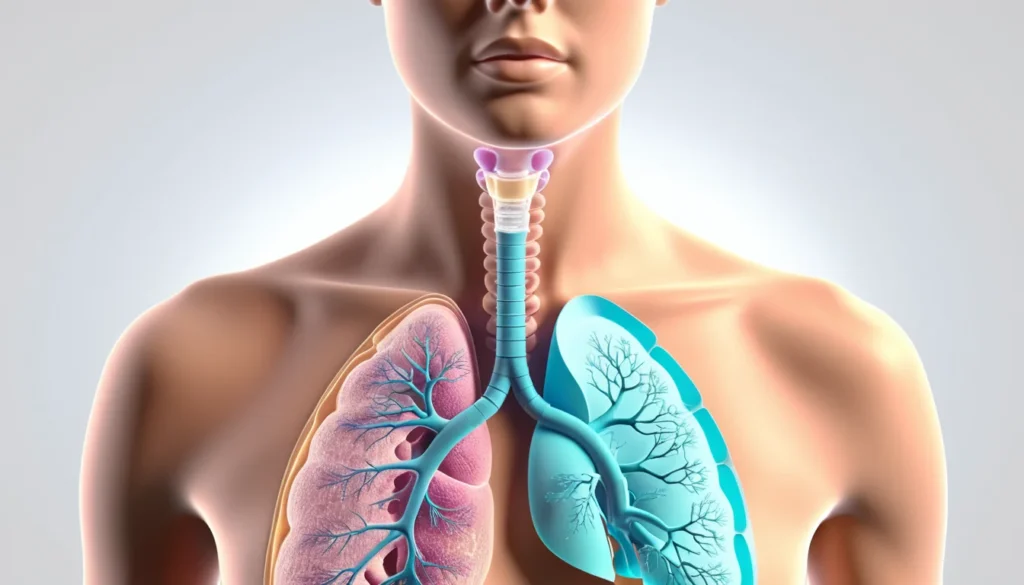
Cystic fibrosis is a serious genetic condition that causes the body to produce thick, sticky mucus. This mucus builds up in the lungs, pancreas, and other organs, leading to breathing problems, digestive issues, and more. There is no cure, but treatment has improved greatly over the decades. Today, many Canadians living with cystic fibrosis lead longer, healthier lives than ever before.
What Is Cystic Fibrosis?
Cystic fibrosis causes the body’s mucus-producing cells to make mucus that is far too thick and sticky. In a healthy body, mucus is thin and helps keep organs clean and moist. In cystic fibrosis, this mucus dries out and clings to the walls of organs, causing blockages and infections.
The condition mainly affects the lungs and the digestive system. However, it can also impact the sweat glands, reproductive organs, and bones. Symptoms and severity vary from person to person. Some people have mild symptoms, while others face serious health challenges from birth.
According to Health Canada, cystic fibrosis is one of the most common life-shortening genetic diseases in Canada. It affects people of all backgrounds, though it is more common in people of white European descent.
What Causes Cystic Fibrosis?
Cystic fibrosis is caused by a change, or mutation, in a specific gene. This gene is called the cystic fibrosis transmembrane conductance regulator gene, or CFTR gene. The CFTR gene controls how the body moves water and salt across cell membranes.
When the CFTR gene does not work properly, salt and water levels become unbalanced inside cells. As a result, the body produces mucus that is far too thick. This thick mucus then blocks airways, digestive ducts, and other passages.
How Is the Gene Passed On?
Cystic fibrosis is an autosomal recessive condition. This means a child must inherit one changed CFTR gene from each parent to develop the disease. If a child inherits only one changed gene, they will not develop cystic fibrosis. However, they will be a carrier and can pass the gene to their own children.
Many people do not know they carry the CFTR gene. It is important for parents to understand that carrying this gene is not their fault. If you are planning a pregnancy and are concerned about your family history, speak with your family doctor about genetic testing and counselling.
Risk Factors for Cystic Fibrosis
Cystic fibrosis is purely a genetic condition. Lifestyle choices such as diet, exercise, smoking, or environment do not cause cystic fibrosis. The only risk factor is inheriting the changed CFTR gene from both parents.
The condition is more common in people of white European descent than in other ethnic groups. However, it can affect people of any background. If both parents carry the CFTR gene, there is a one-in-four chance with each pregnancy that the child will develop cystic fibrosis.
If you or your partner have a family history of cystic fibrosis, talk to your family doctor or a genetic counsellor before or during pregnancy. Genetic testing can help determine your risk. Many provincial health plans in Canada cover genetic counselling — check with your provincial health authority to learn what is available to you.
Symptoms of Cystic Fibrosis
Cystic fibrosis symptoms vary widely. Some appear at birth, while others develop later in childhood or early adulthood. Symptoms are caused by the build-up of thick mucus throughout the body.
Symptoms in Babies and Young Children
Parents are sometimes the first to notice signs of cystic fibrosis in their baby. Common early symptoms include:
Salty-tasting skin — parents may notice this when kissing their baby
Meconium ileus — a blockage in the small intestine that prevents a newborn’s first bowel movement
Poor weight gain — also called “failure to thrive,” where the child does not grow as expected
Persistent diarrhoea or large, greasy, foul-smelling stools
Constipation or a swollen belly
Persistent cough or wheezing
Shortness of breath or tiring quickly during play
Rectal prolapse — when part of the rectum protrudes from the anus
Symptoms in Older Children and Adults
As a person with cystic fibrosis gets older, new symptoms may develop. These can include:
Clubbing of the fingers and toes — the fingertips become rounded and enlarged
Nasal polyps — small growths inside the nose or sinuses
Infertility — more than 95% of men with cystic fibrosis are infertile. Women with cystic fibrosis may have difficulty conceiving but can carry a pregnancy to term.
Bone fragility — leading to osteopenia or osteoporosis
Painful or swollen joints — a condition called cystic fibrosis arthropathy
Wet cough that brings up mucus, sometimes with blood
For more information on symptoms, Mayo Clinic’s cystic fibrosis overview provides a detailed and reliable resource.
How Cystic Fibrosis Affects the Body
Cystic fibrosis does not affect just one organ. It impacts multiple body systems at the same time. Understanding how it affects each system helps explain why the condition is so complex.
Lungs and Breathing
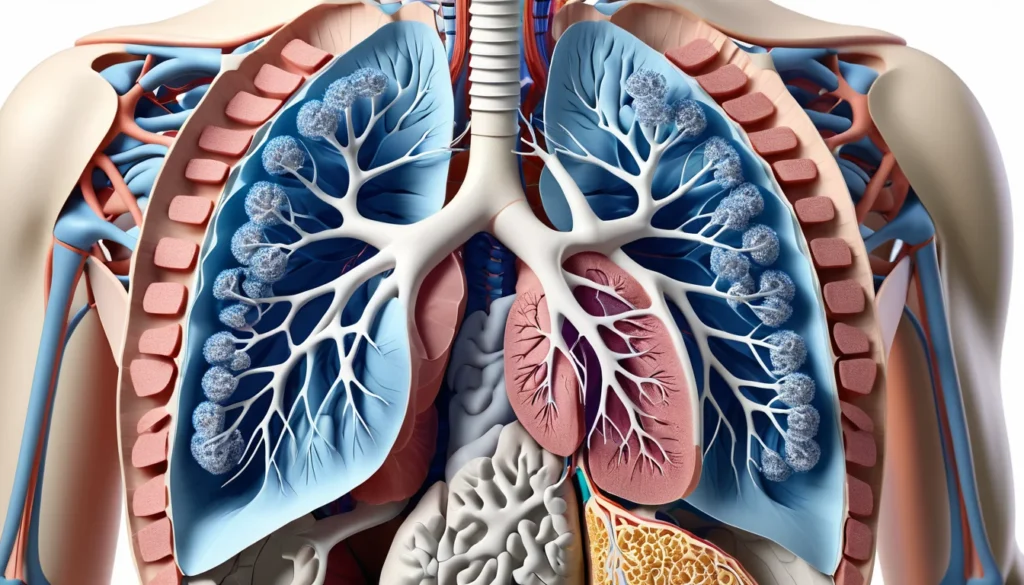
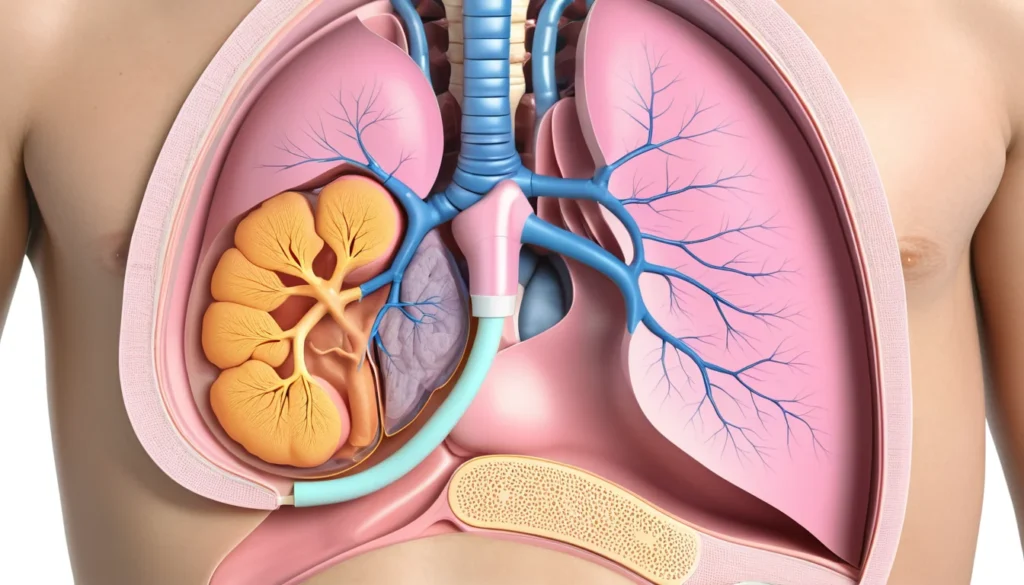
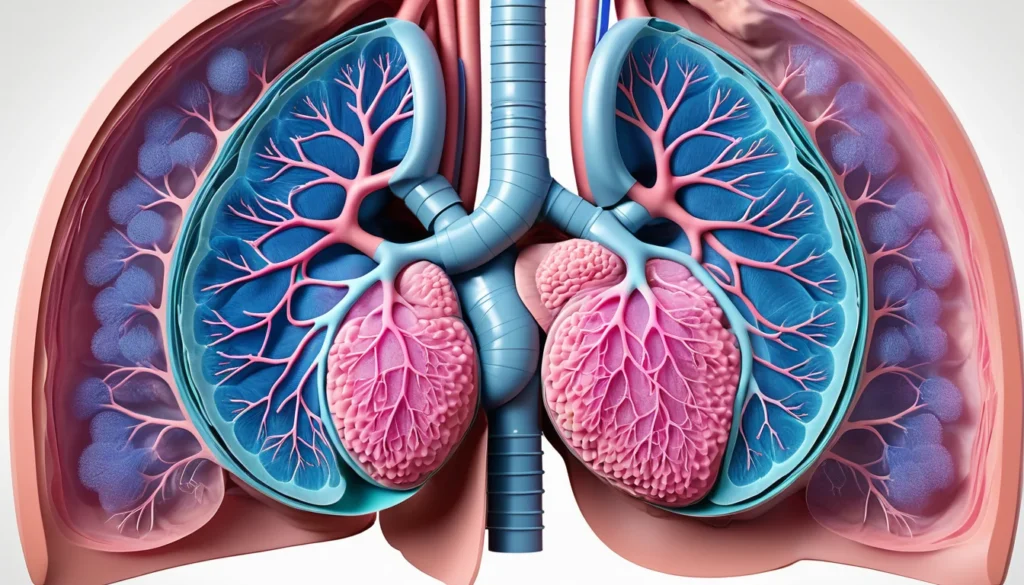
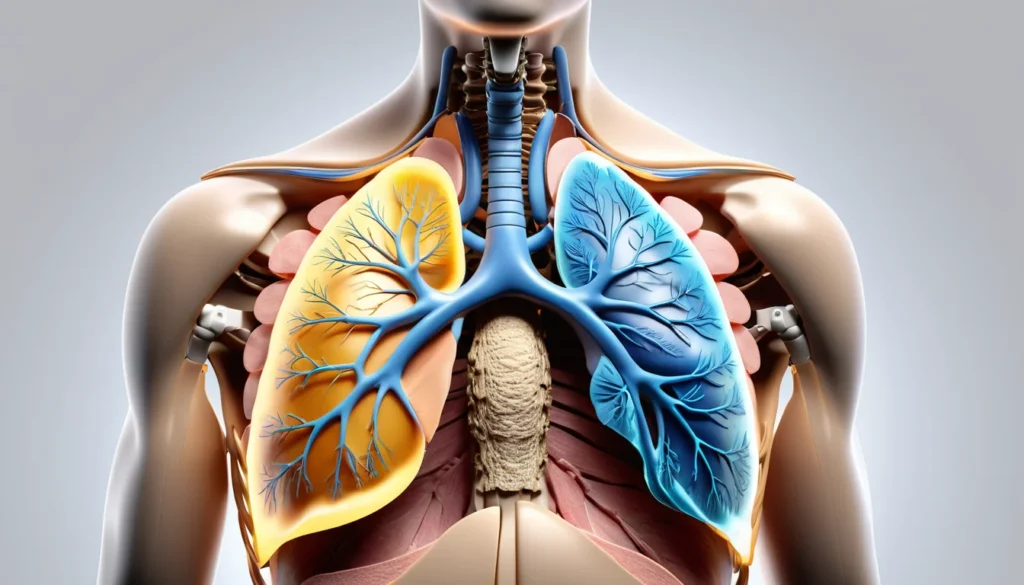
The thick mucus in cystic fibrosis traps bacteria inside the airways. This leads to frequent lung infections, chronic inflammation, and lasting lung damage over time. Repeated infections are one of the main reasons lung function declines in people with cystic fibrosis.
In severe cases, a lung transplant may become necessary. This is a major procedure, but it can significantly improve quality of life for some patients.
Pancreas and Digestion
The pancreas produces enzymes that help the body digest food and absorb nutrients. In cystic fibrosis, thick mucus can block the ducts of the pancreas. As a result, these enzymes cannot reach the small intestine properly, and the body struggles to absorb fats, proteins, and vitamins.
This is why children with cystic fibrosis often have trouble gaining weight, even when eating well. Persistent diarrhoea and fatty stools are common signs of this digestive problem.
Sweat Glands
People with cystic fibrosis lose more salt through their sweat than usual. This is why their skin tastes very salty. It also means they are at higher risk of dehydration and low electrolyte levels, especially in hot weather or during exercise. Drinking plenty of fluids is essential.
Reproductive System
More than 95% of men with cystic fibrosis are infertile due to the absence or blockage of the vas deferens, the tube that carries sperm. Women with cystic fibrosis may have thicker cervical mucus, which can make conception more difficult. However, many women with cystic fibrosis do successfully carry pregnancies.
Bones and Joints
Cystic fibrosis can reduce bone mineral density, making bones weaker and more prone to fractures. This can lead to osteopenia or osteoporosis, even in younger adults. Painful and swollen joints are also more common in adults with cystic fibrosis than in children.
Treatment and Managing Cystic Fibrosis
There is currently no cure for cystic fibrosis. However, treatment has advanced significantly over the past 40 years. Life expectancy has improved steadily, and many Canadians with cystic fibrosis now live into their 40s and beyond.
Treatment focuses on managing symptoms, preventing infections, and maintaining quality of life. Common treatments include:
Airway clearance techniques — physiotherapy and breathing exercises to help loosen and clear mucus
Inhaled medications — bronchodilators and mucolytics to open airways and thin mucus
Antibiotics — to treat and prevent lung infections
Pancreatic enzyme supplements — taken with meals to help with digestion
High-calorie, high-fat diet — to support healthy weight gain and growth
CFTR modulator therapy — newer medications that target the faulty CFTR protein directly. These have been a major breakthrough for eligible patients.
In addition, regular physical activity helps keep the lungs strong and supports overall health. People with cystic fibrosis are encouraged to stay active and avoid exposure to cigarette smoke and other lung irritants.
For a broader look at treatment research, the Healthline guide to cystic fibrosis offers helpful, up-to-date information.
When to See a Doctor
If you notice any signs of cystic fibrosis in your child — such as salty skin, poor weight gain, a persistent cough, or unusual stools — contact your family doctor right away. Early diagnosis leads to better outcomes.
Newborn screening for cystic fibrosis is available across Canada through provincial health programmes. If your baby screens positive, your doctor will refer you to a specialist for further testing. This is not a diagnosis on its own, but it is an important first step.
If you do not have a family doctor, a walk-in clinic can assess your child’s symptoms and arrange a referral. Adults with unexplained breathing problems, digestive issues, or infertility should also ask their doctor about cystic fibrosis testing, especially if there is a family history.
People already diagnosed with cystic fibrosis should follow up regularly with their healthcare team. If symptoms worsen — such as increased shortness of breath, more frequent infections, or significant weight loss — seek medical attention promptly. In some cases, hospital treatment may be necessary.
Always speak with a qualified healthcare provider before making any decisions about diagnosis or treatment. Your doctor knows your health history best.
Frequently Asked Questions About Cystic Fibrosis
What is the life expectancy for someone with cystic fibrosis in Canada?
Life expectancy for people with cystic fibrosis has improved greatly over the past few decades. Today, many Canadians with cystic fibrosis live into their 40s or longer, thanks to better treatments and newer CFTR modulator medications. Early diagnosis and consistent care play a big role in long-term outcomes.
Can cystic fibrosis be cured?
There is currently no cure for cystic fibrosis. However, newer medications called CFTR modulators target the root cause of the disease at the cellular level, and they have transformed the lives of many patients. Researchers continue to work toward more effective treatments and, ultimately, a cure.
How is cystic fibrosis diagnosed?
Cystic fibrosis is often detected through newborn screening programmes available in all Canadian provinces. A sweat chloride test — which measures the amount of salt in sweat — is the most common diagnostic test. Genetic testing can also confirm the presence of CFTR gene mutations.
Is cystic fibrosis hereditary?
Yes, cystic fibrosis is a hereditary condition caused by inheriting a changed CFTR gene from both parents. If only one changed gene is inherited, the person becomes a carrier but does not develop cystic fibrosis themselves. Carriers can pass the gene on to their children.
What are the first signs of cystic fibrosis in a baby?
Common early signs of cystic fibrosis in babies include salty-tasting skin, poor weight gain, persistent coughing or wheezing, and greasy or foul-smelling stools. Some newborns experience a bowel blockage called meconium ileus shortly after birth. If you notice any of these signs, speak with your family doctor as soon as possible.
Does cystic fibrosis only affect the lungs?
No, cystic fibrosis affects many parts of the body, not just the lungs. It also impacts the pancreas, digestive system, sweat glands, reproductive organs, and bones. The lungs are often the most severely affected organ, but managing the whole body is an important part of cystic fibrosis care.
Key Takeaways
Cystic fibrosis is a genetic condition that causes thick, sticky mucus to build up in the body. It is caused by inheriting a changed CFTR gene from both parents. The condition mainly affects the lungs and digestive system, but it impacts many organs. Common symptoms include persistent cough, breathing problems, poor weight gain, and digestive issues. There is no cure, but treatment — including newer CFTR modulator medications — has greatly improved life expectancy. New