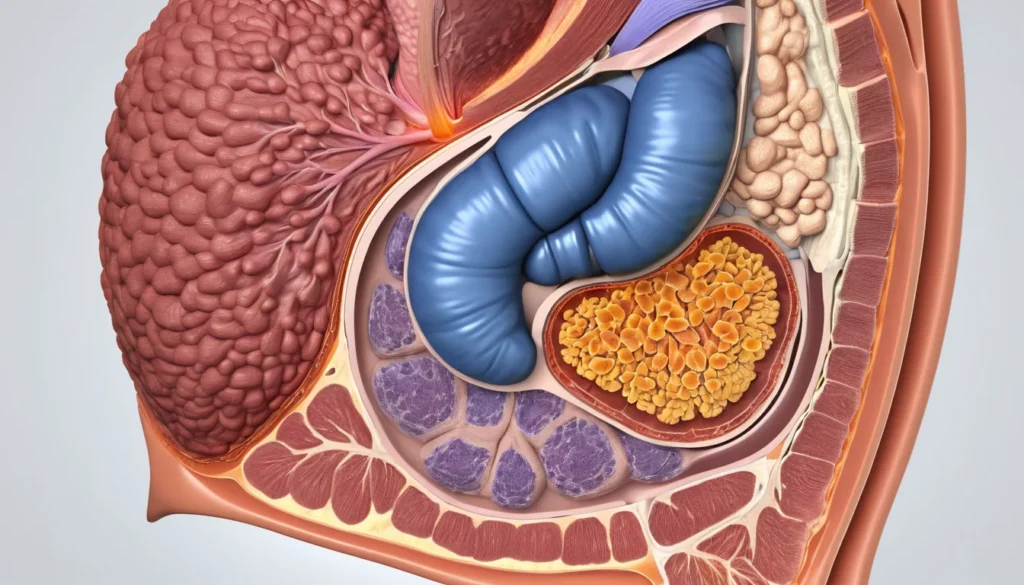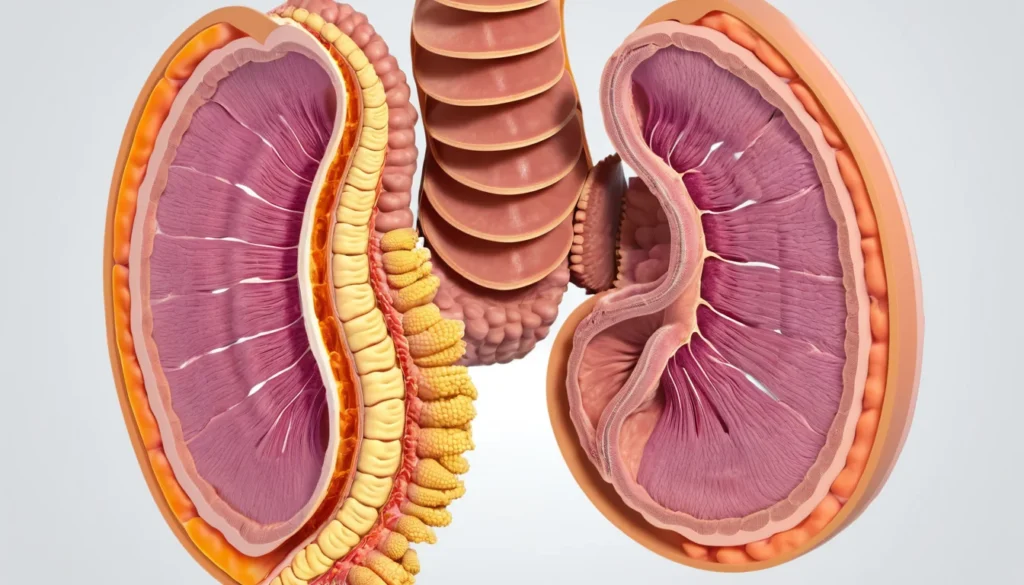
Crohn’s disease is a chronic inflammatory bowel disease (IBD) that causes inflammation and ulceration anywhere along the digestive tract. It most commonly affects the end of the small intestine and the large intestine. In Canada, IBD affects over 300,000 people, and that number continues to grow. This article explains what Crohn’s disease is, what symptoms to watch for, and when to seek help from your family doctor or walk-in clinic.
What Is Crohn’s Disease?
Crohn’s disease belongs to a group of conditions called inflammatory bowel diseases. Unlike a stomach bug or food poisoning, it is a lifelong condition with periods of flare-ups and remission. It is not the same as irritable bowel syndrome (IBS), which does not cause inflammation or tissue damage.
Crohn’s disease can affect any part of the digestive tract — from the mouth to the anus. However, it most often targets the ileum (the final section of the small intestine) and the colon (large intestine). It affects the deep layers of the intestinal wall, which can lead to serious complications over time.
Crohn’s disease and ulcerative colitis are the two most common forms of inflammatory bowel disease. Both cause chronic inflammation, but Crohn’s can occur anywhere in the digestive tract, while ulcerative colitis is limited to the colon and rectum. You can learn more about IBD from Health Canada’s overview of Crohn’s and colitis.
What Causes Crohn’s Disease?
Doctors do not yet know the exact cause of Crohn’s disease. However, research points to a combination of genetic, immune, and environmental factors. If a close family member has Crohn’s disease, your risk of developing it is higher.
Immune System Triggers
In Crohn’s disease, the immune system reacts abnormally to bacteria that normally live in the intestine. Instead of protecting the body, the immune response attacks the intestinal lining. This leads to ongoing inflammation and tissue damage.
Certain bacteria and viruses may also trigger this abnormal immune response. Researchers have identified links to organisms such as Mycobacteria, Yersinia enterocolitica, E. coli, and Bacteroides fragilis. However, more research is still needed to fully understand these connections.
Environmental and Lifestyle Factors
Environmental factors also play an important role. Smoking significantly increases the risk of developing Crohn’s disease. In fact, smokers are more likely to experience severe flare-ups and complications compared to non-smokers.
Diet, stress, and geographic location may also influence the disease. Crohn’s disease is more common in industrialised countries, including Canada. Researchers continue to study why this pattern exists.
Recognising the Symptoms of Crohn’s Disease
Symptoms of Crohn’s disease can range from mild to severe. They often develop gradually, but sometimes appear suddenly. Because symptoms overlap with other digestive conditions, Crohn’s disease is sometimes mistaken for diverticulitis or intestinal infections.
Common Digestive Symptoms
Chronic abdominal pain and cramping — Pain can range from a dull ache to intense, recurring cramps. The abdomen may feel tender to the touch.
Diarrhoea — Many people experience 10 to 20 loose, mucus-containing bowel movements per day. Nighttime diarrhoea is also common.
Loss of appetite — Ongoing inflammation reduces the desire to eat, which contributes to weight loss.
Unintended weight loss — Poor nutrient absorption and reduced appetite often lead to noticeable weight loss.
Fever — Low-grade fever is common during flare-ups. A high fever may signal a complication such as an abscess or infected ulcer.
Rectal bleeding — Ulcers in the intestinal lining can bleed, causing blood in the stool.
Nutritional Deficiencies
Because Crohn’s disease damages the intestinal lining, the body struggles to absorb nutrients properly. As a result, many people develop deficiencies in vitamin B12, folic acid, iron, and fat-soluble vitamins (A, D, E, and K).
Anaemia (low red blood cell count) is also common. It develops from intestinal bleeding, inflammation, and poor absorption of iron and B12. If you feel unusually tired or short of breath, mention this to your doctor.
Anal and Perianal Symptoms
Crohn’s disease sometimes causes symptoms around the anus. These include:
Fistulas — Abnormal tunnels that form between the intestine and nearby organs or skin. A fistula can sometimes be the first sign of Crohn’s disease.
Abscesses — Painful pockets of infection near the anus or rectum.
Anal fissures — Small tears in the lining of the anus that cause pain and bleeding.
Skin tags — Swollen tissue near the anus that resembles haemorrhoids.
Symptoms Outside the Digestive Tract
Crohn’s disease is not limited to the gut. Because it involves the immune system, it can affect other parts of the body as well. These symptoms are all caused by the same underlying immune activity.
Joints, Eyes, and Skin
Joint pain and swelling are among the most common non-digestive symptoms. Some people develop migratory arthritis, where inflammation moves from one joint to another. In some cases, rheumatoid arthritis may also develop.
Eye inflammation is another possible symptom. Conditions such as uveitis, iritis, and conjunctivitis can cause redness, pain, and vision problems. Therefore, it is important to report any eye changes to your doctor promptly.
Skin symptoms include erythema nodosum (tender red bumps, usually on the legs) and mouth ulcers. These often flare up alongside digestive symptoms.
Liver and Blood Vessel Involvement
In some cases, Crohn’s disease affects the bile ducts, causing conditions like cholangitis (inflammation of the bile ducts). Blood clots (thrombosis) and blood vessel inflammation (vasculitis) are also possible, though less common.
Furthermore, people with Crohn’s disease have a higher risk of developing gallstones and kidney stones. This is linked to changes in how the body absorbs fats and certain minerals.
How Is Crohn’s Disease Diagnosed?
There is no single test for Crohn’s disease. Your family doctor will likely start with a physical exam, blood tests, and stool tests. Blood tests can reveal signs of inflammation and anaemia. Stool tests help rule out infections.
If Crohn’s disease is suspected, your doctor will refer you to a gastroenterologist (a digestive health specialist). A colonoscopy is the most reliable way to diagnose Crohn’s disease. During this procedure, a doctor examines the lining of the colon and small intestine using a small camera. Biopsy samples may also be taken for analysis.
Imaging tests such as MRI, CT scans, or ultrasound may be used to check for complications like fistulas or abscesses. In Canada, these referrals are typically covered under your provincial health plan, though wait times can vary by province. For more detail on the diagnostic process, visit the Mayo Clinic’s guide to Crohn’s disease diagnosis and treatment.
Managing Crohn’s Disease
There is currently no cure for Crohn’s disease. However, treatment can reduce inflammation, relieve symptoms, and help maintain remission. The goal is to improve your quality of life and prevent complications.
Medications
Several types of medication are used to treat Crohn’s disease. Anti-inflammatory drugs are often the first step. Immunosuppressants help calm the overactive immune response. Biologic therapies — a newer class of drugs — target specific proteins involved in inflammation and can be highly effective.
Your gastroenterologist will recommend a treatment plan based on the severity and location of your disease. It is important to take medications as prescribed, even during periods of remission. Stopping treatment too early is a common reason for flare-ups.
Diet and Lifestyle
No specific diet cures Crohn’s disease, but certain changes can help manage symptoms. Eating smaller, more frequent meals puts less strain on the digestive system. Keeping a food diary can help you identify personal triggers.
Staying well-hydrated is especially important during flare-ups due to diarrhoea. In addition, quitting smoking is one of the most impactful steps a person with Crohn’s disease can take. Talk to your family doctor about smoking cessation programmes available in your province.
Surgery
In some cases, surgery becomes necessary. This may involve removing a damaged section of the intestine or repairing a fistula. Surgery does not cure Crohn’s disease, but it can provide significant relief. According to Healthline’s overview of Crohn’s surgery, up to 75% of people with Crohn’s disease will eventually need some form of surgery.
When to See a Doctor
See your family doctor if you experience persistent abdominal pain, ongoing diarrhoea, blood in your stool, or unexplained weight loss. These symptoms should never be ignored, even if they seem mild at first.
If you cannot get a timely appointment with your family doctor, a walk-in clinic can assess your symptoms and arrange initial blood tests or referrals. In an emergency — such as severe abdominal pain, high fever, or signs of bowel obstruction — go to your nearest emergency department immediately.
Crohn’s disease is a manageable condition with the right medical support. Early diagnosis and consistent treatment make a significant difference in long-term outcomes. Always speak with a qualified healthcare provider before starting or changing any treatment.
Frequently Asked Questions About Crohn’s Disease
Is Crohn’s disease hereditary?
Crohn’s disease does have a genetic component. If a parent or sibling has Crohn’s disease, your risk of developing it is higher than average. However, having a family history does not mean you will definitely develop the condition.
What foods should I avoid with Crohn’s disease?
Common trigger foods for Crohn’s disease include high-fibre raw vegetables, spicy foods, dairy products, and fatty or fried foods. However, triggers vary from person to person, so keeping a food diary is the best way to identify your personal sensitivities. A registered dietitian can help you build a safe and nutritious eating plan.
Can Crohn’s disease go away on its own?
Crohn’s disease is a chronic condition and does not go away on its own. Many people experience periods of remission where symptoms improve or disappear, but flare-ups typically return without proper treatment. Consistent medical care is essential to managing Crohn’s disease long-term.
Is Crohn’s disease covered under provincial health plans in Canada?
Yes, diagnosis and most treatments for Crohn’s disease are covered under provincial health plans across Canada. This includes doctor visits, colonoscopies, and hospital care. Some biologic medications may require additional coverage through provincial drug programmes or private insurance plans.
What is the difference between Crohn’s disease and ulcerative colitis?
Both Crohn’s disease and ulcerative colitis are types of inflammatory bowel disease (IBD). Crohn’s disease can affect any part of the digestive tract and involves deep layers of the intestinal wall. Ulcerative colitis, on the other hand, affects only the colon and rectum, and involves only the innermost lining.
Can stress make Crohn’s disease worse?
Stress does not cause Crohn’s disease, but it can trigger or worsen flare-ups. Managing stress through regular exercise, adequate sleep, and relaxation techniques may help reduce symptom frequency. Speaking with a mental health professional can also be a valuable part of your overall Crohn’s disease management plan.
Key Takeaways
Crohn’s disease is a chronic inflammatory bowel disease that can affect any part of the digestive tract.
It is caused by a combination of genetic, immune, and environmental factors. Smoking increases your risk.
Common symptoms include abdominal pain, diarrhoea, weight loss, fever, and fatigue.
Crohn’s disease can also affect the joints, eyes, skin, and liver due to its immune-driven nature.
Diagnosis involves blood tests, stool tests, colonoscopy, and imaging — all accessible through your provincial health plan.
While there is no cure, medications, lifestyle changes, and sometimes surgery can effectively manage the condition.
See your family doctor or a walk-in clinic if you notice persistent digestive symptoms. Early diagnosis leads to better outcomes.
Always consult a qualified healthcare provider for personal medical advice and treatment decisions.