A Crohn’s disease diet will not cure the condition, but it can make a real difference in how you feel every day. Crohn’s disease is a type of inflammatory bowel disease (IBD) that affects digestion and nutrient absorption. The right foods can help reduce flare-ups, maintain a healthy weight, and improve your overall wellbeing. This guide explains what to eat, what to avoid, and how to build a meal plan that works for you.
How Crohn’s Disease Affects Digestion
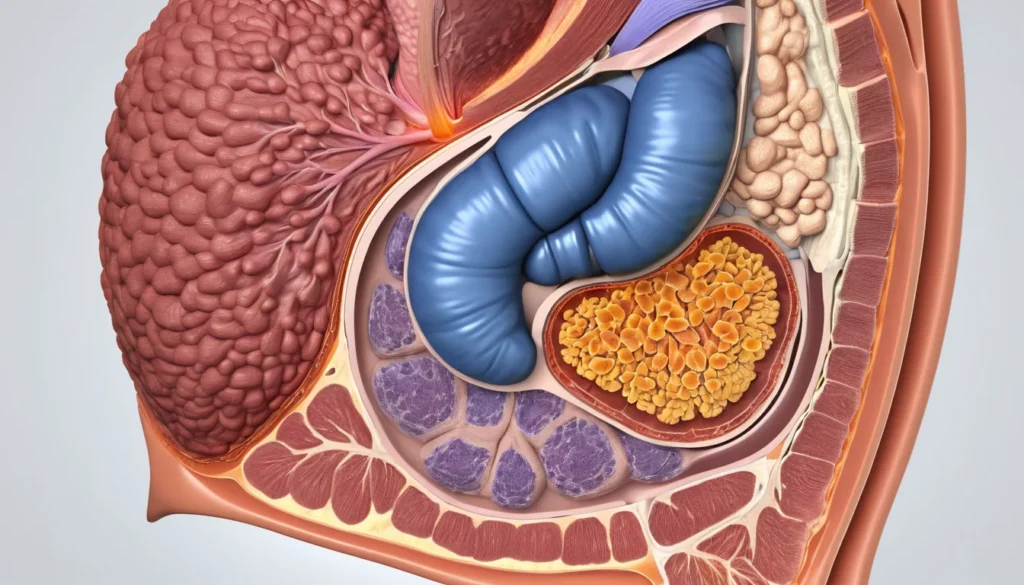
To understand why diet matters, it helps to know how digestion works. Food is broken down in the small intestine, where nutrients are absorbed into the bloodstream and delivered to the rest of the body.
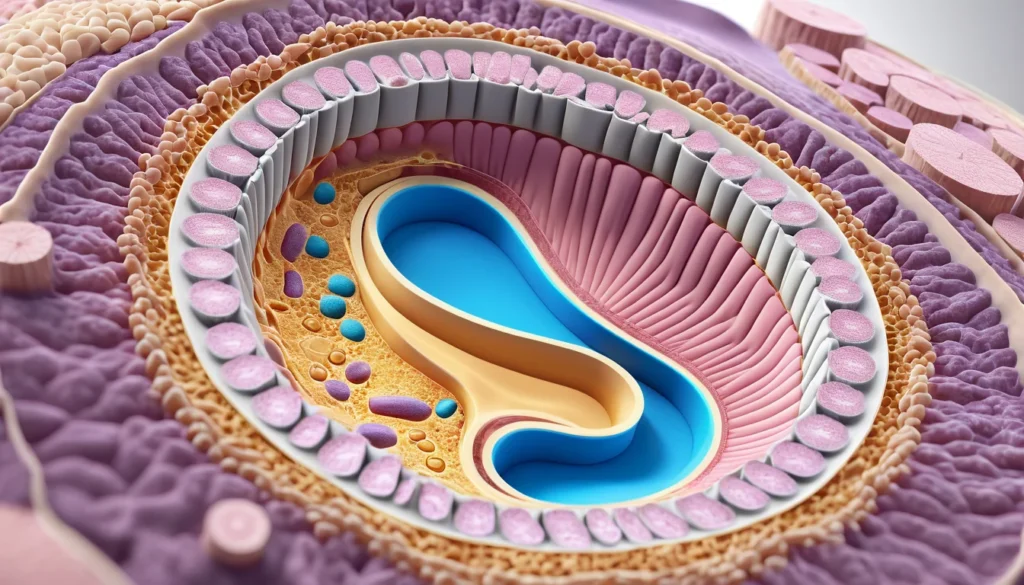
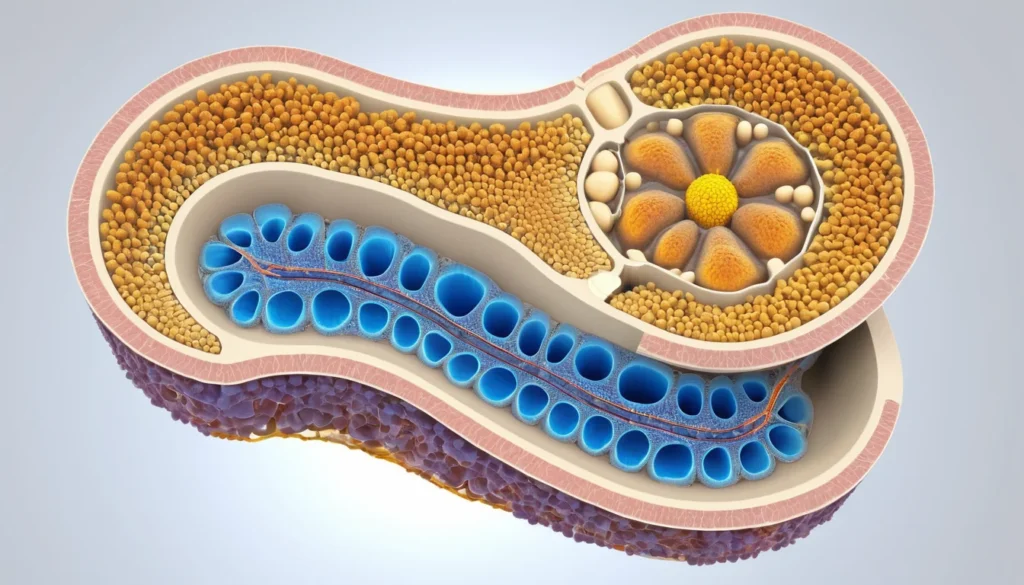
When the small intestine is inflamed — which is common in Crohn’s disease — it cannot absorb nutrients properly. As a result, vitamins, minerals, and calories pass through the body without being used.
This is one reason people with Crohn’s disease often feel tired and run-down. In addition, inflammation in the small intestine can disrupt water absorption, which leads to diarrhoea and dehydration. Over time, poor absorption can cause malnutrition even when a person is eating regularly.
Why a Crohn’s Disease Diet Matters
There is no single diet that can prevent or cure Crohn’s disease. However, eating a nutrient-rich diet is a vital part of managing the condition. Health Canada recommends that all Canadians follow a balanced diet — and this is especially important for people living with IBD.
Many people with Crohn’s disease have a reduced appetite. Skipping meals makes it harder for the body to get the nutrients it needs. Eating regular, balanced meals helps prevent malnutrition and keeps your energy levels stable.
Furthermore, identifying and avoiding your personal trigger foods can significantly reduce symptoms like cramping, bloating, and diarrhoea. Everyone’s triggers are different, so keeping a food diary is a helpful first step.
Key Nutrients for People with Crohn’s Disease
Because Crohn’s disease affects how the body absorbs nutrients, certain vitamins and minerals deserve extra attention. A well-rounded Crohn’s disease diet should include foods rich in the following nutrients.
Vitamins
Vitamin A — found in dairy products, eggs, and orange vegetables like carrots and sweet potatoes
Vitamin C — found in citrus fruits, bell peppers, and strawberries
Vitamin D — found in fortified dairy and plant-based milks, fatty fish, and egg yolks
Vitamin B12 — found in meat, fish, dairy, and fortified cereals
Folic acid (folate) — found in leafy greens, legumes, and fortified grains
Minerals
Calcium — found in dairy products, fortified plant milks, leafy greens, and tofu
Iron — found in lean meats, beans, lentils, and fortified cereals
Zinc — found in whole grains, meat, shellfish, and legumes
If you are struggling to get enough of these nutrients through food alone, your doctor may recommend supplements. Always speak with your family doctor before starting any new supplement.
Foods to Include in a Crohn’s Disease Diet
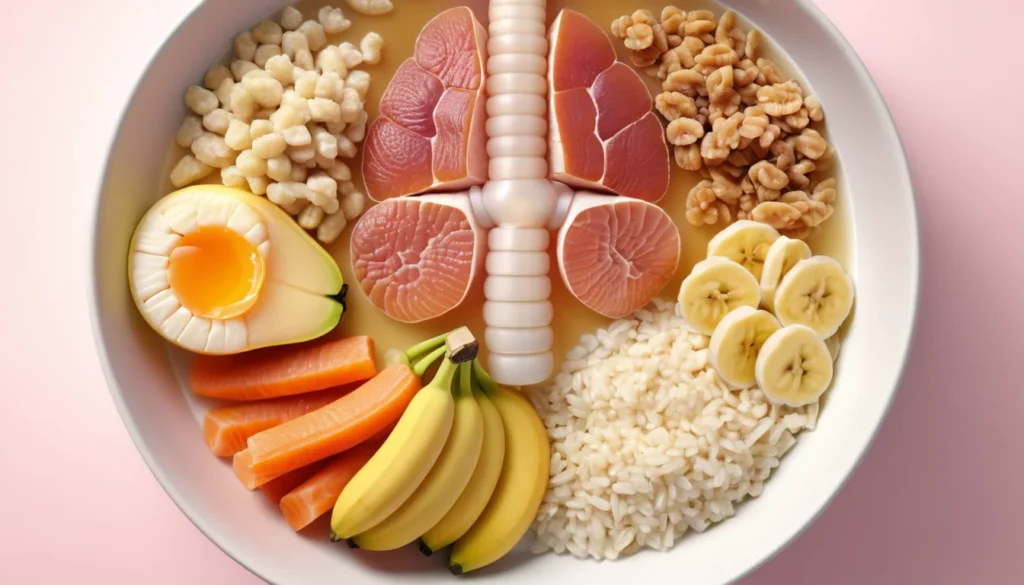
Building a Crohn’s disease diet starts with choosing foods from all four major food groups. This gives your body the protein, carbohydrates, healthy fats, and micronutrients it needs. According to the Mayo Clinic, a nutrient-dense diet is one of the most important tools for managing Crohn’s symptoms.
Protein Sources
Lean meats such as chicken, turkey, and fish
Eggs
Tofu and soy products
Well-cooked legumes (if tolerated)
Grains and Carbohydrates
White rice and plain pasta (easier to digest during flare-ups)
Oatmeal
Whole grain bread and cereals (during remission, if tolerated)
Fruits and Vegetables
Cooked or steamed vegetables such as zucchini, squash, and potatoes
Bananas, melons, and cooked apples
Peeled and cooked fruits and vegetables are often better tolerated than raw ones
Dairy and Alternatives
Low-fat yoghurt and cheese (if you do not have lactose intolerance)
Fortified plant-based milks such as oat, soy, or almond milk
In addition, staying well hydrated is essential. Aim to drink at least eight glasses of water per day, especially during flare-ups when diarrhoea can lead to dehydration quickly.
Foods to Avoid with Crohn’s Disease
Certain foods are more likely to trigger symptoms or worsen inflammation. It is important to remember that triggers vary from person to person. However, the following foods commonly cause problems for people with Crohn’s disease.
High-Fat Foods
Foods that are high in fat can trigger abdominal pain, cramping, and diarrhoea. If you experience these symptoms after eating fatty foods, you may also have some degree of fat malabsorption. Foods to limit include:
Butter and margarine
Fried foods and fast food
Rich sauces and gravies
Processed snack foods such as chips and cookies
Fatty cuts of red meat
High-Fibre Foods During Flare-Ups
Fibre is normally a healthy part of any diet. However, during a Crohn’s disease flare-up, high-fibre foods can cause cramping and diarrhoea because they are not fully digested. They can stimulate contractions in the intestine, which makes symptoms worse.
During active flare-ups, it helps to reduce your intake of:
Raw broccoli, cabbage, and cauliflower
Raw carrots and apples
Popcorn
Beans and lentils
Onions
You do not need to avoid these foods forever. During remission, many people can slowly reintroduce high-fibre foods without problems.
Other Common Triggers
Spicy foods and seasonings — these can irritate the digestive tract and worsen discomfort
Alcohol — beer, wine, and spirits can aggravate symptoms, especially during flare-ups
Caffeine — coffee, some teas, and energy drinks can stimulate the bowel
Chocolate — a common trigger for some people with IBD
Artificial sweeteners — sorbitol and mannitol (found in sugar-free gums and candies) can cause bloating and diarrhoea
Dairy products — people with lactose intolerance should avoid or limit milk, soft cheeses, and ice cream
Carbonated drinks — these can cause gas and bloating
If raw fruits and vegetables cause discomfort, try cooking or steaming them instead. Soups, stews, and compotes are gentler on the digestive tract. Healthline’s guide to Crohn’s disease and diet offers further practical tips on managing food choices day to day.
Practical Tips for Managing Your Crohn’s Disease Diet
Small changes in how and when you eat can make a big difference. These strategies can help you stay nourished and reduce the risk of triggering symptoms.
Eat smaller meals more often. Instead of three large meals, try five or six smaller ones throughout the day. This puts less stress on your digestive system.
Keep a food diary. Write down what you eat and any symptoms that follow. This helps you identify your personal trigger foods.
Cook your vegetables. Steamed or roasted vegetables are easier to digest than raw ones.
Stay hydrated. Drink water throughout the day. Avoid sugary drinks and alcohol.
Limit spices and seasonings. Plain, lightly seasoned foods are easier on an inflamed gut.
Do not skip meals. Eating regularly helps your body maintain nutrient levels and energy.
Consider a registered dietitian. A dietitian can help you build a personalised meal plan that meets your nutritional needs.
It is also worth noting that some people find certain herbal remedies helpful for reducing inflammation. Aloe vera, chamomile, and yarrow have traditional anti-inflammatory properties. However, always check with your doctor before using herbal supplements, as some can interact with medications.
When to See a Doctor
If you have been diagnosed with Crohn’s disease, your diet should be part of an overall treatment plan guided by a healthcare provider. Your family doctor is a good first point of contact for managing IBD in Canada. They can refer you to a gastroenterologist (a specialist in digestive health) or a registered dietitian.
If you do not have a family doctor, a walk-in clinic can help address urgent concerns. Many provincial health plans across Canada cover visits to both general practitioners and specialists for chronic conditions like Crohn’s disease. Check with your provincial health authority to understand what services are available to you.
See a doctor right away if you experience:
Severe abdominal pain or cramping
Blood in your stool
Sudden or significant weight loss
Persistent vomiting
Signs of dehydration such as dizziness, dry mouth, or very dark urine
Always speak with your doctor or a registered dietitian before making major changes to your diet, especially if you are taking medication for Crohn’s disease.
Frequently Asked Questions About Crohn’s Disease Diet
What is the best diet for Crohn’s disease?
There is no single best Crohn’s disease diet that works for everyone. However, most people do well with a nutrient-rich diet that is low in fat, easy to digest, and free of personal trigger foods. Working with a registered dietitian is the best way to build a personalised eating plan.
What foods should I avoid during a Crohn’s disease flare-up?
During a flare-up, it helps to avoid high-fat foods, high-fibre raw vegetables, alcohol, caffeine, spicy foods, and artificial sweeteners. These are common triggers that can worsen diarrhoea, cramping, and bloating. Sticking to plain, cooked, easy-to-digest foods can help calm symptoms more quickly.
Can diet alone control Crohn’s disease?
Diet alone cannot cure or fully control Crohn’s disease, but it plays an important supporting role. A healthy Crohn’s disease diet can reduce flare-ups, improve nutrient absorption, and help you feel better day to day. Most people also need medication and regular follow-up care from their doctor.
Is fibre bad for Crohn’s disease?
Fibre is not always bad for Crohn’s disease, but it can worsen symptoms during a flare-up. High-fibre foods like raw vegetables, beans, and popcorn can stimulate the bowel and cause cramping or diarrhoea. During remission, many people can tolerate moderate amounts of fibre without difficulty.
Should I take vitamins if I have Crohn’s disease?
Many people with Crohn’s disease have difficulty absorbing enough vitamins and minerals from food alone. Your doctor may recommend supplements such as vitamin D, vitamin B12, iron, or calcium depending on your individual needs. Always consult your healthcare provider before starting any new supplement.
Can I drink alcohol if I have Crohn’s disease?
Alcohol can irritate the digestive tract and trigger or worsen Crohn’s disease symptoms. Beer, wine, and spirits are best avoided, particularly during flare-ups. If you choose to drink during remission, do so only in small amounts and pay attention to how your body responds.
Key Takeaways
A Crohn’s disease diet cannot cure the condition but can significantly reduce symptoms and improve quality of life. Focus on nutrient-rich foods including lean proteins, cooked vegetables, low-fat dairy or alternatives, and easy-to-digest grains. Avoid common triggers such as high-fat foods, spicy seasonings, alcohol, caffeine, and artificial sweeteners. Reduce high-fibre foods