Creutzfeldt-Jakob disease is a rare and rapidly progressive brain disorder that leads to severe dementia and, ultimately, death. It belongs to a group of conditions caused by abnormal proteins called prions. While it shares some early symptoms with Alzheimer’s disease and other forms of dementia, Creutzfeldt-Jakob disease moves far more quickly. Understanding this condition — including its causes, symptoms, and risk factors — can help Canadians make informed decisions about their health.
What Is Creutzfeldt-Jakob Disease?
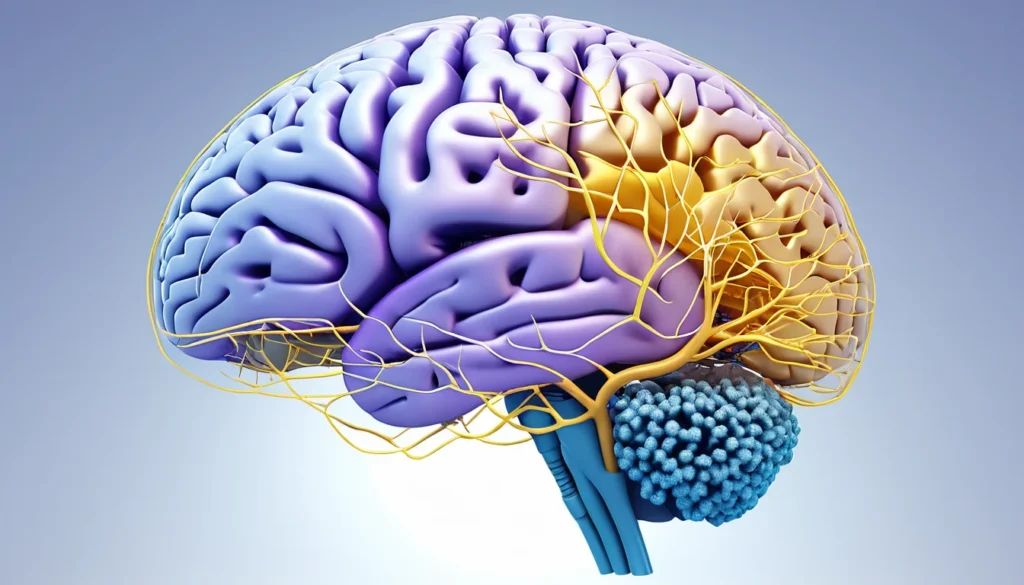
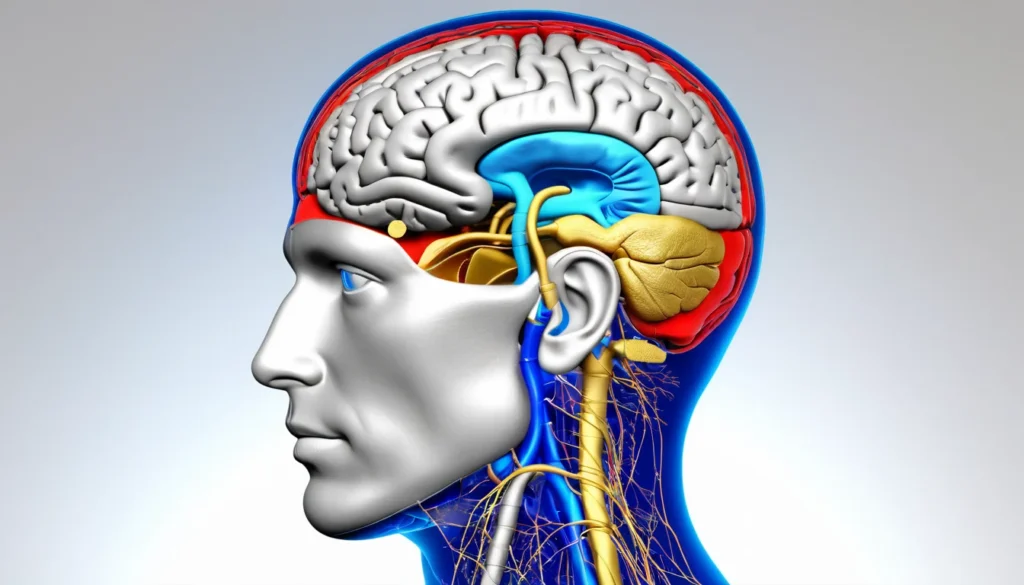
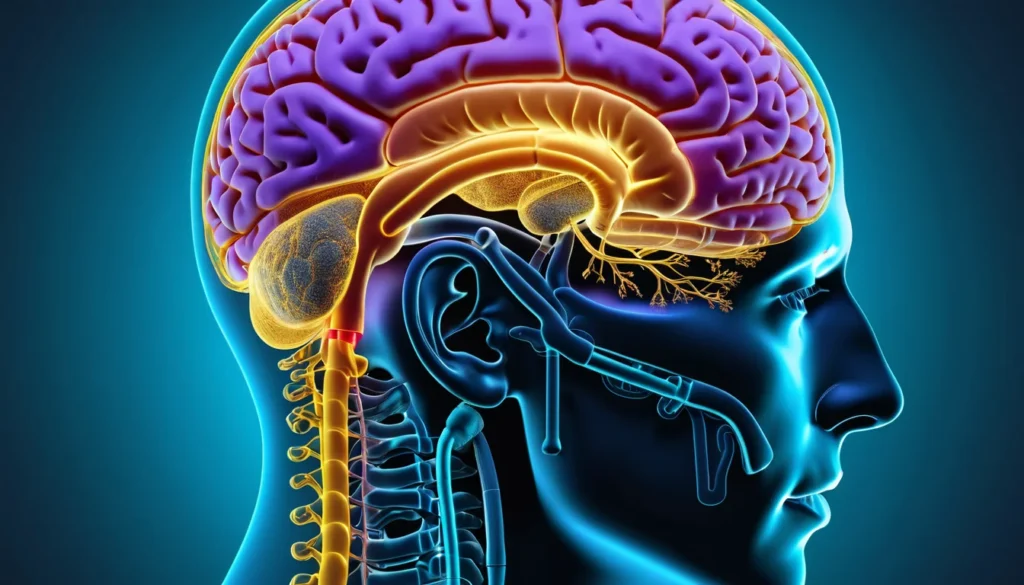
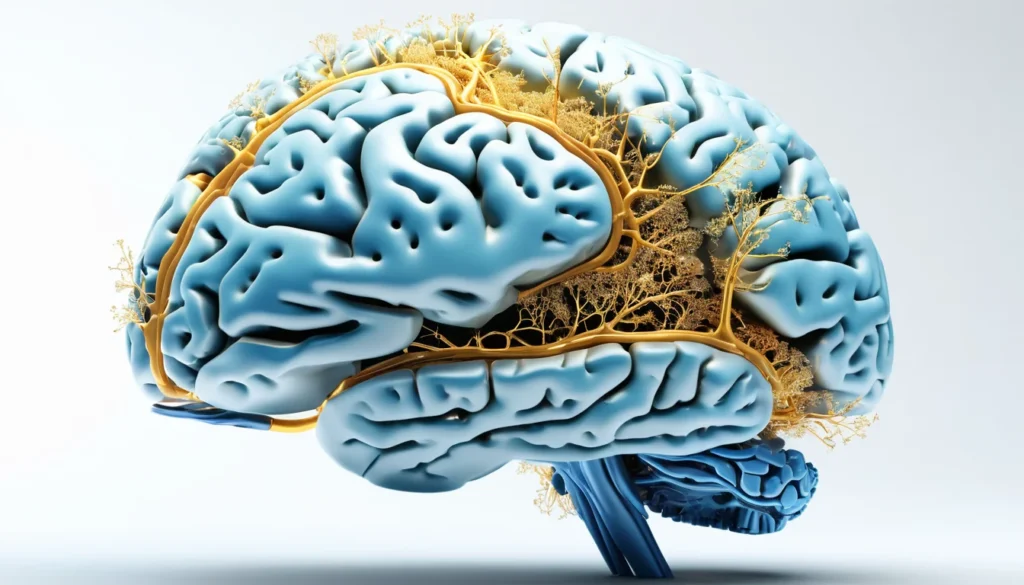
Creutzfeldt-Jakob disease (CJD) is a degenerative neurological disorder. It destroys brain tissue, leaving it with a sponge-like appearance under a microscope. The condition affects roughly one person per million worldwide each year.
Most cases occur in older adults. However, a variant form — linked to consuming beef infected with bovine spongiform encephalopathy (BSE), commonly known as mad cow disease — can affect younger people. This variant gained widespread public attention in the 1990s, following an outbreak in the United Kingdom.
In Canada, CJD is monitored by public health authorities. For more background, you can visit Health Canada’s official health information portal.
Symptoms of Creutzfeldt-Jakob Disease
One of the most alarming features of Creutzfeldt-Jakob disease is how quickly symptoms appear and worsen. In most cases, significant mental decline occurs within just a few months of the first signs.
Early Warning Signs
The early symptoms of CJD can be easy to dismiss. They often resemble those of other, more common conditions. Early signs include:
Personality changes
Anxiety and depression
Memory loss
Difficulty thinking clearly
Blurred or impaired vision
Insomnia
Difficulty speaking or swallowing
Sudden, jerky muscle movements
These symptoms can mirror those of Alzheimer’s disease or other dementias. However, the speed of decline in Creutzfeldt-Jakob disease is much faster than in those conditions.
As the Disease Progresses
As CJD advances, mental symptoms become much more severe. Most people eventually fall into a coma. The disease is almost always fatal, with death typically resulting from heart failure, respiratory failure, pneumonia, or other infections.
The average survival time after diagnosis is approximately seven months. Some individuals survive one to two years, but this is uncommon. In the variant form linked to mad cow disease, psychiatric symptoms appear earlier and the average survival is 12 to 14 months.
Causes of Creutzfeldt-Jakob Disease
Creutzfeldt-Jakob disease belongs to a broader family of conditions called transmissible spongiform encephalopathies (TSEs). These diseases affect both humans and animals. They all involve the abnormal folding of proteins in the brain.
The leading cause is thought to be a misfolded protein called a prion. In a healthy body, proteins fold correctly and perform normal functions. However, when a prion misfolds, it triggers a chain reaction. It causes nearby healthy proteins to misfold as well, damaging brain cells in the process.
For a deeper explanation of prion diseases, the Mayo Clinic’s overview of Creutzfeldt-Jakob disease provides excellent detail.
How Is Creutzfeldt-Jakob Disease Transmitted?
The risk of contracting Creutzfeldt-Jakob disease is very low for most people. It does not spread through casual contact. You cannot catch it through coughing, kissing, touching, or sexual contact.
There are three recognized forms of CJD, each with a different origin:
Sporadic CJD
This is the most common form. It develops without any known cause or risk factor. Most people who receive a CJD diagnosis have this type. It tends to appear in people over the age of 60.
Familial (Genetic) CJD
In some cases, Creutzfeldt-Jakob disease runs in families. People with this form carry a genetic mutation linked to the disease. This mutation is inherited in an autosomal dominant pattern. This means that inheriting just one copy of the mutated gene is enough to cause the disease. A parent with this mutation has a 50% chance of passing it to each child.
Acquired (Iatrogenic) CJD
A small number of CJD cases result from exposure to infected human tissue during a medical procedure. This includes cornea or skin transplants from infected donors. Because prions resist standard sterilization methods, contaminated neurosurgical instruments have also been a source of transmission in rare cases. These are known as iatrogenic CJD cases.
Risk Factors for Creutzfeldt-Jakob Disease
Most CJD cases have no identifiable risk factors. However, researchers have identified a few factors that may increase a person’s risk:
Age: Sporadic CJD most often affects people over 60. The variant form linked to mad cow disease tends to affect younger individuals.
Family history: A family history of CJD or a confirmed genetic mutation significantly raises the risk of familial CJD.
Exposure to infected tissue: People who received human growth hormone derived from infected pituitary glands — a practice that has since been discontinued — face a higher risk of iatrogenic CJD.
Eating infected beef: Consuming beef products from cattle infected with BSE is linked to the variant form of CJD. Canadian food safety regulations now tightly control this risk.
It is important to note that Creutzfeldt-Jakob disease is not linked to everyday beef consumption under current Canadian food safety standards.
Diagnosing Creutzfeldt-Jakob Disease
Diagnosing CJD is challenging, especially in the early stages. A definitive diagnosis can only be confirmed through a brain biopsy or post-mortem examination of brain tissue. However, doctors can often make a strong working diagnosis using several other tools.
Neurological Examination
A doctor will assess the patient for characteristic signs of CJD. These include muscle spasms, abnormal reflexes, and problems with coordination. Partial vision loss and changes in visual-spatial perception are also common findings.
Diagnostic Tests
In addition to a physical examination, doctors may use several tests to support a CJD diagnosis:
Electroencephalogram (EEG): This test measures the brain’s electrical activity using electrodes placed on the scalp. Certain abnormal patterns on the EEG are strongly associated with CJD.
MRI (Magnetic Resonance Imaging): An MRI scan can reveal characteristic changes in the brain’s appearance that are linked to CJD.
Spinal fluid analysis: A lumbar puncture (spinal tap) can detect specific proteins in the cerebrospinal fluid that suggest CJD.
Blood tests: These help rule out other conditions that may cause similar symptoms.
The World Health Organization’s fact sheet on Creutzfeldt-Jakob disease outlines current global diagnostic criteria in detail.
Complications of Creutzfeldt-Jakob Disease
Like other serious dementias, CJD affects a person’s mental abilities in a profound way. As the disease progresses, individuals lose the ability to recognize loved ones and can no longer care for themselves. Many withdraw socially and become isolated.
The physical complications that can become life-threatening include:
Infections (including pneumonia)
Heart failure
Respiratory failure
Creutzfeldt-Jakob disease is always fatal. There is currently no cure and no treatment that can slow its progression. Medical care focuses on managing symptoms and keeping the person as comfortable as possible.
When to See a Doctor
If you or a family member notices sudden and unexplained changes in memory, behaviour, or personality, it is important to seek medical attention promptly. These changes could point to many treatable conditions, so early assessment is always worthwhile.
Start by booking an appointment with your family doctor. If you do not have a family doctor, a walk-in clinic can provide an initial assessment and refer you to a neurologist if needed. Most provincial health plans in Canada cover these referrals.
Do not wait to seek help. Rapid mental decline is never normal, and a timely diagnosis — whatever the cause — leads to better outcomes. Always consult a qualified healthcare provider before drawing any conclusions about your symptoms.
Frequently Asked Questions About Creutzfeldt-Jakob Disease
Is Creutzfeldt-Jakob disease the same as mad cow disease?
No, but they are related. Mad cow disease (BSE) affects cattle, while Creutzfeldt-Jakob disease affects humans. However, consuming beef from BSE-infected cattle has been linked to a variant form of CJD in humans. Classic CJD is not caused by eating beef.
How rare is Creutzfeldt-Jakob disease in Canada?
Creutzfeldt-Jakob disease is extremely rare, affecting roughly one person per million each year worldwide. In Canada, only a small number of cases are reported annually. Health Canada and the Public Health Agency of Canada actively monitor and track these cases.
Can Creutzfeldt-Jakob disease be cured or treated?
Currently, there is no cure for Creutzfeldt-Jakob disease, and no treatment has been shown to slow its progression. Medical care focuses on managing symptoms and providing comfort. Researchers worldwide continue to investigate potential treatments targeting prion proteins.
Is Creutzfeldt-Jakob disease contagious?
Creutzfeldt-Jakob disease does not spread through everyday contact. You cannot catch it through coughing, touching, kissing, or sexual contact. In very rare cases, it has been transmitted through infected tissue during certain medical procedures, but strict modern medical protocols make this extremely unlikely.
What is the life expectancy after a Creutzfeldt-Jakob disease diagnosis?
The average survival time after a Creutzfeldt-Jakob disease diagnosis is approximately seven months. Some individuals survive one to two years, though this is uncommon. The variant form linked to mad cow disease has a slightly longer average survival of 12 to 14 months.
How is Creutzfeldt-Jakob disease different from Alzheimer’s disease?
Both conditions cause dementia, but Creutzfeldt-Jakob disease progresses far more rapidly than Alzheimer’s disease. CJD is also caused by abnormal prion proteins, while Alzheimer’s involves different protein build-ups (amyloid plaques and tau tangles). CJD is also much rarer than Alzheimer’s disease.
Key Takeaways
Creutzfeldt-Jakob disease is a rare, rapidly progressive, and fatal brain disorder caused by abnormal proteins called prions.
Symptoms include memory loss, personality changes, muscle jerks, and rapid mental decline — often progressing within months.
There are three forms: sporadic (most common), familial (genetic), and acquired (through infected tissue).
CJD does not spread through casual everyday contact.
There is currently no cure. Treatment focuses on symptom management and comfort care.
If you notice sudden, unexplained changes in memory or behaviour in yourself or a loved one, speak to your family doctor or visit a walk-in clinic as soon as possible.
Always consult a qualified healthcare professional for any health concerns. This article is for informational purposes only.