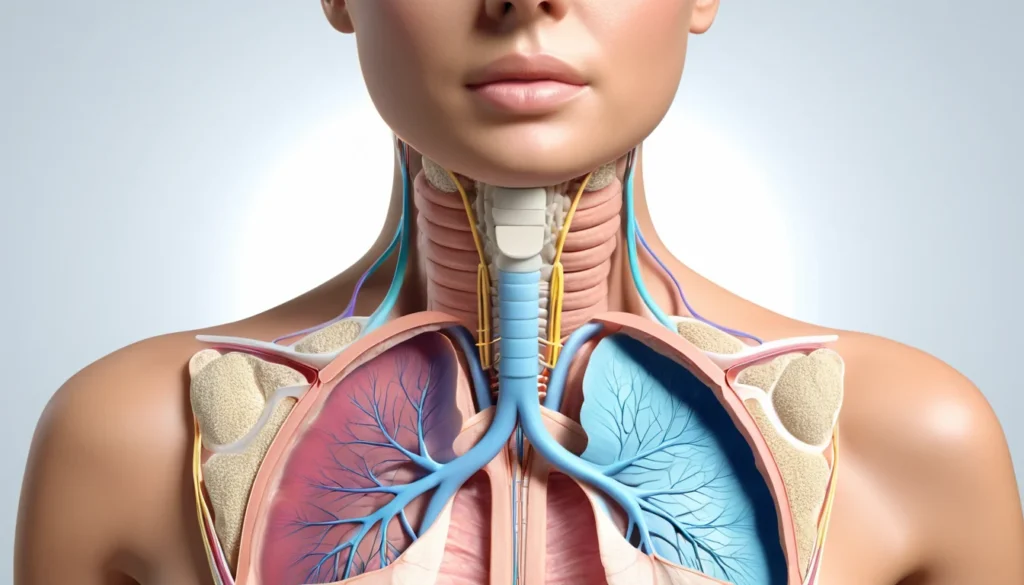
A cough is one of the most common reasons Canadians visit their family doctor or local walk-in clinic. It is your body’s natural way of clearing your airways when something irritates them. Most coughs go away on their own within a few weeks. However, some coughs can signal a more serious health problem that needs medical attention.
What Is a Cough and How Does It Work?
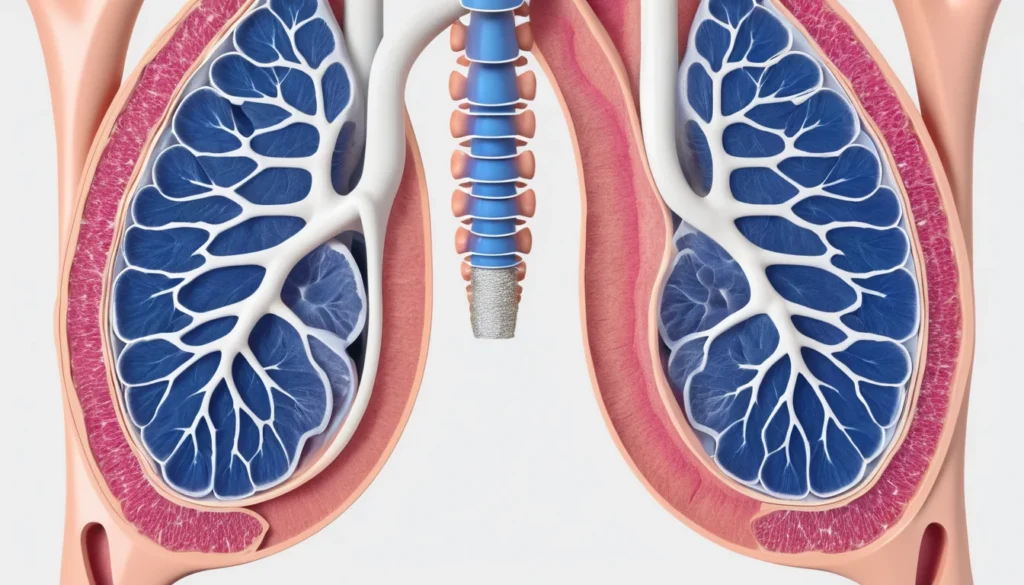
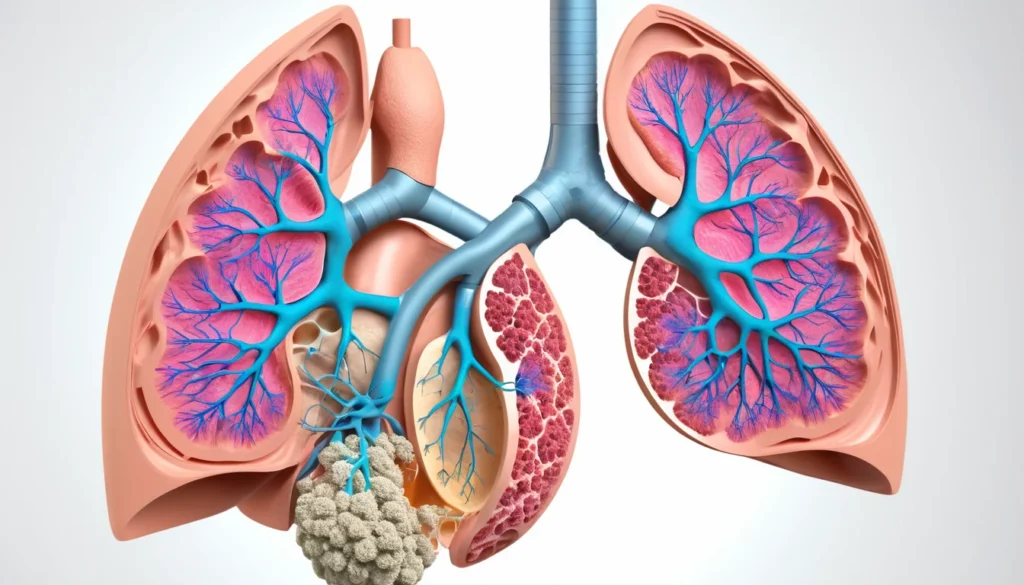
When something irritates your airways — like dust, smoke, or mucus — your nerve endings send a signal to your brain. Your brain then tells your chest muscles and diaphragm to contract quickly. This creates a burst of air that pushes the irritant out of your airways.
This reflex is actually very helpful. It protects your lungs and keeps your airways clear. However, a cough that lasts more than two weeks, or one that brings up blood, needs prompt medical attention. Health Canada recommends speaking with a healthcare provider if your cough persists or worsens.
Types of Cough
Not all coughs are the same. Understanding the type of cough you have helps your doctor choose the right treatment. Each type has different causes and may need a different approach.
Dry Cough
A dry cough does not produce mucus. It is often caused by an upper respiratory infection, like a cold or the flu. This type of cough tends to get worse at night or in warm, dry indoor air.
A dry cough can also be an early sign of a lower respiratory infection. These include bronchiolitis, which is inflammation of the small airways, and pneumonia, which is inflammation of the lung tissue. In addition, a persistent dry cough — especially at night or after exposure to cigarette smoke — can be an early sign of asthma.
Wet or Productive Cough
A wet cough brings up mucus or phlegm from your airways. It is sometimes called a “chest cough.” The most common causes are infections and asthma. This type of cough actually helps your body clear fluid from the lower airways, including the trachea and lungs.
In older children, the mucus is usually coughed up and spat out. Younger children tend to swallow it instead. As a result, swallowed mucus can sometimes cause diarrhea. You may notice mucus in a young child’s stool or vomit.
Productive Cough
A productive cough is similar to a wet cough — it brings up phlegm (also called sputum) from the chest. In some ways, this cough is helpful because it clears mucus from the lungs. However, if the mucus is not cleared, it can lead to fever and vomiting.
Doctors often recommend an expectorant medication for this type of cough. An expectorant thins the mucus, making it easier to cough up and clear from the chest.
Whooping Cough (Pertussis)
Whooping cough, also known as pertussis, is a serious bacterial infection. It starts with symptoms that feel like a common cold. However, the cough gradually gets much worse, especially at night.
A child with whooping cough may cough 5 to 15 times in a row without stopping. At the end of each coughing fit, they make a loud “whooping” sound as they breathe in. In some cases, there may be a brief pause in breathing (apnea). The child’s lips or face may turn bluish from lack of oxygen. This is a medical emergency — call 911 or go to your nearest emergency room right away. The World Health Organization has more information on pertussis and its risks.
Croup
Croup is a common illness in young children. It causes a dry, barking cough that sounds like a seal. Croup is caused by a viral infection that inflames and narrows the larynx (voice box), trachea, and bronchial tubes.
Another key sign of croup is stridor. Stridor is a high-pitched, noisy sound that happens when the child breathes in. If your child has stridor at rest, seek medical care right away.
Common Causes of a Cough
A cough can have many different causes. An occasional cough is completely normal and helps clear your airways. However, a cough that won’t go away may point to an underlying health condition.
Common causes of a persistent cough include:
Bronchiolitis — especially common in young children
Childhood asthma — a long-term condition affecting the airways
Chronic obstructive pulmonary disease (COPD) — a serious lung condition often linked to smoking
Gastroesophageal reflux disease (GERD) — stomach acid that flows back into the throat
Congestive heart failure — when the heart does not pump efficiently
Lung cancer — a less common but serious cause
ACE inhibitor medications — a type of blood pressure drug that can cause a dry cough as a side effect
Respiratory syncytial virus (RSV) — especially common in young children
Post-nasal drip — mucus from the sinuses dripping down the back of the throat
Furthermore, allergies, environmental irritants like smoke or pollution, and sinus infections can all trigger or worsen a cough. The Mayo Clinic provides a helpful overview of cough causes that you may find useful.
Cough Symptoms to Watch For
The sound and feel of your cough can give important clues about what is causing it. Pay attention to when the cough happens and what comes with it.
Ask yourself these questions:
Is the cough dry or does it bring up mucus?
What colour is the mucus — clear, yellow, green, or bloody?
Does the cough get worse at night or when you lie down?
Is there a fever, shortness of breath, or chest pain along with the cough?
Have you been around anyone who has tuberculosis or whooping cough?
These details will help your doctor make the correct diagnosis and recommend the right treatment.
When to See a Doctor About Your Cough
Most coughs caused by a cold or mild infection will clear up on their own. However, some coughs need medical attention. In Canada, you can visit your family doctor or a walk-in clinic for cough concerns that are not an emergency.
Contact your family doctor or a walk-in clinic if you have:
A cough that lasts more than 10 to 14 days
A fever alongside your cough — this may point to a bacterial infection
Thick, yellow-green, or foul-smelling mucus
Night sweats or unexplained weight loss — these can be signs of tuberculosis
Swelling in your legs or a cough that gets worse when you lie down — this may indicate heart problems
A baby under 3 months of age who is coughing
Known contact with someone who has tuberculosis
Call 911 or go to your nearest emergency room immediately if you have:
Difficulty breathing or swallowing
A sudden, severe cough that comes on very quickly
A high-pitched stridor sound when breathing in
Coughing up blood (called hemoptysis)
Bluish lips or fingernails
Your provincial health plan covers visits to your family doctor and emergency care for serious symptoms. If you do not have a family doctor, a walk-in clinic is a good first step for non-emergency cough concerns.
What to Expect at Your Doctor’s Appointment
Your doctor will ask you questions to understand your cough better. Being prepared helps the visit go smoothly and leads to a faster diagnosis.
Your doctor may ask:
When did the cough start, and how long have you had it?
Are you coughing up blood? If so, how much and how often?
Is the cough wet or dry?
How much mucus are you producing each day?
Does anything make the cough better or worse?
Do you have any other symptoms, like fever, chest pain, or shortness of breath?
In emergency situations, your doctor will focus first on stabilising your breathing. Once you are stable, they will work to find the cause of your cough and recommend the appropriate treatment.
Always consult your doctor or a qualified healthcare provider before starting any treatment for a cough, especially in children or if symptoms are severe.
Frequently Asked Questions About Cough
How long does a normal cough last?
Most coughs caused by a cold or minor infection clear up within 1 to 3 weeks. However, a cough that lasts longer than 2 to 3 weeks may need medical attention. Visit your family doctor or a walk-in clinic if your cough is not improving.
When is a cough a sign of something serious?
A cough may be serious if it is accompanied by coughing up blood, difficulty breathing, unexplained weight loss, or night sweats. A persistent cough lasting more than two weeks also warrants a visit to your doctor. These symptoms can sometimes point to conditions like lung cancer, tuberculosis, or heart failure.
What is the difference between a dry cough and a wet cough?
A dry cough does not produce any mucus and is often caused by viral infections, allergies, or asthma. A wet cough, on the other hand, brings up mucus or phlegm from the airways. Knowing which type of cough you have helps your doctor recommend the right treatment.
Can a cough be caused by allergies?
Yes, allergies are a common cause of a persistent cough in Canada. Allergens like pollen, pet dander, mould, and dust can irritate the airways and trigger coughing. Post-nasal drip from allergies — where mucus drips down the back of the throat — is a frequent cause of a chronic dry cough.
Is whooping cough still common in Canada?
Whooping cough (pertussis) does still occur in Canada, though vaccination has significantly reduced its spread. Outbreaks can still happen, particularly in communities with lower vaccination rates. Keeping up to date with pertussis vaccinations is the best way to protect yourself and your family.
Should I take cough medicine for my cough?
Whether cough medicine helps depends on the type of cough you have. Expectorants can help loosen mucus in a productive cough, while suppressants may ease a dry cough at night. Always speak with your family doctor or pharmacist before giving cough medicine to children, as some products are not safe for young kids.
Key Takeaways
A cough is your body’s way of clearing irritants from your airways — it is usually harmless.
There are several types of cough: dry, wet, productive, whooping cough, and croup — each with different causes and treatments.
Common causes include viral infections, asthma, GERD, allergies, and post-nasal drip.
Most coughs resolve on their own within 1 to 3 weeks without treatment.
See your family doctor or visit a walk-in clinic if your cough lasts more than 10 to 14 days or comes with worrying symptoms like fever or thick coloured mucus.
Call 911 or go to emergency if you are coughing up blood, have difficulty breathing, or your lips turn blue.
Always consult a qualified healthcare provider for a proper diagnosis and treatment plan.