Cosmetic surgery covers a wide range of procedures designed to change, restore, or improve how a person looks. From Botox injections to full surgical procedures, more Canadians are exploring these options every year. This guide explains what cosmetic surgery involves, why people consider it, what the risks are, and how to make a smart, informed decision before taking any steps.
What Is Cosmetic Surgery?
Cosmetic surgery is any surgical or non-surgical procedure that changes the appearance of the body or face. Some procedures are fairly minor, while others involve general anaesthesia and significant recovery time. It is important to understand the difference between the two main types.
Reconstructive Surgery
Reconstructive surgery helps people who have been affected by burns, injuries, disease, or birth defects. The goal is to restore normal appearance and function. For example, someone who has had a mastectomy may choose breast reconstruction. These procedures can have a major impact on a person’s daily life, self-esteem, and social confidence.
In Canada, some reconstructive procedures are covered under provincial health plans. However, coverage varies widely depending on your province or territory. Talk to your family doctor to find out what may be covered in your area.
Elective Cosmetic Procedures
Elective cosmetic surgery is chosen by people who are unhappy with a specific part of their appearance. Common examples include rhinoplasty (nose reshaping), breast augmentation, eyelid surgery, and liposuction. These procedures are typically not covered by provincial health insurance, since they are considered elective rather than medically necessary.
Non-surgical cosmetic procedures are also very popular. These include Botox injections to reduce wrinkles, laser therapy to treat acne scars, and sclerotherapy to reduce the appearance of varicose veins. This article focuses mainly on elective cosmetic surgery, rather than reconstructive care.
Why Do People Choose Cosmetic Surgery?
For many people, physical appearance plays a big role in how they see themselves and how they feel around others. Body shape, skin condition, or facial features can affect self-confidence and mental well-being. There is nothing wrong with wanting to feel better about how you look.
Some people address these concerns through diet, exercise, or changes in clothing style. Others turn to cosmetic surgery, especially when they feel a specific feature is affecting their quality of life. Both paths are valid, and the right choice depends entirely on the individual.
Setting Realistic Expectations
However, cosmetic surgery is not a solution for people who feel unhappy with their entire appearance. People in this situation are unlikely to feel satisfied after one procedure. As a result, they may pursue procedure after procedure, which can be harmful to their health and very costly.
It is essential to go into any cosmetic procedure with realistic expectations. A good surgeon will always discuss what is and is not achievable. Your physical appearance is only one part of who you are, and surgery cannot change how you feel on the inside.
Motivation Matters
Your reason for wanting cosmetic surgery is just as important as the procedure itself. Surgery carries real risks and can permanently alter your appearance — sometimes in unexpected ways. Therefore, the decision should always come from within, not from pressure by friends, partners, or employers.
Before considering surgery, it is worth trying less invasive options first. Makeup can help reduce the appearance of scars, wrinkles, or uneven skin tone. Changes in clothing style can shift how you feel about your body shape. Diet and regular exercise can also reshape the body in meaningful ways.
Only if these approaches do not bring the satisfaction you are looking for should surgery be considered. When done for the right reasons and with clear expectations, cosmetic surgery often does deliver positive results and improved self-confidence.
Common Cosmetic Surgery Procedures
There are many types of cosmetic surgery and cosmetic procedures available in Canada. Your doctor or a board-certified plastic surgeon can help you understand which options are appropriate for your situation. Here is an overview of some of the most common treatments.
Surgical Procedures
Rhinoplasty – reshapes the nose for cosmetic or functional reasons
Blepharoplasty – removes excess skin around the eyes (eyelid surgery)
Breast augmentation or reduction – changes the size or shape of the breasts
Liposuction – removes pockets of fat from specific areas of the body
Abdominoplasty (tummy tuck) – tightens the abdominal muscles and removes excess skin
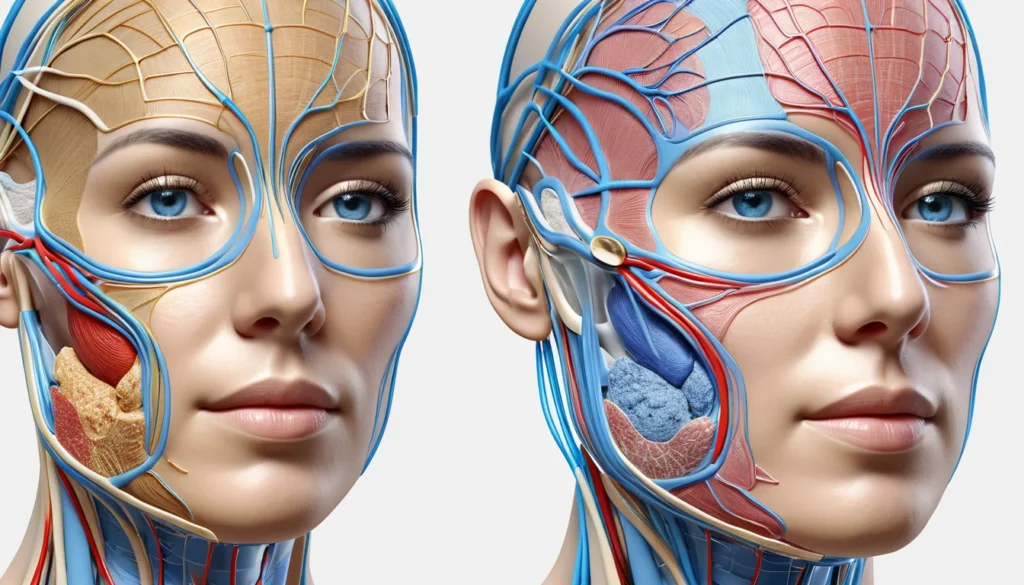
Facelift (rhytidectomy) – tightens facial skin to reduce the signs of ageing
Non-Surgical Cosmetic Procedures
Botox injections – relax facial muscles to smooth out wrinkles
Dermal fillers – add volume to areas like the lips or cheeks
Laser therapy – uses focused light energy to remove the outer layer of skin, encouraging new skin growth. It is commonly used for wrinkles, acne scars, and small visible blood vessels called telangiectasias
Chemical peels – apply a chemical solution to the skin to remove damaged outer layers
Sclerotherapy – injects a solution into varicose veins to make them less visible
Tattoo removal – uses laser energy to break down ink particles so they fade over time
For more detailed information on specific procedures, Mayo Clinic’s guide to cosmetic surgery is an excellent resource.
Risks and Complications of Cosmetic Surgery
The decision to have cosmetic surgery should never be taken lightly. All surgical procedures carry some level of risk. Furthermore, there are no guarantees that you will get exactly the result you are hoping for.
While most cosmetic procedures involve relatively low risk, no procedure is completely without danger. Risks vary depending on the type of surgery and may include:
Scarring or changes in skin colour
Infection at the surgical site
Reactions to anaesthesia
Blood clots or excessive bleeding
Nerve damage or loss of sensation
Asymmetry or unsatisfactory results
In rare cases, serious complications or death
Severe complications from cosmetic surgery are rare. However, they do happen, and it is important to be fully aware of all potential outcomes before agreeing to any procedure.
The Risk of Dissatisfaction
One of the most significant risks of cosmetic surgery is ending up more unhappy with your appearance than you were before the procedure. If the result is not what you expected, additional surgery may be needed to correct it. It is also important to remember that the results of cosmetic surgery are often permanent or very difficult to reverse.
For a thorough overview of cosmetic procedure risks, Healthline’s cosmetic surgery resource provides balanced, evidence-based information. You can also learn about patient safety standards through Health Canada’s guidance on cosmetic medical devices.
Choosing the Right Surgeon in Canada
If you decide to move forward with cosmetic surgery, choosing a qualified and experienced surgeon is critical. In Canada, plastic surgeons should be certified by the Royal College of Physicians and Surgeons of Canada. Always verify a surgeon’s credentials before committing to any procedure.
Be cautious of unusually low prices or clinics that pressure you to decide quickly. A reputable surgeon will always take the time to explain all your options, discuss risks honestly, and support you in making the right choice for your health and well-being.
Ask your family doctor for a referral if you are unsure where to start. They can point you toward trusted specialists and help you think through whether a procedure is right for you.
When to See a Doctor
If you are thinking about cosmetic surgery or any cosmetic procedure, your first step should always be to speak with your family doctor. They can review your overall health, help you understand your options, and refer you to a board-certified plastic surgeon if appropriate.
If you do not have a family doctor, a walk-in clinic can be a good starting point. A doctor there can assess your general health and point you in the right direction. Do not rely solely on consultations with private cosmetic clinics, as they have a financial interest in recommending procedures.
You should also see a doctor right away if you experience any of the following after a cosmetic procedure:
Signs of infection such as redness, swelling, or discharge
Severe or worsening pain
Fever above 38°C
Difficulty breathing or chest pain
Unexpected changes in the treated area
Always consult a qualified medical professional before making any decisions about cosmetic surgery. This article is for informational purposes only and does not replace personalised medical advice.
Frequently Asked Questions About Cosmetic Surgery
Is cosmetic surgery covered by provincial health insurance in Canada?
In most cases, elective cosmetic surgery is not covered by provincial health plans because it is not considered medically necessary. However, reconstructive surgery following an accident, illness, or birth defect may be partially or fully covered depending on your province. Always check with your provincial health authority or family doctor to understand what applies to your situation.
What is the difference between cosmetic surgery and plastic surgery?
Plastic surgery is the broader field that includes both reconstructive and cosmetic procedures. Cosmetic surgery specifically refers to elective procedures done to improve appearance, such as a facelift or rhinoplasty. Reconstructive surgery, on the other hand, aims to restore normal appearance and function after injury, disease, or birth defects.
What are the most common risks of cosmetic surgery?
The most common risks of cosmetic surgery include scarring, infection, anaesthesia reactions, and unsatisfactory results. More serious but rare complications include blood clots, nerve damage, and in very rare cases, life-threatening events. Speaking with a qualified surgeon beforehand is the best way to understand your personal level of risk.
How do I know if I am a good candidate for cosmetic surgery?
Good candidates for cosmetic surgery are generally in good overall health, have realistic expectations, and are motivated by their own personal goals rather than outside pressure. A consultation with your family doctor and a certified plastic surgeon is the best way to find out if a specific procedure is appropriate for you. Psychological readiness is just as important as physical health.
Are non-surgical cosmetic procedures safer than surgery?
Non-surgical cosmetic procedures such as Botox, dermal fillers, and laser treatments generally carry fewer risks than surgical options because they do not require anaesthesia or incisions. However, they are not risk-free — complications such as infection, allergic reactions, or unsatisfactory results can still occur. Always have these treatments performed by a trained and licensed professional.
Can cosmetic surgery results be reversed?
In most cases, the results of cosmetic surgery are permanent or very difficult to fully reverse. Some non-surgical treatments, such as certain dermal fillers, can be dissolved if needed. This is why it is so important to think carefully, consult with qualified professionals, and have realistic expectations before going ahead with any cosmetic procedure.
Key Takeaways
Cosmetic surgery includes both surgical procedures and non-surgical treatments designed to improve appearance.
Reconstructive surgery may be covered by provincial health plans; elective cosmetic surgery typically is not.
Always explore less invasive options — such as lifestyle changes, makeup, or non-surgical treatments — before considering surgery.
Go into any procedure with realistic expectations. Surgery can improve specific features, but it cannot change how you feel about yourself overall.
All cosmetic procedures carry some risk. Severe complications are rare but possible.
Choose only board-certified surgeons and always start the conversation with your family doctor or a walk-in clinic.
The decision to have cosmetic surgery should always be yours alone — made free from social pressure or outside influence.