Corticobasal degeneration is a rare and progressive neurological disorder that causes nerve cells in the brain to break down over time. It affects areas of the brain responsible for movement, thinking, and behaviour. Symptoms usually begin after age 60 and gradually worsen over several years. This article explains what corticobasal degeneration is, what causes it, what symptoms to watch for, and how Canadians can access the right support and care.
What Is Corticobasal Degeneration?
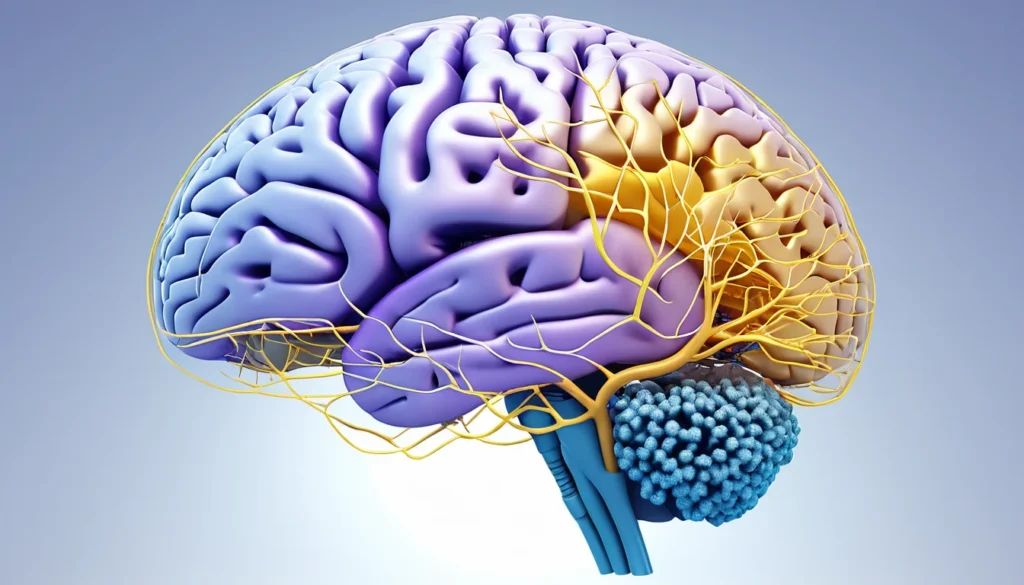
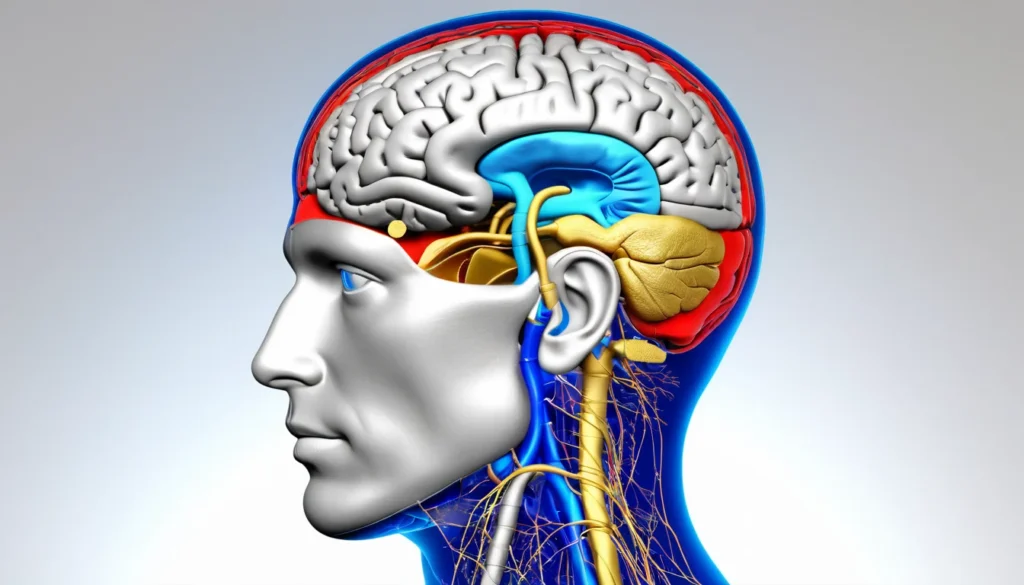
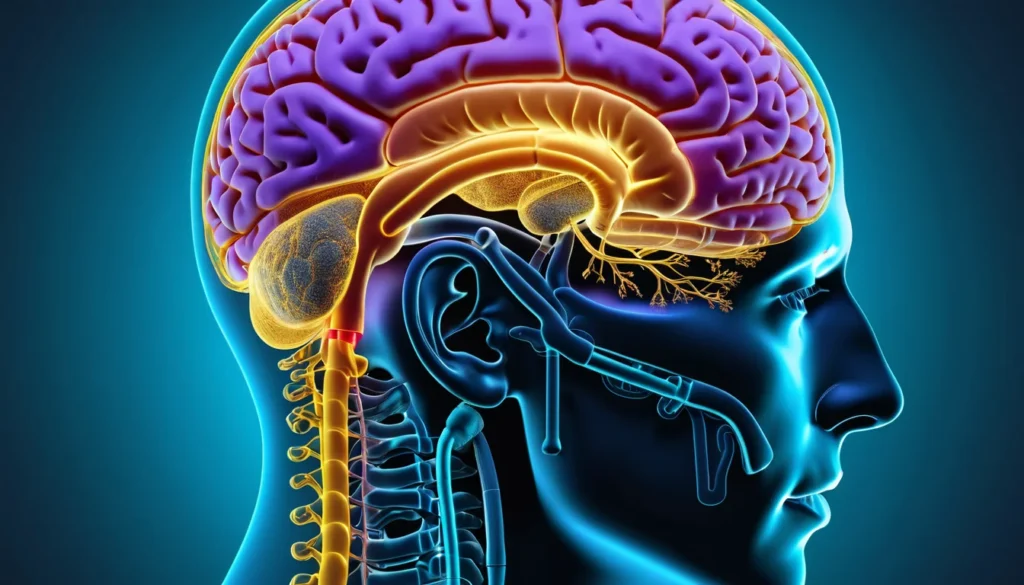
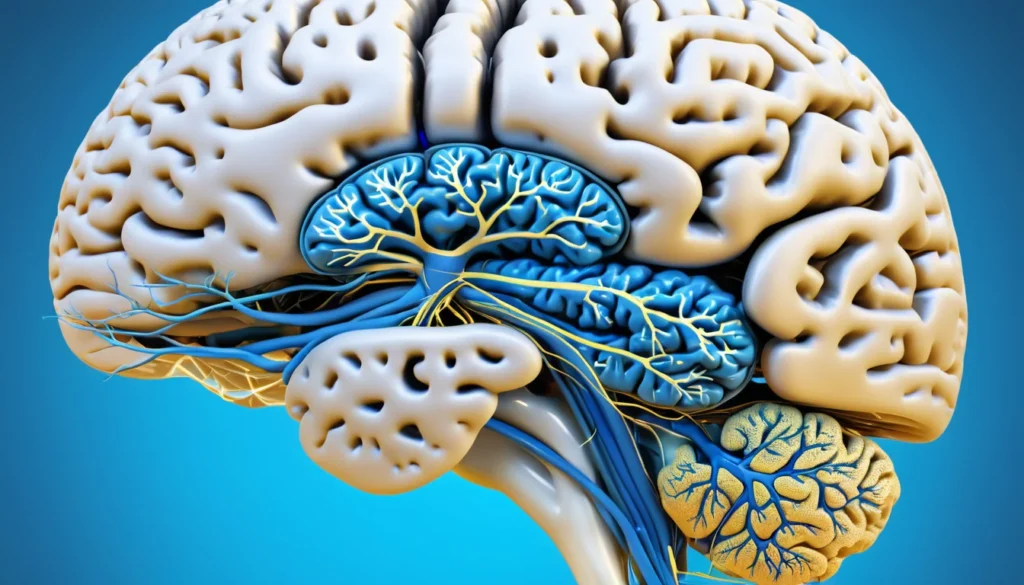
Corticobasal degeneration — sometimes called CBD — causes the brain to lose nerve cells in several key areas. These include the cerebral cortex and the basal ganglia, both of which play a major role in how we move and think. As these cells die, the brain slowly shrinks in the affected regions.
The disease progresses gradually. Symptoms often begin on one side of the body and eventually spread to both sides. Because its symptoms look like those of other conditions, CBD is often difficult to diagnose in its early stages. In fact, many patients are first assessed for Parkinson’s disease at the Mayo Clinic, which shares several overlapping features.
Corticobasal degeneration is not common. It affects a small number of people worldwide, and there is currently no cure. However, treatment can help manage symptoms and improve quality of life.
What Causes Corticobasal Degeneration?
Unfortunately, the exact cause of corticobasal degeneration is not yet known. Researchers have not found strong evidence that it is inherited, meaning it does not clearly run in families. No environmental risk factors — such as toxins or infections — have been confirmed either.
However, researchers have made some important discoveries. When scientists examine brain tissue from people who had CBD, they find unusual changes inside certain nerve cells. These changes involve a protein called tau.
The Role of Tau Protein
Tau is a protein that normally helps support the structure of nerve cells. In corticobasal degeneration, tau builds up abnormally and damages brain cells. Similar — though not identical — tau changes appear in two other brain diseases: Pick’s disease and progressive supranuclear palsy.
This connection has given researchers useful clues. Scientists are actively studying tau to better understand why it misbehaves and how it might be targeted with future treatments. You can learn more about brain diseases and ongoing research through Health Canada’s neurological health resources.
Early Symptoms of Corticobasal Degeneration
Symptoms of corticobasal degeneration usually appear after the age of 60. At first, they tend to affect only one side of the body. This one-sided pattern is one of the key features that helps doctors tell CBD apart from other conditions.
Early symptoms often include:
Stiffness in an arm or leg
Slowness of movement
Tremors or shaking
Clumsiness in the hands or feet
Difficulty with speech, such as hesitation or slurring
Trouble controlling the muscles of the face or mouth
Balance problems or changes in the way a person walks
These early signs can be easy to dismiss or confuse with normal ageing. Therefore, it is important to speak with a family doctor if you or someone you love notices more than one of these changes at the same time.
Advanced Symptoms of Corticobasal Degeneration
As corticobasal degeneration progresses, symptoms become more severe and begin to affect both sides of the body. Over one or more years, most people experience a significant worsening of their condition.
Advanced symptoms may include:
Severe stiffness and slow movement on both sides of the body
Postural instability — difficulty keeping balance while standing or walking
Myoclonus — sudden, brief muscle jerks
Dystonia — abnormal, sometimes painful muscle postures
Blepharospasm — involuntary closing of the eyelids
Difficulty swallowing, known as dysphagia
Cognitive changes, including memory problems, difficulty planning or organising, and in some cases dementia
Loss of sensation in parts of the body
The “Alien Limb” Phenomenon
One of the most striking — and distressing — symptoms of corticobasal degeneration is something called the alien limb phenomenon. In this condition, a person feels that one of their limbs is acting on its own, without their control. They may feel that the limb does not belong to them at all.
For example, a person’s arm might reach out and grab objects without them intending to do so. This symptom can be very upsetting for patients and their families. It is, however, a recognised feature of CBD and something that healthcare providers are trained to identify.
In later stages of the disease, a person with corticobasal degeneration may eventually lose the ability to walk independently. At this point, support from caregivers, occupational therapists, and community health services becomes especially important.
How Is Corticobasal Degeneration Diagnosed?
There is no single test to diagnose corticobasal degeneration. Diagnosis is based on a careful review of symptoms, a neurological examination, and the results of brain imaging tests such as an MRI. A neurologist — a doctor who specialises in brain and nervous system disorders — usually leads this process.
Because CBD symptoms overlap with Parkinson’s disease, progressive supranuclear palsy, and other conditions, it can take time to reach a firm diagnosis. According to Healthline’s overview of corticobasal degeneration, a definitive diagnosis can only be confirmed after death through examination of brain tissue.
What Tests Might Be Used?
Your doctor may order several tests to rule out other conditions and support a CBD diagnosis. These can include:
MRI or CT brain scans to check for areas of brain shrinkage
PET scans to measure brain activity
Neuropsychological testing to assess memory, language, and thinking skills
Blood tests to rule out other causes of symptoms
In Canada, your family doctor can refer you to a neurologist through your provincial health plan. Wait times may vary by province, so it is worth asking your doctor about any priority referral options available in your area.
Treatment and Management in Canada
There is currently no treatment that slows or stops corticobasal degeneration. However, several therapies can help manage symptoms and improve daily life. A team-based approach works best, and many Canadians can access these services through their provincial health plan.
Medications
Doctors may try certain medications to ease specific symptoms. For example, drugs used in Parkinson’s disease — such as levodopa — are sometimes tried, though they often provide limited benefit in CBD. Muscle relaxants may help with stiffness and dystonia. Anti-anxiety medications can support mood and behaviour.
Therapies and Support Services
A team of health professionals can make a meaningful difference in day-to-day living. Helpful services often include:
Physiotherapy to maintain movement and strength
Occupational therapy to help with daily tasks and home safety
Speech-language therapy to address swallowing and communication difficulties
Social work support to connect patients and families with community resources
Caregivers also need support. Many provinces offer respite care programmes, caregiver support groups, and home care services. Ask your family doctor or a social worker at your local hospital about what is available in your region.
When to See a Doctor
If you or a family member notices unexplained stiffness, tremors, changes in balance, or difficulty with speech after age 60, it is important to seek medical advice. These symptoms do not always mean corticobasal degeneration — but they do deserve prompt attention.
Start by booking an appointment with your family doctor. If you do not have one, a walk-in clinic can be a good first step and can refer you onward if needed. In Canada, your family doctor can arrange a referral to a neurologist through your provincial health plan at no direct cost to you.
Do not wait for symptoms to become severe before seeking help. Early assessment allows for better planning and access to support services. As always, the information in this article is for general educational purposes — please speak with your own doctor or healthcare provider for advice specific to your situation.
Frequently Asked Questions About Corticobasal Degeneration
What is corticobasal degeneration?
Corticobasal degeneration is a rare, progressive brain disorder that causes nerve cells in the cerebral cortex and basal ganglia to break down over time. It leads to worsening problems with movement, balance, speech, and thinking. Symptoms usually begin after age 60 and gradually affect both sides of the body.
Is corticobasal degeneration the same as Parkinson’s disease?
No, corticobasal degeneration is not the same as Parkinson’s disease, although the two conditions share some similar symptoms such as stiffness and slowness of movement. CBD also causes cognitive changes and the alien limb phenomenon, which are not typical of Parkinson’s. A neurologist can help tell the two conditions apart through careful assessment.
Is corticobasal degeneration hereditary?
Current research does not show clear evidence that corticobasal degeneration is inherited. Most cases appear to occur without a known family history of the disease. Researchers are still studying the role of the tau protein to better understand what triggers CBD.
How long can a person live with corticobasal degeneration?
The progression of corticobasal degeneration varies from person to person. On average, people live approximately six to eight years after symptoms first appear, though some live longer. Supportive care and therapy can help maintain quality of life throughout the course of the disease.
What does the alien limb phenomenon feel like?
The alien limb phenomenon is a symptom of corticobasal degeneration in which a person feels that one of their limbs is moving on its own, without their intention or control. Some people also feel that the limb does not belong to their body. This can be frightening and disorienting, but it is a recognised feature of CBD that healthcare providers understand.
Can a Canadian family doctor diagnose corticobasal degeneration?
A family doctor can be the first step in identifying concerns and arranging the right referrals, but diagnosing corticobasal degeneration typically requires a neurologist. Your family doctor can refer you to a specialist through your provincial health plan. Brain imaging and neurological testing are usually needed to support a CBD diagnosis.
Key Takeaways
Corticobasal degeneration is a rare, progressive brain disorder that affects movement, thinking, and behaviour.
Symptoms usually begin after age 60 and start on one side of the body before spreading to both sides.
The cause is unknown, but abnormal tau protein in the brain is strongly linked to the disease.
There is no cure, but medications and therapies can help manage symptoms and support daily living.
The alien limb phenomenon — feeling that a limb is acting on its own — is a distinctive feature of CBD.
Canadians can access specialist referrals through their provincial health plan by starting with a family doctor or walk-in clinic.
Always speak with your own healthcare provider for advice tailored to your personal situation.