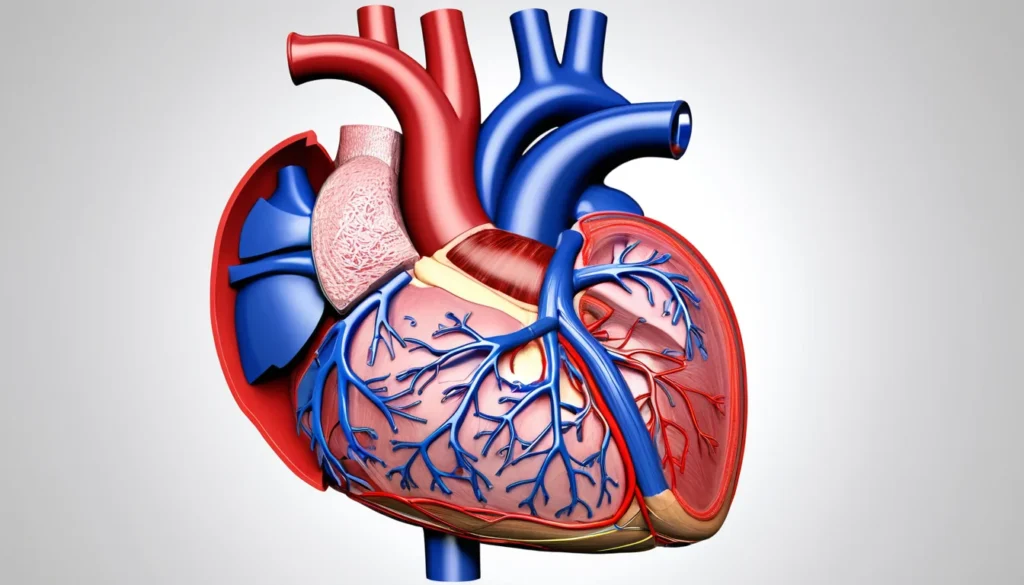
Coronary bypass surgery is one of the most common open-heart procedures performed in Canada and around the world. It helps restore healthy blood flow to the heart when the arteries become dangerously blocked. If you or a loved one has been told this surgery may be needed, understanding what it involves can help you make informed decisions alongside your healthcare team.
What Is Coronary Bypass Surgery?
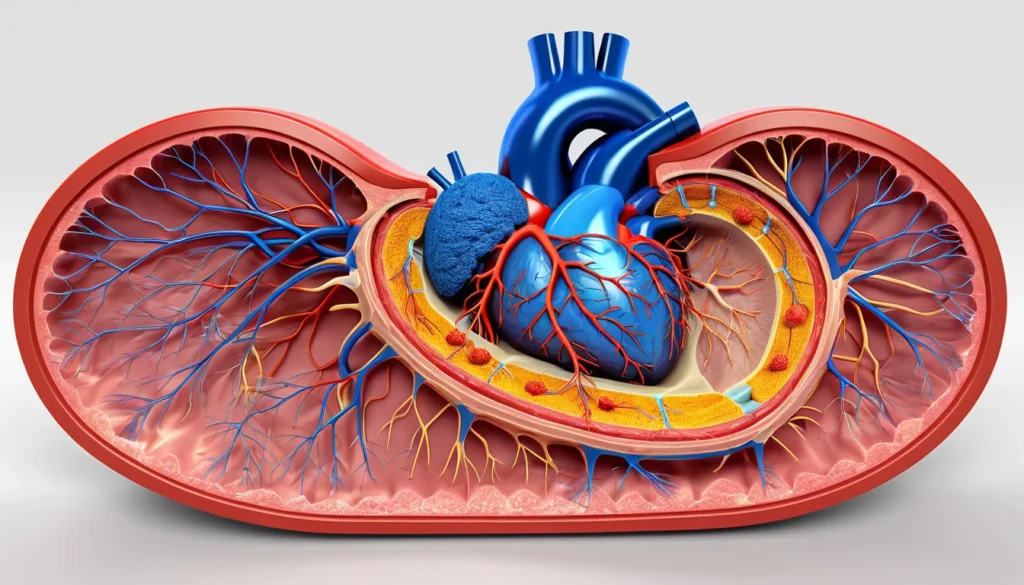
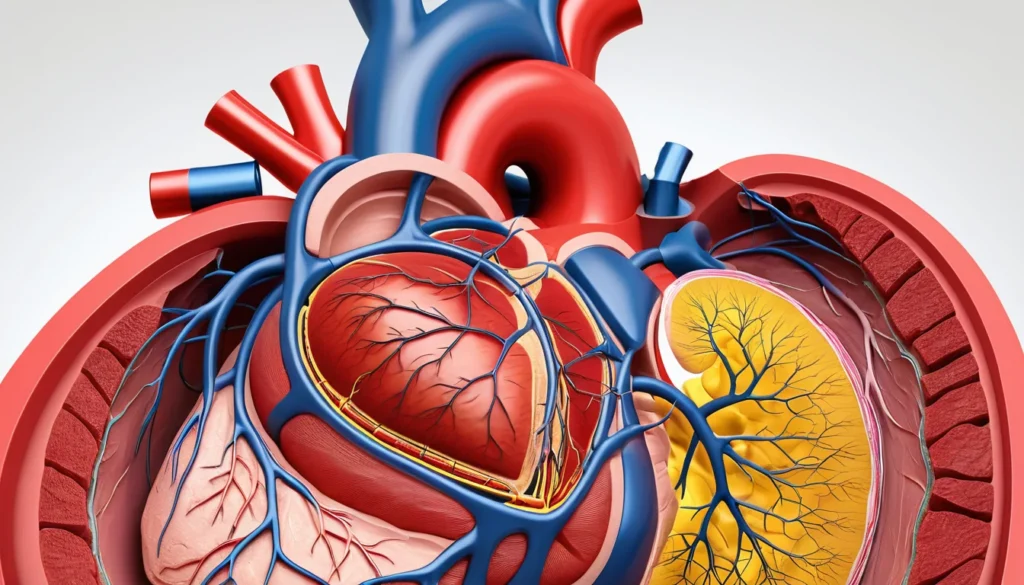
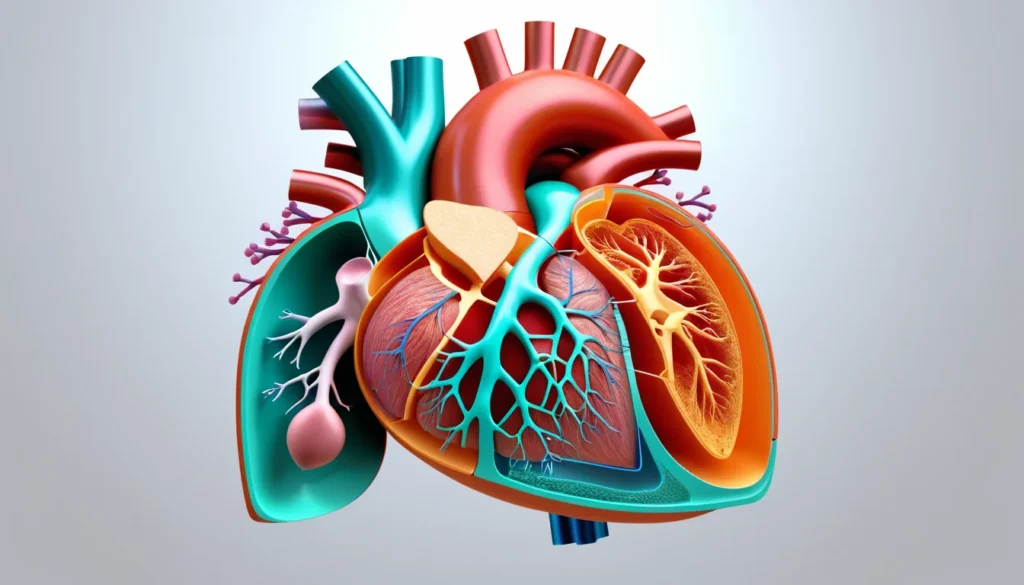
Your heart muscle needs a steady supply of oxygen-rich blood to work properly. This blood travels through vessels called coronary arteries. Over time, a fatty substance called plaque can build up inside these arteries and cause them to narrow or become blocked.
When a blockage is severe, it can cause chest pain (called angina), shortness of breath, or even a heart attack. Coronary bypass surgery creates a new route for blood to reach your heart muscle. A healthy vein or artery — taken from another part of your body — is grafted onto the blocked artery, bypassing the problem area entirely.
Surgeons can bypass up to four blocked arteries in a single operation. The doctors who perform this procedure are called cardiothoracic surgeons. According to Mayo Clinic’s overview of coronary bypass surgery, outcomes for suitable candidates are generally excellent.
Types of Coronary Bypass Surgery
Not all bypass procedures are the same. Your surgical team will recommend the type that best suits your condition and overall health.
Traditional Coronary Bypass Surgery
This is the most common approach. The surgeon opens the chest to access the heart directly. Medication stops the heart from beating, and a heart-lung machine takes over — pumping and oxygenating your blood during the operation. Once the bypass grafts are in place, mild electric shocks restart the heart.
Off-Pump Coronary Bypass Surgery
This method also requires opening the chest, but the heart keeps beating throughout the procedure. No heart-lung machine is used. As a result, this approach may reduce certain complications linked to the bypass machine. It can also lead to a faster recovery for some patients.
Minimally Invasive Coronary Bypass Surgery
Instead of one large chest incision, the surgeon makes several small cuts between the ribs on the left side of the chest. This technique works best for arteries on the front surface of the heart. However, it is not suitable for patients who need more than one or two arteries bypassed. It is a newer procedure and is used less often than the other two types.
Who Needs Coronary Bypass Surgery?
Coronary bypass surgery is not the right choice for everyone with heart artery disease. Many people manage their condition with lifestyle changes, medications, or a less invasive procedure called angioplasty. However, bypass surgery may be the best option in certain situations.
Your doctor may recommend coronary bypass surgery if:
You have a severe blockage in a major artery that supplies a large area of the heart muscle.
Your heart’s pumping ability has already been weakened, especially after a heart attack.
Angioplasty cannot fix the blockage or has not worked in the past.
You have multiple blocked arteries, particularly if you also have diabetes.
Medications and lifestyle changes have not relieved your symptoms.
In some cases, the surgery must happen urgently — for example, during or right after a heart attack. Your care team will weigh all of these factors carefully before making a recommendation. Health Canada’s overview of the Canadian healthcare system explains how cardiac care is covered under provincial health plans across the country.
Goals of Coronary Bypass Surgery
When bypass surgery is the right choice, it can make a meaningful difference in your life. The main goals of the procedure are:
Reducing chest pain and other symptoms of coronary artery disease.
Helping you return to a more active daily life.
Improving the heart’s pumping strength if it was damaged by a heart attack.
Lowering your risk of a future heart attack — especially if you have diabetes.
Improving your long-term chances of survival.
Research shows that about 85% of suitable candidates experience a significant reduction in symptoms. Furthermore, they face a lower risk of heart attack and a reduced risk of death in the ten years following surgery.
How Doctors Diagnose and Assess Your Condition
Before any decision is made about coronary bypass surgery, your doctor will carry out a thorough assessment. This helps confirm the diagnosis and determine whether surgery is truly the best path forward.
Physical Examination
Your doctor will listen to your heart and lungs and check for signs of cardiovascular disease. They will ask about your symptoms — such as chest pain or shortness of breath — including how often they occur and how severe they are.
Diagnostic Tests
Several tests help your medical team understand the extent of your artery blockages. These may include:
Electrocardiogram (ECG): Records the electrical activity of your heart.
Echocardiogram: Uses sound waves to create images of your heart’s structure and function.
Stress test: Checks how your heart performs under physical exertion.
Coronary angiography: A dye is injected into the arteries so X-rays can show exactly where blockages are located.
Blood tests: Check for risk factors like high cholesterol, diabetes, and inflammation.
Your doctor will review all of these results together with your symptoms, your overall health, and your quality of life before making a recommendation.
What to Expect During Recovery
Recovery from coronary bypass surgery takes time and varies from person to person. Most patients spend several days in the intensive care unit (ICU) right after surgery, followed by additional time in a regular hospital ward.
Full recovery at home typically takes six to twelve weeks. During this time, it is important to follow your care team’s instructions carefully. This includes taking all prescribed medications, attending follow-up appointments, and gradually increasing your activity level.
Cardiac rehabilitation programmes are available across Canada and play a key role in recovery. These programmes combine supervised exercise, nutrition guidance, and emotional support. Ask your family doctor or specialist about cardiac rehab options covered under your provincial health plan.
Emotional Health After Surgery
It is completely normal to feel anxious or low in mood after open-heart surgery. In fact, depression is a known risk in the months following the procedure. Talk to your doctor if you are struggling emotionally — support is available, and addressing your mental health is just as important as healing physically.
Keeping the Grafts Healthy Long-Term
In some cases, a bypass graft can become blocked over time, or new blockages can develop in other arteries. However, you can reduce this risk significantly. Taking your medications as prescribed, eating a heart-healthy diet high in fibre, quitting smoking, exercising regularly, and managing conditions like diabetes and high blood pressure all make a real difference. According to the World Health Organization’s cardiovascular disease fact sheet, lifestyle changes remain one of the most powerful tools for protecting heart health.
When to See a Doctor
If you experience chest pain, pressure, tightness, or shortness of breath — especially during physical activity — do not wait. These symptoms need prompt medical attention.
Start by contacting your family doctor if you have ongoing symptoms that concern you. They can order initial tests and refer you to a cardiologist if needed. If your symptoms come on suddenly or feel severe, go to a walk-in clinic or your nearest emergency department right away. In Canada, cardiac care is covered under provincial health plans, so getting assessed should never be delayed due to cost concerns.
Always consult your doctor or a qualified healthcare professional before making any decisions about your heart health or treatment options. This article is for informational purposes only and is not a substitute for professional medical advice.
Frequently Asked Questions About Coronary Bypass Surgery
How long does coronary bypass surgery take?
Coronary bypass surgery typically takes between three and six hours, depending on how many arteries need to be bypassed. The more complex the procedure, the longer it may take. Your surgical team will give you a more specific estimate based on your individual case.
Is coronary bypass surgery covered by provincial health plans in Canada?
Yes, coronary bypass surgery is considered a medically necessary procedure and is covered under provincial and territorial health plans across Canada. This means there is no direct cost to you for the surgery itself when performed in a Canadian hospital. Talk to your family doctor about the referral process in your province.
What is the success rate of coronary bypass surgery?
For patients who are good candidates, coronary bypass surgery has an excellent success rate. Studies show that about 85% of patients experience a significant reduction in symptoms after the procedure. Most also face a lower risk of future heart attacks and improved survival over the following ten years.
How long is the recovery time after coronary bypass surgery?
Most patients spend four to seven days in hospital after coronary bypass surgery. Full recovery at home usually takes six to twelve weeks, though this varies depending on age, overall health, and the type of bypass performed. Cardiac rehabilitation programmes can help speed up recovery and improve long-term outcomes.
Can coronary bypass surgery be done more than once?
Yes, repeat coronary bypass surgery is possible if a previous graft becomes blocked or if new blockages develop in other arteries. However, a second surgery carries higher risks than the first. Following a heart-healthy lifestyle and taking prescribed medications can help reduce the chance of needing another procedure.
What is the difference between coronary bypass surgery and angioplasty?
Coronary bypass surgery creates a new route around a blocked artery using a graft from another part of the body, while angioplasty opens a blocked artery from the inside using a small balloon and often a stent. Bypass surgery is generally recommended for more severe or complex blockages. Your cardiologist will help determine which approach is right for your situation.
Key Takeaways
Coronary bypass surgery reroutes blood around blocked heart arteries using a healthy vein or artery from another part of the body.
There are three main types: traditional, off-pump, and minimally invasive. Your surgeon will choose the best option for you.
Surgery is recommended when blockages are severe, when angioplasty is not suitable, or when other treatments have not worked.
About 85% of suitable patients see significant symptom relief and better long-term heart health outcomes.
Recovery takes six to twelve weeks. Cardiac rehabilitation programmes, available across Canada, support a full and healthy recovery.
Long-term success depends on healthy lifestyle habits, including a high-fibre diet, regular exercise, not smoking, and taking prescribed medications.
Always speak with your family doctor or a specialist before making any decisions about heart surgery or treatment.