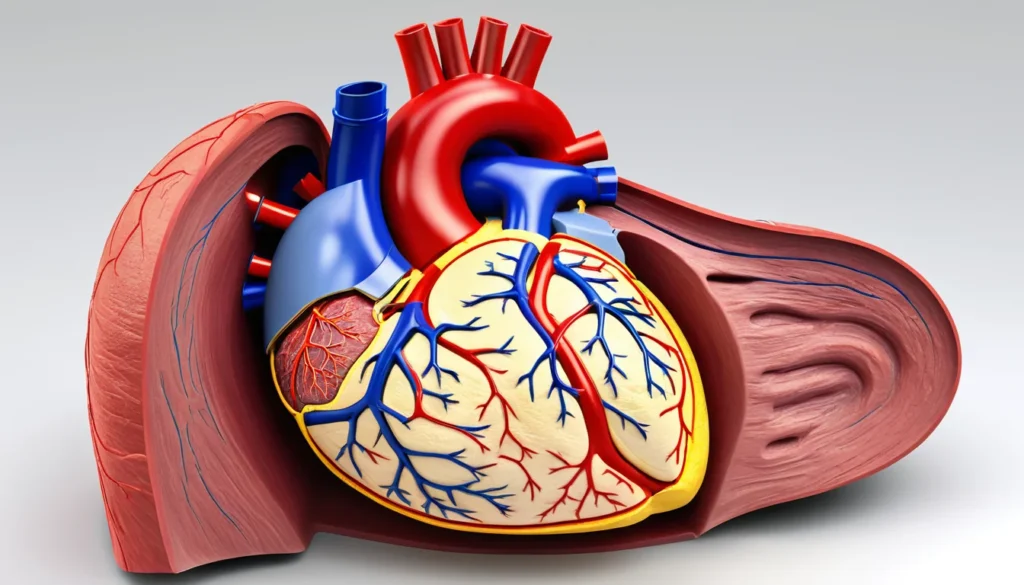
Coronary artery disease is one of the most common and serious heart conditions affecting Canadians today. It happens when the arteries that supply blood to your heart become narrowed or blocked. Understanding the symptoms, risk factors, and available tests can help you take action early — and that can make a real difference to your long-term health.
What Is Coronary Artery Disease?
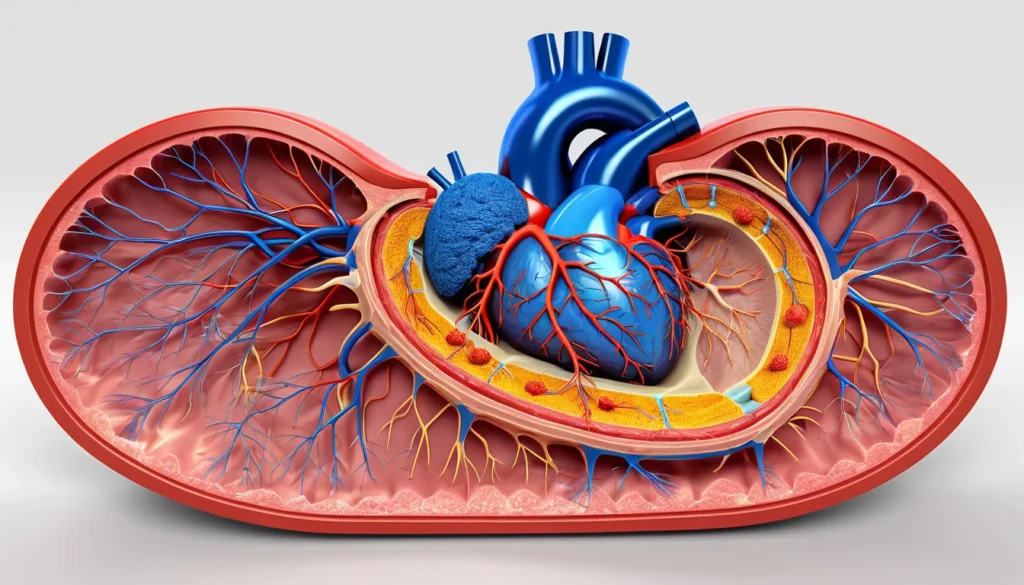
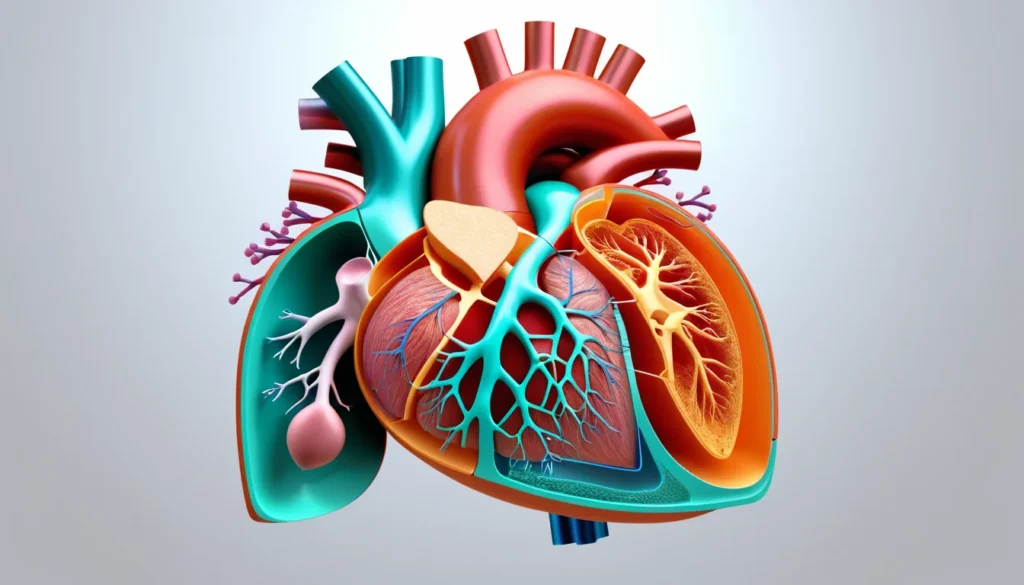
Your heart is a powerful muscle. It pumps oxygen and nutrients to every organ in your body through your blood. To do this work, your heart needs a steady supply of blood itself — and that supply comes from the coronary arteries.
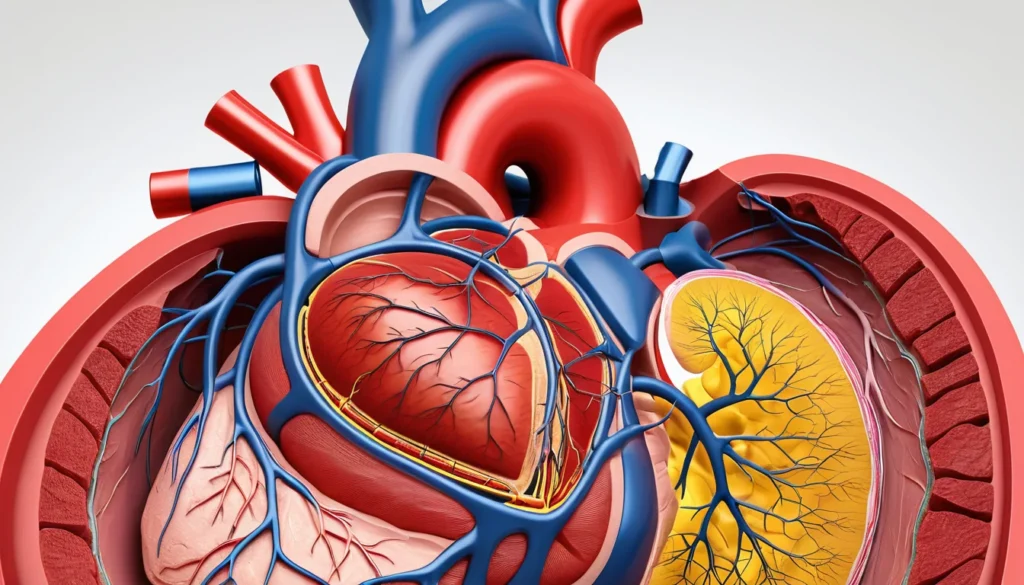
There are two main coronary arteries. The right coronary artery supplies blood to the back wall of the heart. The left coronary artery splits into two branches: the left anterior descending artery, which feeds the front wall of the heart, and the circumflex artery, which feeds the side wall.
Many smaller arteries branch off from these main vessels. Together, they deliver the oxygen your heart muscle needs to keep beating. When these arteries become narrowed or blocked, the heart does not get enough blood — and that is when problems begin. The World Health Organization identifies cardiovascular disease as the leading cause of death globally.
Symptoms of Coronary Artery Disease
The symptoms of coronary artery disease depend on how severely the arteries are narrowed. A mild narrowing may only cause discomfort during physical activity. A severe blockage can cause symptoms even at rest.
Angina: Chest Pain You Should Not Ignore
The most common symptom is angina — a type of chest pain caused by reduced blood flow to the heart. People often describe it as a feeling of pressure, squeezing, tightness, or burning behind the breastbone or on the left side of the chest.
The pain can also spread to other areas of the body. For example, it may radiate down your arm, up into your neck, across your shoulder, or into the upper part of your abdomen. Some people also feel short of breath during an episode.
Angina episodes usually last less than 20 minutes. They often stop when you rest or take nitroglycerin under your tongue. However, if the pain does not go away, this could signal something more serious.
Heart Attack: When a Blockage Is Complete
A heart attack happens when a blood clot completely blocks one of the coronary arteries. The section of heart muscle fed by that artery stops receiving blood and oxygen. As a result, that tissue begins to die.
Over time, the damaged tissue turns into scar tissue. Scar tissue cannot contract the way healthy heart muscle can. Therefore, the heart’s ability to pump blood efficiently is reduced. This can lead to breathlessness during activity, irregular heartbeat, and limits on your everyday physical activity.
Mayo Clinic provides a detailed overview of coronary artery disease symptoms and causes that can help you understand what to watch for.
Diagnosing Coronary Artery Disease
If your doctor suspects coronary artery disease, they will order one or more diagnostic tests. These tests check how well blood is flowing to your heart, look for signs of past heart attacks, and detect irregular heart rhythms.
Resting Electrocardiogram (ECG)
An ECG records the tiny electrical signals your heart produces with every beat. Electrodes are placed on your arms, legs, and chest — usually ten in total. The machine then prints a tracing of your heart’s electrical activity.
This test is painless and takes only a few minutes. It can reveal signs of a previous heart attack or an irregular heart rhythm. In Canada, your family doctor can usually arrange this test at their office or through a local diagnostic imaging centre.
Holter Monitor (24-Hour ECG)
A Holter monitor is a small, portable device that records your heart’s activity continuously for 24 hours. Three electrodes are placed on your chest, and they connect to a small recorder you carry with you throughout the day.
This test captures your heart’s behaviour during your normal daily routine — including exercise, rest, and sleep. You keep a written log of any symptoms you notice. Afterward, a technician analyses the recording to look for irregular rhythms or other abnormalities.
The Holter monitor is completely safe and causes no discomfort. It is especially useful for detecting irregular rhythms that come and go, which a resting ECG might miss.
Stress ECG (Exercise Test)
A stress ECG measures how your heart performs under physical effort. You walk on a treadmill or pedal a stationary bike while electrodes record your heart’s activity. Your blood pressure is also monitored throughout the test.
Before you begin, a resting ECG and resting blood pressure reading are taken. These measurements are repeated after exercise. The test stops if you feel chest pain, shortness of breath, or dizziness — or if the ECG shows a serious change. The full test typically takes between 30 and 40 minutes.
Chest X-Ray
A chest X-ray gives your doctor a clear view of your heart, lungs, large blood vessels, ribs, and spine. It shows the overall size of your heart and how well the lungs are being perfused with blood.
If the heart’s pumping ability has been reduced — for example, after a heart attack — the heart may appear enlarged on an X-ray. There may also be signs of fluid building up in the lungs, a condition called pulmonary congestion.
Echocardiogram and Nuclear Imaging
An echocardiogram uses sound waves to create a moving image of your heart. It can show how well each section of the heart wall is moving during exercise. Sections with poor blood supply often move abnormally.
In addition, a myocardial perfusion scan (also called a nuclear stress test) uses a small amount of a safe radioactive tracer to map blood flow through the heart muscle. This method is more sensitive than a standard stress ECG and gives your cardiologist a detailed picture of where blood flow is reduced.
Coronary Angiography
Coronary angiography is the most precise way to examine the coronary arteries. A thin, flexible tube called a catheter is guided through a blood vessel to the heart, and a contrast dye is injected. X-ray images then show exactly where blockages are located and how severe they are.
This procedure requires a brief stay at a hospital or cardiac care centre. It is usually recommended when other tests suggest significant blockages that may need treatment. Health Canada provides information on accessing cardiac care through provincial health plans.
Risk Factors for Coronary Artery Disease
Several factors increase your risk of developing coronary artery disease. Some you cannot change, such as your age, sex, and family history. However, many risk factors are within your control.
Modifiable risk factors include:
Smoking — tobacco use damages artery walls and speeds up plaque buildup
High blood pressure — puts extra strain on artery walls over time
High cholesterol — contributes to the fatty deposits that narrow arteries
Type 2 diabetes — increases the risk of artery damage significantly
Physical inactivity — a sedentary lifestyle weakens the heart and circulation
Unhealthy diet — high in saturated fat, sodium, and low in fibre
Excess weight — especially weight carried around the abdomen
Chronic stress — can raise blood pressure and worsen other risk factors
Making positive changes in these areas — even small ones — can meaningfully reduce your risk. Your family doctor or a registered dietitian can help you build a realistic plan.
When to See a Doctor
If you experience chest pain, pressure, or tightness that comes on during physical activity or at rest, do not wait. This type of symptom always deserves prompt medical attention.
For sudden, severe chest pain that lasts more than a few minutes or does not improve with rest, call 911 immediately. This could be a heart attack, and every minute matters.
For ongoing but milder symptoms — such as occasional chest discomfort during exertion, unusual shortness of breath, or heart palpitations — book an appointment with your family doctor as soon as possible. If you do not have a family doctor, a walk-in clinic can assess you and arrange referrals through your provincial health plan.
Your doctor may refer you to a cardiologist for further testing. Most provinces cover cardiac diagnostic tests under the public health insurance plan, though wait times vary by region. Do not hesitate to ask your doctor what to expect and how urgently you should be seen.
Even if you have no symptoms, it is worth discussing your heart health at your next check-up — especially if you have one or more risk factors for coronary artery disease.
Frequently Asked Questions
What is the difference between coronary artery disease and a heart attack?
Coronary artery disease is the long-term condition where arteries gradually narrow due to plaque buildup. A heart attack occurs when a coronary artery becomes completely blocked — usually by a blood clot — cutting off blood supply to part of the heart muscle. In other words, a heart attack is a serious event that can result from untreated coronary artery disease.
Can coronary artery disease be reversed?
Coronary artery disease cannot be fully reversed, but its progression can be slowed and symptoms can be managed effectively. Lifestyle changes such as a heart-healthy diet, regular exercise, quitting smoking, and taking prescribed medications can significantly improve outcomes. Some research suggests that very aggressive lifestyle changes may even reduce existing plaque in some cases.
What does angina feel like?
Angina — the chest pain associated with coronary artery disease — is commonly described as a squeezing, heavy, or burning sensation behind the breastbone or on the left side of the chest. It may also radiate to the arm, neck, jaw, or upper abdomen. The discomfort usually lasts less than 20 minutes and often eases with rest or nitroglycerin.
How is coronary artery disease diagnosed in Canada?
In Canada, coronary artery disease is typically diagnosed through a combination of tests arranged by your family doctor or a cardiologist. These may include a resting ECG, a stress ECG, a Holter monitor, an echocardiogram, or a coronary angiogram. Most of these tests are covered under provincial health plans, though referral and wait times can vary by province.
Is coronary artery disease hereditary?
Yes, family history is a recognised risk factor for coronary artery disease. If a close relative — such as a parent or sibling — was diagnosed with heart disease at a relatively young age, your own risk may be higher. However, having a family history does not mean heart disease is inevitable, and managing other risk factors can significantly lower your overall risk.
What lifestyle changes help manage coronary artery disease?
Key lifestyle changes for managing coronary artery disease include eating a diet rich in vegetables, fruits, whole grains, and fibre while limiting saturated fat and sodium. Regular moderate exercise, quitting smoking, limiting alcohol, managing stress, and maintaining a healthy weight all support heart health. Your family doctor can help you set realistic goals and may refer you to a cardiac rehabilitation programme.
Key Takeaways
Coronary artery disease occurs when the arteries supplying the heart become narrowed or blocked, reducing blood flow to the heart muscle.
The main symptom is angina — chest pain or pressure that often appears during physical activity and eases with rest.
A complete blockage can cause a heart attack, which damages heart muscle permanently.
Diagnostic tools include ECG, Holter monitor, stress testing, echocardiogram, and coronary angiography — most covered by provincial health plans.
Many risk factors — including smoking, high blood pressure, poor diet, and inactivity — are within your control.
If you experience chest pain or pressure, see your family doctor or a walk-in clinic promptly. For severe symptoms, call 911 immediately.
Always consult a qualified healthcare provider before making changes to your treatment or lifestyle plan.