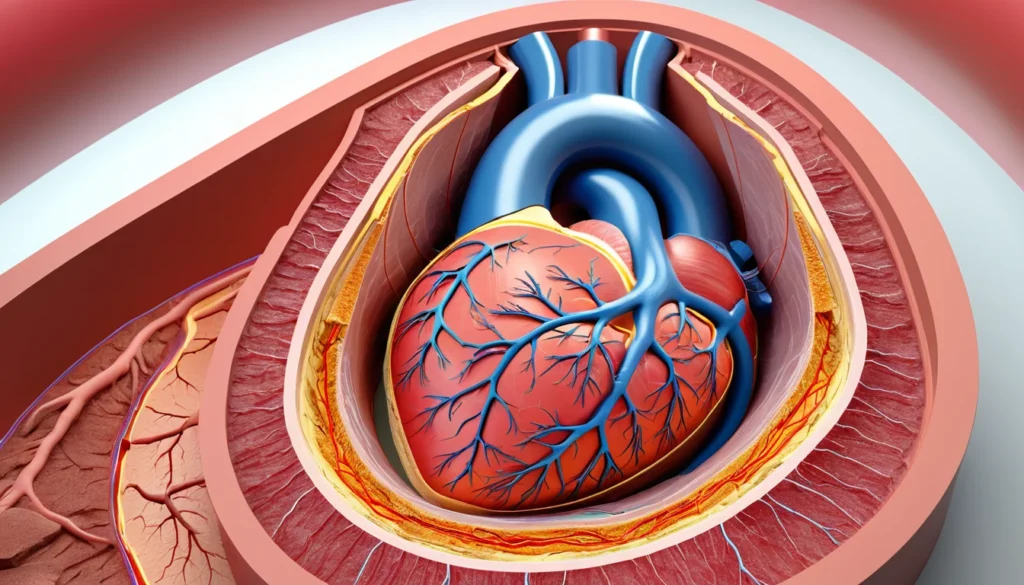
Coronary artery disease is one of the most serious and common heart conditions affecting Canadians today. It develops when fatty deposits build up inside the walls of your heart’s arteries, slowly narrowing them over time. This process, called atherosclerosis, can silently progress for decades before you notice any symptoms. In this article, we explain what causes coronary artery disease, who is most at risk, and what you can do to protect your heart.
What Is Coronary Artery Disease?
Coronary artery disease happens when the large and medium arteries that supply your heart with blood become damaged or diseased. The main cause is a process called atherosclerosis — a gradual build-up of fats, cholesterol, calcium, and other substances inside the artery walls. These deposits form what doctors call “plaques.”
Plaque build-up often starts as early as childhood or adolescence. Over many years, the plaques grow, harden, and can crack or ulcerate. When a plaque ruptures, it triggers clot formation inside the artery. This can slow or completely block blood flow to the heart.
According to Health Canada, heart disease is a leading cause of death across the country. Understanding how atherosclerosis develops is the first step toward preventing it.
How Atherosclerosis Damages Your Arteries
Atherosclerosis does not just narrow your arteries. It also weakens the muscular walls that surround them. In some cases, this leads to abnormal bulging of the artery wall, called an aneurysm. In other cases, the artery becomes so narrow that blood can barely pass through.
When blood flow is severely reduced, the heart muscle does not get enough oxygen. This condition is called ischemia. Furthermore, if a clot fully blocks the artery, the result can be a heart attack — known medically as a myocardial infarction.
The natural history of atherosclerosis follows three stages: plaque formation, ischemic heart disease, and arterial thrombosis (clotting). Importantly, symptoms often appear 10 to 30 years after the plaques first begin to form.
Risk Factors for Coronary Artery Disease
Many years of research have identified both modifiable and non-modifiable risk factors for coronary artery disease. Knowing your risk factors helps you and your doctor make better decisions about your heart health.
Risk Factors You Can Change
The good news is that several major risk factors are within your control. These include:
High cholesterol (dyslipidemia): Too much LDL (“bad”) cholesterol in your blood speeds up plaque build-up in your arteries.
High blood pressure (hypertension): Elevated blood pressure damages artery walls and makes them more vulnerable to plaque deposits.
Smoking: Tobacco causes blood vessels to constrict and significantly raises your risk of dangerous clots forming.
Physical inactivity: A sedentary lifestyle weakens your cardiovascular system and raises cholesterol and blood pressure levels.
Unhealthy diet: Diets high in saturated fats and excess calories promote weight gain and raise harmful cholesterol levels.
Obesity: Excess body weight raises blood pressure, blood sugar, and cholesterol — all major risk factors for heart disease.
Type 2 diabetes or poor blood sugar control: High blood sugar damages blood vessels over time.
High uric acid levels: Elevated uric acid in the blood has also been linked to a higher risk of arterial clotting.
People with high blood pressure who also smoke and eat poorly face a risk of dying from heart disease that is five to six times higher than average. However, addressing even one or two of these factors can make a meaningful difference.
Risk Factors You Cannot Change
Some risk factors are beyond your control. These include your age, sex, and family history. If a parent or sibling developed heart disease at a young age, your own risk is higher. Stress and emotional reactivity also play a role — intense anger or emotional outbursts can rapidly raise blood pressure and clotting activity in the blood.
Even if you have non-modifiable risk factors, managing the ones you can control still lowers your overall risk significantly.
Preventing Coronary Artery Disease
Prevention of coronary artery disease works best when it starts early. Since plaque can begin forming in adolescence, healthy habits established young provide the greatest long-term protection — especially for those with a family history of cardiovascular disease.
Prevention comes in two forms: primary prevention (stopping plaques from forming in the first place) and secondary prevention (slowing the progression once disease has begun). Both rely on many of the same strategies.
Eating for a Healthy Heart
Diet is one of the most powerful tools for protecting your arteries. A heart-healthy eating plan focuses on reducing saturated fats, which are found in butter, cream, lard, and fatty meats. These fats raise LDL cholesterol in the blood.
In contrast, unsaturated vegetable fats — found in corn oil, sunflower oil, and soy — can actually help lower blood cholesterol. Ideally, two-thirds of the fats you eat should come from plant-based sources.
A balanced diet for heart health should roughly contain:
25% fats — mostly unsaturated (plant-based)
15% protein — lean meats, legumes, low-fat dairy
60% carbohydrates — whole grains, vegetables, and fruit
Low-fat food choices include skim milk, yogurt, low-fat cottage cheese, lean meats, egg whites, vegetables, legumes, fish, and whole-grain cereals. In addition, how you prepare food matters. Boiling, steaming, or baking is far better for your heart than frying.
Avoid diets heavy in simple sugars such as white sugar and sweets. These can raise blood triglyceride levels even without adding much fat to your meals. The Mayo Clinic’s guide to coronary artery disease offers more detail on heart-healthy eating patterns.
Maintaining a Healthy Weight
If you carry extra weight, even a modest reduction can lower your blood cholesterol and blood pressure. Doctors recommend slow, steady weight loss rather than crash diets. Rapid weight loss can sometimes put additional strain on your heart and is harder to sustain.
If you are unsure what a healthy weight looks like for you, your family doctor or a registered dietitian can help you set realistic goals.
Staying Active
Regular physical activity strengthens the heart muscle, helps control weight, lowers blood pressure, and improves cholesterol levels. A sedentary lifestyle is a major risk factor for coronary artery disease and cardiovascular events.
Most Canadian adults benefit from at least 150 minutes of moderate-intensity exercise per week. This could be brisk walking, cycling, swimming, or any activity that raises your heart rate. However, if you have existing heart disease, always speak with your doctor before starting a new exercise programme.
Quitting Smoking
Smoking is one of the most damaging things you can do to your arteries. It causes blood vessels to constrict, raises blood pressure, and dramatically increases the risk of arterial clots. Quitting smoking at any age reduces your risk of a heart attack — and the benefits begin almost immediately after you stop.
Canadian provincial health plans offer smoking cessation programmes and coverage for some quit-smoking medications. Ask your family doctor or pharmacist what support is available in your province.
Medical Treatments for Coronary Artery Disease
When lifestyle changes are not enough, your doctor may recommend medication to manage coronary artery disease. Common treatments include:
Statins: Medications that lower LDL cholesterol and stabilise arterial plaques.
Blood pressure medications: Including ACE inhibitors, beta-blockers, or calcium channel blockers, depending on your situation.
Blood thinners (antiplatelets): Such as low-dose aspirin or other agents, to reduce the risk of clots forming.
Diabetes medications: To keep blood sugar under control and protect the arteries.
In more advanced cases, your cardiologist may recommend procedures such as angioplasty (opening a narrowed artery with a small balloon) or coronary bypass surgery. These decisions are made based on the severity of the blockage and your overall health. The World Health Organization’s cardiovascular disease fact sheet provides global context on treatment and prevention.
When to See a Doctor
You should speak with your family doctor if you have any known risk factors for coronary artery disease — even if you feel completely fine. Atherosclerosis is a “silent” disease that can progress for decades without obvious symptoms.
Seek urgent care at a walk-in clinic or emergency department right away if you experience any of the following:
Chest pain, pressure, or tightness (especially during activity or stress)
Shortness of breath with mild exertion
Pain radiating to your arm, jaw, neck, or back
Sudden dizziness, sweating, or nausea
An irregular or racing heartbeat
These can be signs of angina or a heart attack, and they require immediate medical attention. Do not wait to see if the symptoms go away on their own. Call 911 if symptoms are severe or sudden.
Your provincial health plan covers routine heart health screenings through your family doctor. If you do not have a family doctor, many walk-in clinics across Canada can assess your cardiovascular risk and order basic blood work, including cholesterol and blood sugar testing.
Frequently Asked Questions
What are the early warning signs of coronary artery disease?
Coronary artery disease often has no symptoms in its early stages, which is why it is sometimes called a “silent” condition. As it progresses, you may notice chest pain or tightness (angina), shortness of breath, or unusual fatigue during everyday activities. If you experience any of these signs, see your doctor right away.
Can coronary artery disease be reversed?
While coronary artery disease cannot be fully reversed, its progression can be significantly slowed — and in some cases partially improved — with the right lifestyle changes and medications. Quitting smoking, improving your diet, exercising regularly, and taking prescribed medications can all help stabilise or reduce plaque build-up. Speak with your family doctor about the best plan for your situation.
What foods should I avoid if I have coronary artery disease?
If you have coronary artery disease, you should limit foods high in saturated fats, such as butter, cream, lard, and fatty meats, as these raise harmful LDL cholesterol. You should also reduce your intake of simple sugars, fried foods, and heavily processed snacks. Focus instead on vegetables, fruits, whole grains, lean proteins, and plant-based fats like olive or sunflower oil.
Is coronary artery disease hereditary?
Yes, family history is a well-established risk factor for coronary artery disease. If a close relative — such as a parent or sibling — developed heart disease at a young age, your own risk is higher. However, having a family history does not mean you will definitely develop the condition, especially if you manage other modifiable risk factors such as diet, exercise, and smoking.
How is coronary artery disease diagnosed in Canada?
In Canada, coronary artery disease is typically diagnosed through a combination of blood tests (checking cholesterol and blood sugar), an electrocardiogram (ECG), a stress test, or imaging such as a coronary angiogram. Your family doctor will usually order initial screening tests and refer you to a cardiologist if needed. These tests are covered under most provincial health plans.
At what age does coronary artery disease typically start?
The underlying process of coronary artery disease — plaque formation in the arteries — can actually begin in childhood or adolescence. However, significant narrowing of the arteries and noticeable symptoms typically appear in middle age or later, often 10 to 30 years after plaque first starts forming. This is why building heart-healthy habits early in life is so important.
Key Takeaways
Coronary artery disease is caused by a slow build-up of fatty plaques inside the arteries that supply your heart with blood.
The process (atherosclerosis) can begin in adolescence but may not cause symptoms for 10 to 30 years.
Major risk factors include high cholesterol, high blood pressure, smoking, physical inactivity, poor diet, obesity, and diabetes — most of which are within your control.
A heart-healthy diet limits saturated fats and simple sugars, and emphasises vegetables, whole grains, fish, and plant-based fats.
Regular physical activity, quitting smoking, and managing your weight are among the most effective steps you can take to protect your arteries.
Medical treatments — including statins, blood pressure medications, and blood thinners — can help manage the disease when lifestyle changes alone are not enough.
If you have risk factors or symptoms, speak with your family doctor or visit a walk-in clinic. Most provincial health plans cover routine cardiovascular screenings.
Always consult your doctor before making significant changes to your diet, exercise routine, or medications. This article is for informational purposes only and does not replace professional medical advice.