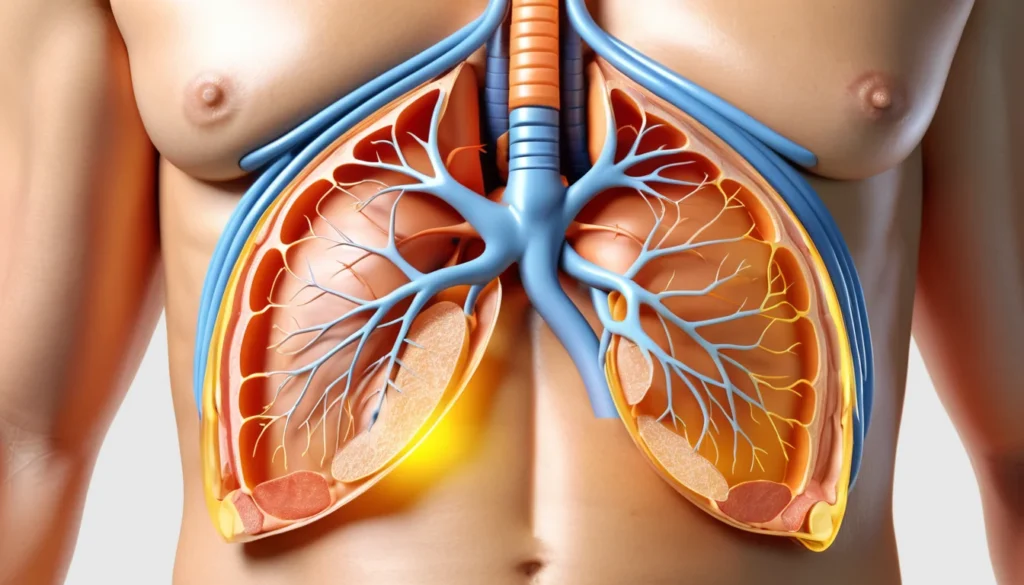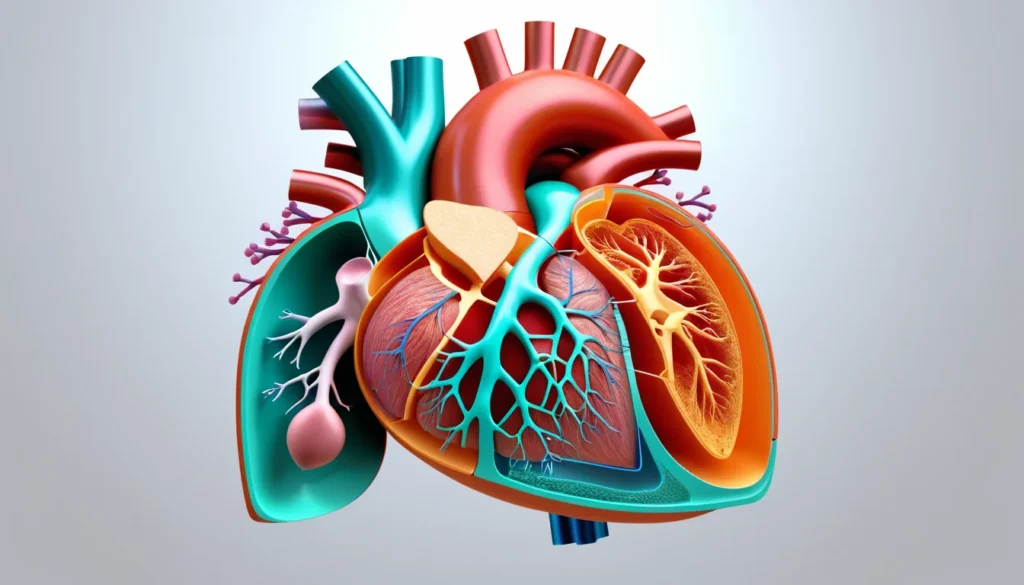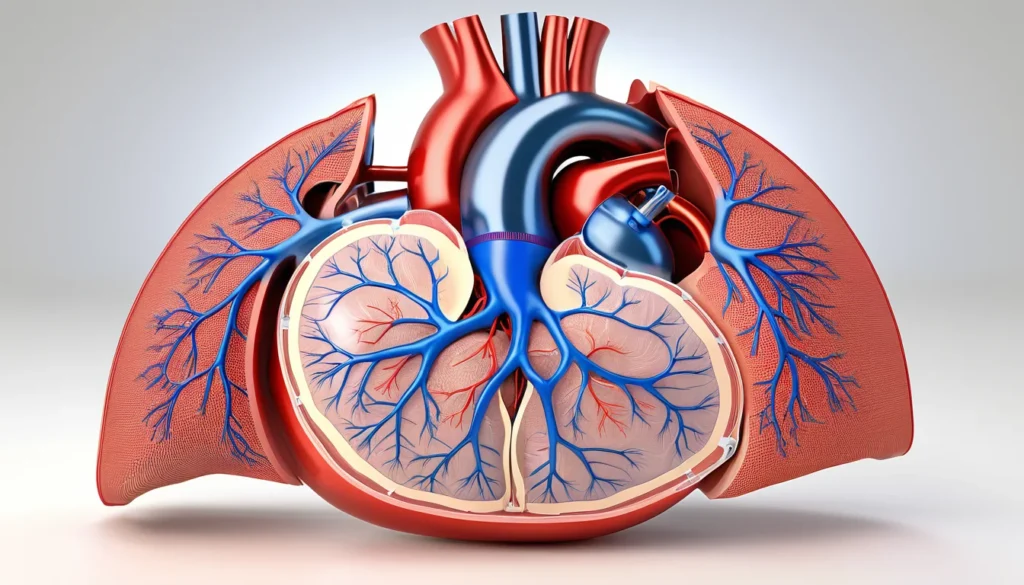
Coronary angioplasty is a minimally invasive procedure that opens blocked or narrowed coronary arteries — the blood vessels that carry oxygen-rich blood to your heart muscle. It is one of the most common heart procedures performed in Canada today. Doctors use it to relieve chest pain (angina) and to treat heart attacks. If you or someone you love has been referred for this procedure, understanding what it involves can help you feel more confident and prepared.
What Is Coronary Angioplasty?
Coronary angioplasty is also called percutaneous transluminal coronary angioplasty (PTCA). The word “percutaneous” simply means the procedure is done through the skin, without open surgery. A thin, flexible tube called a catheter is guided into the blocked artery. A small balloon at the tip of the catheter is then inflated to push the blockage against the artery wall and widen the opening.
In most cases, the doctor also places a stent — a tiny mesh tube made of stainless steel — inside the artery. The stent stays in place permanently and helps keep the artery open. As a result, blood can flow more freely to the heart muscle.
According to Health Canada, coronary artery disease is one of the leading causes of death in Canada. Coronary angioplasty plays a key role in treating this condition and saving lives.
Why Is Coronary Angioplasty Needed?
Your coronary arteries can become narrowed or blocked over time. This happens because of a build-up of fatty deposits called plaque on the artery walls. The medical term for this process is atherosclerosis.
When arteries are partially blocked, blood flow to the heart is reduced. This can cause chest pain known as angina pectoris. If an artery becomes completely blocked, the result can be a heart attack (myocardial infarction).
Coronary angioplasty helps by physically widening the artery. This restores better blood flow and reduces the risk of a heart attack. However, not every patient with angina needs this procedure. Many people can manage their symptoms with medication alone.
Who Is a Good Candidate?
Your cardiologist may recommend coronary angioplasty if:
You still have chest pain (angina) despite taking the best available medications
Your angina is significantly affecting your daily life and quality of life
A coronary angiogram (a special X-ray of the heart’s arteries) confirms narrowed arteries
You have had a previous coronary bypass surgery, but your arteries have become blocked again
For people with stable angina — where symptoms stay roughly the same over time — medication is often the first choice. Your family doctor or cardiologist will guide you on the best approach for your situation.
What Happens If Coronary Angioplasty Is Not Done?
If blocked arteries go untreated, the consequences can be serious. Research suggests that without treatment, angina symptoms are likely to get worse over time. Walking longer distances or climbing stairs may become increasingly difficult.
Furthermore, the risk of a heart attack increases significantly. Studies suggest that about 5 in every 100 people with angina will have a heart attack or die from heart disease without proper treatment. In some cases, the only remaining option may be open-heart bypass surgery.
This is why it is so important to speak with your doctor if you are experiencing chest pain or other symptoms of coronary artery disease. Early action makes a real difference. You can learn more about heart disease risk factors from the Mayo Clinic’s guide to coronary artery disease.
How Coronary Angioplasty Is Performed
Coronary angioplasty is carried out in a special room called a cardiac catheterisation laboratory (often called a “cath lab”). The room is equipped with high-resolution X-ray equipment and sometimes an echocardiogram machine, so the medical team can watch the procedure on a video monitor in real time.
Before the Procedure
You will be asked not to eat or drink anything for at least four hours before the procedure. You will stay in hospital overnight. Before things begin, the care team will:
Insert an intravenous (IV) line in case sedatives or pain relievers are needed
Connect you to a heart monitor (electrocardiogram, or ECG) to track your heart’s electrical activity
Apply a local anaesthetic to numb the skin at the insertion site
During the Procedure
You will lie flat on your back on a special X-ray table. The doctor will first perform a coronary angiogram — a dye is injected through the catheter so that any blockages show clearly on the X-ray image.
Once the blockage is identified, the doctor guides a catheter with a tiny balloon on its tip to the narrowed area. The balloon is inflated to push the plaque against the artery wall. In most cases, a stent is then expanded and left in place to keep the artery open.
The whole procedure usually takes about 30 minutes, though it may take longer if more than one section of artery needs treatment.
Planned vs. Emergency Coronary Angioplasty
Coronary angioplasty can be performed in two settings. A planned (elective) angioplasty is scheduled in advance after testing confirms a blockage. An emergency angioplasty is used as an urgent treatment for a heart attack or unstable angina — a condition where chest pain occurs even at rest.
Both types use the same basic technique. However, during an emergency procedure, additional medications may be needed to stabilise the patient. Emergency angioplasty can be life-saving when performed quickly.
Getting Ready: Tests Your Doctor May Order
In Canada, your family doctor will typically refer you to a cardiologist if coronary artery disease is suspected. Your provincial health plan covers these referrals and the related tests. Before recommending coronary angioplasty, the specialist will review results from several tests, which may include:
Blood tests — to check cholesterol levels, blood sugar, and other heart risk markers
Electrocardiogram (ECG) — records the electrical signals of your heart and shows how well it is working
Coronary angiogram (coronary angiography) — a detailed X-ray of the arteries using a special dye to pinpoint blockages
Roughly 3 in 10 patients who have a coronary angiogram go on to have a coronary angioplasty. If the blockages are too widespread or involve too many artery branches, coronary angioplasty may not be possible. In those cases, the team may consider coronary artery bypass surgery instead.
For more information on how these tests work, visit the Healthline overview of coronary angioplasty.
When to See a Doctor
Do not wait if you experience chest pain, especially if it is new, worsening, or happens while you are resting. These symptoms can be a sign of serious heart problems that need prompt attention.
If your symptoms come on suddenly and feel severe, call 911 immediately. Do not drive yourself to the hospital. For symptoms that are less urgent but still concerning, contact your family doctor right away. If you do not have a family doctor, visit a walk-in clinic — they can arrange further testing and referrals through your provincial health plan.
Early diagnosis and treatment of coronary artery disease can prevent a heart attack and significantly improve your quality of life. Always speak with a qualified healthcare provider before making any decisions about your heart health.
Frequently Asked Questions About Coronary Angioplasty
How long does coronary angioplasty take?
Coronary angioplasty usually takes about 30 minutes to complete. However, the procedure may take longer if more than one blocked section of artery needs to be treated. You should also expect to spend at least one night in hospital for monitoring and recovery.
Is coronary angioplasty a major surgery?
No — coronary angioplasty is a minimally invasive procedure, not open-heart surgery. It is performed through a small puncture in the skin, usually in the wrist or groin area. Most patients recover much faster than they would from bypass surgery.
What is the difference between coronary angioplasty and bypass surgery?
Coronary angioplasty opens a blocked artery using a balloon and stent, without major surgery. Bypass surgery creates a new route for blood to flow around the blockage using a blood vessel taken from elsewhere in the body. Your cardiologist will recommend the best option based on how many arteries are affected and how severe the blockages are.
What are the risks of coronary angioplasty?
Like any medical procedure, coronary angioplasty carries some risks, including bleeding at the insertion site, allergic reaction to the dye, and in rare cases, a heart attack or stroke during the procedure. Your medical team will carefully review your personal risk factors beforehand. For most patients, the benefits of coronary angioplasty outweigh the risks.
How long is recovery after coronary angioplasty?
Most people go home the day after coronary angioplasty and return to light activities within a week. Full recovery and return to normal activity typically takes one to two weeks. Your doctor will give you specific instructions about medications, activity levels, and follow-up appointments.
Is coronary angioplasty covered by provincial health insurance in Canada?
Yes, coronary angioplasty is covered under provincial and territorial health plans across Canada when it is medically necessary. This includes the procedure itself, your hospital stay, and the follow-up care provided by your medical team. Talk to your family doctor or cardiologist to understand what is included in your province’s coverage.
Key Takeaways
Coronary angioplasty is a minimally invasive procedure that opens blocked or narrowed coronary arteries using a catheter, balloon, and stent.
It is used to treat angina (chest pain) and as an emergency treatment for heart attacks.
The main cause of blocked arteries is atherosclerosis — a build-up of fatty plaque on the artery walls.
Not everyone with angina needs this procedure. Many people manage well with medication alone.
In Canada, your family doctor can refer you to a cardiologist, and the procedure is covered by most provincial health plans.
If you experience chest pain — especially at rest — seek medical attention promptly. Call 911 for any sudden, severe symptoms.
Always consult your doctor or cardiologist before making any decisions about your heart health treatment.