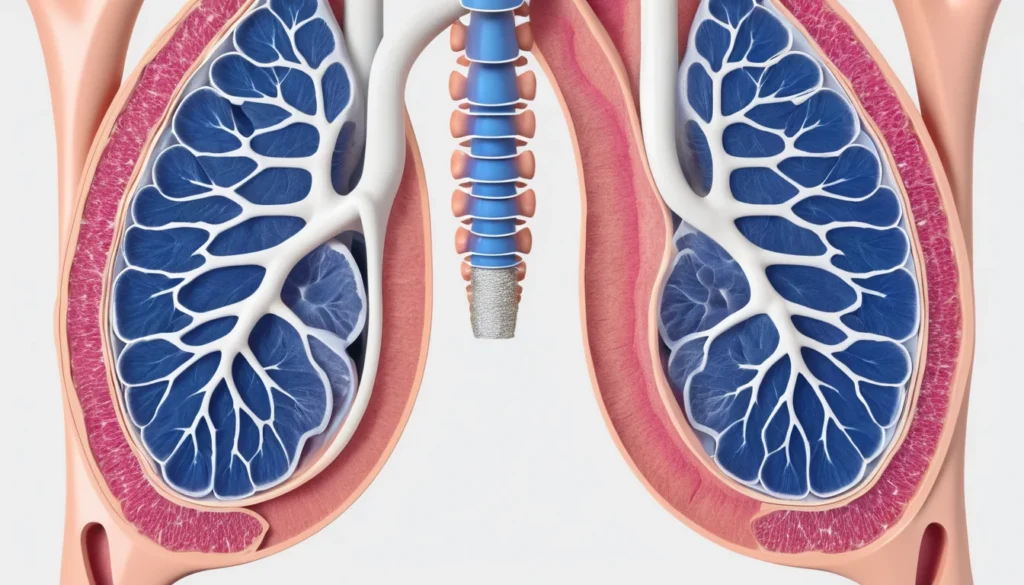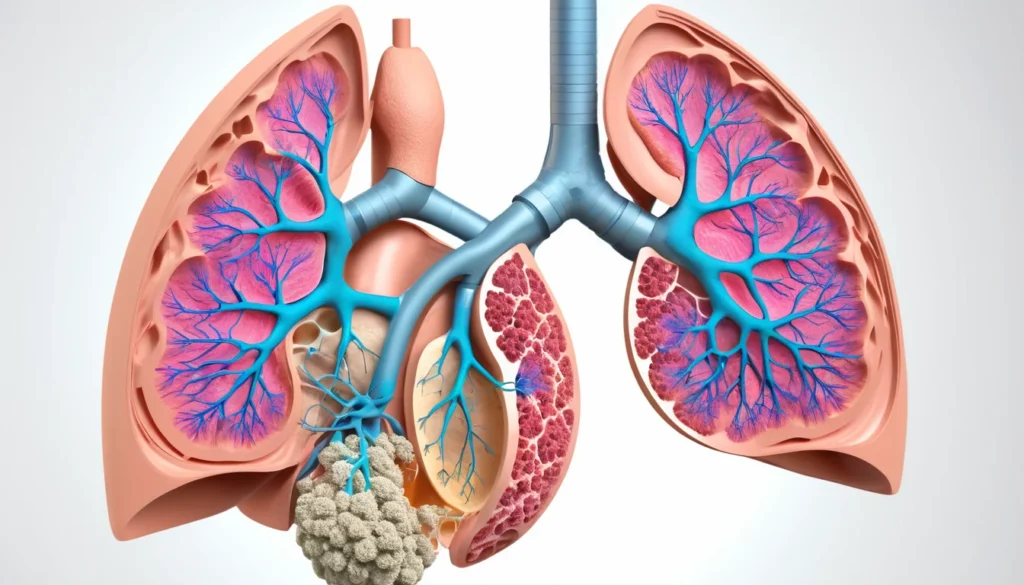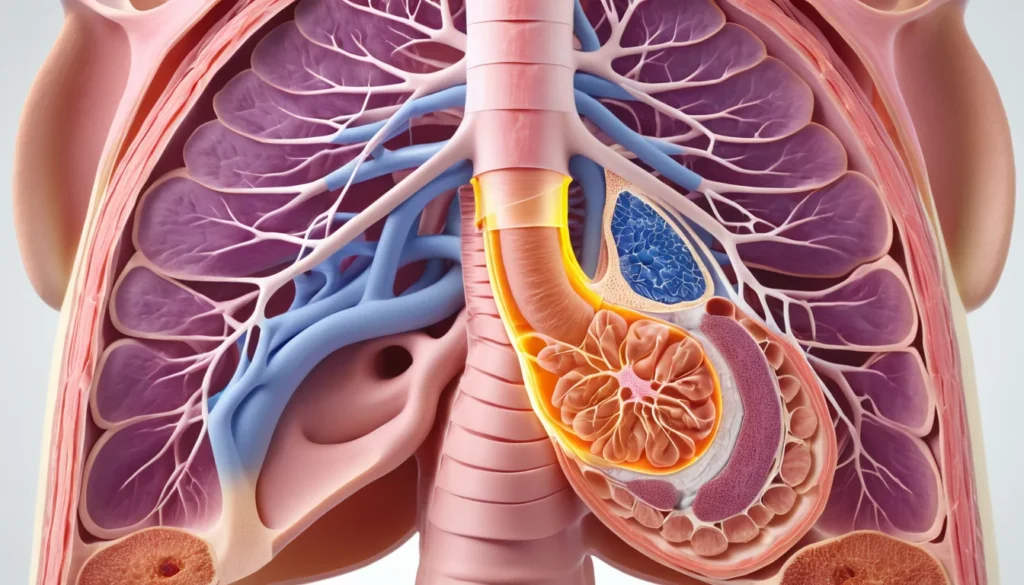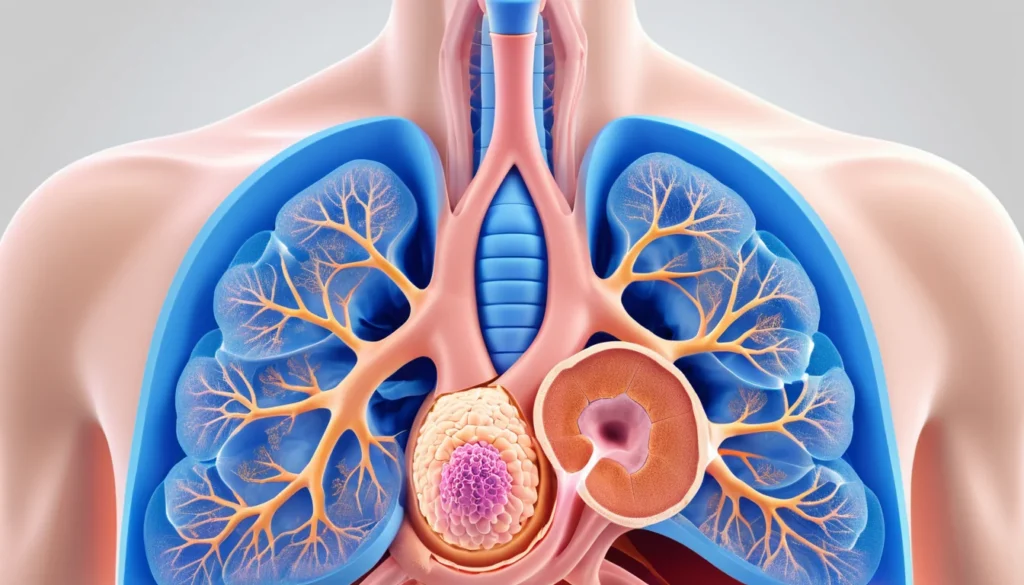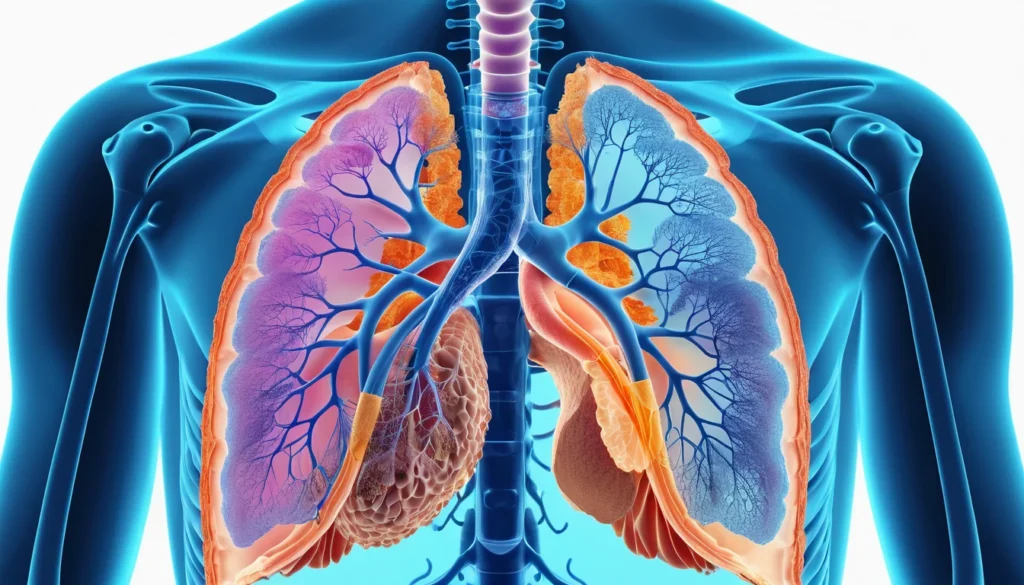
COPD (chronic obstructive pulmonary disease) is a serious lung condition that makes it hard to breathe. It is one of the leading causes of chronic illness in Canada, affecting hundreds of thousands of Canadians. This article explains what COPD is, what causes it, and what you can do to manage it.
What Is COPD?
COPD is a group of long-term lung diseases that block airflow in and out of the lungs. As a result, the lungs cannot move air properly, and breathing becomes difficult. The condition gets worse over time and cannot be fully cured.
COPD most often involves two related conditions: chronic bronchitis and emphysema. Many people with COPD have a combination of both. Together, they make everyday activities — like climbing stairs or walking to the mailbox — feel exhausting.
Chronic Bronchitis
In chronic bronchitis, the airways (called bronchi) become inflamed and swollen. This narrowing makes it harder for air to pass through. The most common sign of chronic bronchitis is a persistent cough that brings up mucus.
Emphysema
In emphysema, the tiny air sacs in the lungs (called alveoli) become damaged. When these air sacs break down, air gets trapped inside the lungs. This causes shortness of breath, which is the main symptom of emphysema.
Symptoms of COPD
COPD symptoms often develop slowly, which is why many people do not notice them at first. By the time symptoms become obvious, some lung damage has already occurred. However, knowing what to look for can help you act sooner.
Common symptoms of COPD include:
A chronic cough that does not go away
Coughing up mucus or phlegm regularly
Shortness of breath, especially during physical activity
Wheezing (a whistling or rattling sound when breathing)
Tightness in the chest
Frequent respiratory infections, such as colds or bronchitis
Feeling tired or low on energy
Symptoms tend to get worse over time. In addition, they can worsen during a cold or flu, and during what doctors call a COPD flare-up (also called an exacerbation).
What Is a COPD Flare-Up?
A flare-up is a sudden worsening of COPD symptoms. Breathing becomes much harder, wheezing may get louder, and coughing increases. Flare-ups can be life-threatening and may require a hospital stay. For this reason, it is very important to have a plan in place with your doctor.
How Doctors Measure COPD Severity
Doctors use a breathing test called spirometry to measure how well your lungs work. During this test, you breathe into a machine that measures the amount of air you can breathe out. The results help your doctor understand how severe your COPD is and choose the right treatment. Spirometry is available through most family doctors and respiratory clinics across Canada.
What Causes COPD?
The single biggest cause of COPD is smoking. Between 80 and 90 percent of people with COPD are current or former smokers. Studies show that at least 10 to 15 percent of all smokers will develop COPD. Furthermore, some research suggests that up to 50 percent of long-term smokers over age 45 may develop the condition.
However, smoking is not the only cause. Other irritants that you breathe in over a long period of time can also lead to COPD. These include:
Second-hand smoke
Air pollution, both outdoors and indoors
Industrial dust and chemical fumes
Long-term exposure to wood smoke or biomass fuel
Pipe and cigar smokers also face a higher risk of COPD compared to non-smokers, even if they do not inhale as deeply as cigarette smokers.
Risk Factors for COPD
Some risk factors for COPD are within your control, while others are not. Understanding both types can help you make informed decisions about your health.
Controllable Risk Factors
Smoking is by far the most important controllable risk factor for COPD. Quitting smoking is the single most effective way to slow the progression of the disease. In fact, no medication can slow COPD as effectively as stopping smoking entirely.
Other controllable risk factors include:
Ongoing exposure to second-hand smoke
Working in environments with dust, fumes, or chemicals without proper protection
Poor indoor air quality, such as from wood-burning stoves
If you smoke and want help quitting, your provincial health plan may cover smoking cessation programmes. Ask your family doctor or pharmacist about what is available in your province.
Non-Controllable Risk Factors
Genetics also play a role in COPD risk. A rare condition called alpha-1 antitrypsin deficiency causes some people to develop emphysema even if they have never smoked. This is an inherited condition, meaning it runs in families.
Age is another factor. COPD is more common in people over 40, and the risk increases with age. In addition, a history of frequent childhood respiratory infections may raise the risk of developing COPD later in life.
How Is COPD Treated?
There is currently no cure for COPD. However, treatment can reduce symptoms, improve quality of life, and slow the disease from getting worse. Your doctor will create a treatment plan based on how severe your COPD is.
Quitting Smoking
If you smoke, quitting is the most important step you can take. It will not reverse damage already done, but it will significantly slow down further damage. Talk to your family doctor about nicotine replacement therapy or prescription medications that can help.
Medications for COPD
Several types of medication help manage COPD symptoms. Your doctor may prescribe one or more of the following:
Bronchodilators: Inhalers that relax the muscles around the airways, making it easier to breathe
Inhaled corticosteroids: Reduce inflammation in the airways and help prevent flare-ups
Combination inhalers: Contain both a bronchodilator and a corticosteroid
Antibiotics: Used during flare-ups caused by bacterial infections
Oral steroids: Sometimes used for short periods during severe flare-ups
Many of these medications are covered under provincial drug benefit programmes for eligible Canadians. Check with your provincial health authority or your family doctor to find out what your coverage includes.
Pulmonary Rehabilitation
Pulmonary rehabilitation is a structured programme that includes breathing exercises, physical activity, and education. It helps people with COPD build endurance and manage their symptoms better. Many hospitals and health centres across Canada offer these programmes. Ask your doctor for a referral.
Lifestyle Changes
Simple changes to your daily routine can make a real difference when living with COPD. These include:
Staying as physically active as your condition allows
Practising breathing exercises, such as pursed-lip breathing
Eating a balanced diet rich in fibre and nutrients
Getting the annual flu shot and staying up to date on pneumonia vaccines
Avoiding air pollutants and cold, dry air when possible
Getting enough rest and managing stress
For more information on managing lung disease in Canada, visit Health Canada’s official health resources.
Oxygen Therapy and Surgery
In more severe cases, your doctor may recommend supplemental oxygen therapy at home. This helps keep your blood oxygen levels safe. In rare cases, surgery may be an option. Procedures such as lung volume reduction surgery or, in very advanced cases, a lung transplant may be considered. These options are discussed carefully between you and your specialist.
For a deeper look at treatment options, the Mayo Clinic’s COPD treatment guide provides detailed information reviewed by medical specialists.
When to See a Doctor
You should speak with your family doctor if you have a cough that has lasted more than three weeks, or if you notice increasing shortness of breath during daily activities. Early diagnosis gives you more treatment options and a better chance of slowing the disease.
If you do not have a family doctor, a walk-in clinic can assess your symptoms and refer you for breathing tests. Most provinces also have respiratory health nurses available through telephone health lines, such as Health811 (formerly Telehealth Ontario) or similar services in your province.
Seek emergency care immediately if you experience sudden severe shortness of breath, bluish lips or fingertips, or confusion. These can be signs of a serious COPD flare-up that needs urgent treatment.
According to the World Health Organization’s COPD fact sheet, early diagnosis and proper management are key to reducing the burden of this disease worldwide.
Always speak with a qualified healthcare provider before starting or changing any treatment plan. This article is for informational purposes only and does not replace professional medical advice.
Frequently Asked Questions About COPD
What is COPD and what does it stand for?
COPD stands for chronic obstructive pulmonary disease. It is a group of long-term lung diseases, most commonly chronic bronchitis and emphysema, that make it difficult to breathe. COPD is progressive, meaning it gets worse over time, but it can be managed with the right treatment.
Can you get COPD if you have never smoked?
Yes, it is possible to develop COPD without ever smoking. Long-term exposure to second-hand smoke, air pollution, industrial dust, and chemical fumes can also cause the disease. A rare genetic condition called alpha-1 antitrypsin deficiency can also lead to COPD, even in non-smokers.
What are the early signs of COPD?
Early signs of COPD include a persistent cough, regularly coughing up mucus, and mild shortness of breath during physical activity. Many people mistake these early symptoms for a normal part of aging or a smoker’s cough. If you notice these signs, talk to your family doctor about a spirometry test.
Is COPD the same as asthma?
No, COPD and asthma are different conditions, although they share some symptoms like wheezing and shortness of breath. Asthma is usually diagnosed in childhood and its airway narrowing is often reversible. COPD primarily affects older adults, is usually caused by smoking, and causes permanent airway damage that does not fully reverse.
How is COPD diagnosed in Canada?
COPD is diagnosed using a breathing test called spirometry, which measures how much air you can breathe out and how fast. Your family doctor or a respiratory specialist can arrange this test. In Canada, spirometry is available through most provincial health plans and does not typically require a specialist referral to get started.
Can COPD be reversed or cured?
Currently, there is no cure for COPD and the lung damage it causes cannot be fully reversed. However, quitting smoking is the most effective way to slow its progression significantly. With proper medication, pulmonary rehabilitation, and lifestyle changes, many Canadians with COPD live active and fulfilling lives.
Key Takeaways
COPD is a serious, long-term lung disease that makes breathing increasingly difficult.
It most often involves chronic bronchitis and emphysema, and many people have both.
Smoking is the number one cause, responsible for 80 to 90 percent of all COPD cases.
Other causes include second-hand smoke, air pollution, and workplace chemical exposure.
COPD cannot be cured, but quitting smoking is the single best way to slow its progression.
Treatment options include inhalers, pulmonary rehabilitation, and lifestyle changes.
Many COPD treatments and smoking cessation programmes are covered under provincial health plans.
If you have a lasting cough or shortness of breath, see your family doctor or walk-in clinic as soon as possible.
In a breathing emergency, call 911 or go to your nearest emergency department right away.