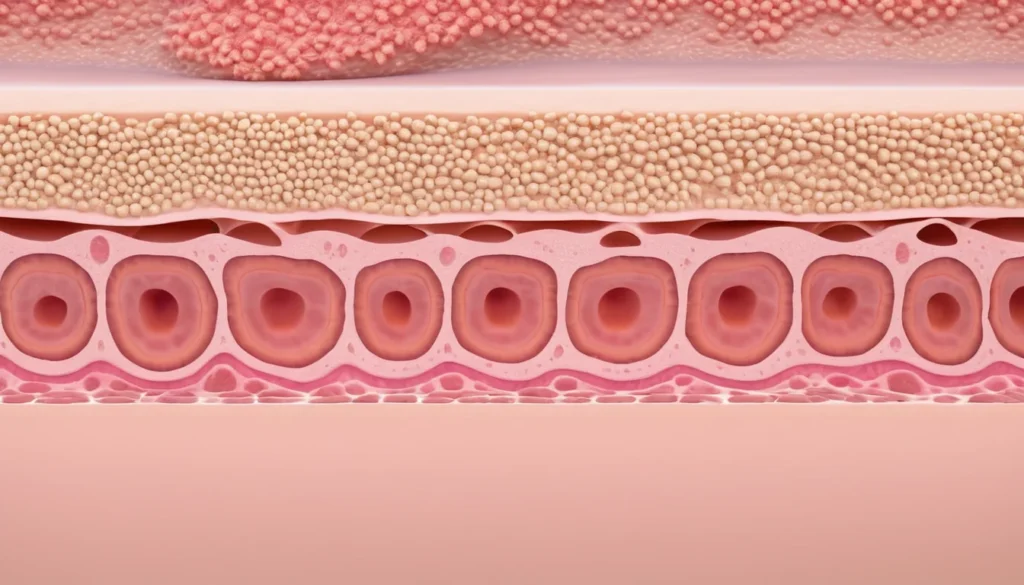
Contact dermatitis is a skin condition that causes redness, itching, and irritation when your skin touches a substance that triggers a reaction. It is one of the most common skin complaints seen by family doctors and walk-in clinics across Canada. The good news is that contact dermatitis is not contagious and does not lead to serious illness. With the right care and a few lifestyle changes, most people manage it well.
What Is Contact Dermatitis?
Contact dermatitis is an inflammation of the skin caused by direct contact with an irritating substance. It can affect people of all ages and both sexes, however it appears more often in women than in men. The skin on the hands, feet, and groin area tends to be affected most frequently.
There are two main types. The first is irritant contact dermatitis, which happens when a substance directly damages the outer layer of your skin. The second is allergic contact dermatitis, which occurs when your immune system reacts to a specific substance. Both types produce similar symptoms and respond to similar treatments. For a deeper overview, visit Mayo Clinic’s guide to contact dermatitis.
Common Symptoms of Contact Dermatitis
Symptoms can range from mild to severe. Knowing what to look for helps you act quickly and prevent the condition from getting worse.
Common signs of contact dermatitis include:
Itching (pruritis) — often the first and most noticeable symptom
Mild redness of the affected skin area
Dry, cracked, or flaking skin that may feel tight or rough
Small blisters or raised bumps that may weep or ooze in more serious cases
Deep redness and moist patches on the skin in severe reactions
In most cases, symptoms appear only where the skin touched the irritating substance. Therefore, the location of the rash often gives a strong clue about the cause. For example, a rash on the wrist may point to a metal watch buckle, while a rash on the hands may suggest frequent contact with cleaning products.
Causes and Risk Factors of Contact Dermatitis
Common Causes
Contact dermatitis develops when a substance strips away the skin’s natural protective layer. This causes the skin to lose moisture and the surface cells to shrink and break down. Hot water and household detergents are the most frequent culprits in Canadian homes.
Other common causes include:
Jewellery made from nickel or other metals
Belt buckles and metal fasteners
Acids and industrial solvents
Soaps, shampoos, and personal care products
Latex gloves
Cleaning products and household chemicals
Paint, paint thinner, and turpentine
Polishes for floors, shoes, cars, or furniture
Who Is at Higher Risk?
Some people face a greater chance of developing contact dermatitis due to their daily habits or work environment. Risk factors include regular exposure to hot water, frequent handwashing, and working with chemical irritants. Healthcare workers, hairdressers, cleaning staff, and tradespeople are among the most commonly affected groups in Canada.
In addition, people with a history of eczema or sensitive skin may react more strongly to everyday substances. Sunburns and heat-related skin damage can also make the skin more vulnerable to irritation. According to Health Canada, protecting your skin from environmental stressors is an important part of overall skin health.
How Is Contact Dermatitis Diagnosed?
A diagnosis of contact dermatitis usually starts with you. You notice the symptoms and connect them to a possible irritant. From there, your family doctor or a dermatologist takes a full medical history and performs a physical examination of the affected area.
In some cases, a dermatologist may recommend a patch test. This test applies small amounts of common irritants to your skin to find out exactly which substance is causing the reaction. However, for most straightforward cases, a physical exam and a conversation about your daily habits are enough to make a clear diagnosis.
You do not always need a specialist referral right away. Your family doctor or a walk-in clinic can assess mild to moderate cases and start you on a treatment plan covered under your provincial health plan.
Treatment Options for Contact Dermatitis
Home Care and Self-Management
The most important step in treating contact dermatitis is identifying and avoiding the substance that triggered it. Once you remove the irritant, many cases improve on their own within one to two weeks. However, consistent home care speeds up the healing process significantly.
Here are practical steps you can take at home:
Use bath oils instead of regular soap to cleanse irritated skin gently.
Pat your skin dry with a towel rather than rubbing it.
Lower the water temperature when bathing or washing — lukewarm is best.
Apply doctor-recommended creams, lotions, or ointments only. Other commercial products may make the irritation worse.
Apply hand cream or ointment six to seven times per day on your hands, and at least twice daily on other body areas, especially after bathing.
Wear vinyl gloves when handling irritants such as water, soap, detergents, cleaning powders, paints, thinners, or polishes.
Always keep the inside of your gloves dry. Replace gloves immediately if they develop a hole.
Wear vinyl gloves when peeling or squeezing citrus fruits, tomatoes, or potatoes.
Use leather or rubber gloves for gardening and heavy household work.
Use a dishwasher instead of washing dishes by hand whenever possible.
Remove rings before washing your hands or doing household chores.
Medical Treatments
When home care is not enough, your doctor may recommend medicated products to reduce inflammation and restore moisture to your skin. These are typically applied directly to the affected area.
Treatment options your doctor may suggest include:
Topical corticosteroid creams or ointments to reduce swelling and redness
Emollient creams and moisturising lotions to lock in skin hydration
Antihistamines to help manage itching, especially at night
Oral corticosteroids for severe reactions, prescribed by a doctor
Always use only the products your doctor recommends. Furthermore, do not stop treatment early just because the skin looks better. Finishing the full course helps prevent the rash from coming back quickly. Learn more about treatment approaches at Healthline’s contact dermatitis resource.
When to See a Doctor
Most mild cases of contact dermatitis respond well to home care. However, certain signs mean you should see a healthcare provider without delay. Visit your family doctor, a walk-in clinic, or a dermatologist if you notice any of the following:
You develop a fever alongside your skin symptoms.
The affected area shows signs of infection such as swelling, warmth, increased redness, or tenderness.
Your symptoms do not improve within one week of starting home treatment.
The rash is spreading to new areas of your body.
The itching is severe and disrupts your sleep or daily activities.
In Canada, you can book an appointment through your provincial health plan with a family doctor for non-urgent cases. If you do not have a family doctor, most walk-in clinics can assess and treat contact dermatitis effectively. As always, please speak with a qualified healthcare professional before starting any new treatment for your skin.
Outlook and Prevention
Contact dermatitis is a manageable condition. Symptoms usually improve with proper treatment and by avoiding the irritating substance. However, because the triggers are often part of everyday life, flare-ups can return. Some people need ongoing treatment for several years to keep symptoms under control.
In severe or long-term cases, complications can include painful, cracked skin and, in rare cases, changes to the appearance of the hands due to repeated damage. As a result, early and consistent treatment makes a real difference in the long run.
You can return to your normal daily activities gradually as your skin heals. No special diet is required. Since contact dermatitis is not contagious, there is no risk of passing it to family members or coworkers. The key to prevention is simple: protect your skin from known irritants and keep it well moisturised every day.
Frequently Asked Questions About Contact Dermatitis
What does contact dermatitis look like?
Contact dermatitis typically appears as a red, itchy rash on the area of skin that touched the irritant. The skin may look dry, cracked, or swollen, and in more serious cases small blisters may form. The rash is usually limited to the area of direct contact, which helps distinguish it from other skin conditions.
How long does contact dermatitis last?
Mild contact dermatitis usually clears up within one to two weeks once you stop touching the irritant and begin proper skin care. More severe or repeated cases may take longer to heal and can recur if the irritant is not avoided. Your doctor can recommend treatments to speed up recovery.
Is contact dermatitis contagious?
No, contact dermatitis is not contagious. You cannot spread it to another person through touch, sharing items, or close contact. It is a localised skin reaction caused by exposure to an irritating or allergenic substance, not by a virus or bacteria.
What is the best treatment for contact dermatitis?
The most effective treatment for contact dermatitis starts with identifying and avoiding the substance causing the reaction. Your doctor may also recommend topical corticosteroid creams, moisturising ointments, or antihistamines to relieve symptoms. Always consult your family doctor or a dermatologist before starting any new skin treatment.
Can contact dermatitis be caused by water?
Yes, frequent exposure to hot water is one of the most common triggers of contact dermatitis, especially on the hands. Hot water strips the skin of its natural oils and protective barrier, leaving it dry and vulnerable to irritation. Switching to lukewarm water and wearing protective gloves can help reduce flare-ups significantly.
Should I see a doctor or a dermatologist for contact dermatitis?
For mild cases of contact dermatitis, a visit to your family doctor or a local walk-in clinic is usually sufficient and is covered under most provincial health plans in Canada. If your symptoms are severe, persistent, or keep coming back, ask for a referral to a dermatologist for more specialised care and patch testing.
Key Takeaways
Contact dermatitis is a common skin inflammation caused by contact with an irritating substance.
It is not contagious and does not carry any risk of becoming a serious illness.
The most common triggers include hot water, detergents, soaps, metals, and cleaning chemicals.
Symptoms include itching, redness, dry or cracked skin, and in severe cases, blistering and moist patches.
Home care — such as avoiding irritants, moisturising frequently, and wearing protective gloves — is the foundation of treatment.
Your family doctor or walk-in clinic can diagnose and treat most cases under your provincial health plan.
See a doctor right away if you develop a fever, signs of infection, or if symptoms do not improve within one week.
With proper care, symptoms can be controlled, though ongoing management may be needed for recurrent cases.