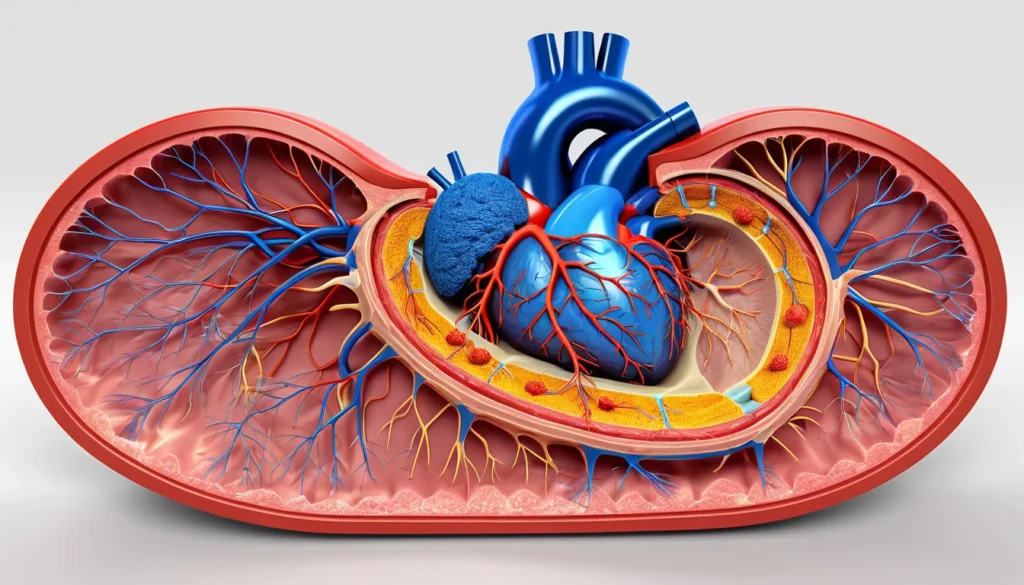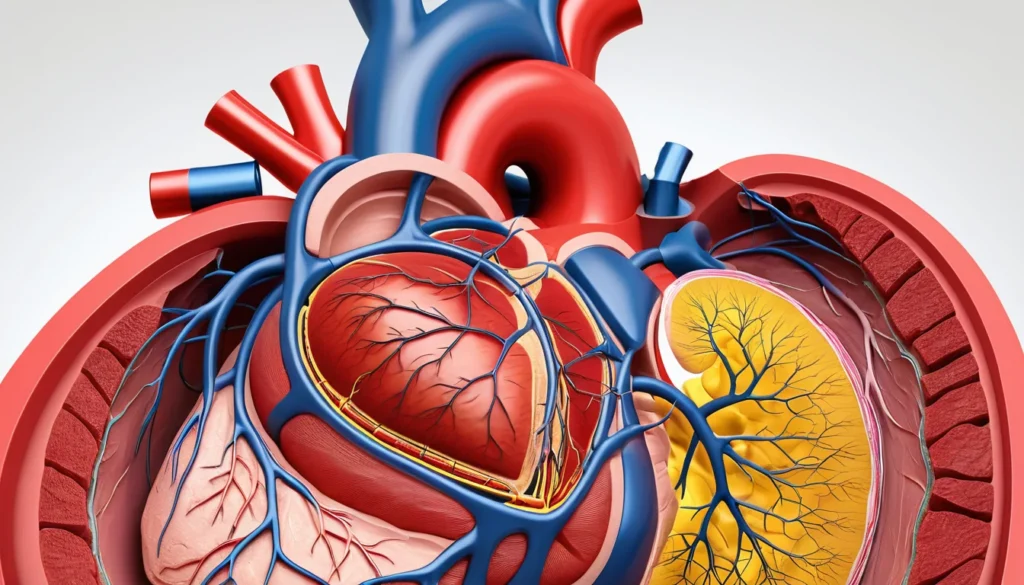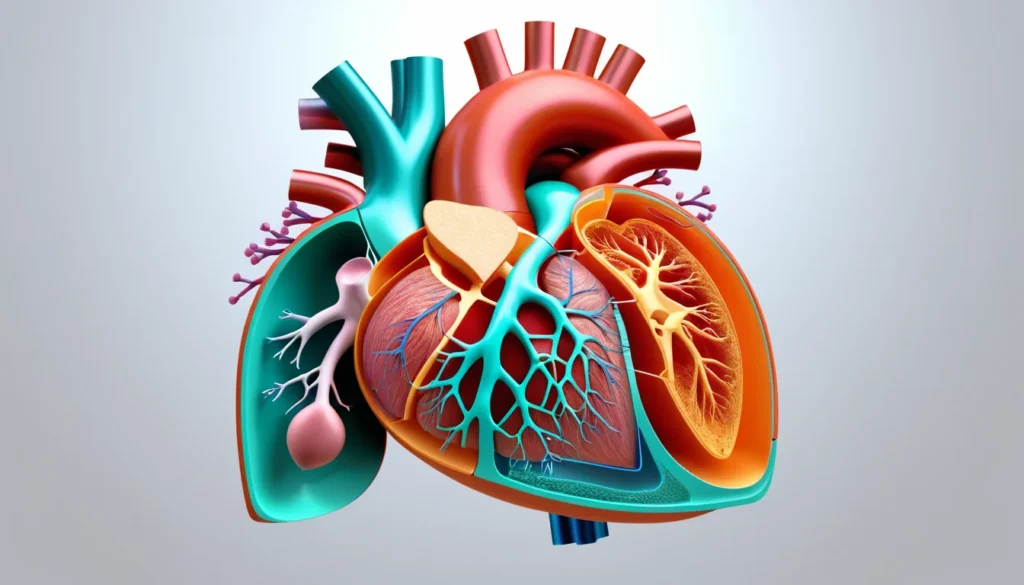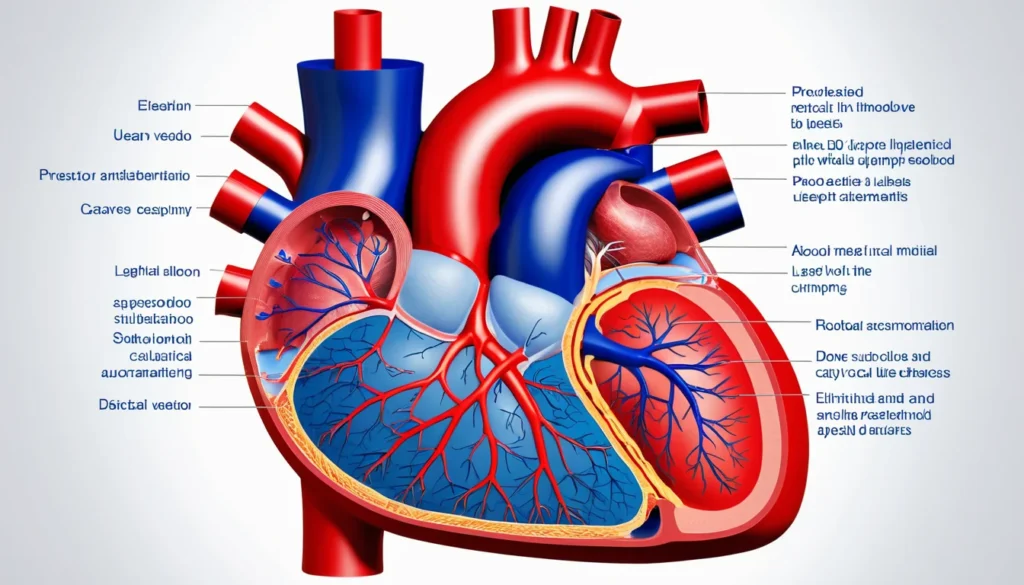
Congestive heart failure is a serious, chronic condition where the heart can no longer pump enough blood to meet the body’s needs. As a result, fluid builds up in the lungs, legs, and other organs. It affects hundreds of thousands of Canadians and can be life-threatening without proper treatment. This article explains what congestive heart failure is, what causes it, how it is diagnosed, and what you can do to manage it.
What Is Congestive Heart Failure?
Your heart has four chambers. The upper two are called the atria, and the lower two are called the ventricles. The ventricles do the heavy lifting — they pump blood out to your organs and tissues.
Congestive heart failure develops when the ventricles can no longer pump enough blood through the body. Because blood flow slows down, fluid backs up and collects in places it shouldn’t — your lungs, liver, abdomen, and legs. This is where the word “congestive” comes from.
This condition is progressive, meaning it tends to worsen over time. However, with the right treatment plan, many Canadians live active, fulfilling lives after a diagnosis.
Types of Congestive Heart Failure
There are different types of congestive heart failure, depending on which side of the heart is affected. Understanding the type helps your doctor choose the best treatment.
Left-Sided Heart Failure
This is the most common type. It happens when the left ventricle cannot pump blood out to the body properly. As a result, fluid backs up into the lungs, making it hard to breathe. There are two forms of left-sided heart failure:
Systolic heart failure: The left ventricle cannot contract with enough force to push blood out efficiently.
Diastolic heart failure: The left ventricle becomes stiff and cannot relax properly, so it cannot fill with enough blood between beats.
Right-Sided Heart Failure
Right-sided heart failure occurs when the right ventricle struggles to pump blood to the lungs. As a result, fluid builds up in the legs, ankles, abdomen, and other organs. In many cases, right-sided heart failure develops because of untreated left-sided heart failure.
It is possible — and fairly common — for both sides of the heart to be affected at the same time. Heart failure often begins on the left side and, if left untreated, spreads to affect the right side as well.
Stages of Congestive Heart Failure
The Mayo Clinic and the New York Heart Association (NYHA) classify heart failure into four classes based on symptoms and physical activity. Your doctor may use this system to guide your treatment plan.
Class I: No symptoms during normal physical activity. Heart failure at this stage is often manageable with healthy lifestyle changes, medication, and regular check-ups.
Class II: No symptoms at rest, but normal activities such as climbing stairs or walking quickly may cause fatigue, shortness of breath, or a racing heartbeat.
Class III: Physical activity is noticeably limited. Even light tasks — like getting dressed or making a meal — can trigger symptoms.
Class IV: Symptoms appear even at rest. Any physical activity becomes very difficult. This is the most severe stage.
Early diagnosis matters enormously. Catching congestive heart failure at Class I or Class II gives you and your healthcare team the best chance of slowing its progression.
Causes of Congestive Heart Failure
Congestive heart failure is usually caused by another health condition that damages or weakens the heart over time. According to Health Canada, heart disease is one of the leading causes of death in the country. Understanding the root causes can help Canadians take steps to protect their heart health.
High Blood Pressure (Hypertension)
When your blood pressure stays too high for too long, your heart has to work harder than it should. Over time, this extra strain weakens the heart muscle. High blood pressure is one of the most common and preventable causes of congestive heart failure.
Coronary Artery Disease
Cholesterol and fatty deposits can build up inside the arteries that supply blood to the heart. This narrows the arteries and reduces blood flow. As a result, the heart muscle can become damaged or starved of oxygen, which weakens its pumping ability.
Heart Valve Disease
Your heart valves open and close with each heartbeat to keep blood flowing in the right direction. When a valve does not open or close properly, the heart has to work much harder to compensate. Valve problems can result from infections, aging, or congenital defects present from birth.
Other Contributing Causes
Several other conditions can also lead to congestive heart failure. These include:
Type 2 diabetes
Thyroid disorders (both overactive and underactive thyroid)
Obesity
Severe infections or sepsis
Certain medications or alcohol use over time
Severe allergic reactions
For this reason, annual heart health check-ups are strongly recommended — especially if you have any of these risk factors. Talk to your family doctor about how often you should be screened.
Symptoms of Congestive Heart Failure
Symptoms of congestive heart failure can start out mild and gradually become more severe. In some people, symptoms appear suddenly. It is important to know what to watch for so you can act quickly.
Common symptoms in adults include:
Unusual fatigue or weakness, even after rest
Swelling in the legs, ankles, or feet (oedema)
Unexplained weight gain from fluid retention
Needing to urinate frequently, especially at night
Irregular or rapid heartbeat (palpitations)
A persistent cough, sometimes with pink or white mucus
Wheezing or difficulty breathing when lying flat
Shortness of breath, especially during activity or when lying down
Chest pain or tightness
Bluish tint to the lips or fingertips (cyanosis), caused by low oxygen levels
Dizziness or fainting
Symptoms in Babies and Children
Congestive heart failure can be harder to spot in infants and young children. Parents and caregivers should watch for these signs:
Poor appetite or difficulty feeding
Excessive sweating, especially during feeding
Rapid or laboured breathing
Unexplained changes in blood pressure
These symptoms can easily be mistaken for colic or a respiratory infection. Furthermore, if your child shows any of these signs, speak with your family doctor or visit a walk-in clinic promptly.
How Is Congestive Heart Failure Diagnosed?
A cardiologist or your family doctor will begin with a physical exam. Using a stethoscope, they will listen to your heart for irregular rhythms or unusual sounds. They will also ask about your personal and family health history.
In addition, your doctor will likely recommend one or more diagnostic tests. Common tests include:
Electrocardiogram (ECG)
An ECG records the electrical activity of your heart. It can detect irregular rhythms such as tachycardia or arrhythmia. Abnormal results may indicate that the walls of the heart chambers have thickened — a possible warning sign of heart failure or a previous heart attack.
Echocardiogram
This test uses sound waves to create a moving image of your heart. It shows how well the heart muscle contracts and whether there is reduced blood flow or any structural damage. An echocardiogram is one of the most useful tools for diagnosing congestive heart failure.
MRI (Magnetic Resonance Imaging)
A cardiac MRI gives your doctor detailed images of the heart’s structure and function. It is particularly helpful for identifying damage to the heart muscle that other tests might miss.
Blood Tests and Other Investigations
Your doctor may also order blood tests to check for markers of heart stress, kidney function, and thyroid levels. A chest X-ray can show whether the heart is enlarged or if fluid is present in the lungs. All of these results together give your care team a complete picture. According to the World Health Organization, early and accurate diagnosis is key to improving outcomes for heart failure patients worldwide.
Treatment Options for Congestive Heart Failure
There is no cure for congestive heart failure, but treatment can significantly improve quality of life and slow the disease’s progression. Treatment is tailored to the type and stage of heart failure, as well as your overall health.
Medications
Several types of medication are commonly used to manage congestive heart failure. These may include:
ACE inhibitors or ARBs: Help relax blood vessels and reduce the heart’s workload.
Beta-blockers: Slow the heart rate and lower blood pressure.
Diuretics: Help the kidneys remove excess fluid, reducing swelling and easing breathing.
Aldosterone antagonists: Help prevent fluid buildup and reduce strain on the heart.
Your doctor will decide which combination of medications is right for you. Never stop or change your heart medications without speaking to your healthcare provider first.
Lifestyle Changes
Lifestyle adjustments play a major role in managing congestive heart failure. Your care team may recommend:
Reducing salt (sodium) intake to prevent fluid retention
Monitoring your weight daily to catch sudden fluid gains early
Limiting alcohol consumption
Quitting smoking
Gentle, regular physical activity as advised by your doctor
Following a heart-healthy diet rich in vegetables, fruits, whole grains, and fibre
Medical Devices and Surgery
In more advanced cases, medical devices or surgical procedures may be needed. These can include pacemakers, implantable defibrillators, or in severe cases, a heart transplant. Your cardiologist will discuss whether any of these options are appropriate for your situation.
When to See a Doctor
If you notice any symptoms of congestive heart failure — such as unexplained swelling, persistent shortness of breath, or unusual fatigue — do not wait. Contact your family doctor as soon as possible. If you do not have a family doctor, most provincial health plans cover visits to a walk-in clinic for concerns like these.
Call 911 or go to your nearest emergency department immediately if you experience sudden chest pain, severe difficulty breathing, fainting, or lips and fingernails turning blue. These are signs of a medical emergency.
Regular annual check-ups with your family doctor are the best way to catch heart problems early — before symptoms become serious. If you have risk factors like high blood pressure, diabetes, or a family history of heart disease, ask about more frequent cardiovascular screening.
Frequently Asked Questions About Congestive Heart Failure
What is the life expectancy with congestive heart failure?
Life expectancy with congestive heart failure varies widely depending on the stage, cause, and how well it is managed. Many people live for years or even decades after diagnosis with proper treatment and lifestyle changes. Early detection and a good relationship with your healthcare team make a significant difference.
What are the first signs of congestive heart failure?
The earliest signs of congestive heart failure often include unusual fatigue, mild swelling in the ankles or feet, and slight shortness of breath during physical activity. These symptoms can be easy to dismiss, but they are worth discussing with your family doctor — especially if they are new or getting worse.
Can congestive heart failure be reversed?
In most cases, congestive heart failure cannot be fully reversed, but it can be effectively managed. However, if heart failure was caused by a treatable condition — such as a correctable valve problem or thyroid disorder — treating that underlying cause can sometimes improve heart function significantly. Your doctor can advise you on what is possible in your specific situation.
Is congestive heart failure the same as a heart attack?
No, congestive heart failure and a heart attack are different conditions. A heart attack happens when blood flow to part of the heart is suddenly blocked, causing heart muscle to die. Congestive heart failure is a chronic condition where the heart gradually loses its ability to pump blood effectively — though a heart attack can be one of the causes of heart failure.
Does congestive heart failure qualify for coverage under provincial health plans in Canada?
Yes, diagnosis, hospital care, and many treatments for congestive heart failure are covered under provincial and territorial health plans across Canada. However, coverage for some medications and home care programmes may vary by province. Check with your provincial health authority or speak with your family doctor about what is available to you.
What foods should you avoid with congestive heart failure?
People with congestive heart failure are generally advised to limit foods high in sodium (salt), as excess salt causes the body to retain fluid and puts added strain on the heart. Processed foods, canned soups, fast food, and salty snacks are common culprits. Your doctor or a registered dietitian can help you build a heart-healthy eating plan suited to your needs.
Key