Congenital lobar emphysema is a rare lung condition that affects newborns and young infants. It happens when air becomes trapped in one or more lobes of the lung due to an abnormal airway structure. This can make breathing very difficult and requires prompt medical attention. In this article, we explain what congenital lobar emphysema is, what causes it, how it is diagnosed, and what treatment options are available for Canadian families.
What Is Congenital Lobar Emphysema?
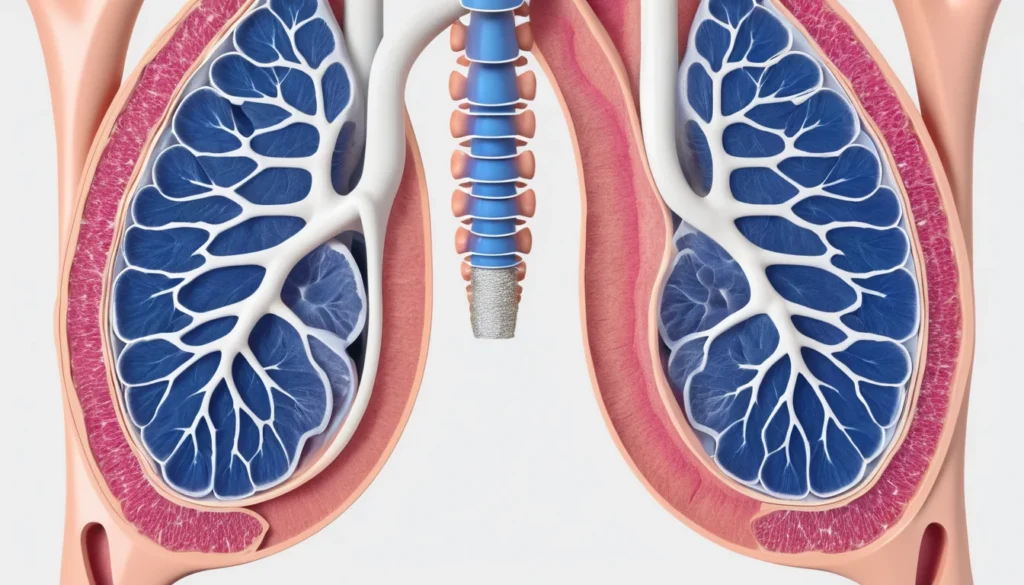
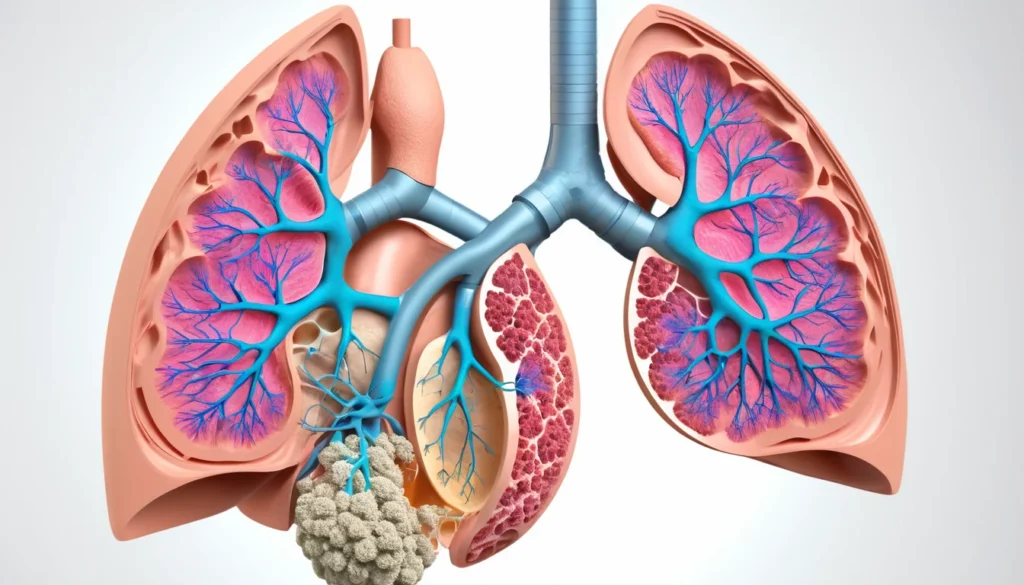
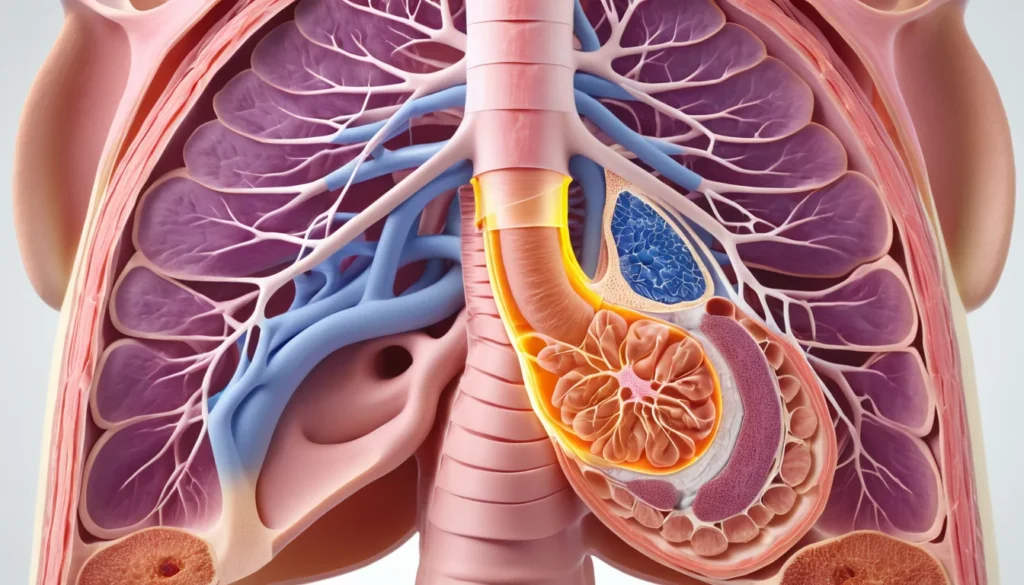
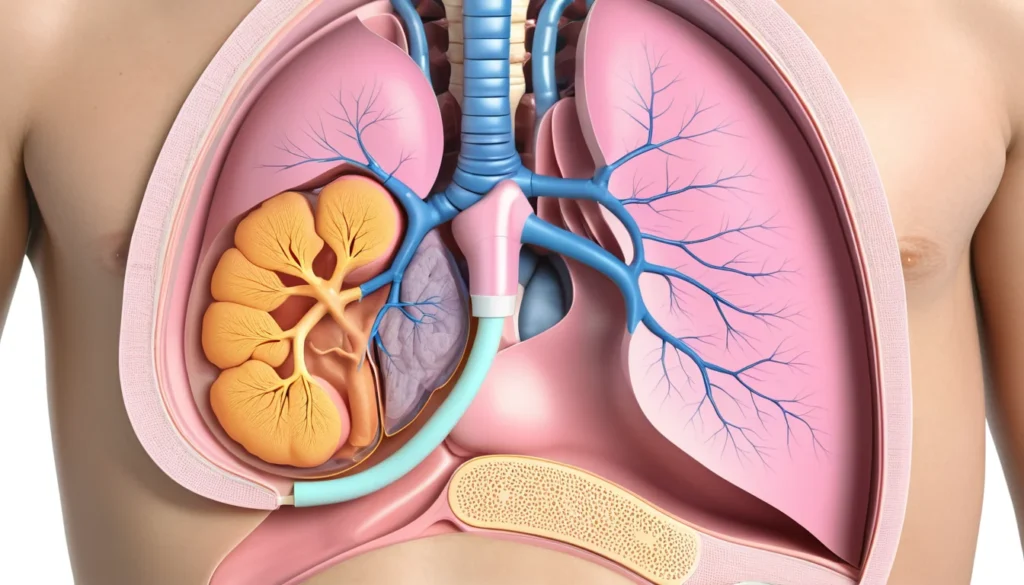
Congenital lobar emphysema occurs when one or more lobes of a baby’s lung become over-inflated. Air enters the lung lobe but cannot escape properly. This causes the lobe to expand too much, putting pressure on nearby lung tissue and making it harder for the baby to breathe.
The condition is present from birth, which is what “congenital” means. However, symptoms do not always appear right away. In some cases, symptoms may not show up until adulthood, which can make the condition harder to identify.
According to Mayo Clinic, rare congenital lung conditions like this one affect lung development before or shortly after birth, and early diagnosis is key to the best outcome.
What Causes Congenital Lobar Emphysema?
Doctors do not always know the exact cause of congenital lobar emphysema. In fact, about 50% of cases have no clearly identified cause. This can make the condition frustrating for families seeking answers.
Airway and Cartilage Problems
In some babies, the cartilage that supports the bronchi — the main airways leading to the lungs — does not form properly. When this cartilage is weak or missing, the airway can collapse during breathing. As a result, air gets trapped inside the lung lobe and cannot flow back out.
This poor cartilage development can also affect how the lungs grow overall. The lungs may develop unevenly or incompletely, making the problem worse over time.
Other Possible Causes
There are other factors that may contribute to this condition. These include:
Diseases affecting the lung tissue itself (known as parenchymal lung disease)
Blockages inside the airways
External pressure on the airways from nearby structures
Possible genetic links, though research is still ongoing
Because the causes are not always clear, some researchers believe genetics may play a role in certain families. If you have concerns about your child’s lung health, speaking with your family doctor is always a good first step.
Signs and Symptoms to Watch For
About 50% of babies with congenital lobar emphysema show symptoms at birth or within the first six months of life. However, some children and adults are diagnosed much later. Recognising the signs early can lead to faster treatment.
Breathing Difficulties
One of the most common signs is difficulty breathing. You may notice your baby breathing very fast or working hard to take each breath. Wheezing — a whistling sound when breathing — is also common.
Another sign is called chest retractions. This is when the skin between or above the ribs pulls inward with each breath. It is a sign that the baby is struggling to get enough air.
Skin Colour Changes
A lack of oxygen can cause a bluish or grey tint to the skin, lips, or fingernails. This is called cyanosis. It is a serious sign that the body is not getting enough oxygen and needs immediate medical attention.
If you notice a bluish colour on your baby’s skin or lips, call 911 or go to your nearest emergency department right away.
Other Common Symptoms
In addition to breathing problems and skin colour changes, babies with congenital lobar emphysema may also experience:
Frequent respiratory infections
A persistent or chronic cough
Difficulty feeding or gaining weight
Unusual tiredness or low energy
These symptoms can overlap with other conditions, such as asthma, pneumonia, or respiratory distress syndrome. Therefore, a proper diagnosis from a medical professional is essential.
How Is Congenital Lobar Emphysema Diagnosed?
Congenital lobar emphysema is very rare. It affects approximately 1 in every 20,000 to 30,000 births. Because it is so uncommon, getting the right diagnosis can take time and effort. Doctors typically diagnose the condition within the first six months of a baby’s life.
Physical Examination
A doctor will begin with a physical exam. Using a stethoscope and percussion — tapping on the chest — they may notice an unusual hollow sound over the affected lung lobe. This suggests that part of the lung is blocking normal breathing sounds.
Imaging Tests
Imaging is a key part of diagnosing congenital lobar emphysema. Doctors use several types of imaging to get a clearer picture:
CT scan (computed tomography): This is considered the most accurate imaging method for diagnosing this condition. It gives a detailed view of the lung structure.
MRI (magnetic resonance imaging): This is especially useful in infants. It can show detailed images of the lungs without using radiation. MRI can also be used before birth to get a clearer look at fetal lung development.
Chest X-ray: An X-ray may show over-inflated lung lobes, but it cannot confirm the diagnosis on its own.
It is worth noting that a standard ultrasound during pregnancy cannot diagnose congenital lobar emphysema. However, in some cases, an ultrasound may show unusual areas in the lungs, which can prompt further investigation with an MRI.
Ruling Out Other Conditions
Before confirming a diagnosis, doctors must rule out other conditions that look similar. These include pneumothorax (air outside the lung), congenital diaphragmatic hernia, pulmonary hypoplasia, and pneumatocele. This process is called differential diagnosis and is an important part of making sure your child gets the right treatment plan.
For more information on how rare lung conditions are investigated, Health Canada provides resources on navigating the Canadian healthcare system for complex diagnoses.
Treatment Options for Congenital Lobar Emphysema
Once a doctor confirms the diagnosis, treatment will depend on how severe the condition is. Mild cases are managed very differently from severe ones. Your child’s care team will tailor the treatment plan to their specific needs.
Conservative (Non-Surgical) Treatment
For mild to moderate cases of congenital lobar emphysema, doctors may recommend non-surgical treatments. These include:
Oxygen therapy: Providing extra oxygen helps the baby breathe more comfortably and keeps oxygen levels stable.
Bronchodilators: These are medications that help open the airways, making it easier for air to flow in and out of the lungs.
Close monitoring and regular follow-up appointments with a specialist
In some milder cases, the condition may improve on its own as the child grows. However, regular check-ups are still important to track progress.
Surgical Treatment
For severe cases of congenital lobar emphysema, surgery is often necessary. The most common procedure is called a lobectomy. This involves removing the affected lung lobe that is causing the problem.
A lobectomy generally produces good outcomes in severe cases. After surgery, the remaining healthy lung tissue can expand and take over normal function. Most children recover well and go on to lead healthy lives.
In very severe cases, the over-inflated lobe can put strain on the heart and affect the cardiovascular system. Even in these more complex situations, treatment can help manage both the breathing and heart-related problems. Healthline’s overview of congenital lung conditions offers further reading on surgical outcomes for rare lung conditions in children.
When to See a Doctor
If your baby is showing any signs of breathing difficulty, do not wait. Breathing problems in newborns and infants are always a reason to seek medical care promptly.
For non-emergency concerns — such as a persistent cough, feeding difficulties, or frequent chest infections — start by contacting your family doctor. If you do not have a family doctor, a walk-in clinic can assess your child and refer you to a specialist if needed. In Canada, provincial health plans cover most diagnostic tests and specialist visits when referred by a primary care provider.
If your baby’s skin turns blue or grey, breathing becomes very laboured, or your child is unresponsive, call 911 immediately or go to your nearest emergency department. These are signs of a medical emergency.
Always consult a qualified healthcare professional before drawing conclusions about your child’s health. This article is for informational purposes only and is not a substitute for professional medical advice.
Frequently Asked Questions About Congenital Lobar Emphysema
What is congenital lobar emphysema in simple terms?
Congenital lobar emphysema is a rare lung condition where one or more lobes of a baby’s lung become over-inflated because air gets trapped inside. It is present from birth and is caused by an abnormal airway structure. The condition can range from mild to severe and requires medical evaluation.
How common is congenital lobar emphysema in Canada?
Congenital lobar emphysema is very rare, occurring in approximately 1 in every 20,000 to 30,000 births. Because it is so uncommon, it can be difficult to diagnose quickly. Families in Canada can access specialist paediatric care through referrals from their family doctor or walk-in clinic.
Can congenital lobar emphysema be detected before birth?
A routine ultrasound during pregnancy cannot diagnose congenital lobar emphysema, but it may show unusual areas in the fetal lungs. A prenatal MRI can provide more detailed images of the baby’s lungs and may help confirm the condition before birth. Early detection allows doctors to plan the best care after delivery.
Does a baby with congenital lobar emphysema always need surgery?
Not always. Mild to moderate cases of congenital lobar emphysema can often be managed with oxygen therapy and bronchodilators without surgery. However, severe cases usually require a lobectomy, which is the surgical removal of the affected lung lobe. Your child’s doctor will recommend the most appropriate treatment based on the severity of the condition.
What is the long-term outlook for children with congenital lobar emphysema?
With proper treatment, the long-term outlook for children with congenital lobar emphysema is generally positive. Many children who undergo surgery recover well and live normal, healthy lives. In very severe cases involving the heart and cardiovascular system, outcomes can be more complex, but treatment can still significantly improve quality of life.
Is congenital lobar emphysema the same as regular emphysema?
No, congenital lobar emphysema is not the same as the emphysema commonly associated with smoking or aging. Congenital lobar emphysema is a structural lung abnormality present from birth, while adult emphysema involves the gradual destruction of lung tissue over time. The two conditions are managed very differently.
Key Takeaways
Congenital lobar emphysema is a rare lung condition where air becomes trapped in over-inflated lung lobes in newborns.
The exact cause is unknown in about 50% of cases, but poor airway cartilage development and possible genetic factors may play a role.
Common symptoms include breathing difficulty, wheezing, chest retractions, bluish skin colour, feeding problems, and frequent respiratory infections.
Diagnosis involves physical examination, CT scans, and MRI. It must be distinguished from other similar conditions before treatment begins.
Treatment ranges from oxygen therapy and bronchodilators for mild cases to surgical lobectomy for severe cases.
The overall outlook is positive with proper treatment. Most children recover well, especially after surgery.
If you are concerned about your child’s breathing, contact your family doctor, visit a walk-in clinic, or call 911 in an emergency. Provincial health plans in Canada cover most of the necessary tests and specialist visits.