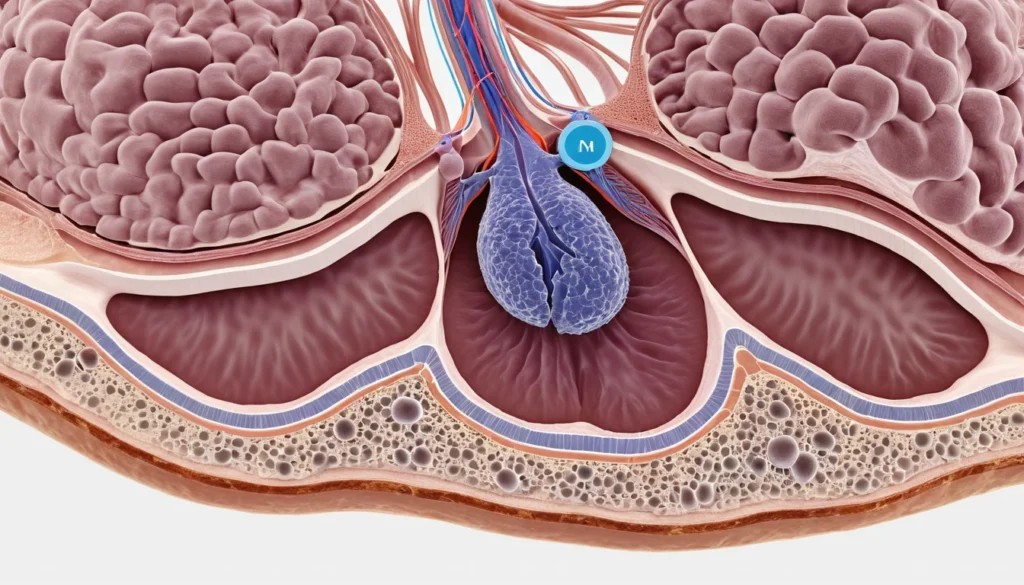
Congenital hepatic fibrosis is a rare condition that affects both the liver and the kidneys. A person is born with it, and it is passed down through families by inheriting a faulty gene from both parents. In this article, we explain what congenital hepatic fibrosis is, what causes it, how it is diagnosed, and what you can do if you or your child may be affected.
What Is Congenital Hepatic Fibrosis?
Congenital hepatic fibrosis is a genetic liver disease. The word “congenital” means it is present from birth. The word “hepatic” refers to the liver, and “fibrosis” means the build-up of scar-like tissue in an organ.
In this condition, fibrous (scar) tissue grows both on the surface and inside the liver. This scarring interferes with how the liver works. Over time, it can lead to serious complications if left unmanaged.
According to Mayo Clinic, liver fibrosis happens when the liver tries to repair itself but produces too much connective tissue in the process. In congenital hepatic fibrosis, this process begins before birth due to a genetic defect.
How Is Congenital Hepatic Fibrosis Inherited?
Congenital hepatic fibrosis follows what doctors call an autosomal recessive pattern. This means a child must inherit a copy of the faulty gene from both parents in order to develop the condition. If only one parent passes on the gene, the child becomes a carrier but does not develop the disease.
This is different from autosomal dominant conditions, where only one copy of the faulty gene is enough to cause illness. Understanding the inheritance pattern is important for family planning and genetic counselling.
If you have a family history of liver or kidney disease, speaking with a genetic counsellor through your provincial health plan can be a helpful first step. Many provinces in Canada offer genetic counselling services through referral from your family doctor.
The Link to Polycystic Kidney Disease
Congenital hepatic fibrosis is closely linked to polycystic kidney disease (PKD). PKD is a condition where small fluid-filled sacs (cysts) form in the kidneys. There are two types of PKD that can appear alongside congenital hepatic fibrosis.
The first type is autosomal recessive polycystic kidney disease (ARPKD). This form usually appears in childhood or even in infancy. It is also inherited through the autosomal recessive pattern, meaning both parents must carry the faulty gene.
The second type is autosomal dominant polycystic kidney disease (ADPKD). This form tends to appear in adulthood. It only requires one faulty gene from one parent. Adults with congenital hepatic fibrosis who also have kidney involvement often have ADPKD.
Medical specialists continue to study the exact relationship between PKD and congenital hepatic fibrosis. Some experts believe both conditions may stem from a single genetic defect that expresses itself in different ways in different people. This remains an area of active research and some debate within the medical community.
Signs and Symptoms of Congenital Hepatic Fibrosis
The symptoms of congenital hepatic fibrosis can vary from person to person. Some people experience mild symptoms, while others face serious complications early in life. Knowing the warning signs can help you get the right care sooner.
Liver-Related Symptoms
One of the most common signs is an enlarged liver, known medically as hepatomegaly. You or your doctor may notice a fullness or swelling in the upper right side of the abdomen. The liver may feel firm to the touch during a physical exam.
Another key symptom is portal hypertension. This means there is increased pressure in the portal vein, which carries blood from the digestive organs to the liver. High pressure in this vein can force blood to find alternate routes, straining smaller blood vessels.
Portal hypertension can lead to varices, which are enlarged, fragile blood vessels in the stomach and oesophagus (food pipe). These vessels can rupture and bleed, which is a medical emergency. Gastrointestinal bleeding — signs include vomiting blood or passing very dark, tarry stools — is one of the earliest warning signs of this condition.
Kidney-Related Symptoms
Because congenital hepatic fibrosis often involves the kidneys, patients may also experience reduced kidney function. This can show up as changes in how often you urinate, swelling in the legs and ankles, or fatigue.
In children with ARPKD, enlarged kidneys may even be detected before birth during a routine ultrasound. However, in adults with ADPKD, kidney problems may not become obvious until middle age.
If you notice any of these symptoms in yourself or your child, it is important to speak with a healthcare provider as soon as possible. Early detection can make a meaningful difference in managing this condition. You can learn more about kidney health from Health Canada.
How Is Congenital Hepatic Fibrosis Diagnosed?
Diagnosing congenital hepatic fibrosis usually involves a combination of imaging tests, blood work, and sometimes a liver biopsy. A biopsy is a procedure where a small sample of liver tissue is taken and examined under a microscope.
Imaging and Lab Tests
Your doctor may order an ultrasound of the abdomen. This test uses sound waves to create images of your liver and kidneys. It is painless, non-invasive, and widely available at hospitals and diagnostic centres across Canada.
A CT scan or MRI may also be used to get a clearer picture of the liver structure and to check for cysts in the kidneys. Blood tests can reveal how well the liver and kidneys are functioning. Elevated liver enzymes or signs of poor kidney filtration can point toward this condition.
In some cases, genetic testing is recommended, especially if there is a family history of liver or kidney disease. Your family doctor can refer you for these tests through your provincial health plan.
Getting a Referral in Canada
If your family doctor suspects congenital hepatic fibrosis, they will likely refer you to a gastroenterologist (a specialist in digestive and liver diseases) or a hepatologist (a liver specialist). In larger cities, you may have access to liver disease centres at major hospitals. In smaller communities, your family doctor or a walk-in clinic can help coordinate care.
It is important not to delay seeking care. The earlier this condition is identified, the sooner a management plan can be put in place.
Treatment and Management Options
There is currently no cure for congenital hepatic fibrosis. However, treatment focuses on managing symptoms and preventing complications. With the right support, many people live fulfilling lives.
Managing Portal Hypertension and Bleeding
One of the main treatment goals is controlling portal hypertension. Doctors may prescribe beta-blockers, a type of medication that lowers blood pressure in the portal vein. These medications can help reduce the risk of variceal bleeding.
If varices are present, a procedure called endoscopic band ligation may be performed. This involves placing small rubber bands around the enlarged blood vessels to stop or prevent bleeding. This is done through an endoscope, a thin flexible tube inserted through the mouth.
Supporting Kidney Function
Managing kidney health is equally important. Your care team may include a nephrologist, a specialist in kidney disease. Treatment may involve controlling blood pressure, managing fluid balance, and monitoring kidney function regularly.
In cases of severe kidney failure, dialysis or kidney transplantation may be considered. For those with both severe liver and kidney disease, a combined liver-kidney transplant has been performed in some cases. These decisions are made carefully by a specialist team.
Routine Monitoring
Regular follow-up appointments are a key part of managing congenital hepatic fibrosis. Your doctor will monitor liver enzyme levels, kidney function, and blood pressure. They will also watch for signs of complications like infection, internal bleeding, or worsening organ function.
For more information on managing chronic liver conditions, Healthline’s liver disease resource offers helpful overviews written for general audiences.
Living With Congenital Hepatic Fibrosis
A diagnosis of congenital hepatic fibrosis can feel overwhelming, especially when it affects a child. However, many people with this condition lead active and meaningful lives with proper medical support.
Eating a balanced diet, staying hydrated, avoiding alcohol, and keeping all medical appointments can all support your overall health. Children with this condition may benefit from regular check-ins with a paediatric gastroenterologist and a paediatric nephrologist.
Support groups and patient advocacy organizations can also be valuable. Connecting with others who share the same diagnosis can reduce feelings of isolation and provide practical advice. Ask your specialist team about resources available in your province.
Talking to Your Family
Because congenital hepatic fibrosis is hereditary, it is worth having a family conversation about genetic risk. Siblings of an affected child may also carry the gene or be affected themselves. Genetic counselling, available through most provincial health systems with a doctor’s referral, can help families understand their risk and make informed decisions.
When to See a Doctor
You should speak with a healthcare provider right away if you or your child experiences any of the following:
Vomiting blood or noticing blood in stools
Swelling or pain in the abdomen
Yellowing of the skin or eyes (jaundice)
Unusual fatigue or weakness
Changes in urination or swelling in the legs
A family history of liver or kidney disease
Your family doctor is your best first point of contact. If you do not have a family doctor, a walk-in clinic can assess your symptoms and arrange appropriate referrals. In an emergency — such as active gastrointestinal bleeding — go to your nearest emergency department immediately.
Remember, early diagnosis leads to better outcomes. Do not wait and see if symptoms resolve on their own. Always consult a qualified healthcare provider for a proper evaluation and personalized medical advice.
Frequently Asked Questions About Congenital Hepatic Fibrosis
What is congenital hepatic fibrosis?
Congenital hepatic fibrosis is a rare genetic liver disease that a person is born with. It causes scar-like fibrous tissue to build up in the liver, affecting liver function. It is often linked to kidney problems, particularly polycystic kidney disease.
Is congenital hepatic fibrosis fatal?
Congenital hepatic fibrosis can lead to serious complications, such as internal bleeding and kidney failure, if not managed properly. However, with early diagnosis and ongoing medical care, many people live long and fulfilling lives. In severe cases, liver or combined liver-kidney transplantation may be considered.
How is congenital hepatic fibrosis diagnosed?
Doctors typically use a combination of blood tests, abdominal ultrasound, CT scans or MRI, and sometimes a liver biopsy to diagnose congenital hepatic fibrosis. Genetic testing may also be recommended if there is a family history of the condition. Your family doctor can refer you to a specialist through your provincial health plan.
What is the difference between congenital hepatic fibrosis and cirrhosis?
Both conditions involve scarring of the liver, but they are different in important ways. Congenital hepatic fibrosis is present from birth due to a genetic defect, whereas cirrhosis is usually caused by long-term liver damage from alcohol use, infection, or other diseases. The structure of the scar tissue also differs between the two conditions at a microscopic level.
Can congenital hepatic fibrosis be treated?
There is no cure for congenital hepatic fibrosis, but symptoms and complications can be effectively managed with the right medical care. Treatment may include medications to lower portal blood pressure, procedures to prevent bleeding, and monitoring of kidney function. A specialist team including a gastroenterologist and nephrologist will guide your treatment plan.
Is congenital hepatic fibrosis related to polycystic kidney disease?
Yes, congenital hepatic fibrosis is closely associated with polycystic kidney disease (PKD). In children, it is most often linked to autosomal recessive PKD, while in adults it is more commonly associated with autosomal dominant PKD. Some researchers believe the two conditions may share a common genetic origin, though this is still being studied.
Key Takeaways
Congenital hepatic fibrosis is a rare genetic condition affecting both the liver and kidneys, present from birth. It is inherited in an autosomal recessive pattern, meaning both parents must carry the faulty gene. Common symptoms include an enlarged liver, portal hypertension, and gastrointestinal bleeding. It is closely linked to polycystic kidney disease, which can appear in childhood or adulthood. Diagnosis involves blood tests, imaging, and sometimes a liver biopsy or genetic testing. There is no cure, but symptoms can be managed with medications, procedures, and specialist care. If you notice symptoms, contact your family doctor or walk-in clinic promptly — do not wait. Always cons