Your skin is your body’s largest organ — and it shows when something is wrong. Common skin conditions in adults range from mild irritations like acne and athlete’s foot to more complex issues like psoriasis and shingles. This article covers 10 skin conditions that affect Canadian adults every day, explaining what causes them, what to look for, and how they are treated.
Why Skin Conditions Don’t Just Affect Teenagers
Many people assume skin problems are something you leave behind after adolescence. However, adults face a wide range of skin issues throughout their lives. Aging, hormonal changes, stress, and environmental factors all affect skin health over time.
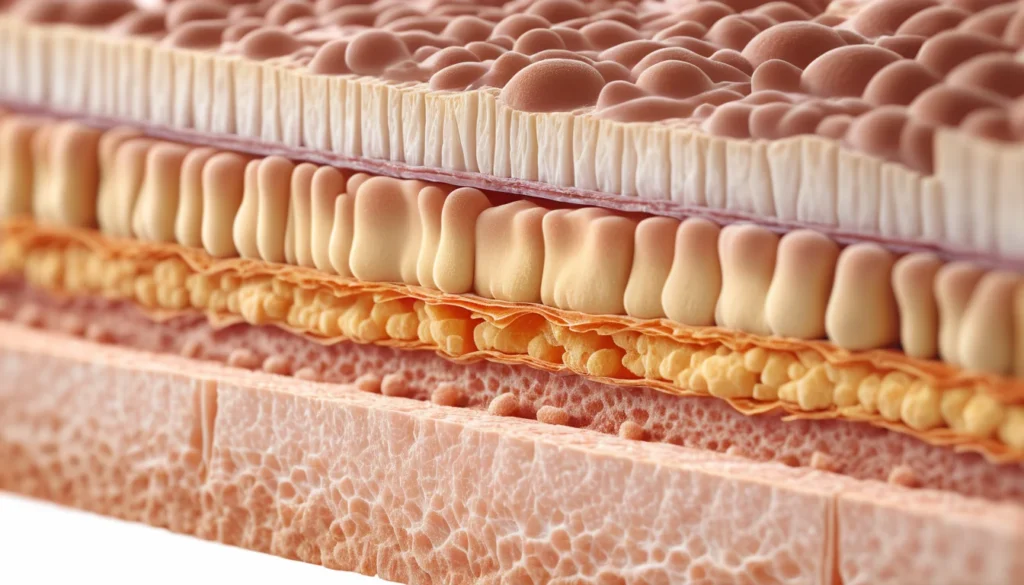
Your skin acts as a protective barrier between your body and the outside world. It contains glands, nerve endings, and blood vessels that support normal body functions. When your overall health is affected, your skin often shows the first signs. Therefore, paying attention to skin changes is an important part of looking after your health.
10 Common Skin Conditions in Adults
1. Skin Tags
Skin tags are small, soft growths that hang off the skin. They are usually skin-coloured or slightly darker. They tend to appear on the neck, chest, back, armpits, under the breasts, or in the groin area.
Skin tags are more common in women and older adults. Fortunately, they are harmless and painless in most cases. However, they can become irritated if clothing or nearby skin rubs against them. A doctor can remove them by freezing, burning, or minor surgical procedures if needed.
2. Adult Acne
Acne is not just a teenage problem. It can continue well into adulthood when pores become blocked by oil, dead skin cells, and bacteria. This leads to inflammation and infection beneath the skin’s surface.
Adult acne commonly appears on the face, chest, back, and buttocks. Hormonal changes and certain bacteria can trigger or worsen breakouts. Keeping affected areas clean and avoiding squeezing pimples helps prevent scarring and further infection. Squeezing pimples is the leading cause of permanent marks and spreading bacteria.
3. Athlete’s Foot
Athlete’s foot is a fungal infection that affects the skin between the toes and on the soles of the feet. Symptoms include peeling skin, redness, itching, burning, and sometimes blisters. This condition is very common in adults and is contagious.
You can pick up athlete’s foot by wearing contaminated footwear, keeping feet damp for long periods, or walking barefoot in public pools and change rooms. Treatment usually involves antifungal creams or lotions. In more severe cases, your doctor may prescribe oral antifungal medication. Learn more about athlete’s foot symptoms and treatment at Mayo Clinic.
4. Folliculitis (Razor Bumps)
Folliculitis appears as small, hard, irritated bumps on the skin after shaving. It is especially common in people with curly body hair. The sharpened tip of a freshly cut hair can curl back and grow into the skin instead of outward.
This causes redness, pimple-like bumps, and sometimes scarring. To prevent folliculitis, take a warm shower before shaving to soften the hair. Always shave in the direction of hair growth. In addition, avoid stretching the skin tight while shaving, as this increases the risk of ingrown hairs.
5. Shingles (Herpes Zoster)
Shingles is caused by the same virus that causes chickenpox. If you had chickenpox as a child, the virus stays dormant in your body. It can reactivate years later as shingles, especially if your immune system weakens.
Shingles begins with burning, itching, and increased skin sensitivity. A rash of raised spots then appears, which develops into painful blisters lasting about two weeks. The rash usually appears on the torso or buttocks, but it can spread to any part of the body. Most people recover fully. However, nerve pain, numbness, and itching can linger for months or even years afterward. Treatment includes antiviral medications, steroids, and topical creams. In Canada, a shingles vaccine is available and recommended for adults over 50 — ask your family doctor or pharmacist about provincial coverage in your area.
6. Hives (Urticaria)
Hives are raised, red welts on the skin that often cause intense itching, stinging, or a burning sensation. They vary in size and can join together to cover large areas of the skin. Hives are a common allergic reaction.
Triggers include certain medications, foods or food additives, extreme temperatures, and infections. As a result, identifying and avoiding the trigger is a key part of managing hives. Antihistamines are often effective at relieving symptoms. Read more about hives causes and treatments at Healthline.
7. Psoriasis
Psoriasis is a non-contagious skin condition that causes thick, red patches covered in flaky, silvery skin. It most commonly affects the scalp, elbows, knees, and lower back. The patches can clear up on their own, but psoriasis tends to come back throughout a person’s life.
The exact cause is not fully understood. However, researchers know that the immune system triggers the overproduction of skin cells in an autoimmune reaction. Treatment options include topical medications applied directly to the skin, phototherapy (light therapy), oral medications, injections, and infusions. A dermatologist can help you find the right treatment plan.
8. Eczema
Eczema refers to a group of non-contagious conditions that cause inflamed, red, dry, and itchy skin. It is one of the most common skin conditions in adults across Canada. Triggers include stress, irritants like soaps and detergents, allergens, and changes in climate.
In adults, eczema most often appears on the elbows, hands, palms, and wrists. Treatment may include oral medications, injectable biologics, or topical lotions and creams. Managing triggers — such as using fragrance-free products and moisturising regularly — can greatly reduce flare-ups. Health Canada provides guidance on managing skin health and allergies.
9. Rosacea
Rosacea is an adult skin condition that causes the face to flush or blush easily, often triggered by strong emotions, heat, spicy foods, or alcohol. Over time, the redness can become more persistent and visible blood vessels may appear on the cheeks and nose.
In some cases, rosacea also causes thickened skin, swelling, and pustules that look similar to acne. It can affect self-confidence and quality of life. Treatment options include prescription medications and procedures such as laser therapy, which can reduce visible blood vessels and redness.
10. Moles and Skin Changes
Most moles are harmless. They are small, dark, or skin-coloured spots that appear on the skin throughout life. However, changes in a mole’s size, shape, colour, or texture can sometimes be a warning sign of melanoma, a serious form of skin cancer.
Canadians should check their skin regularly for new or changing moles. Use the ABCDE rule: watch for Asymmetry, irregular Border, uneven Colour, a Diameter larger than 6 mm, or Evolution (any change over time). If you notice any of these signs, see your family doctor promptly. Sun protection — including SPF 30+ sunscreen, hats, and protective clothing — is one of the best ways to reduce your risk of skin cancer.
When to See a Doctor About a Skin Condition
Many skin conditions can be managed at home with over-the-counter products. However, some symptoms need professional attention. You should see a doctor if your skin condition is spreading, causing severe pain, not improving after two weeks of self-care, or affecting your daily life.
In Canada, your first step is usually your family doctor or a walk-in clinic. They can assess your skin, recommend treatments, and refer you to a dermatologist if needed. Depending on your province or territory, some dermatology visits may be covered under your provincial health plan. Check with your provincial health authority or ask your family doctor about your coverage options.
Do not ignore sudden or severe skin changes. A rash that spreads quickly, blistering, difficulty breathing alongside hives, or a mole that changes rapidly should all be assessed as soon as possible. When in doubt, it is always best to check with a qualified healthcare provider.
Frequently Asked Questions About Common Skin Conditions in Adults
What are the most common skin conditions in adults?
The most common skin conditions in adults include acne, eczema, psoriasis, hives, rosacea, shingles, and athlete’s foot. Many of these conditions are manageable with the right treatment. Your family doctor or a dermatologist can help you identify your specific condition and recommend the best approach.
Can adults suddenly develop skin conditions they never had before?
Yes, adults can develop new skin conditions at any age. Hormonal changes, stress, aging, and weakened immunity can all trigger conditions like eczema, psoriasis, or rosacea for the first time in adulthood. If you notice a new or unusual skin change, it is worth getting it checked by a healthcare provider.
Is eczema contagious?
No, eczema is not contagious. You cannot catch it from another person through touch or close contact. Eczema is caused by a combination of genetic factors and environmental triggers, such as allergens, stress, or irritants like soaps and detergents.
How do I know if my rash needs medical attention?
You should seek medical attention if your rash is spreading rapidly, causes severe pain or fever, forms blisters, or does not improve within two weeks. In Canada, you can visit a walk-in clinic or your family doctor for an assessment without needing a specialist referral right away.
Are skin conditions covered by provincial health plans in Canada?
Basic assessments for skin conditions by a family doctor or general practitioner are typically covered under provincial health plans across Canada. However, coverage for specialist dermatology visits and certain treatments can vary by province or territory. It is best to check with your provincial health authority or ask your family doctor for a referral if needed.
Can stress cause skin conditions to get worse?
Yes, stress is a known trigger for several common skin conditions in adults, including eczema, psoriasis, hives, and rosacea. Stress affects the immune system and can cause inflammation throughout the body, which often shows up on the skin. Managing stress through exercise, sleep, and mental health support can help reduce flare-ups.
Key Takeaways
Skin conditions are common in adults and can develop at any stage of life, not just in the teenage years.
Your skin reflects your overall health. Changes in colour, texture, or appearance are often the first signs of an underlying issue.
Many conditions are treatable. Acne, eczema, athlete’s foot, hives, and folliculitis all respond well to the right treatment and lifestyle adjustments.
Some conditions are lifelong but manageable. Psoriasis and rosacea tend to come and go, but consistent treatment keeps symptoms under control.
Protect your skin from the sun. Regular sunscreen use and skin checks help reduce the risk of skin cancer in Canada’s varied climate.
When in doubt, see a professional. Your family doctor, walk-in clinic, or dermatologist can provide an accurate diagnosis and a treatment plan suited to your needs. This article is for general information only and is not a substitute for professional medical advice.