A colon cleanse is one of the most popular approaches to improving digestive health, and thousands of Canadians are turning to it to address bloating, constipation, and low energy. Whether you are exploring the idea for the first time or looking for a more effective routine, understanding how a colon cleanse works can help you make informed decisions about your wellness.
Why a Colon Cleanse Matters for Everyday Canadians
Many Canadians struggle with sluggish digestion without realizing that natural colon cleanse methods could offer meaningful relief. A buildup of metabolic waste in the intestinal tract can reduce nutrient absorption and leave you feeling tired and uncomfortable. In this guide, we break down why colon health matters, which cleansing options are backed by evidence, and how to choose the right approach for your body.
Why Colon Health Matters for Everyday Canadians
Common Colon Cleanse Methods: Benefits and Considerations
| Method | How It Works | Potential Benefits | Key Considerations |
|---|---|---|---|
| High-Fibre Diet | Increases dietary fibre from fruits, vegetables, and whole grains to support natural bowel movements | Promotes regularity, supports gut microbiome, reduces colorectal cancer risk | Health Canada recommends 25–38g of fibre daily; increase intake gradually to avoid bloating |
| Hydration Therapy | Drinking adequate water (8–10 cups daily) to soften stool and stimulate bowel activity | Low risk, supports kidney function, aids natural waste elimination | Safe for most Canadians; those with kidney disease should consult a physician before increasing fluid intake |
| Probiotic Supplements | Introduces beneficial bacteria (e.g., Lactobacillus, Bifidobacterium) to restore gut flora balance | May improve digestion, reduce bloating, and support immune function | Choose Health Canada–approved products; efficacy varies by strain and individual; consult a pharmacist |
| Laxatives (Osmotic/Stimulant) | Over-the-counter medications that draw water into the colon or stimulate muscle contractions | Effective short-term relief of constipation; commonly used before medical procedures | Not intended for long-term use; overuse can cause electrolyte imbalances; requires physician guidance |
| Colonic Irrigation (Hydrotherapy) | Introduces warm water into the colon via a tube to flush out waste under the supervision of a practitioner | Promoted for detoxification; sometimes used before colonoscopy preparation | Limited clinical evidence; risk of infection, bowel perforation, and electrolyte disruption; not regulated uniformly across Canadian provinces |
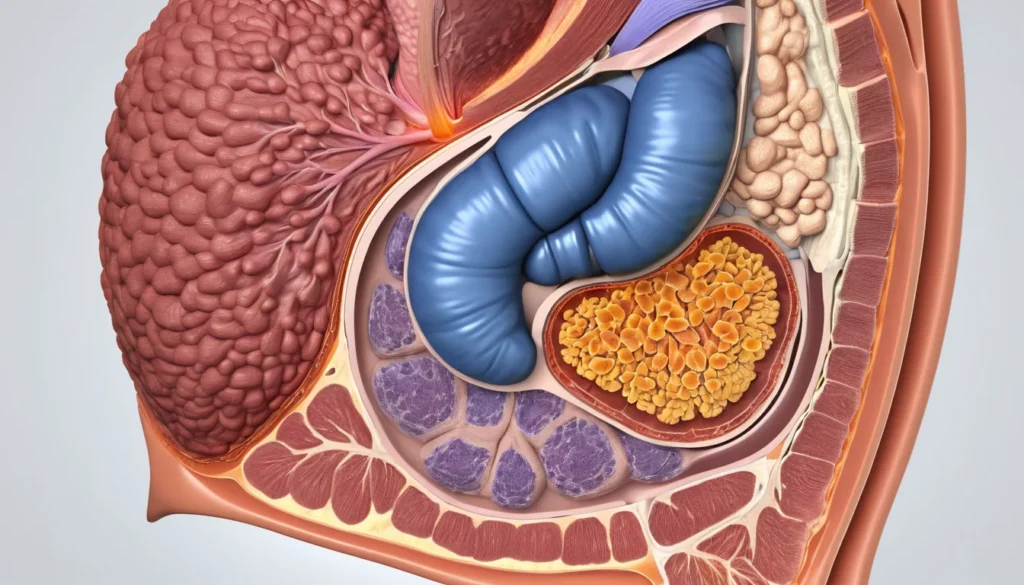
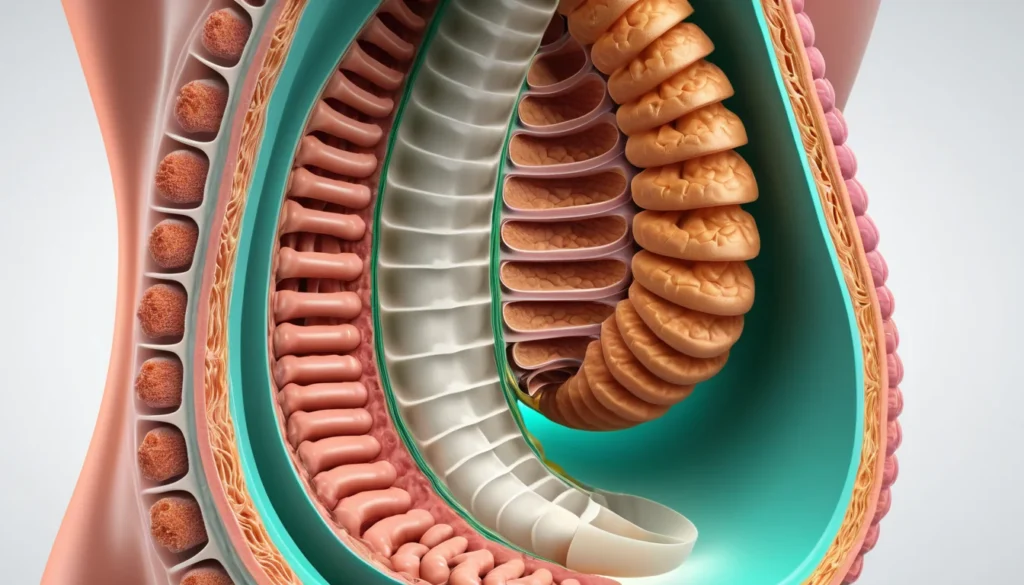
Your colon is the final stretch of your digestive tract. Its job is to absorb water and push waste out of your body. When it works well, you feel well. When it doesn’t, you notice.
Over time, metabolic waste and residue can build up along the intestinal wall. This buildup can slow digestion and reduce how well your body absorbs nutrients. As a result, many people feel tired, bloated, or generally “off.”
According to Health Canada, digestive health is closely linked to overall wellness, including immune function, mental health, and energy levels. Keeping your colon healthy is therefore an important part of a balanced lifestyle.
Signs Your Colon May Need Support
Not everyone experiences obvious symptoms when their digestive system is struggling. However, there are some common signs that your colon may need attention.
These signs can include:
Frequent constipation or diarrhoea
Bloating and gas after meals
Persistent fatigue or low energy
Skin issues like acne or eczema
Bad breath or a coated tongue
Headaches or brain fog
Unexplained back or joint pain
These symptoms can have many causes. Therefore, it is always a good idea to speak with your family doctor before starting any cleanse or supplement programme. A walk-in clinic can also help if you are experiencing ongoing digestive discomfort.
Health Conditions Linked to Poor Colon Health
Some medical conditions can make colon health more difficult to maintain. These include irritable bowel syndrome (IBS), ulcerative colitis, Crohn’s disease, and diverticular disease.
Bacterial infections and long-term antibiotic use can also disrupt the balance of good and bad bacteria in your gut. This imbalance, known as dysbiosis, can affect digestion and immunity. Mayo Clinic explains the risks and benefits of colon cleansing in helpful detail for anyone considering this approach.
How Diet and Lifestyle Affect Your Colon
What you eat has a direct impact on your colon health. A diet high in processed foods, fried foods, refined starches, and added sugar can slow digestion and promote waste buildup.
In addition, pasteurised dairy products, canned goods, fast food, and excessive use of medications — especially antibiotics — can all affect the balance of your gut microbiome. The microbiome is the community of bacteria that lives in your digestive tract and helps keep you healthy.
On the other hand, a diet rich in fibre, fresh fruits, and vegetables supports regular bowel movements and helps your colon stay clear. Staying well hydrated is also one of the simplest things you can do for digestive health.
Foods That Support a Healthy Colon
Certain foods are especially helpful for colon health. Adding them to your regular diet is a great first step before considering any formal cleanse programme.
Watermelon — high in water content, supports hydration and digestion
Tomatoes — rich in antioxidants and fibre
Leafy greens — such as romaine lettuce and spinach, support gut motility
Celery — a natural diuretic with good fibre content
Flaxseeds — provide soluble and insoluble fibre for bowel regularity
Fennel — helps reduce gas and soothe the digestive tract
Furthermore, herbal teas made from peppermint, fennel, or licorice root have long been used to ease digestive discomfort. These are gentle options worth exploring as part of a broader gut health routine.
Natural Colon Cleanse Methods Worth Considering
A colon cleanse does not have to be complicated or extreme. In fact, many effective approaches are simple, natural, and easy to follow at home.
Here are some of the most commonly used natural methods:
Increased water intake — Drinking enough water each day helps soften stool and supports regular bowel movements.
High-fibre diet — Fibre acts like a gentle brush through the colon, sweeping out waste.
Herbal teas — Certain plant-based teas have mild laxative or soothing properties.
Digestive enzymes — These can help the body break down food more efficiently.
Probiotic and prebiotic foods — Yoghurt, kefir, sauerkraut, and chicory root support a healthy gut microbiome.
Plant-based fibre supplements — Products containing psyllium husk are well studied for supporting bowel regularity.
Psyllium husk, in particular, is sometimes called the “colon broom.” It absorbs water in the gut and forms a gel-like substance that helps move waste through the intestines. It also acts as a prebiotic, feeding the good bacteria in your colon.
What About Colon Cleanse Supplements?
Plant-based colon cleanse supplements are widely available at health food stores and pharmacies across Canada. Many contain a blend of herbal extracts designed to support gentle detoxification without harsh side effects.
Common ingredients include psyllium husk, aloe vera, cascara sagrada, slippery elm, peppermint, fennel, papaya, and chicory. These ingredients have traditionally been used to ease constipation, reduce bloating, and support gut motility.
A quality supplement should not cause diarrhoea, cramping, or dehydration. If it does, stop using it and speak with your healthcare provider. Always check that any supplement you choose is approved or registered with Health Canada.
Benefits of a Regular Colon Cleanse Programme
When done safely and thoughtfully, a colon cleanse programme can offer several health benefits. Many people report feeling lighter, more energetic, and more comfortable after completing a cleanse.
Potential benefits include:
More regular bowel movements and less constipation
Reduced bloating and gas
Better nutrient absorption from food
Improved energy levels and mental clarity
Clearer skin in some individuals
Support for a healthy gut microbiome
Reduced gastric acidity and improved stomach comfort
Furthermore, supporting your colon health may have broader effects on your immune system, respiratory health, and even mood. Healthline outlines the science behind colon cleansing and what the current research actually supports.
However, it is important to have realistic expectations. A cleanse is not a cure for serious illness. It works best as part of a healthy overall lifestyle that includes a balanced diet, regular physical activity, and adequate sleep.
How Often Should You Cleanse?
Most health practitioners suggest no more than two cleanse cycles per year. Each cycle should last no longer than three months, with at least six months between cycles.
During a cleanse programme, it helps to reduce foods that increase stomach acid. These include red meat, processed foods, dairy products, sugary drinks, and fried foods. Drinking extra water is also strongly recommended throughout the programme.
When to See a Doctor
A colon cleanse can be a helpful wellness tool, but it is not right for everyone. If you have a chronic digestive condition, are pregnant, or are taking prescription medications, you should always speak with your family doctor before starting any cleanse or detox programme.
Visit a walk-in clinic or contact your provincial health line if you experience any of the following:
Blood in your stool
Severe abdominal pain or cramping
Sudden or unexplained weight loss
Persistent diarrhoea lasting more than two days
Signs of dehydration such as dizziness or dark urine
These symptoms may point to a more serious condition that needs proper medical evaluation. Your family doctor can run the right tests and refer you to a gastroenterologist if needed. Most provincial health plans in Canada cover these types of consultations.
Frequently Asked Questions About Colon Cleanse
Is a colon cleanse safe?
For most healthy adults, a gentle natural colon cleanse using fibre, hydration, and plant-based supplements is considered safe. However, if you have a health condition or take medications, speak with your family doctor first before starting any cleanse programme.
How long does a colon cleanse take?
A typical colon cleanse programme lasts between two weeks and three months, depending on the method and your health goals. Most practitioners recommend no more than two cleanse cycles per year, with a six-month break in between.
What are the signs that your colon needs cleansing?
Common signs include chronic constipation, bloating, fatigue, skin problems like acne or eczema, and persistent bad breath. These can all suggest that your colon may benefit from added support through diet changes or a natural colon cleanse approach.
Does a colon cleanse help with weight loss?
Some people notice a reduction in bloating and water weight after a colon cleanse, which can make them feel lighter. However, a cleanse is not a weight loss treatment on its own and works best alongside a healthy diet and regular exercise.
Can a colon cleanse improve skin health?
There is some evidence that gut health and skin health are connected through what researchers call the gut-skin axis. Some people report improvements in acne, eczema, or dull skin after completing a colon cleanse programme, though results can vary from person to person.
What should I eat during a colon cleanse?
According to Health Canada’s guidelines on digestive wellness, this information is supported by current medical research.
For more information, read our guide on kidney stones and digestive health in Canada.
During a colon cleanse, focus on fresh fruits, vegetables, whole grains, and plenty of water. Try to avoid processed foods, fried foods, red meat, dairy, sugary drinks, and high-sodium foods, as these can slow digestion and reduce the effectiveness of the cleanse.
Key Takeaways
A colon cleanse supports digestive health by helping remove waste buildup from the intestinal tract.
Common signs of a sluggish colon include bloating, constipation, fatigue, and skin issues.
Natural methods include increased water intake, a high-fibre diet, herbal teas, and plant-based supplements.
Psyllium husk is one of the best-studied natural ingredients for supporting colon health and bowel regularity.
Most health practitioners recommend no more than two cleanse cycles per year, each lasting up to three months.
Always consult your family doctor or visit a walk-in clinic before starting a cleanse, especially if you have a chronic condition.
A cleanse works best as part of a balanced lifestyle — not as a standalone treatment for illness.
Frequently Asked Questions
What is a colon cleanse?
A colon cleanse is a practice aimed at removing waste and toxins from the large intestine. Methods include dietary changes, herbal supplements, laxatives, or colonic irrigation. While some people use it to improve digestion or prepare for medical procedures, the body naturally cleanses itself through regular bowel movements.
What are the benefits of a colon cleanse?
Claimed benefits include improved digestion, reduced bloating, increased energy, and better nutrient absorption. However, scientific evidence supporting these benefits is limited. Medical professionals recognize colon cleansing as beneficial primarily for colonoscopy preparation. A high-fibre diet and adequate hydration offer proven, safer digestive health benefits.
What are the signs that your colon needs cleansing?
Symptoms like chronic constipation, bloating, fatigue, and irregular bowel movements are often cited as reasons to consider a colon cleanse. However, these symptoms may indicate underlying conditions requiring medical diagnosis. Persistent digestive issues should be evaluated by a Canadian healthcare provider rather than self-treated with cleansing products.
How can you naturally cleanse your colon without supplements?
Natural colon cleanse methods include drinking 8–10 glasses of water daily, eating high-fibre foods like fruits, vegetables, and whole grains, exercising regularly, and consuming probiotics. These lifestyle habits support healthy bowel function, promote regularity, and help the body eliminate waste efficiently without commercial cleanses or supplements.
When should you see a doctor instead of trying a colon cleanse?
See a doctor if you experience persistent constipation, blood in your stool, unexplained weight loss, severe abdominal pain, or significant changes in bowel habits lasting more than two weeks. These symptoms may signal serious conditions like colorectal cancer or inflammatory bowel disease that require proper medical diagnosis and treatment.