Colon cancer is one of the most common cancers diagnosed in Canada. It affects the large intestine, which is the lower part of your digestive system. The good news is that when caught early, colon cancer is highly treatable. This article explains what colon cancer is, who is at risk, what symptoms to watch for, and how it is diagnosed and treated.
What Is Colon Cancer?
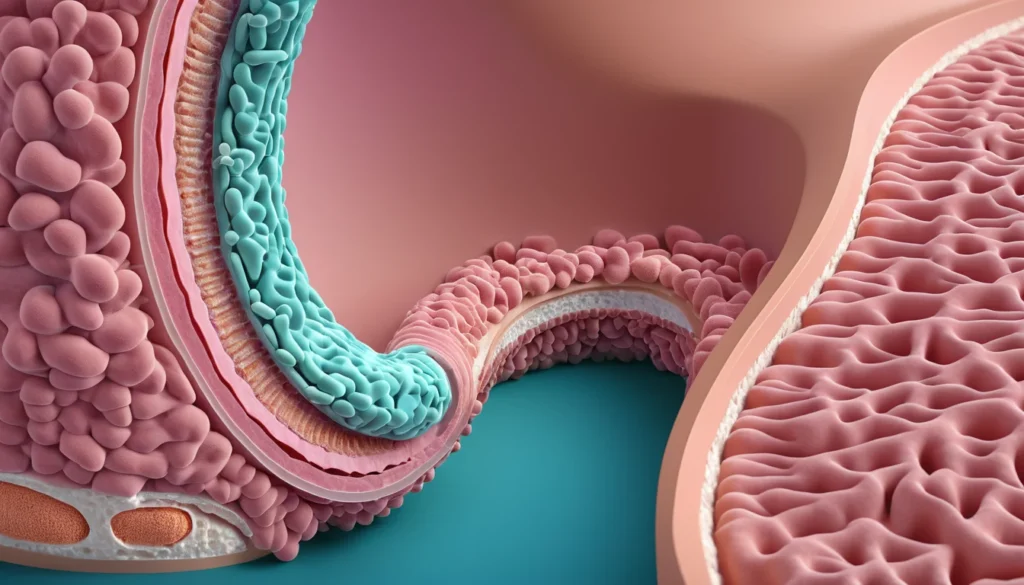
The colon is the final section of your digestive tract. Like any tissue in the body, it can develop abnormal growths. Colon cancer can start in any part of the large intestine, including the ascending, transverse, descending, or sigmoid colon.
When cancer also involves the rectum, doctors call it colorectal cancer. This is a very common term you may hear from your family doctor or specialist.
How Does Colon Cancer Begin?
Colon cancer often starts as small, non-cancerous growths called polyps. These polyps form on the inner lining of the colon. Most polyps cause no symptoms at all, so many people do not know they have them.
Over time, some polyps can turn into cancer. This process is usually slow, which is why regular screening is so important. Finding and removing polyps early can prevent cancer from developing in the first place.
According to Health Canada, colorectal cancer is the second leading cause of cancer death in Canada. However, it is also one of the most preventable cancers when screening is done on time.
Risk Factors for Colon Cancer
Some risk factors for colon cancer are things you cannot change. Others are linked to your daily habits and lifestyle. Understanding both types can help you take action.
Risk Factors You Cannot Change
Age: People over 50 are at higher risk. However, colon cancer can develop at any age.
Personal or family history: If you or a close relative has had colon polyps or colon cancer, your risk is higher.
Inflammatory bowel disease (IBD): Conditions like Crohn’s disease and ulcerative colitis increase your risk over time.
Inherited genetic syndromes: Familial adenomatous polyposis (FAP) and Lynch syndrome (also called hereditary non-polyposis colorectal cancer, or HNPCC) are inherited conditions that significantly raise the risk of colon cancer.
Diabetes and insulin resistance: These conditions have been linked to a higher risk of developing colorectal cancer.
Risk Factors You Can Change
Sedentary lifestyle: Not getting enough physical activity raises your risk.
Obesity: Carrying excess weight, especially around the abdomen, is a known risk factor.
Smoking and heavy alcohol use: Both increase the likelihood of developing colon cancer.
Low-fibre, high-fat diet: A diet low in fibre and high in processed or red meats has been linked to colon cancer. Adding more fibre-rich foods, like vegetables, fruits, and whole grains, can help lower your risk.
For more information on reducing your cancer risk through healthy habits, visit the Mayo Clinic’s guide to colon cancer causes and risk factors.
Symptoms of Colon Cancer
In its early stages, colon cancer often causes few or no symptoms. When symptoms do appear, they can easily be mistaken for other digestive problems. This is one reason why colon cancer is sometimes found late.
Common Symptoms to Watch For
Changes in bowel habits: This includes diarrhea, constipation, or stools that are narrower than usual.
A feeling of incomplete bowel emptying: The sensation that your bowel has not fully emptied after using the toilet.
Rectal bleeding: Blood in your stool or on toilet paper is a warning sign that should never be ignored.
Abdominal discomfort: This can include cramping, gas, or ongoing pain in your belly.
Unexplained fatigue and muscle weakness: Feeling unusually tired without a clear reason can sometimes point to an underlying health issue.
Unexplained weight loss: Losing weight quickly without trying, even while eating normally, is a red flag.
It is important to remember that these symptoms can also be caused by less serious conditions. However, if you experience any of them for more than a few weeks, you should speak with a healthcare provider.
How Is Colon Cancer Diagnosed?
If your doctor suspects colon cancer, they will recommend a series of tests. These help confirm the diagnosis and determine how far the cancer has spread.
Blood Tests
Blood tests, such as a complete blood count (CBC) and liver and kidney function tests, do not diagnose colon cancer directly. However, they give your doctor an overall picture of your health. They can also reveal signs of anaemia, which may be caused by internal bleeding.
Colonoscopy
A colonoscopy is the most important tool for diagnosing colon cancer. During this procedure, a doctor uses a thin, flexible tube with a tiny camera to look inside your colon. They can spot abnormal tissue, take a biopsy (a small tissue sample), and even remove polyps during the same procedure.
In Canada, most provinces recommend that adults with average risk start regular colorectal cancer screening at age 50. Your provincial health plan may cover the cost of screening tests. Check with your family doctor or provincial health authority for details.
Imaging Tests
A CT scan (computerised tomography) helps doctors see the size of the tumour and whether it has spread to nearby tissue. In more advanced cases, a chest X-ray or CT scan can also detect whether the cancer has spread to the lungs or other organs.
The World Health Organization’s fact sheet on colorectal cancer outlines why early detection through screening saves lives worldwide.
Stages of Colon Cancer
Doctors use a staging system to describe how far colon cancer has progressed. This directly affects the treatment plan.
Stage 0: Cancer is found only on the innermost lining of the colon.
Stage I: The cancer has grown into the inner layers of the colon wall, but has not spread beyond it.
Stage II: The cancer has grown through the colon wall but has not reached the lymph nodes.
Stage III: The cancer has spread to nearby lymph nodes.
Stage IV: The cancer has spread to distant organs, such as the liver or lungs.
Earlier stages are much easier to treat successfully. This is why regular screening is so valuable.
Treatment Options for Colon Cancer
Treatment for colon cancer depends on the stage and the overall health of the patient. A team of specialists, including oncologists and surgeons, will work together to create a personalised care plan.
Surgery
Surgery is the most common treatment for colon cancer. In a partial colectomy, the surgeon removes the part of the colon containing the tumour, along with some surrounding healthy tissue. In some cases, a colostomy may be needed. This involves creating an opening in the abdomen to allow waste to leave the body while the colon heals.
Chemotherapy
Chemotherapy uses powerful drugs to kill cancer cells. It is often used after surgery to destroy any remaining cancer cells. In some cases, it is used before surgery to shrink a tumour.
Radiation Therapy
Radiation therapy uses high-energy rays to target and kill cancer cells. It is used more often for rectal cancer than for colon cancer, and is sometimes combined with chemotherapy.
Targeted Therapy and Immunotherapy
For advanced colon cancer, doctors may use targeted therapy drugs. These work by blocking specific signals that help cancer cells grow. Immunotherapy helps your own immune system recognise and attack cancer cells. These are typically used in stage IV cases or when other treatments have not worked.
When to See a Doctor
You should speak with your family doctor if you notice any changes in your bowel habits that last longer than two to three weeks. Rectal bleeding, unexplained weight loss, or persistent abdominal pain are also reasons to seek care promptly.
If you do not have a family doctor, a walk-in clinic can assess your symptoms and refer you for further testing if needed. Do not wait for symptoms to get worse before reaching out.
If you are 50 or older and have not yet been screened for colorectal cancer, ask your healthcare provider about the options available through your provincial health plan. In many provinces, a home stool test (called a FIT test or FOBT) is the first step in routine screening, and it is covered at no cost to you.
Always consult your doctor or a qualified healthcare provider before making decisions about your health. The information in this article is for general educational purposes only and does not replace professional medical advice.
Frequently Asked Questions About Colon Cancer
What are the early warning signs of colon cancer?
Early colon cancer often causes very few symptoms. However, watch for changes in bowel habits, blood in your stool, unexplained fatigue, or unintentional weight loss. If any of these persist for more than a few weeks, see your family doctor or visit a walk-in clinic.
At what age should I start screening for colon cancer in Canada?
Most Canadian provinces recommend starting colon cancer screening at age 50 for people at average risk. If you have a family history of colorectal cancer or polyps, your doctor may recommend starting earlier. Check with your provincial health plan for covered screening options.
Is colon cancer hereditary?
Yes, some forms of colon cancer run in families. Inherited syndromes like Lynch syndrome and familial adenomatous polyposis (FAP) significantly increase the risk. If a close family member has had colon cancer or polyps, tell your doctor so they can assess your personal risk.
Can colon cancer be prevented?
You can lower your risk of colon cancer by eating a high-fibre diet, staying physically active, avoiding smoking, and limiting alcohol. Regular screening is also one of the most effective ways to prevent colon cancer, as it allows doctors to find and remove polyps before they become cancerous.
What does a colonoscopy involve?
A colonoscopy is a procedure where a doctor uses a flexible camera to examine the inside of your colon. It is the most reliable way to detect colon cancer or pre-cancerous polyps. The procedure is usually done under light sedation and takes about 30 to 60 minutes.
How is colon cancer treated in Canada?
Treatment for colon cancer in Canada depends on the stage of the cancer and is covered through provincial health plans. Options include surgery, chemotherapy, radiation therapy, and in advanced cases, targeted therapy or immunotherapy. Your care team will build a treatment plan suited to your specific situation.
Key Takeaways
Colon cancer starts in the large intestine and often begins as small, non-cancerous polyps.
Risk factors include age, family history, IBD, obesity, smoking, heavy alcohol use, and a low-fibre diet.
Early-stage colon cancer may cause no symptoms. When symptoms appear, they include changes in bowel habits, rectal bleeding, fatigue, and unexplained weight loss.
A colonoscopy is the most effective tool for both diagnosing and preventing colon cancer.
Treatment depends on the stage and may include surgery, chemotherapy, radiation, or targeted therapy.
Canadians aged 50 and over should speak to their family doctor about colon cancer screening covered by their provincial health plan.
If you have concerns, do not wait. Speak to your family doctor or visit a walk-in clinic.