Colon cancer is one of the most common cancers diagnosed in Canada each year. It starts in the large intestine (colon) and often begins as small, non-cancerous cell growths called polyps. Over time, some polyps can turn cancerous. The good news is that with early detection through screening, colon cancer is highly treatable. This article covers the symptoms, causes, risk factors, and when to talk to your doctor.
What Is Colon Cancer?
Colon cancer is a tumour that forms in the colon, which is part of your large intestine. When cancer affects the last section of the colon, it is called rectal cancer. Together, these are known as colorectal cancer.
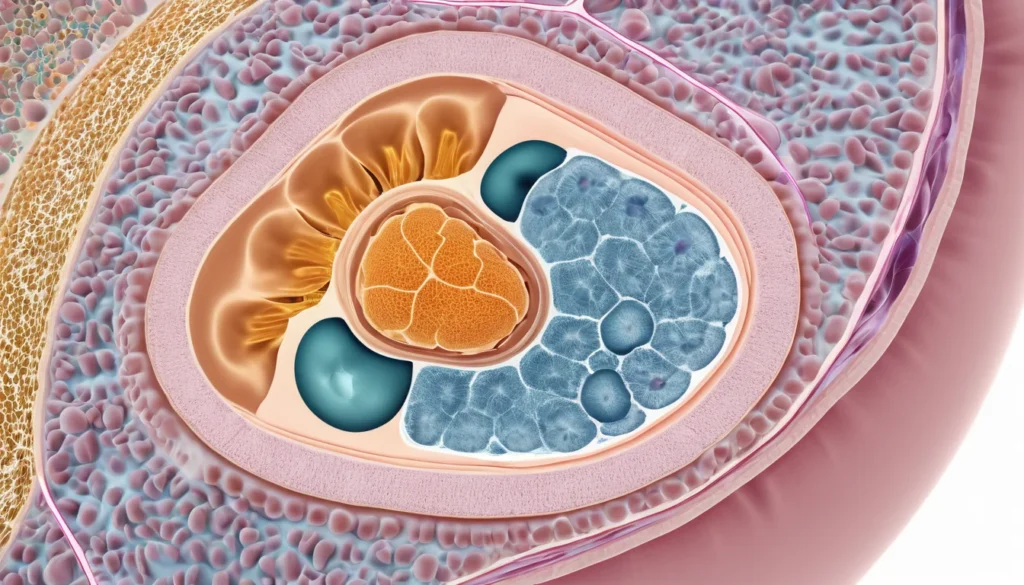
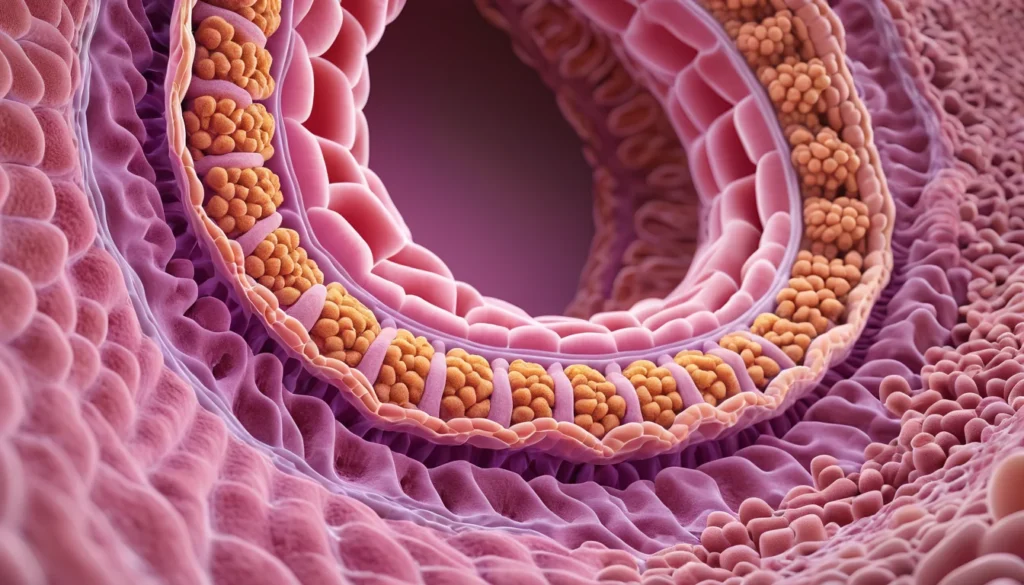
Most cases of colon cancer start as polyps. These are small clumps of cells that grow on the inner lining of the colon. They are usually benign (non-cancerous) at first. However, without detection and removal, some polyps can slowly become cancerous over many years.
Polyps are often very small and cause no symptoms. This is why regular screening is so important. According to Health Canada, colorectal cancer is among the top three cancers affecting Canadians.
Colon Cancer Symptoms to Watch For
Many people with colon cancer have no symptoms in the early stages. When symptoms do appear, they depend on the size and location of the tumour. This makes routine screening essential, even when you feel fine.
Common signs and symptoms of colon cancer include:
Changes in bowel habits, such as persistent diarrhoea or constipation
A change in stool consistency lasting more than a few weeks
Rectal bleeding or blood in your stool
Persistent abdominal discomfort — including cramps, gas, or pain
A feeling that your bowel does not empty completely
Unexplained fatigue or muscle weakness
Significant weight loss with no clear cause
These symptoms can also be caused by other conditions. However, it is always best to get them checked. Do not wait to see if they go away on their own.
When to See a Doctor
See your family doctor or visit a walk-in clinic if you notice any of the symptoms listed above. Blood in your stool or a sudden change in bowel habits are especially important signs to report right away.
You should also talk to your doctor about colon cancer screening, even if you feel healthy. Canadian guidelines generally recommend that screening begin at age 50 for people at average risk. Your doctor may suggest starting earlier or screening more often if you have additional risk factors.
If you do not have a family doctor, a walk-in clinic can refer you for screening or connect you with the right specialist. Most provincial health plans in Canada cover colorectal cancer screening tests. Check with your provincial health authority to learn what is covered in your area.
In addition, if colon cancer runs in your family, ask your doctor about genetic testing. Finding out your risk early can help you take action sooner.
What Causes Colon Cancer?
Doctors do not always know the exact cause of colon cancer. It develops when healthy cells in the colon change and grow in an uncontrolled way. Normally, cells grow, divide, and die in an orderly pattern. When this process breaks down, cells keep dividing without stopping, forming a tumour.
Precancerous Changes in the Colon
Colon cancer often starts as precancerous cell clusters called polyps. These grow on the inner lining of the large intestine and look similar to small mushrooms. Most polyps are harmless, but some can become cancerous over time.
In rare cases, precancerous changes are flat or slightly recessed in the bowel wall. These are called non-polypoid lesions and are harder to detect. Removing polyps and non-polypoid lesions during a colonoscopy can prevent colon cancer from developing.
Inherited Genetic Mutations
Some people inherit gene mutations that raise their risk of colon cancer. However, this accounts for only a small number of cases. Carrying an inherited mutation does not mean you will definitely develop colon cancer — it means your risk is higher than average.
Two key inherited conditions are:
Familial adenomatous polyposis (FAP): A rare condition that causes thousands of polyps to form in the large intestine and rectum. People with FAP face a high risk of colon cancer before age 40.
Lynch syndrome (hereditary non-polyposis colorectal cancer): This condition significantly increases the risk of colon cancer, often before age 50.
Both conditions can be identified through genetic testing. If colon cancer runs in your family, ask your doctor whether genetic testing is right for you. For more information on hereditary cancer risks, visit the Mayo Clinic’s guide to colon cancer causes.
Risk Factors for Colon Cancer
Several factors can increase your risk of developing colon cancer. Some you cannot change, like your age or family history. Others are linked to lifestyle choices you can take steps to improve.
Factors You Cannot Change
Age: About 90% of people diagnosed with colon cancer are over 50. However, cases in younger adults are becoming more common.
Personal history: If you have had colon cancer or colon polyps before, your risk of developing it again is higher.
Family history: Having a close relative — such as a parent or sibling — who has had colorectal cancer increases your risk. The more relatives affected, the greater the risk.
Inherited genetic syndromes: Conditions like FAP and Lynch syndrome significantly raise colon cancer risk.
Inflammatory bowel disease: Crohn’s disease and ulcerative colitis increase the risk of colon cancer over time.
Lifestyle Factors That Raise Your Risk
Low-fibre, high-fat diet: Diets low in fibre and high in fat and calories are linked to a higher risk of colon and rectal cancer. Eating red meat and processed meat regularly may also increase risk.
Physical inactivity: A sedentary lifestyle raises colon cancer risk. In contrast, regular physical activity can lower it.
Obesity: People who are obese have a higher risk of developing colon cancer and a higher risk of dying from it.
Type 2 diabetes: People with insulin-resistant diabetes may face a greater risk of colon cancer.
Smoking and alcohol: Both tobacco use and heavy alcohol consumption are associated with a higher risk of colorectal cancer.
Making healthy lifestyle changes — such as eating more fibre, moving regularly, and maintaining a healthy weight — can meaningfully reduce your risk. Learn more about reducing your cancer risk at Healthline’s colon cancer resource page.
Screening and Early Detection
Screening for colon cancer can find polyps before they turn cancerous. It can also catch cancer early, when it is much easier to treat. Early-stage colon cancer often has no symptoms at all, which is why scheduled screening saves lives.
The most common screening options in Canada include:
Fecal occult blood test (FOBT) or fecal immunochemical test (FIT): These stool tests look for hidden blood. They are non-invasive and can be done at home. Many provincial health plans cover these tests for people aged 50 to 74.
Colonoscopy: A doctor uses a thin, flexible camera to look inside the entire colon. Polyps can be removed during the procedure. This is often recommended if a stool test comes back positive, or if you have a higher risk.
Flexible sigmoidoscopy: Similar to a colonoscopy, but only examines the lower part of the colon.
Talk to your family doctor about which screening test is right for you. Your provincial health plan may fully cover certain tests, especially for those in the recommended age range. Do not skip screening because you feel fine — most people with early colon cancer feel perfectly healthy.
What are the early warning signs of colon cancer?
Early colon cancer often causes no symptoms at all. When symptoms do appear, they can include changes in bowel habits, blood in the stool, persistent abdominal discomfort, or unexplained weight loss. Because these signs can be easy to miss or dismiss, regular screening for colon cancer is the most reliable way to catch it early.
At what age should Canadians start screening for colon cancer?
Canadian guidelines generally recommend that colon cancer screening begin at age 50 for people at average risk. If you have a family history of colorectal cancer, inflammatory bowel disease, or an inherited genetic condition, your doctor may suggest starting earlier. Talk to your family doctor or a walk-in clinic to find out what is right for your situation.
Is colon cancer hereditary?
Colon cancer can run in families, and certain inherited gene mutations — such as those linked to familial adenomatous polyposis (FAP) or Lynch syndrome — significantly raise the risk. However, most cases of colon cancer are not directly inherited. If a close relative has had colorectal cancer, let your doctor know so they can assess your personal risk.
Can colon cancer be prevented?
While there is no guaranteed way to prevent colon cancer, you can meaningfully lower your risk. Eating a high-fibre, low-fat diet, exercising regularly, maintaining a healthy weight, and avoiding smoking and heavy alcohol use all help reduce the risk. In addition, regular screening allows doctors to find and remove precancerous polyps before they develop into colon cancer.
What is the difference between colon cancer and rectal cancer?
Colon cancer forms in the large intestine, while rectal cancer forms in the last several centimetres of the colon, called the rectum. Together, they are referred to as colorectal cancer. Both share many of the same risk factors, symptoms, and screening methods, so doctors often discuss them together.
Is a colonoscopy covered by provincial health plans in Canada?
In most Canadian provinces, a colonoscopy is covered by the provincial health plan when it is medically necessary — for example, following a positive stool screening test or for those with higher-than-average risk. Coverage details vary by province, so it is best to ask your family doctor or contact your provincial health authority directly to confirm what is included in your plan.
Key Takeaways
Colon cancer is common in Canada but is highly treatable when caught early.
Most cases start as small, harmless polyps that slowly change over time.
Symptoms include blood in the stool, changes in bowel habits, abdominal pain, fatigue, and unexplained weight loss.
Many people have no symptoms in the early stages — this is why screening matters.
Screening is generally recommended starting at age 50; earlier if you have risk factors.
Risk factors include age, family history, inflammatory bowel disease, obesity, a low-fibre diet, and physical inactivity.
Inherited conditions like FAP and Lynch syndrome significantly raise risk — genetic testing is available.
Healthy lifestyle choices can reduce your risk of colon cancer.
Always speak with your family doctor or visit a walk-in clinic if you have concerns. Your doctor is your best resource for personalised advice about screening and prevention.
This article is for informational purposes only and does not replace professional medical advice. Please consult your family doctor or a qualified healthcare provider for guidance specific to your health needs.