A colon cancer diet plays a powerful role in both preventing and managing colorectal cancer. What you eat every day can affect your immune system, your risk of developing cancer, and how well your body holds up during treatment. This article explains the best foods to eat, what to limit, and how good nutrition supports your health at every stage.
How a Colon Cancer Diet Can Help Your Body
Cancer cells thrive when the immune system is weak. Eating well helps strengthen your immune system and makes it harder for cancer cells to grow. Fortunately, research shows that most types of cancer respond positively to healthy dietary changes.
Getting enough calories is important, but it is just one piece of the puzzle. A balanced colon cancer diet also helps your body handle possible nutrient deficiencies. These deficiencies are common in people living with colorectal cancer.
Good nutrition offers benefits beyond cancer prevention. Many people who eat well also notice healthy weight loss, more energy, and better overall wellbeing. According to Health Canada, a diet rich in vegetables, fruits, and fibre is linked to a lower risk of several chronic diseases, including colorectal cancer.
Foods That Help Prevent Colorectal Cancer
The evidence is clear: diet and nutrition are vital tools in the fight against colon cancer. Scientific research supports eating a healthy diet for both prevention and treatment. In general, experts recommend reducing saturated fat and salt while increasing your intake of colourful fruits and vegetables.
These foods are packed with vitamins, minerals, and antioxidants. Antioxidants help protect your cells from damage that can lead to cancer. Many of these powerful foods may already be part of your daily routine.
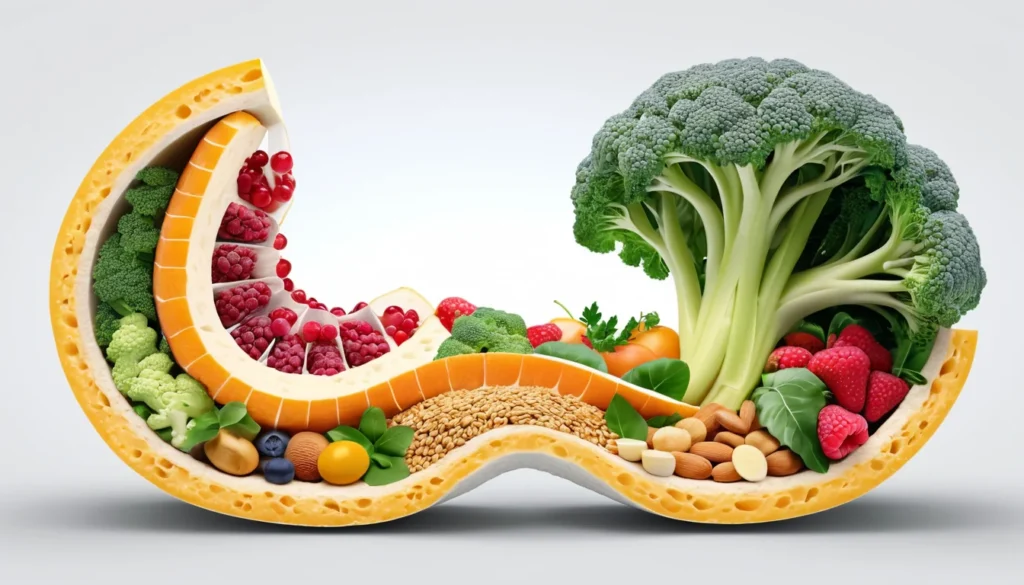
Top Foods to Include in a Colon Cancer Diet
Colourful fruits and vegetables – berries, leafy greens, carrots, and bell peppers are rich in antioxidants and cancer-fighting nutrients.
Fresh fish – aim to eat fish one to three times per week. Fatty fish like salmon, herring, and mackerel are especially beneficial.
High-fibre foods – whole grains, legumes, and vegetables help protect the colon lining. Aim for at least 25 grams of fibre per day.
Omega-3 fatty acids – found in fatty fish, flaxseeds, flaxseed oil, walnuts, and canola oil. These fats have protective properties against cancer and other chronic diseases.
Nuts and seeds – a great source of healthy fats and plant-based protein.
Foods and Habits to Limit or Avoid
Red meat – strong evidence links high red meat consumption to an increased risk of colorectal cancer.
Saturated fats – keep fat intake below 30% of your total daily calories. High animal fat intake is associated with higher colorectal cancer risk.
Salt and processed foods – excess sodium and processed meats increase cancer risk.
Alcohol – limit consumption as much as possible.
Tobacco – avoid tobacco in all forms. It is a significant cancer risk factor.
High cholesterol levels are also significantly linked to the development of cancerous tumours. Therefore, reducing animal fat intake and choosing healthier fats like omega-3s is a smart, evidence-based strategy.
The Role of Fibre in Colorectal Cancer Protection
Dietary fibre has a well-documented protective effect on colon health. Diets rich in vegetables and high-fibre grains have shown strong protection against fatal colorectal cancer. This makes fibre one of the most important nutrients in a colon cancer diet.
Fibre works through several protective mechanisms. It reduces the time it takes for waste to move through the colon. This minimises the contact between cancer-causing substances and the colon lining.
In addition, fibre helps lower the pH of stool and produces short-chain fatty acids. Certain short-chain fatty acids can protect individual colon cells from damage. Diets high in fat and low in fibre, however, are consistently linked to a higher risk of colorectal cancer.
Easy Ways to Add More Fibre to Your Diet
Choose whole grain bread and pasta instead of white varieties.
Add beans or lentils to soups, salads, and stews.
Snack on fruits, vegetables, or a small handful of nuts.
Start your day with a high-fibre cereal or oatmeal.
Leave the skin on fruits and vegetables when possible.
Colon Cancer Diet During Treatment
All colon cancer treatments — surgery, chemotherapy, radiation, or a combination — are hard on the body. While these treatments target fast-growing cancer cells, they can also damage healthy cells. Healthy cells that are affected need proper nutrition to recover quickly.
Maintaining a healthy diet during treatment is essential. It helps your body withstand the demands of treatment and reduces the severity of side effects. Good nutrition during this time can make a real difference in how you feel day to day.
Key Nutrients During Colon Cancer Treatment
A healthy treatment diet should include all of the following:
Fluids – staying hydrated prevents dehydration, which is common during treatment.
Protein – supports muscle mass and helps repair body tissue after surgery or treatment.
Carbohydrates and healthy fats – provide the calories your body needs for energy.
Vitamins and minerals – keep your body functioning normally. A standard daily multivitamin providing 100% of most vitamins and minerals is often recommended.
Omega-3 fatty acids – research shows these can help treat neuropathy (nerve pain) and improve appetite in cancer patients.
Managing Weight Loss During Treatment
Weight loss is a common and serious concern for people with colorectal cancer. Treatment side effects that cause weight loss include constipation, diarrhoea, fatigue, gas and bloating, loss of appetite, nausea, mouth and throat pain, taste changes, and vomiting.
A cancer diagnosis can also cause anxiety, and treatment often brings pain. Both of these factors can further reduce appetite and lead to unintended weight loss. As a result, working with a dietitian or your healthcare team to manage your weight during treatment is very important.
The Mayo Clinic’s overview of colon cancer also highlights the importance of maintaining a healthy weight and staying physically active to reduce your overall cancer risk.
Lifestyle Changes That Support a Colon Cancer Diet
Diet alone is not the only factor. Healthy lifestyle changes work best when they go hand in hand with good nutrition. Together, they significantly reduce your risk of developing colorectal cancer.
Maintaining a healthy body weight is one of the most important steps you can take. Obesity and physical inactivity are both linked to a higher risk of colorectal cancer. Therefore, regular physical activity is an essential part of any cancer-prevention strategy.
Simple Lifestyle Tips for Colon Health
Exercise regularly — aim for at least 150 minutes of moderate activity per week.
Maintain a healthy body weight through balanced eating and movement.
Limit alcohol to reduce cancer risk.
Avoid all forms of tobacco.
Manage stress, as chronic stress can weaken your immune system.
Get regular colorectal cancer screenings as recommended by your provincial health plan.
Most provincial health plans in Canada cover colorectal cancer screening programmes for eligible adults. Check with your local health authority to find out what is available in your province.
When to See a Doctor
If you have concerns about your colon health, do not wait. Talk to your family doctor as soon as possible. Early detection of colorectal cancer significantly improves treatment outcomes.
If you do not have a family doctor, a walk-in clinic can provide an initial assessment and referral. Many provinces also offer nurse practitioner-led clinics that can help with nutrition guidance and cancer screening referrals.
Always consult your doctor or a registered dietitian before making major changes to your diet, especially if you are currently undergoing cancer treatment. Nutritional needs during treatment are different from everyday needs, and personalised guidance is essential. The World Health Organization’s cancer fact sheet also recommends working closely with healthcare providers to manage nutrition during cancer care.
Frequently Asked Questions About Colon Cancer Diet
What is the best diet for colon cancer prevention?
The best colon cancer diet for prevention is high in fibre, fruits, and vegetables, and low in red meat and saturated fat. Eating at least 25 grams of fibre per day, choosing colourful produce, and including fatty fish like salmon or mackerel several times a week are all evidence-based steps. Limiting alcohol and avoiding tobacco also significantly lower your risk.
Can diet help during colon cancer treatment?
Yes, following a healthy colon cancer diet during treatment helps your body recover and manage side effects. Adequate protein, fluids, vitamins, and omega-3 fatty acids are especially important. Always work with your healthcare team or a registered dietitian to tailor your nutrition plan to your specific treatment and needs.
Are there specific foods that increase colon cancer risk?
Yes, research strongly links high intake of red meat and processed meats to an increased risk of colorectal cancer. Diets high in saturated fat and low in fibre are also associated with greater risk. Reducing these foods and replacing them with plant-based options and lean proteins is a practical protective step.
How does fibre protect against colon cancer?
Fibre speeds up how quickly waste moves through the colon, reducing the time that cancer-causing substances stay in contact with the colon lining. It also lowers stool pH and produces short-chain fatty acids that help protect colon cells. Including high-fibre foods in your daily colon cancer diet is one of the most effective nutritional strategies available.
Should I take supplements if I have colon cancer?
A standard daily multivitamin providing 100% of most essential vitamins and minerals is generally recommended for people concerned about colorectal cancer. However, you should always consult your doctor or dietitian before starting any supplement regimen, particularly during treatment. Some supplements can interfere with chemotherapy or other cancer treatments.
Is colon cancer screening covered in Canada?
Yes, most provincial health plans in Canada cover colorectal cancer screening for eligible adults, typically starting at age 50. Some provinces screen earlier based on risk factors. Talk to your family doctor or visit a walk-in clinic to find out what screening options are available under your provincial health plan.
Key Takeaways
A colon cancer diet rich in fibre, colourful vegetables, fruits, and omega-3 fatty acids can help prevent and manage colorectal cancer.
Limit red meat, saturated fat, processed foods, salt, and alcohol to reduce your risk.
Aim for at least 25 grams of dietary fibre per day from whole grains, legumes, and vegetables.
During treatment, focus on staying hydrated and getting enough protein, calories, vitamins, and minerals.
Omega-3 fatty acids — found in salmon, herring, walnuts, and canola oil — support immune health and may improve appetite during treatment.
Maintain a healthy weight and stay physically active to further lower your colorectal cancer risk.
Most provincial health plans in Canada cover colorectal cancer screening — speak to your family doctor or visit a walk-in clinic to get screened.
Always consult your doctor or a registered dietitian before making significant dietary changes, especially during cancer treatment.